



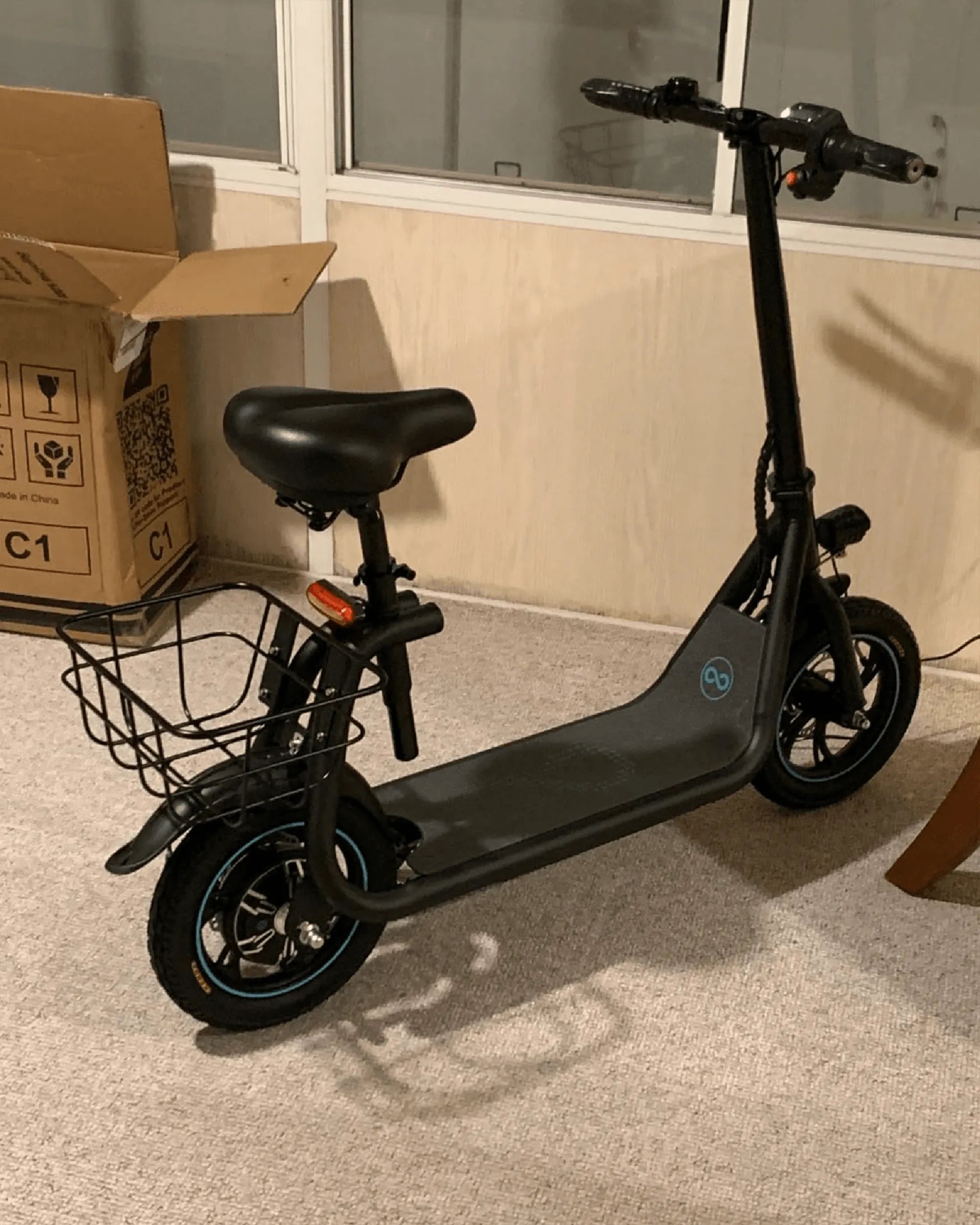
Electric scooters have become a popular mode of transportation in urban areas, offering convenience and eco-friendly travel. However, improper parking can lead to fines, blocked pathways, and even accidents. Knowing how to park electric scooter correctly ensures safety, compliance with local laws, and respect for pedestrians and other road users.
Why Proper Electric Scooter Parking Matters
Parking your electric scooter improperly can create hazards for pedestrians, especially those with disabilities or mobility challenges. Blocked sidewalks, ramps, or bike lanes can force people into dangerous situations, such as stepping onto busy roads. Additionally, many cities impose fines for incorrectly parked scooters, making it essential to follow local regulations.
Finding a Legal Parking Spot
Before parking, check for designated scooter parking zones in your area. Many cities provide marked areas or corrals for shared and private scooters. If no designated spots are available, follow these general rules:
- Keep sidewalks clear: Never block pedestrian pathways.
- Avoid private property: Do not park on lawns, driveways, or inside buildings without permission.
- Stay away from emergency zones: Do not park near fire hydrants, hospital entrances, or bus stops.
How to Park Your Electric Scooter Securely
Once you've found a suitable spot, follow these steps to park your scooter safely:
- Turn off the scooter: Ensure the power is off to prevent accidental movement.
- Use the kickstand: Deploy the kickstand on a flat, stable surface to prevent tipping.
- Lock it if possible: If your scooter has a built-in lock or you carry a separate one, secure it to a fixed object like a bike rack.
- Check the surroundings: Make sure your scooter isn’t obstructing walkways, ramps, or doors.
Common Mistakes to Avoid
Many riders unknowingly make parking mistakes that can lead to fines or damage. Avoid these common errors:
- Leaving scooters in high-traffic areas: Busy sidewalks or narrow pathways should never be blocked.
- Parking near intersections: Scooters left too close to crosswalks can obstruct visibility for drivers and pedestrians.
- Ignoring local laws: Some cities require scooters to be parked upright or in specific zones—always check regulations.
What to Do If There Are No Designated Parking Spots
If your city lacks scooter parking areas, look for alternatives like bike racks or public parking spaces. When in doubt, choose a spot that is:
- Out of the way: A less crowded area reduces obstruction risks.
- Visible and well-lit: Helps prevent theft and makes it easier for others to spot.
- On a hard surface: Avoid grass, gravel, or uneven ground that could cause the scooter to fall.
Respecting Shared and Public Spaces
Electric scooters are part of a shared urban landscape. Parking responsibly ensures they remain a welcome transportation option. Always consider how your parking choice affects others—whether it’s a pedestrian, cyclist, or fellow scooter rider.
By following these guidelines, you’ll avoid fines, keep pathways safe, and contribute to a more organized and efficient cityscape. Next time you ride, take a moment to park smart—your community will thank you!
Where to Get My Electric Scooter Fixed: A Complete Guide to Reliable Repairs
Electric Scooter How Fast Do They Go: Speed, Safety, and Performance Explained