


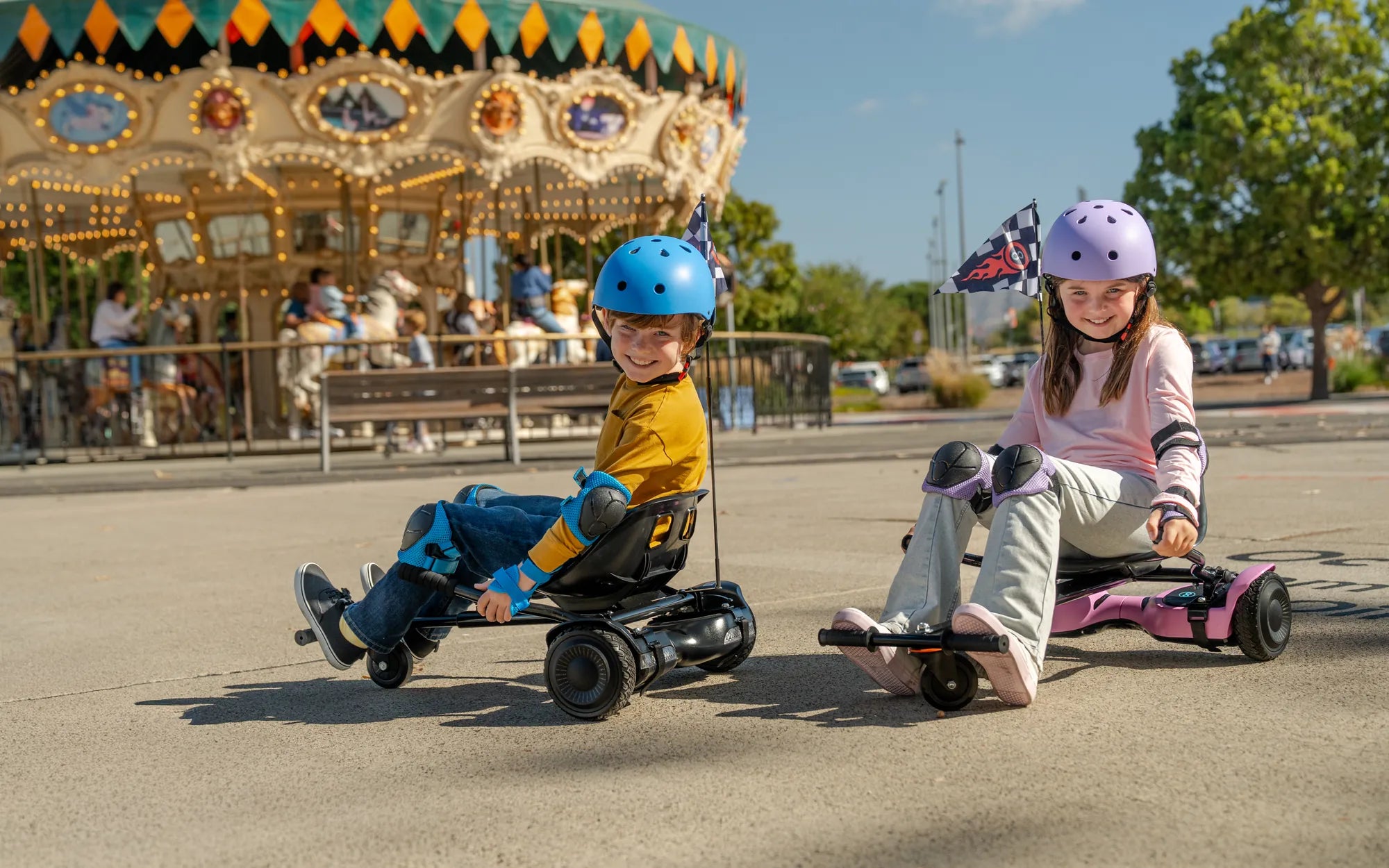
Ever watched someone glide effortlessly on a self-balancing hoverboard and wished you could do the same? These futuristic devices might seem intimidating at first, but with the right guidance, you'll be riding like a pro in no time. Whether you're a complete beginner or looking to refine your skills, this step-by-step guide will walk you through everything you need to know.
Getting Started: Safety First
Before you even step onto your hoverboard, safety should be your top priority. Always wear protective gear, including a helmet, knee pads, elbow pads, and wrist guards. Choose a flat, open area free from obstacles for your first few practice sessions. Avoid slopes, wet surfaces, or uneven terrain until you're comfortable with the basics.
Mounting Your Hoverboard
The first challenge is getting on the hoverboard safely. Follow these steps:
- Place the hoverboard on a flat, stable surface and turn it on.
- Stand behind the hoverboard and place one foot on the footpad, keeping it as level as possible.
- Quickly but smoothly transfer your weight onto that foot while bringing your other foot onto the opposite pad.
- Keep your knees slightly bent and your body upright for better balance.
Finding Your Balance
The key to riding a hoverboard is understanding how it responds to your movements. The device uses gyroscopic sensors to detect shifts in your weight:
- Leaning slightly forward will make the hoverboard move forward
- Leaning back will make it reverse
- Shifting weight to one foot will make it turn in that direction
Start with small movements until you get comfortable with the sensitivity.
Basic Movement and Steering
Once you're comfortable standing on the hoverboard, try these basic maneuvers:
- To move forward: Lean slightly forward from your ankles, keeping your upper body straight
- To stop: Return to a neutral, upright position
- To turn right: Apply gentle pressure with your left toes or right heel
- To turn left: Apply gentle pressure with your right toes or left heel
Advanced Techniques
After mastering the basics, you can try more advanced moves:
- Spinning in place by applying opposite pressure with each foot
- Navigating gentle slopes by adjusting your center of gravity
- Riding backward by leaning slightly backward
Always practice these in a safe environment with plenty of space.
Troubleshooting Common Issues
Many beginners face similar challenges:
- If the hoverboard feels too sensitive, try adjusting your stance to be more centered
- If you're having trouble turning, focus on using your feet independently
- If you feel unstable, practice near a wall or railing you can grab if needed
Maintenance Tips
To keep your hoverboard performing well:
- Regularly check the tire pressure (if applicable)
- Keep the charging port clean and dry
- Store in a cool, dry place when not in use
- Avoid overcharging the battery
Now that you know the secrets to hoverboard mastery, there's only one thing left to do - get out there and ride! With practice and patience, you'll soon be gliding around with the confidence of someone who was born on a hoverboard. Remember, every expert was once a beginner, so don't get discouraged if it takes a few tries to feel completely comfortable. The freedom of movement and fun you'll experience is well worth the effort!
What Is the Official Hoverboard? A Complete Guide to the Futuristic Ride
Hoverboard 30 kmh: The Ultimate Guide to High-Speed Personal Transportation