



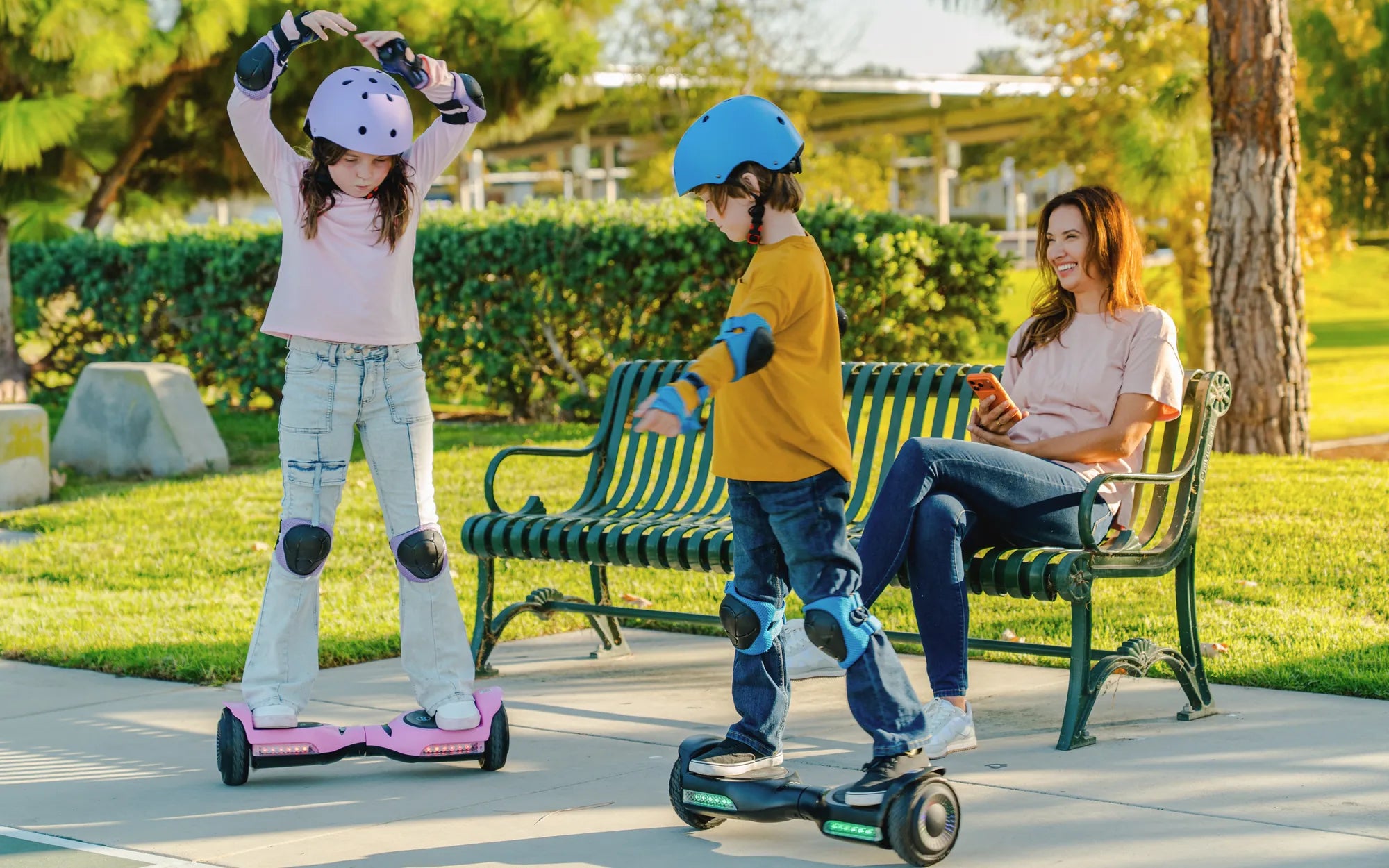
Stepping off a hoverboard might seem simple, but doing it incorrectly can lead to falls or injuries. Whether you're a beginner or an experienced rider, knowing the right way to dismount is crucial for safety and confidence. Let's dive into the step-by-step process to ensure you step off your hoverboard like a pro.
Understanding the Basics of Hoverboard Dismounting
Before attempting to step off, it's important to understand how a hoverboard responds to your movements. Hoverboards rely on pressure sensors to detect shifts in weight. When you lean forward, the board moves forward; when you lean back, it slows down or reverses. The same principle applies when stepping off—your body's movements must be deliberate and controlled.
Step-by-Step Guide to Stepping Off a Hoverboard
1. Slow Down and Prepare
Begin by reducing your speed. Come to a complete stop or near-stop before attempting to dismount. Trying to step off while the hoverboard is still moving can throw off your balance.
2. Shift Your Weight to One Foot
Once stationary, gently shift your weight to one foot. This prepares you to lift the other foot off the board. Keep your movements smooth to avoid sudden shifts that could destabilize the hoverboard.
3. Lift One Foot Off the Board
With most of your weight on one foot, slowly lift the other foot off the hoverboard. Place it firmly on the ground beside the board. Ensure the foot on the ground is stable before proceeding.
4. Step Off Completely
Once one foot is securely on the ground, transfer your remaining weight to it and step off the hoverboard with your other foot. The board should power off automatically once both feet are removed.
Common Mistakes to Avoid
Jumping Off the Hoverboard
Jumping off might seem like a quick way to dismount, but it can cause the board to shoot out from under you or lose balance. Always step off deliberately.
Leaning Too Far Back
Leaning too far back while dismounting can cause the hoverboard to reverse unexpectedly. Maintain a neutral posture as you step off.
Uneven Weight Distribution
Failing to shift your weight properly can make the hoverboard tilt or wobble. Practice shifting your weight gradually to avoid this.
Tips for Beginners
If you're new to hoverboards, practice dismounting near a wall or railing for support. Wear protective gear like knee pads and wrist guards to minimize injury risk. Start on a flat, smooth surface to build confidence.
Advanced Techniques for Smooth Dismounts
Once you're comfortable with the basics, try dismounting while the hoverboard is still moving slightly. This advanced technique requires precise timing and balance but can make your rides smoother and more fluid.
Why Proper Dismounting Matters
Stepping off a hoverboard correctly isn't just about avoiding falls—it also prolongs the life of your device. Abrupt dismounts can strain the motors or sensors over time. Mastering this skill ensures both your safety and the hoverboard's longevity.
Ready to take your hoverboard skills to the next level? With these tips, you'll step off confidently every time, leaving behind the fear of tumbles and embracing the joy of seamless rides.
Hoverboard Fail Funny: The Most Hilarious Wipeouts and What They Teach Us
What Happens If You Charge Your Hoverboard Overnight: Risks and Safety Tips