

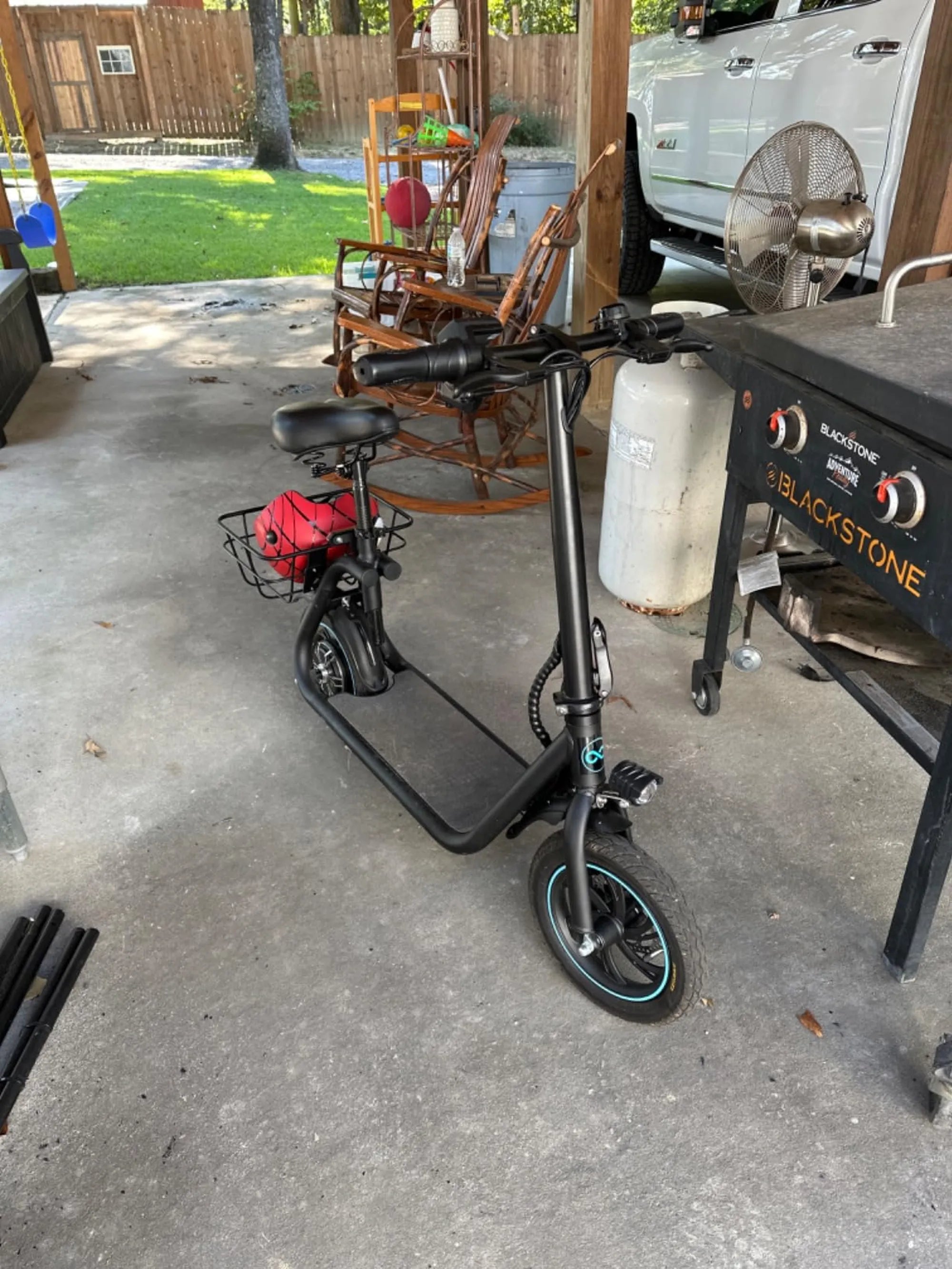
Loose handlebars on an electric scooter can turn your ride from fun to frustrating—or even dangerous. If you've noticed wobbling or instability, it's time to take action. Tightening your scooter's handlebars isn't just about comfort; it's a crucial safety measure. Whether you're a daily commuter or a casual rider, mastering this simple maintenance task will keep you in control and extend the life of your scooter.
Why Tight Handlebars Matter
Handlebar stability directly impacts your scooter's handling and safety. Loose handlebars can lead to unpredictable steering, reduced control, and even accidents. Over time, vibrations from riding can loosen bolts and fittings, so regular checks are essential. A properly secured handlebar ensures a smooth, responsive ride and prevents unnecessary wear on other components.
Tools You'll Need
Before starting, gather these basic tools:
- Allen wrenches (hex keys) in various sizes
- Adjustable wrench or socket set
- Screwdriver (Phillips or flathead, depending on your scooter)
- Threadlocker (optional but recommended)
- Clean cloth for wiping down components
Step-by-Step Tightening Process
Step 1: Identify the Loose Components
First, determine where the looseness originates. Gently shake the handlebars to pinpoint movement:
- If the entire stem wobbles, the issue is likely at the base.
- If only the grips or controls move, focus on those areas.
Step 2: Tighten the Stem Bolts
Locate the bolts connecting the handlebar stem to the scooter's deck. Use the appropriate Allen wrench or socket to tighten them evenly in a crisscross pattern. Avoid overtightening, which can strip threads or damage components.
Step 3: Secure the Folding Mechanism (If Applicable)
For foldable scooters, check the latch or locking mechanism. Apply threadlocker to bolts to prevent future loosening. Ensure the mechanism engages fully and locks securely.
Step 4: Check Handlebar Grips and Controls
Tighten any screws securing brake levers, throttles, or display panels. If grips spin freely, remove them and apply a small amount of adhesive before reattaching.
Troubleshooting Common Issues
- Stripped threads: Replace damaged bolts or use a thread repair kit.
- Persistent wobble: Inspect bearings or bushings for wear.
- Creaking noises: Apply lubricant to moving parts.
Preventive Maintenance Tips
Keep your handlebars secure with these habits:
- Check bolt tightness monthly
- Store your scooter in a dry place to prevent rust
- Avoid excessive force when folding/unfolding
Taking 10 minutes to tighten your electric scooter's handlebars could save you from a nasty spill—and keep your rides buttery smooth. With these pro tips, you'll enjoy better control and confidence on every journey. Now grab your tools and give your scooter the TLC it deserves!
Electric Scooter Protection: Essential Tips to Keep Your Ride Safe and Durable
What the Fastest Electric Scooter: Speed, Power, and Performance