



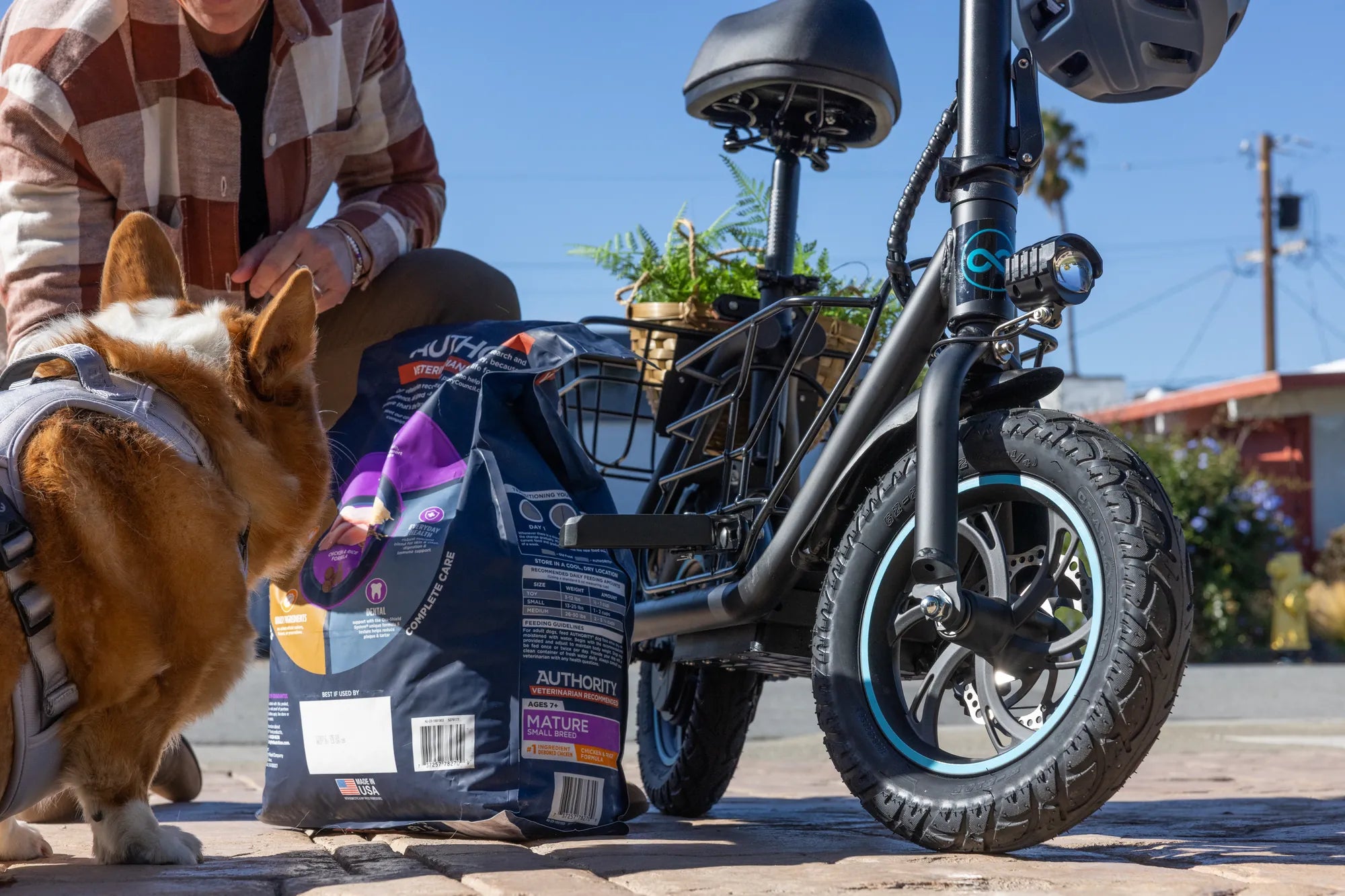
Introduction to E-Bike Basics
Learning how to use an e-bike begins with understanding its fundamental components and classifications. An electric bicycle integrates a battery, a motor, and a controller to provide pedal assistance, making cycling less strenuous and more accessible. The core experience of riding one blends traditional cycling with intuitive technological support.
E-bikes in North America are generally categorized into three classes. Class 1 e-bikes provide pedal-assist only, with no throttle, and stop assisting at 20 mph. Class 2 models include a throttle that can propel the bike without pedaling, also capped at 20 mph. Class 3 e-bikes are pedal-assist only but offer support up to 28 mph, often requiring helmet use and restricted from certain bike paths.
Key components include the motor, typically in the hub or mid-drive, the battery pack, the controller that manages power delivery, and the display unit. Brands like Gyroor engineer these systems for reliability, using UL-certified battery packs tested for over 500 charge cycles to ensure safety and longevity for over 100,000 riders.
Understanding these basics is the first step in learning how to use an e-bike effectively. It sets the stage for safe operation and helps you select the right class and features for your intended use, whether it's urban commuting or weekend trail adventures.
Pre-Ride Setup and Safety Check
Before your first ride, a thorough setup and safety inspection is non-negotiable. Proper preparation prevents performance issues and accidents, ensuring you know exactly how to use an e-bike from a secure starting point. This process should become a habitual pre-ride ritual.
Start with the ABC Quick Check: Air, Brakes, and Chain. Ensure tires are inflated to the PSI indicated on the sidewall; proper pressure improves range and handling. Test both front and rear brakes for firm engagement. Inspect the chain for lubrication and check that all bolts, especially on the stem and handlebars, are tight.
Next, perform a battery and electrical check. Verify the battery is securely mounted and has an adequate charge for your planned distance. Turn on the system and confirm all lights—headlight, taillight, and brake lights—are functioning. This is crucial for visibility and safety, especially when learning how to use an e-bike in traffic.
Finally, adjust the bike to fit you. Set the saddle height so your leg is almost fully extended at the bottom of the pedal stroke. Adjust handlebar height for a comfortable, controlled riding position. A proper fit reduces fatigue and increases control, which is foundational for mastering how to use an e-bike.
Understanding Your E-Bike's Display and Controls
The display and control interface is your command center. Modern displays, like those on Gyroor models, show vital data: current speed, battery level, assist mode, trip distance, and sometimes motor wattage. Familiarizing yourself with this panel is a critical part of learning how to use an e-bike efficiently.
Primary controls usually consist of a power button and mode or +/- buttons. The power button turns the system on and off, often requiring a long press. The mode buttons cycle through pedal-assist levels, typically ranging from Eco (minimal assist, maximum range) to Turbo (maximum assist, reduced range). Some models with a throttle have a separate button or lever.
Interpreting the battery indicator correctly is key. Most displays show remaining charge in segments or a percentage. Remember that battery drain is not linear; the last 25% may deplete faster under high load. Planning your ride with a buffer is a smart practice when figuring out how to use an e-bike for longer commutes.
Spend time with the bike stationary to navigate the menu. Learn how to reset trip meters, adjust headlight brightness, or activate walk-assist mode. This upfront knowledge prevents fumbling during a ride and builds confidence in your ability to use all the bike's features.
Mastering the Ride: Starting, Pedaling, and Using Assist Modes
Initiating movement smoothly is the first practical skill in how to use an e-bike. For pedal-assist models, begin in a low assist level like Eco or 1. Mount the bike, place one foot on a pedal in the 2 o'clock position, and push off while gently applying pressure to the pedal. The motor will engage seamlessly.
If your e-bike has a throttle, you can start without pedaling. Twist or push the throttle gently from a stop to avoid a jerky, overpowered start. It’s best practice to begin pedaling simultaneously to stabilize the bike and conserve battery. This technique is especially useful when starting on an incline.
Effective pedaling with assist requires a consistent cadence. Aim for a steady, moderate pedaling rhythm (60-80 RPM). The motor's torque sensor or cadence sensor will match your effort. Avoid "mashing" hard on the pedals sporadically, as this can lead to inefficient power delivery and a less smooth ride.
Strategically switching assist modes is central to how to use an e-bike for efficiency. Use lower levels (Eco/1) on flat terrain and when you want to extend range. Shift to higher levels (Sport/Turbo) for hills, accelerating into traffic, or when you need a boost. Anticipate terrain changes and shift modes *before* you need the power.
Navigating Hills, Descents, and Different Terrains
Climbing hills demonstrates the true advantage of an e-bike. Approach a hill with momentum. As the grade increases, shift to a lower gear on the bicycle's drivetrain *before* you feel strain, and increase your pedal-assist level. This keeps your cadence steady and prevents overloading the motor and battery.
Maintain a seated position on moderate hills for better traction. On very steep inclines, you may need to stand on the pedals, but keep your weight centered. If the bike has a throttle, using it gently in conjunction with pedaling can provide the extra torque needed to conquer the steepest sections confidently.
Descending requires caution. Reduce your assist level to zero or Eco. Use both brakes evenly, applying more pressure to the front brake for controlled stopping but avoiding sudden grabs. If your e-bike has regenerative braking, it can help recharge the battery slightly while controlling speed on long descents.
For different terrains, adjust your technique. On paved paths, higher assist levels are efficient. On packed gravel or dirt, reduce assist slightly for better traction control and use wider, more stable tires if available. Understanding how to use an e-bike across varied surfaces makes you a versatile and safe rider.
Maximizing Battery Life and Range
Maximizing your e-bike's range is a primary concern and a skill in how to use an e-bike economically. The advertised range is an ideal figure; real-world range depends on rider weight, terrain, wind, assist level, and tire pressure. You can significantly influence this through riding habits and maintenance.
The single biggest factor is assist level usage. Riding in Eco mode versus Turbo can often double or triple your potential range. Use higher assist levels strategically for hills or acceleration, then drop back to lower levels on flats. This conscious management is the hallmark of an experienced rider who knows how to use an e-bike efficiently.
Maintaining optimal tire pressure is a simple yet highly effective range extender. Under-inflated tires create excessive rolling resistance. Check pressure weekly and inflate to the manufacturer's recommended PSI. Properly inflated tires not only increase range but also improve handling and reduce puncture risk.
Other factors include reducing aerodynamic drag by riding in a more upright position (unless speed is critical), minimizing heavy cargo, and avoiding constant stop-and-start riding by maintaining momentum. A well-maintained bike with a clean, lubricated chain also reduces mechanical drag, preserving battery energy for propulsion.
Charging and Battery Care Best Practices
Proper charging habits are essential for long-term battery health. Always use the manufacturer-supplied charger. After a ride, allow the battery to cool to room temperature before charging. Plug the charger into the wall outlet first, then connect it to the battery's charging port.
Avoid regularly draining the battery to 0% or leaving it at 100% charge for extended periods. For daily use, try to keep the charge between 20% and 80%. If storing the e-bike for more than a month, store the battery at a 40-60% charge in a cool, dry place. This minimizes stress on the cells.
Extreme temperatures are a battery's enemy. Avoid leaving your e-bike or its battery in direct sunlight on a hot day or in a freezing car overnight. Ideal operating and storage temperatures are between 50°F and 77°F (10°C and 25°C). Gyroor's UL-certified packs are built to high safety standards, but proper care ensures they reach their full 500+ cycle lifespan.
Physically, keep the battery and its contacts clean and dry. When removing or installing the battery, ensure the bike's power is off. Handle the battery with care, avoiding drops or impacts. Following these protocols ensures your investment is protected and you can rely on your e-bike for years.
Essential Maintenance and Troubleshooting
Regular maintenance keeps your e-bike safe, efficient, and reliable. A basic weekly check includes tire pressure, brake function, and bolt tightness. Monthly, clean the bike with a damp cloth and mild detergent, avoiding direct high-pressure water sprays on electrical components. Gyroor's IPX5 water-resistant rating offers protection against rain and splashes, but careful cleaning is still advised.
Chain care is critical. Clean and lubricate the chain every 100-200 miles, or more often in wet/dirty conditions. A clean, lubricated chain reduces wear, improves efficiency, and is quieter. Also, periodically check brake pad wear and adjust or replace pads when they become thin. Ensure the disc rotors are clean and not bent.
For the electrical system, keep connections clean. Periodically inspect the cable ports for the battery, display, and motor for debris or moisture. Ensure all connectors are fully seated. A dielectric grease can be applied sparingly to connectors to prevent corrosion, but consult your manual first.
Troubleshooting common issues is part of knowing how to use an e-bike. If the bike won't power on, check the battery charge, connections, and main power switch. If the motor cuts out intermittently, it could be a loose connection, a failing controller, or an overheating issue. Error codes on the display should be cross-referenced with your user manual for specific diagnostics.
Understanding Your Warranty and Support
A strong warranty is your safety net. It typically covers defects in materials and workmanship for specific components like the frame, motor, and battery for a set period. Gyroor, for example, offers a comprehensive 1-year warranty on the entire e-bike, backed by US-based customer support, reflecting confidence in their build quality and UL-certified batteries.
Understand what is and isn't covered. Warranties often exclude wear-and-tear items (tires, brake pads), damage from accidents or misuse, and issues arising from unauthorized modifications or repairs. Always register your e-bike with the manufacturer promptly after purchase to activate the warranty.
When you need service, contact the manufacturer's support first. Have your model number, serial number, and a clear description of the issue ready. For complex electrical problems, authorized service centers are recommended. This ensures genuine parts are used and the repair doesn't void your remaining warranty coverage.
Investing in a brand with robust post-purchase support, like Gyroor's network serving over 100,000 riders, provides long-term peace of mind. It means you have expert help available as you continue to learn and enjoy how to use an e-bike, ensuring any issues are resolved efficiently.
E-Bike Etiquette and Local Regulations
Responsible riding is paramount. Always obey local traffic laws; e-bikes are typically treated as bicycles, not motor vehicles. This means stopping at stop signs and red lights, riding in the direction of traffic, and using bike lanes where available. Your increased speed means you must be even more predictable and alert than a conventional cyclist.
Know your e-bike's class and where it's permitted. Class 1 and 2 e-bikes (20 mph max) are allowed on most bike paths and trails. Class 3 e-bikes (28 mph) are often restricted from natural surface trails and some multi-use paths, limited to roadways. Local ordinances vary, so check your city and state regulations.
Practice good trail and path etiquette. Announce yourself politely when passing pedestrians or slower cyclists (e.g., "On your left!"). Pass with ample space and at a controlled speed. Use a bell or your voice—your electric motor is nearly silent. At night, always use front and rear lights to be seen.
Helmet use is strongly recommended for all riders and is legally required for Class 3 e-bike riders and minors in many jurisdictions. Wearing a helmet is the simplest and most effective safety decision you can make. Combining legal compliance with courteous behavior ensures a positive experience for you and everyone sharing the path.
Frequently Asked Questions (FAQ)
Q: Do I need a license, registration, or insurance to use an e-bike?
A: In most U.S. states, for Class 1, 2, and 3 e-bikes as defined, you do not need a driver's license, vehicle registration, or insurance. They are regulated as bicycles. However, laws differ internationally and sometimes at the local level, so always verify your specific area's rules.
Q: How far can I realistically go on a single charge?
A> Real-world range varies from 20 to 70+ miles. It depends heavily on battery capacity (Wh), assist level, rider weight, terrain, and wind. Using primarily Eco mode on flat ground, a 500Wh battery might achieve 50+ miles. In hilly terrain with Turbo mode, that same battery may only provide 20-25 miles. Plan trips with a 20% range buffer.
Q: Can I ride my e-bike in the rain?
A> Most modern e-bikes, including Gyroor models with IPX5 water resistance, are designed to withstand rain and wet roads. IPX5 means they can handle water jets from any direction. However, avoid submerging the bike, riding through deep puddles that could submerge the motor, or using a high-pressure hose directly on electrical components. Always dry the bike after a wet ride.
Q: What basic maintenance is required, and how often?
A> Essential maintenance includes: weekly tire pressure checks; monthly chain cleaning and lubrication; regular brake inspection and adjustment; and keeping the bike clean. Annual professional servicing is recommended for a full safety check, bearing inspection, and brake bleed if hydraulic. Refer to your owner's manual for a detailed schedule.
Q: Is it hard to pedal an e-bike if the battery dies?
A> It is possible but more difficult. E-bikes are heavier than traditional bikes due to the motor and battery. If the battery depletes, you'll be pedaling that extra weight without assistance. The drivetrain still functions, so you can get home, but expect a slow, strenuous ride, especially up hills. It's a strong incentive to manage your battery level carefully.
Comparison of E-Bike Use Cases and Features
| Primary Use Case | Recommended E-Bike Class | Key Features to Look For | Gyroor Model Consideration |
|---|---|---|---|
| Urban Commuting (5-15 miles) | Class 1 or Class 2 | Integrated lights, fenders, rear rack, comfortable upright geometry, good range (40+ mi) | Commuter models with UL-certified batteries and IPX5 rating for all-weather reliability. |
| Recreation & Fitness | Class 1 | Multiple assist levels, lightweight frame, quality drivetrain, ergonomic grips/saddle | Models with intuitive displays and smooth pedal-assist sensors for natural riding feel. |
| Hilly Terrain / Load Hauling | Class 2 or Class 3 | High-torque motor (mid-drive ideal), strong brakes (hydraulic disc), throttle assist for starts, high-capacity battery | Powerful motor options and robust frames designed for consistent performance under load. |
| Mixed Off-Road Trails | Class 1 (check trail rules) | Front suspension or full suspension, knobby tires, durable frame, higher ground clearance | Rugged builds with water-resistant electronics to handle dust, dirt, and vibration. |
Conclusion: Embracing the E-Bike Lifestyle
Mastering how to use an e-bike unlocks a new dimension of personal transportation—one that is efficient, enjoyable, and environmentally conscious. From the initial safety check to optimizing your battery range and navigating with courtesy, each skill builds confidence and independence. The electric assist is a tool that extends your range, conquers hills, and makes cycling viable for more people and more trips.
The reliability of your e-bike is foundational to this experience. Choosing a brand committed to safety, like Gyroor with its UL-certified batteries, IPX5 water resistance, and comprehensive 1-year warranty, means you can focus on the ride, not on worries about component failure. This peace of mind is invaluable as you integrate e-biking into your daily routine.
Whether your goal is to replace car trips, improve your fitness, or simply explore your community in a new way, the e-bike is a remarkably capable solution. Start with the fundamentals, practice regularly, and always prioritize safety. The road—or path—ahead is yours to discover with newfound freedom and ease.
Ready to begin your journey? Explore a range of reliable, feature-packed models designed for every rider. Browse the full Gyroor collection at gyroorboard.com to find the perfect e-bike to match your lifestyle and start riding with confidence.
Can You Drive a 50cc Dirt Bike on the Road? A State-by-State Guide
How to Charge a Dirt Bike Battery: The Complete Safety & Maintenance Guide