

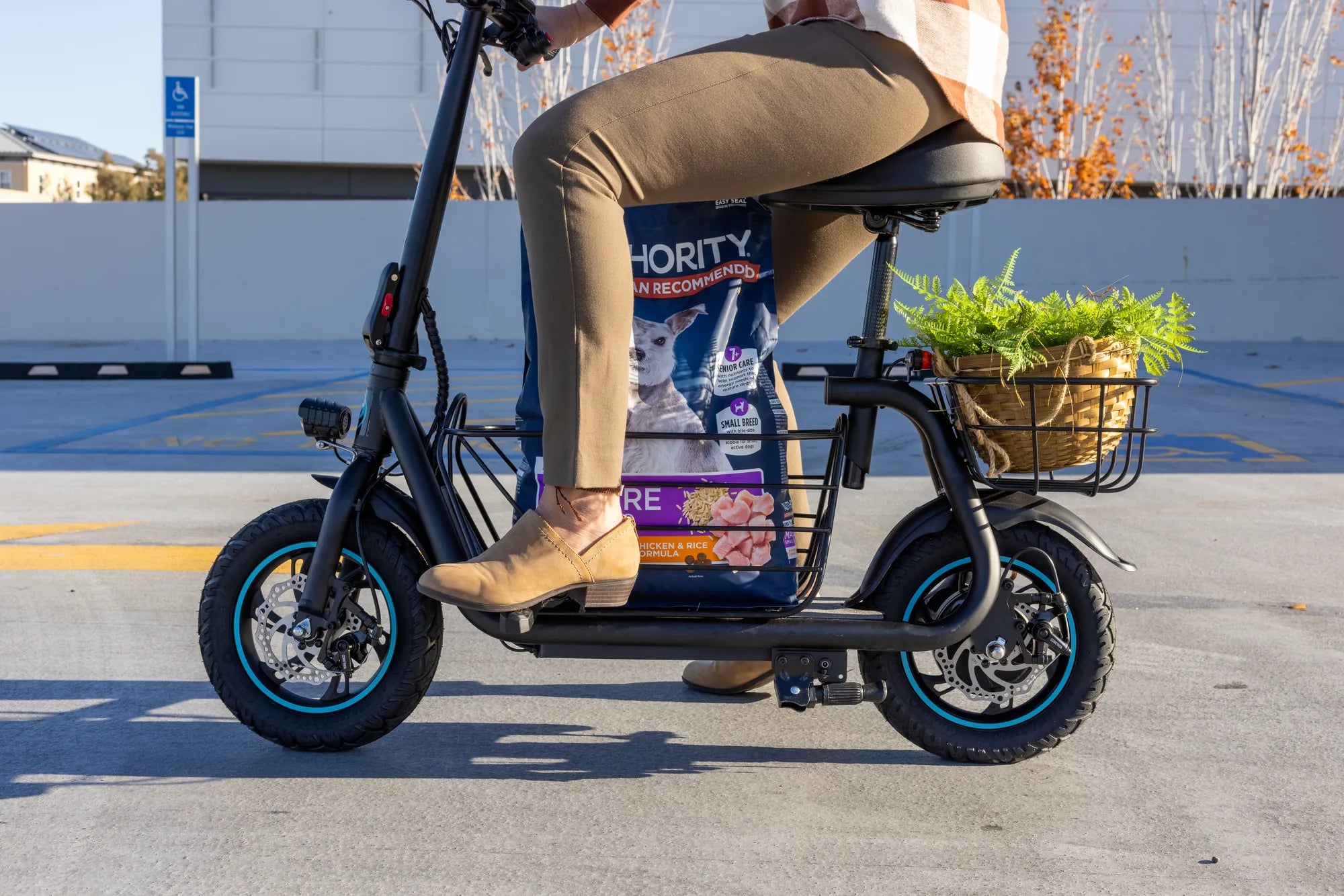
Electric bikes have revolutionized the way we commute, exercise, and explore the outdoors. Among the most debated topics in the e-bike world is the choice between a hub or mid drive electric bike. Each system has its unique advantages and drawbacks, making the decision a matter of personal preference and intended use. Whether you're a daily commuter, a weekend adventurer, or a fitness enthusiast, understanding these two motor types will help you make an informed choice.
What is a Hub Drive Electric Bike?
A hub drive electric bike features a motor integrated into the front or rear wheel hub. This design is simpler and often more affordable, making it a popular choice for entry-level e-bikes. The motor operates independently of the bike's gears, providing consistent power regardless of the gear you're in.
Pros of Hub Drive Systems
- Lower Cost: Hub motors are generally less expensive to manufacture, resulting in more budget-friendly e-bikes.
- Ease of Maintenance: With fewer moving parts, hub motors require less maintenance and are easier to repair.
- Smooth Power Delivery: The motor provides steady assistance, making it ideal for flat terrains and urban commuting.
Cons of Hub Drive Systems
- Less Efficient on Hills: Hub motors can struggle on steep inclines, as they don't leverage the bike's gears.
- Heavier: The motor's placement in the wheel can affect the bike's balance and handling.
- Limited Torque: Hub motors typically offer less torque compared to mid drive systems.
What is a Mid Drive Electric Bike?
A mid drive electric bike positions the motor near the bike's bottom bracket, where the pedals and crankset are located. This design allows the motor to work in tandem with the bike's gears, providing a more natural riding experience, especially on challenging terrains.
Pros of Mid Drive Systems
- Better Hill Climbing: Mid drive motors excel on steep hills by utilizing the bike's gears for optimal power delivery.
- Improved Weight Distribution: The central motor placement enhances balance and handling.
- Higher Efficiency: Mid drives are more energy-efficient, offering longer battery life for the same power output.
Cons of Mid Drive Systems
- Higher Cost: Mid drive e-bikes are typically more expensive due to their complex design.
- More Maintenance: The motor's integration with the drivetrain can lead to increased wear and tear on chains and gears.
- Less Common: Fewer models are available compared to hub drive e-bikes.
Hub or Mid Drive Electric Bike: Which Should You Choose?
The choice between a hub or mid drive electric bike depends on your riding style, budget, and terrain. If you prioritize affordability, simplicity, and flat-terrain commuting, a hub drive might be the better option. However, if you frequently tackle hills, value efficiency, and want a more natural riding feel, a mid drive system could be worth the investment.
Considerations for Commuters
For urban riders, a hub drive electric bike offers a cost-effective and low-maintenance solution. The smooth power delivery is perfect for stop-and-go traffic, and the simpler design means fewer repairs.
Considerations for Off-Road Enthusiasts
If you love mountain biking or exploring rugged trails, a mid drive electric bike provides the torque and efficiency needed to conquer challenging landscapes. The improved weight distribution also enhances control on uneven surfaces.
Final Thoughts
Both hub and mid drive electric bikes have their place in the e-bike market, catering to different needs and preferences. By understanding their strengths and weaknesses, you can select the perfect e-bike to match your lifestyle. Whether you opt for the affordability of a hub motor or the performance of a mid drive, one thing is certain: an electric bike will transform the way you ride.
South Mountain Biking Trails: The Ultimate Guide for Adventure Seekers
Mountain Biking Community Events: The Ultimate Guide to Thrilling Rides and Lasting Connections