



Introduction to Indoor Hoverboards
An indoor hoverboard is a self-balancing, two-wheeled electric scooter specifically designed or well-suited for use in controlled environments like homes, offices, and spacious indoor areas. Once primarily an outdoor novelty, modern hoverboards have evolved into sophisticated personal mobility devices perfect for indoor recreation and practical navigation of larger living spaces. Choosing the right indoor hoverboard transforms it from a simple toy into a source of endless entertainment, light exercise, and a unique way to move around your home.
This guide will provide you with comprehensive knowledge to select, ride, and maintain a hoverboard for indoor use safely. You will learn the critical safety standards, essential features for home use, and step-by-step riding techniques. We'll also explore why brands like Gyroor, with their focus on UL-certified batteries and reliable engineering, are trusted choices for bringing this activity indoors where safety is paramount.
The core appeal of an indoor hoverboard lies in its convenience and year-round accessibility. Unlike outdoor riding, you are not dependent on weather conditions, pavement quality, or specific locations. It offers a controlled, safe environment for learners of all ages to build confidence. For families, it provides an engaging physical activity that promotes balance and coordination right in the living room or basement.
Navigating open floor plans, gliding across hardwood or tile, and enjoying a fun mode of personal transport indoors is now a reality with the right equipment. This guide positions the indoor hoverboard as a legitimate and enjoyable home activity when approached with the correct knowledge and a focus on safety-first products from reputable manufacturers.
Why Choose a Hoverboard for Indoor Use?
Riding a hoverboard indoors offers distinct advantages over outdoor use, primarily centered on safety, consistency, and accessibility. The controlled environment of a home eliminates variables like traffic, pedestrians, uneven sidewalks, and wet or icy conditions that pose significant risks outdoors. This makes it an ideal setting for beginners to master the fundamentals without external pressures or hazards.
Indoor use guarantees year-round usability. Rain, snow, or extreme heat won't interrupt your riding sessions. This consistency is perfect for developing muscle memory and skill progression. An indoor hoverboard becomes a reliable source of entertainment and light physical activity regardless of the season, providing excellent value and constant access to fun.
From a practical standpoint, hoverboards serve as efficient personal transporters within larger homes, apartments, or even spacious offices. Gliding from one room to another, especially in open-concept living areas, can be both fun and functional. It also encourages movement and can be a novel way to complete light chores or simply navigate your space more dynamically.
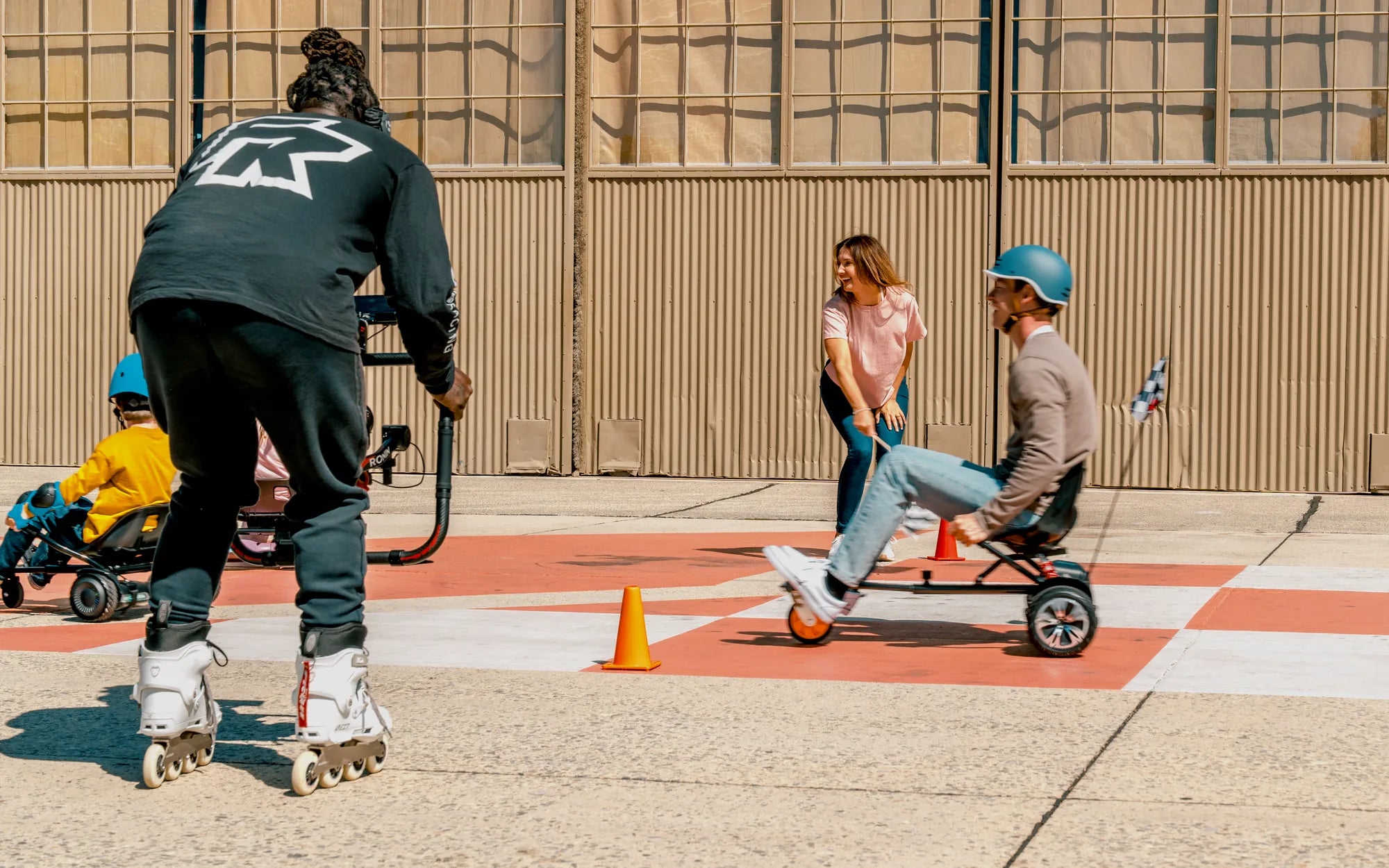
For families, an indoor hoverboard is a shared activity that gets everyone moving. It promotes balance, core strength, and coordination in a safe setting. Supervised practice sessions can be a bonding experience, and setting up simple indoor obstacle courses or games can turn riding into a creative and social pastime, far removed from the risks of public roads or parks.
Key Features to Look for in an Indoor Hoverboard
Not all hoverboards are created equal, especially for indoor application. Specific features become critical when the device will be used primarily inside your home. Prioritizing safety certifications, appropriate tire types, and suitable power specifications will ensure a smooth, secure, and enjoyable experience on your indoor hoverboard.
The build quality should feel robust without being excessively heavy, as you may need to carry it upstairs or store it away. Look for models with clear, responsive control interfaces and beginner-friendly modes that limit top speed, which is a crucial safety feature for indoor environments where space is finite and reaction times must be quick.
UL 2272 Certification: The Non-Negotiable Safety Standard
The UL 2272 certification is the absolute baseline requirement for any hoverboard, full stop. This rigorous standard, developed by Underwriters Laboratories, tests the entire electrical system—battery, charger, and circuitry—for safety against electrical and fire hazards. For an indoor hoverboard, this certification is non-negotiable.
Hoverboards without this certification have a documented history of catastrophic battery failures, including fires and explosions. Bringing such a device into your home is an unacceptable risk. Always verify the UL 2272 mark on both the hoverboard and its charger. Leading brands like Gyroor build all their models with UL-certified battery packs that undergo extensive testing, providing essential peace of mind for indoor use.
Tire Type and Size: Smooth Rides on Hard Floors
For indoor surfaces like hardwood, tile, laminate, and low-pile carpet, solid rubber (airless) tires are the ideal choice. They require no maintenance, won't go flat, and provide a smooth, consistent ride on hard floors. Their firmness offers excellent stability for learning balance and performing precise maneuvers in confined spaces.
Wheel size impacts stability and maneuverability. For indoor use, wheels in the 6.5-inch to 8.5-inch range offer a good balance. Smaller wheels (6.5”-7”) allow for tighter turns and are great for navigating through doorways and around furniture. Larger wheels (8”-8.5”) provide a slightly smoother ride over thresholds and offer more stability, which can benefit beginners. Avoid large, knobby, air-filled tires designed for off-road use, as they are unnecessary and less stable on smooth indoor surfaces.
Weight Limit and Motor Power
A hoverboard's weight capacity directly relates to its durability and performance. For indoor family use, a model with a minimum weight limit of 220 lbs (100 kg) is recommended. This ensures the hoverboard can safely accommodate teenagers and adults, and its construction is robust enough to handle the occasional bump or learning mishap without damage.
Motor power determines responsiveness and hill-climbing ability. For indoor use, where “hills” are limited to small thresholds or transitions between rooms, dual motors in the 250W to 350W range per wheel are perfectly adequate. This configuration provides the smooth, instantaneous torque needed for starting, stopping, and making precise movements. Overly powerful motors are unnecessary indoors and can make the board too twitchy for a beginner in a confined space.
IP Rating and Build Quality
While you don't need full waterproofing for indoor use, a modest Ingress Protection (IP) rating is a good indicator of overall build quality. A rating of IPX4 or higher (like Gyroor's IPX5 rating) means the hoverboard is protected against splashing water from any direction and dust ingress.
This is practical for indoor scenarios like accidental spills, riding on a recently mopped floor, or storage in a dusty basement. It signifies that the manufacturer has paid attention to sealing the electrical components, which contributes to long-term reliability. A well-built hoverboard with good materials will also withstand the minor scrapes and bumps inherent to learning and riding in a home environment.
Top Gyroor Models Perfect for Indoor Riding
Gyroor’s lineup includes several models that excel in indoor environments due to their safety features, smooth ride quality, and user-friendly designs. Here is a comparison of three standout choices, highlighting their suitability for different indoor riders and scenarios.
| Model | Best For | Key Indoor Features | Wheel Size & Type | Weight Limit |
|---|---|---|---|---|
| Gyroor S8 | Beginners & Younger Riders | Beginner/Expert speed modes, lightweight design, easy-learning curve, Bluetooth speaker for fun. | 6.5" Solid Rubber | 220 lbs |
| Gyroor Warrior | Teens & Adults / Open Floor Plans | Robust frame, responsive 300W x2 motors, LED lights for ambiance, superior stability. | 8.5" Solid Rubber | 265 lbs |
| Gyroor S10 | Premium All-Round Experience | Ultra-smooth gyro stabilization, extended battery life for long play sessions, app connectivity for control. | 8.5" Solid Rubber | 220 lbs |
The Gyroor S8 is an excellent entry point. Its lower speed modes allow a new rider to build confidence safely indoors. The 6.5-inch solid rubber tires provide great maneuverability for navigating through hallways and around furniture, making it a perfect first indoor hoverboard for kids and beginners under supervision.
For households with teens and adults or homes with large, open living areas, the Gyroor Warrior shines. Its higher weight capacity and powerful dual 300W motors offer a more dynamic ride for larger riders, while the 8.5-inch wheels provide a stable, smooth glide across expansive hard floors. The robust build can handle more energetic use.
The Gyroor S10 represents the premium tier, focusing on ride refinement and smart features. Its advanced gyro system offers the smoothest balance response, which feels luxurious on indoor surfaces. The extended range is ideal for longer, uninterrupted riding sessions, and features like app-based speed control and ride statistics add a layer of modern convenience to the indoor riding experience.
Creating a Safe Indoor Riding Environment
Your home environment must be intentionally prepared for hoverboard use. A proactive approach to space preparation, gear, and rules is the foundation of safe indoor riding. This process minimizes risk to the rider, other occupants, and your property, ensuring the activity remains fun and accident-free.
The goal is to create a predictable and hazard-free zone. This involves both physical modifications to a space and the establishment of clear behavioral guidelines. Treating your indoor hoverboard practice area with the same seriousness as a home gym or play area sets the right tone for safety from the start.
Pre-Ride Space Preparation
Begin by selecting the largest, clearest open area available, such as a cleared-out basement, garage, or spacious living room. Remove all loose rugs, mats, electrical cords, toys, and other clutter from the floor. These are tripping hazards and can cause a loss of balance if a wheel catches on them.
Ensure the floor surface is smooth, dry, and level. Hardwood, tile, laminate, or sealed concrete are ideal. Check for any significant cracks, transitions between flooring types, or raised thresholds that could disrupt the wheels. Move fragile furniture, floor lamps, and items with sharp corners well away from the intended riding area. Creating a clear “run-off” zone around the practice space is crucial for safe stopping and dismounting.
Essential Safety Gear for Indoor Practice
Safety gear is non-optional, even indoors. A fall onto a hard floor can result in serious injury. At a minimum, every rider should wear a properly fitted helmet designed for skateboarding or multi-impact sports. This protects against the most severe head injuries.
Wrist guards are arguably the second most important piece of gear, as instinct leads people to break falls with their hands, risking sprains or fractures. Knee pads and elbow pads provide critical protection for joints, especially during the learning phase. Investing in a full set of protective gear transforms a potential painful accident into a simple, brushed-off slide, maintaining confidence and encouraging continued practice.
Household Rules and Supervision
Establish and enforce clear household rules for hoverboard use. Key rules should include: absolutely no riding near the top or on stairs; maintaining a safe distance from walls, furniture, and other people; no carrying passengers or pets; and a strict prohibition on riding while holding objects that impair balance.
For children and beginners, active adult supervision is mandatory. The supervisor should be free from distractions (like a phone) and positioned to observe the rider. Set time limits for sessions to prevent fatigue, which leads to loss of concentration and increased risk. Consistent enforcement of these rules ensures that the culture around your indoor hoverboard is one of respect and safety.
Mastering Indoor Hoverboard Skills: A Step-by-Step Guide
Learning to ride a hoverboard indoors is a progressive skill. Following a structured approach in your prepared safe space will build competence and confidence quickly. Patience and repetition are key; mastery comes from consistent, focused practice.
Always start with the hoverboard powered off and against a wall or stable support for your initial mounts. Ensure you are wearing all your safety gear. Power the board on only when you are ready to begin the balancing phase. Most modern boards like Gyroor’s will emit a sound or have indicator lights to signal they are level and ready.
Mounting, Dismounting, and Finding Your Balance
Mounting: Place the hoverboard on a flat, stable surface. Stand directly behind it. Place one foot (usually your dominant foot) firmly on its corresponding footpad, keeping your weight centered over that foot. Use a wall, chair, or helper’s hand for support as you smoothly lift your other foot and place it on the second pad. Try to get both feet on symmetrically and as wide as possible, near the wheel arches.
Finding Balance: Once mounted with both feet, relax your legs slightly. The board’s self-balancing mechanism will activate. Focus on a point in the distance, not your feet. Make tiny adjustments with your ankles to keep the board level. The goal is to find the “neutral” point where the board is stationary. Practice holding this position for increasing durations before attempting to move.
Dismounting: To dismount safely, come to a complete stop. Shift your weight slightly to your dominant foot. Step backwards off the board with your non-dominant foot in a smooth, deliberate motion, then step off with your dominant foot. Always step off backwards or to the side; never try to step forward over the front of the board, as it may shoot out from under you.
Basic Movement: Forward, Backward, and Stopping
Moving Forward: From the balanced neutral position, gently lean forward by applying slight pressure with your toes. Think about leaning your shins forward, not bending at the waist. The board will begin to move. The more you lean, the faster you will go. Start with tiny, controlled leans to inch forward.
Moving Backward: Similarly, to move backward, apply gentle pressure with your heels. Keep your torso upright and use your ankles. Practice transitioning smoothly from a forward motion to a stop, then to backward motion. This “rocking” drill is excellent for learning control.
Stopping: To stop, simply return your feet to a level, neutral position. The board will decelerate smoothly to a halt. Avoid jerking your weight backward to stop from forward motion, as this can cause instability. Practice stopping from very slow speeds first, gradually increasing as your control improves.
Advanced Maneuvers: Turning and Spinning
Turning: Turning is achieved by applying differential pressure with your feet. To turn right, press your toes on your left foot (moving it forward) while pressing your heel on your right foot (moving it backward). The board will pivot to the right. The opposite applies for a left turn. Start with wide, gentle turns, gradually making them tighter as you gain finesse.
Spinning: A stationary spin is a fun and useful advanced maneuver. From a stop, twist your upper body in the direction you want to spin while applying opposite foot pressures (e.g., left toes forward, right heel back for a clockwise spin). The board will rotate in place. Keep your movements smooth and controlled. Mastering these maneuvers in a large, open indoor space allows you to navigate around furniture and through doorways with precision and style on your indoor hoverboard.
Maintenance and Care for Your Indoor Hoverboard
Proper maintenance ensures your hoverboard remains safe, reliable, and fun for years. While indoor use is less taxing than outdoor riding, a simple care routine is essential. Focus on battery management, cleaning, and proper storage to maximize the lifespan of your device.
Always refer to the manufacturer’s manual for specific instructions. Using non-approved chargers or attempting to disassemble the hoverboard can void warranties and create serious safety hazards. The following guidelines are general best practices that apply to quality models like those from Gyroor.
Battery Best Practices
The battery is the heart of your hoverboard and requires careful handling. Always use only the original UL-certified charger provided with the unit. Charge the hoverboard on a hard, non-flammable surface (like a tile floor) in a well-ventilated area, away from direct sunlight, heat sources, and flammable materials like curtains or bedding.
Do not leave the hoverboard plugged in and charging unattended for extended periods, and never charge it overnight while you sleep. Unplug the charger once the indicator shows a full charge (usually a green light). For long-term storage (over a month), partially charge the battery to around 50-60% and store it in a cool, dry place. Recharge it every 2-3 months during storage to prevent deep discharge, which can permanently damage the battery.
Cleaning and Storage
Regular cleaning keeps your hoverboard looking new and prevents dirt from interfering with sensors or moving parts. First, power the board off and disconnect the charger. Use a dry, soft cloth to wipe down the footpads, body, and wheels. For stubborn dirt, slightly dampen the cloth with water—never spray or pour water directly onto the hoverboard.
Avoid using harsh chemicals, solvents, or abrasive cleaners, as they can damage the plastic, rubber, and electronic components. For the wheels, you can use a soft brush to dislodge any hair or fibers that may have wrapped around the axles, especially if you’ve ridden on carpet. Store the hoverboard upright on its kickstand (if equipped) or laid flat in a dry, temperature-stable location, out of reach of young children and away from extreme heat or cold.
Frequently Asked Questions (FAQ)
Q: Is it safe to charge my hoverboard indoors overnight?
A: It is strongly not recommended. Best practice is to charge your hoverboard on a non-flammable surface in a well-ventilated area while you are awake and present. Unplug it immediately once fully charged. This minimizes risk, even with UL 2272-certified batteries like those in Gyroor models. Overnight or unattended charging increases the duration of risk exposure.
Q: Can I ride my hoverboard on carpet?
A: It depends. Low-pile, tightly-woven commercial or indoor-outdoor carpet is usually manageable, but it will require more power from the motors, reduce your battery life per charge, and can feel less stable, especially for turning. Thick, plush carpet is not suitable and can overheat the motors or cause a loss of control. For the best performance and safety, smooth, hard floors are always the ideal surface for an indoor hoverboard.
Q: What age is appropriate for an indoor hoverboard?
A> Most manufacturers recommend hoverboards for riders aged 8 and above, but this is highly dependent on the child’s coordination, maturity, and size. The rider must be able to understand and follow safety rules. For any child, constant adult supervision, a full suite of protective gear, and the use of a beginner/slow speed mode are absolutely essential. The rider’s weight must also be above the board’s minimum requirement (often around 44 lbs).
Q: How do I know if my hoverboard battery needs replacing?
A: Signs of a failing battery include a significantly reduced range per charge (less than 50% of the original), the board not holding a charge for more than a few days, the battery indicator being inaccurate, or the board feeling underpowered. If you suspect an issue, stop using the hoverboard and contact the manufacturer or a qualified technician. Never attempt to open or replace a lithium-ion battery yourself.
Q: What is Gyroor’s warranty and customer support like?
A: Gyroor stands behind its products with a comprehensive 1-year warranty covering manufacturing defects in materials and workmanship. Their customer support team, based in the US, is accessible for troubleshooting, technical questions, and warranty claims. With over 100,000 riders trusting their products across North America and Europe, Gyroor has established a reputation for reliable support and honoring their warranty commitments, providing added confidence for your purchase.
Conclusion: Elevate Your Home Fun Safely
An indoor hoverboard, when chosen and used correctly, offers a unique blend of fun, light exercise, and personal mobility within the safety of your own home. The journey begins with selecting a rigorously tested, UL 2272-certified model from a reputable brand, ensuring the fundamental electrical safety of the device you bring indoors.
By preparing your space, insisting on safety gear, and following a structured learning guide, you transform a potentially risky novelty into a controlled, skill-building activity. Regular maintenance, particularly proper battery care, ensures your investment provides long-lasting enjoyment. The key to unlocking the full potential of your indoor hoverboard is a consistent commitment to safety protocols and responsible riding habits.
Embrace the convenience of year-round riding, the joy of mastering a new skill, and the shared fun it can bring to your household. Start with a model that prioritizes your safety and fits your space. Ready to explore a new way to move and play at home? Browse the full collection of UL-certified, performance-tested hoverboards and personal electric vehicles at gyroorboard.com.
Black Kids Scooter: The Ultimate Guide to Fun and Safety for Young Riders
Christmas Gift for 18 Year Old Girls: Thoughtful and Trendy Ideas