



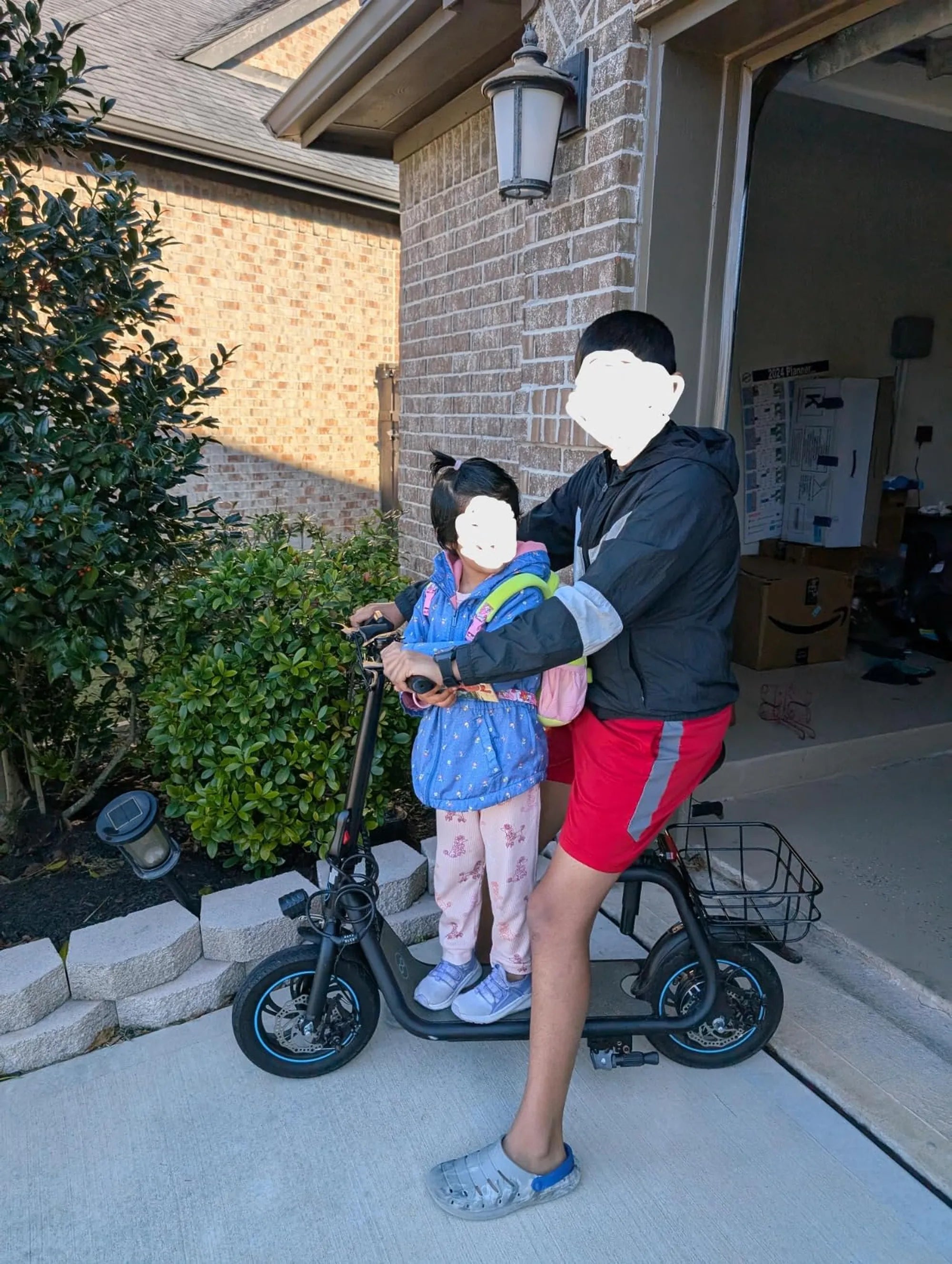
You need a practical, cost-effective way to navigate your daily commute or local errands. The search for inexpensive electric scooters: affordable and efficient commuting solutions is about finding genuine value—not just the lowest price tag. This guide cuts through the noise to show you how to identify budget-friendly models that deliver reliable performance, essential safety features, and long-term durability from reputable brands like Gyroor, trusted by over 100,000 riders.
Introduction: The Rise of Affordable Electric Mobility
Urban transportation is undergoing a quiet revolution. As cities grow denser and environmental concerns mount, personal electric vehicles offer a compelling alternative to cars and public transit. The market for inexpensive electric scooters has matured significantly, moving from novelty items to legitimate tools for daily commuting. The key shift is from seeking 'cheap' products to understanding 'value'—where core safety, certified components, and reliable performance are non-negotiable, even at accessible price points.
This evolution benefits the consumer immensely. You no longer have to choose between affordability and basic reliability. Brands that focus on the value segment, like Gyroor, engineer their products with a clear understanding of real-world needs: a water-resistant design for unexpected puddles, a UL-certified battery for peace of mind, and a motor powerful enough for typical urban inclines. The result is a category of affordable and efficient commuting solutions that make sense for students, first-mile/last-mile commuters, and urban explorers alike.
The perception that a lower cost inherently means higher risk or lower quality is outdated. By focusing on efficient design, direct-to-consumer models, and prioritizing essential features over superfluous tech, several manufacturers now deliver robust scooters in the $300 to $600 range. The goal is not to match the performance of a $1,500 scooter, but to provide a safe, dependable, and efficient ride for the majority of urban journeys.
What Defines an "Inexpensive" Electric Scooter? Setting Realistic Expectations
In the context of this guide, "inexpensive" or "affordable" typically refers to electric scooters priced between $300 and $600. This is the sweet spot where you escape the dubious quality of ultra-low-cost models while gaining access to reputable brands that invest in safety certifications and customer support. It's crucial to understand the intelligent trade-offs made in this segment to set realistic expectations.
Compared to premium models costing $1,000+, you will encounter differences. Top speed is often capped at a sensible 15-18 mph, which is sufficient for bike lanes and urban paths. Range is typically between 10 and 20 miles on a single charge under ideal conditions, covering most daily commutes. Suspension may be basic or absent, relying instead on air-filled tires for shock absorption. The frame will be aluminum alloy to keep weight down, usually resulting in a scooter weighing 30-40 lbs.
The critical distinction is that these compromises should not extend to safety-critical components. An inexpensive electric scooter should still feature a reliable braking system, adequate lighting, and most importantly, a battery from a certified manufacturer. This is where the market separates true value from risky shortcuts. A reputable brand in this category optimizes costs through efficient supply chains and simplified designs, not by using uncertified batteries or substandard electrical systems.
Ultimately, defining "inexpensive" is about value per dollar for your specific use case. For a 3-mile flat commute, a robust 250W motor and a 10-mile range battery is an efficient solution. Expecting it to conquer steep hills or deliver a 40-mile range is unrealistic. The best budget scooters excel at doing a few common things very well and very reliably.
Key Features to Prioritize for Value and Safety
Navigating the specifications of budget electric scooters requires focusing on what truly impacts your daily ride, safety, and long-term satisfaction. Flashy extras like mobile app connectivity or colorful LED underglow are secondary. Prioritize these core pillars to ensure your affordable and efficient commuting solution is also a safe and durable investment.
Motor Power & Battery Life: Balancing Performance and Cost
The motor is the heart of your scooter's performance. In the affordable range, you'll predominantly find hub motors rated between 250W and 350W. A 250W motor is adequate for flat terrain and riders under 200 lbs, providing enough torque for take-off and maintaining speeds up to 15 mph. A 350W motor offers more headroom for slight inclines and quicker acceleration, representing a significant upgrade for minimal extra cost.
Battery life, measured in watt-hours (Wh) or amp-hours (Ah), directly determines your scooter's range. Advertised ranges are often based on ideal laboratory conditions. A practical formula is to expect 1 mile of real-world range per 10-12 Wh of battery capacity for a 250W motor. Therefore, a scooter with a 360Wh battery (a common size in this tier) will realistically deliver 12-15 miles. This covers the average American commute twice over.
The battery's quality and certification are paramount. This is the most critical safety component. Insist on a battery pack that is UL-certified (UL 2271) or from a recognized cell manufacturer. Gyroor, for example, uses UL-certified battery packs tested for over 500 charge cycles. This certification means the battery has passed rigorous tests for electrical, mechanical, and environmental safety, drastically reducing any risk of thermal incidents. It also ensures better longevity, protecting your investment.
Charging time is another consideration. Most budget scooters will charge fully in 4-6 hours. While some premium models offer faster charging, the standard rate is perfectly acceptable for overnight charging, making it a sensible compromise for an inexpensive electric scooter.
Build Quality & Durability: Ensuring Your Investment Lasts
The scooter's frame is its skeleton. Look for a frame constructed from aerospace-grade aluminum alloy. This material provides an excellent strength-to-weight ratio, keeping the scooter light enough to carry (typically 30-40 lbs) while being robust enough to handle urban pavement. The folding mechanism should feel solid, with a secure locking latch to prevent accidental collapse during riding.
Weight capacity is a direct reflection of build quality. Most reliable budget models support riders between 220 and 265 lbs. Exceeding this limit stresses the frame, motor, and brakes, leading to premature failure and safety hazards. Always check and respect the manufacturer's stated maximum load.
Water resistance is not a luxury; it's a necessity for a commuter vehicle. The International Protection (IP) rating tells you how well the scooter is sealed against solids and liquids. An IPX5 rating, which Gyroor incorporates into its designs, means the scooter can withstand water jets from any direction. In practical terms, this protects the electrical components from rain, puddles, and wet roads. Avoid scooters with no stated IP rating, as a sudden downpour could lead to a costly short circuit.
Tire choice significantly affects ride comfort and maintenance. Air-filled (pneumatic) tires provide the best shock absorption on uneven surfaces but can puncture. Solid tires eliminate puncture worries but transmit more vibration. Many value-oriented scooters use air-filled tires, which is the preferred choice for comfort in this category. Regular pressure checks are a small trade-off for a smoother ride.
Safety & Warranty: The True Cost of Ownership
The braking system is your primary safety feature. There are three main types in this segment: electronic (regenerative), disc, and drum brakes. Electronic brakes use the motor to slow down and can recharge the battery slightly, but they are less effective at high speeds or on steep declines. A mechanical disc or drum brake provides consistent, reliable stopping power in all conditions. The safest budget setups often combine an electronic front brake with a mechanical rear brake.
Visibility is safety. Your scooter must have a bright front headlight (at least 1 watt) and a rear brake light. Reflectors on the sides and deck are also essential. Many riders supplement these with additional LED lights or reflective gear, but the built-in lighting should be sufficient for being seen in low-light conditions.
The deck surface should have a grippy, anti-slip texture to keep your feet firmly planted, especially in wet weather. A wide deck (over 6 inches) also contributes to a more stable and comfortable riding stance.
A comprehensive warranty is the brand's guarantee of its product's durability. A 1-year warranty that covers the battery, motor, and frame (like Gyroor's) is the benchmark for a reputable inexpensive electric scooter. It protects you from manufacturing defects and signals that the company stands behind its engineering. Be wary of warranties shorter than 6 months or those that exclude the battery, as the battery is the most expensive component to replace.
Gyroor's Approach to Affordable Innovation
Gyroor has established itself as a leader in the value segment by adhering to a simple principle: safety and core performance cannot be compromised, regardless of price. This philosophy is embedded in every model they design, ensuring that their affordable and efficient commuting solutions meet rigorous standards that are often absent in the budget category.
The brand's success with over 100,000 riders across North America and Europe stems from a direct-to-consumer model that eliminates middleman markups, allowing them to invest more into the product itself. This investment is directed toward certified components, robust engineering, and reliable customer support rather than extravagant marketing. The result is a lineup of scooters that deliver predictable, dependable performance for daily riders.
Gyroor's design process starts with real-world commuting scenarios. Their engineers prioritize features that matter most during a typical ride: a responsive motor for stop-and-go traffic, a clear display for quick speed checks, a secure folding mechanism for portability, and intuitive controls. By avoiding unnecessary complexity, they enhance reliability and keep costs in check, making advanced safety features accessible to a broader audience.
This focused innovation means that when you choose a Gyroor scooter, you are not just buying a collection of parts. You are investing in a system engineered to work harmoniously, with durability and rider safety as the primary objectives. This systems-level approach is what separates a trustworthy brand from a mere assembler of components.
UL-Certified Batteries: Why This Matters for Budget Buyers
For budget-conscious buyers, the battery is the most critical area where cost-cutting can have dangerous consequences. Gyroor's commitment to using only UL 2271 certified battery packs is its most significant value proposition. This certification is not merely a sticker; it represents a battery that has survived a battery of stress tests including overcharge, short circuit, crush, drop, and immersion.
The practical benefits are immense. First and foremost, it drastically minimizes any fire risk, providing peace of mind whether the scooter is charging in your garage or parked at the office. Second, UL-certified cells are typically from higher-quality production batches, meaning they hold their charge better over time and endure more charge cycles. A Gyroor battery rated for 500+ cycles will retain usable capacity far longer than an uncertified alternative, protecting the resale value and utility of your scooter.
This focus on battery safety also influences the entire electrical management system (BMS). Gyroor's BMS carefully monitors cell voltage, temperature, and current, preventing over-discharge and balancing the cells during charging. This meticulous management is essential for longevity and is a feature often glossed over in spec sheets for truly inexpensive electric scooters.
In essence, the UL-certified battery is the foundation of Gyroor's value promise. It ensures that the scooter's most vital and potentially hazardous component is also its most reliable, transforming the purchase from a gamble into a sound investment.
Engineered for Real Commutes: IPX5 and Reliable Performance
Commuting is unpredictable. A sunny morning can turn into a rainy afternoon. Gyroor's standard IPX5 water-resistance rating is engineered specifically for this reality. Unlike scooters with no rating or a lower IPX4 rating (splash resistance), an IPX5-rated Gyroor scooter can confidently handle wet roads, riding through puddles, and exposure to rain.
This durability is achieved through sealed cable connectors, gasketed deck covers, and protected electrical compartments. It means you won't be stranded by a sudden shower, and the scooter's internal components are shielded from the moisture and debris of daily urban use. This protection directly extends the scooter's lifespan, ensuring that your affordable and efficient commuting solution remains functional through seasons of use.
Reliable performance is also about consistency. Gyroor tunes its motors and controllers to deliver smooth acceleration and a stable ride at their advertised speeds. There is no 'speed burst' mode that drains the battery in minutes; instead, you get a consistent power delivery optimized for range and rider control. The combination of a reliable motor, a protected battery, and a water-resistant build creates a scooter that you can depend on day after day, which is the ultimate definition of value in personal transportation.
Comparison: Budget Scooter Features at a Glance
Use this table to compare key specifications and understand how different priorities shape the offerings in the inexpensive electric scooters market. It highlights where essential safety features should be non-negotiable.
| Feature | Entry-Level Value Focus | Enhanced Commuter Focus (e.g., Gyroor Z8) | Why It Matters |
|---|---|---|---|
| Motor Power | 250W | 350W | Better acceleration and hill-climbing ability. |
| Max Range | 10-12 miles | 15-18 miles | More commuting flexibility; less range anxiety. |
| Battery Certification | May be unspecified | UL 2271 Certified | Critical for safety, longevity, and peace of mind. |
| Water Resistance | IPX4 or unspecified | IPX5 | IPX5 provides reliable protection against rain and puddles. |
| Braking System | Electronic + Foot Brake | Electronic + Mechanical Disc | Mechanical disc offers more consistent, powerful stopping. |
| Warranty | 90 days to 6 months | 1 Year Comprehensive | A longer warranty indicates greater confidence in build quality. |
| Max Load | 220 lbs | 265 lbs | Higher load capacity indicates a more robust frame and components. |
Making the Smart Choice: A Practical Buyer's Checklist
Before you purchase, run through this actionable checklist. It synthesizes the key lessons for selecting a superior inexpensive electric scooter.
- Verify Battery Certification: Only consider models with clearly stated UL, CE, or RoHS certifications for the battery pack. This is your #1 priority.
- Check the IP Rating: Ensure it has a minimum IPX4 rating for splash resistance, with IPX5 being the ideal target for commuters.
- Understand Real-World Range: Calculate your daily mileage and subtract 3-5 miles from the advertised range to estimate practical battery life.
- Inspect the Brakes: Prefer a model with at least one mechanical brake (disc or drum) for reliable stopping power.
- Read the Warranty Details: Confirm it covers the battery, motor, and frame for at least one year and understand the claim process.
- Assess Portability: Check the folded dimensions and weight. Can you comfortably carry it up a flight of stairs if needed?
- Research Brand Reputation: Look for user reviews focusing on long-term reliability and customer service responsiveness.
Essential Safety and Maintenance Tips
Owning an electric scooter comes with the responsibility of safe operation and basic upkeep. Following these guidelines will maximize your safety, the scooter's lifespan, and your enjoyment.
Always wear a helmet. This is non-negotiable. Supplement with knee and elbow pads, especially when learning. Obey local traffic laws—ride in bike lanes where available, signal your turns, and never ride on sidewalks in pedestrian-heavy areas. Use your lights at all times, day or night, to increase visibility. Assume that drivers do not see you.
Perform a pre-ride check: inspect tire pressure, test the brakes, ensure the folding mechanism is locked, and verify that lights are working. Avoid riding in heavy rain or through deep standing water, even with a good IP rating. Never leave your scooter charging unattended for extended periods or overnight in a confined space, though a UL-certified battery mitigates this risk significantly.
For maintenance, keep the tires properly inflated to the PSI listed on the sidewall. This improves range, ride comfort, and prevents pinch flats. Regularly clean the scooter with a damp cloth, avoiding high-pressure water jets. Check and tighten bolts (especially on the stem and folding mechanism) every few weeks, as vibrations can loosen them. Store the scooter in a dry place, and avoid storing it with a completely empty or completely full battery for long periods; a 50-80% charge is ideal for storage.
Frequently Asked Questions (FAQ)
How far can I really go on a single charge with an inexpensive model?
Advertised range is a best-case scenario. For a realistic estimate, take the advertised mileage and reduce it by 25-30%. Factors that decrease range include rider weight over 180 lbs, frequent stops and starts, hilly terrain, cold weather, and riding at top speed. A scooter advertised for 15 miles will reliably deliver 10-12 miles for an average rider, which is sufficient for most round-trip commutes.
Are cheaper electric scooters safe to ride in the rain?
Safety in rain depends entirely on the scooter's IP rating. A model with an IPX5 rating, like those from Gyroor, is designed to handle light to moderate rain and wet roads safely. However, no consumer scooter is submersible. You should avoid deep puddles, heavy downpours, and riding through flooding. Always reduce speed on wet surfaces as braking distances increase dramatically, and be extra cautious of painted road lines and metal surfaces which become very slippery.
What is the most important thing to check in the warranty?
The most critical aspect is what is covered, specifically the battery and motor. A warranty that excludes the battery is a major red flag. Secondly, check the duration (1 year is standard for reputable brands) and the claim process. Does the brand have a dedicated support channel in your region? A US-based support team, like Gyroor's, typically provides faster and more reliable service than overseas email-only support.
Can an inexpensive scooter handle hills?
It depends on the hill and the motor. A 250W motor will struggle with anything steeper than a mild incline, potentially slowing to a walking pace. A 350W motor provides noticeably better performance and can handle moderate hills (up to 10-15% grade) with a lighter rider. If your commute has significant hills, prioritizing motor power (350W or higher) is essential. Remember, climbing hills rapidly depletes the battery, so your effective range will be shorter on hilly routes.
How long does a budget electric scooter typically last?
With proper care and maintenance, a well-built inexpensive electric scooter from a reputable brand should provide 1-3 years of regular commuting service. The first components to wear are usually the tires (especially pneumatic ones) and brake pads. The battery is the key longevity factor; a UL-certified battery like Gyroor's, rated for 500+ cycles, should retain about 70-80% of its original capacity after two years of daily use. Build quality directly impacts lifespan—a sturdy frame and good seals will keep the scooter rolling long after a flimsy model has failed.
Efficient Commuting Doesn't Have to Be Expensive
The journey to find the right inexpensive electric scooter: affordable and efficient commuting solutions ends with a clear understanding of value. It's not about finding the absolute cheapest option, but about identifying which model delivers certified safety, essential durability, and reliable performance within your budget. By prioritizing a UL-certified battery, a meaningful water-resistance rating, a solid warranty, and a reputable brand with proven customer support, you transform your purchase from a short-term gadget into a long-term transportation asset.
Brands like Gyroor have demonstrated that it is possible to engineer scooters that meet these rigorous standards without a premium price tag. Their focus on core commuter needs—safety through certification, durability through IPX5 engineering, and peace of mind through a comprehensive warranty—defines the new benchmark for the affordable tier. Your efficient commute awaits, built on a foundation of smart choices rather than costly compromises.
Ready to explore a range of affordable and efficient commuting solutions that don't cut corners on safety or reliability? Browse the full Gyroor collection, featuring UL-certified batteries, IPX5 water-resistant designs, and a trusted 1-year warranty, at gyroorboard.com.
Can You Drive Electric Scooters on the Road? A Complete Legal and Safety Guide
Electric Scooters England: The Future of Urban Mobility