



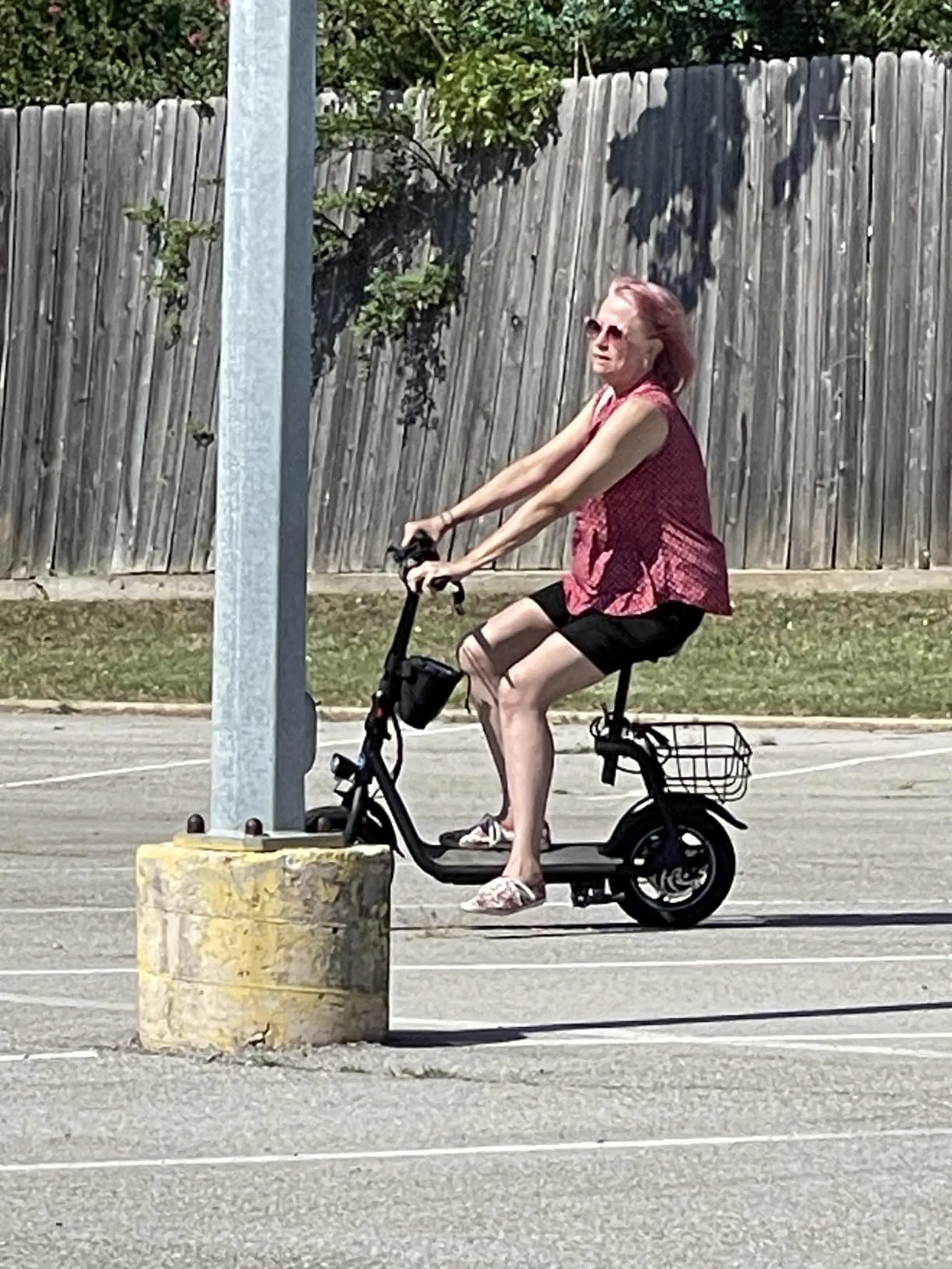
When it comes to hitting the open road, the debate between trikes and motorcycles often centers on one critical question: which is safer? Whether you're a seasoned rider or a newcomer, understanding the safety dynamics of these two-wheeled and three-wheeled machines can make all the difference in your riding experience.
Stability: The Core Difference
The most obvious distinction between a trike and a motorcycle is the number of wheels. A trike's three-wheel design inherently offers greater stability, especially at low speeds or when coming to a stop. Unlike motorcycles, which require balance and skill to keep upright, trikes eliminate the risk of tipping over when stationary. This makes them an attractive option for riders who may struggle with balance or have physical limitations.
Handling and Maneuverability
While trikes excel in stability, motorcycles often have the upper hand in maneuverability. Motorcycles can lean into turns, allowing for sharper handling and quicker responses. Trikes, on the other hand, require a different approach to cornering, as they don't lean. This can take some getting used to, especially for riders transitioning from two wheels to three. However, trikes are less likely to skid or lose traction in wet conditions, thanks to their wider footprint.
Accident Statistics and Real-World Safety
Studies and accident reports suggest that trikes may have a lower risk of certain types of crashes, such as single-vehicle accidents caused by loss of balance. However, their larger size and different handling dynamics can pose challenges in high-speed scenarios or tight traffic. Motorcycles, while more agile, are also more vulnerable to collisions due to their smaller profile and the need for constant balance.
Rider Experience and Skill Level
For beginners, a trike can be a safer introduction to riding, as it reduces the learning curve associated with balance and low-speed control. Experienced riders, however, may prefer the agility and responsiveness of a motorcycle, provided they have the skills to handle it safely. Both options require proper training, but the type of training differs significantly.
Environmental and Road Conditions
Tend to perform better on uneven or slippery surfaces due to their added stability. Motorcycles, while more nimble, can be trickier to handle in adverse weather or on poorly maintained roads. If you frequently ride in challenging conditions, a trike might offer a safer and more predictable experience.
Personal Preference and Comfort
Safety isn't just about numbers—it's also about how comfortable and confident you feel on your ride. Some riders find the stability of a trike reassuring, while others thrive on the dynamic control of a motorcycle. Your choice should align with your riding style, physical abilities, and the type of journeys you plan to take.
Whether you opt for a trike or a motorcycle, the key to safety lies in proper training, awareness, and respect for the road. Both have their unique advantages, and the best choice depends on your individual needs and preferences. So, which will it be—the steadfast trike or the agile motorcycle? The answer might just redefine your riding adventures.
Can You Take a Mobility Scooter on a Plane? Everything You Need to Know
6000W Scooter Dual Motor: The Ultimate Powerhouse for Urban Commuting