


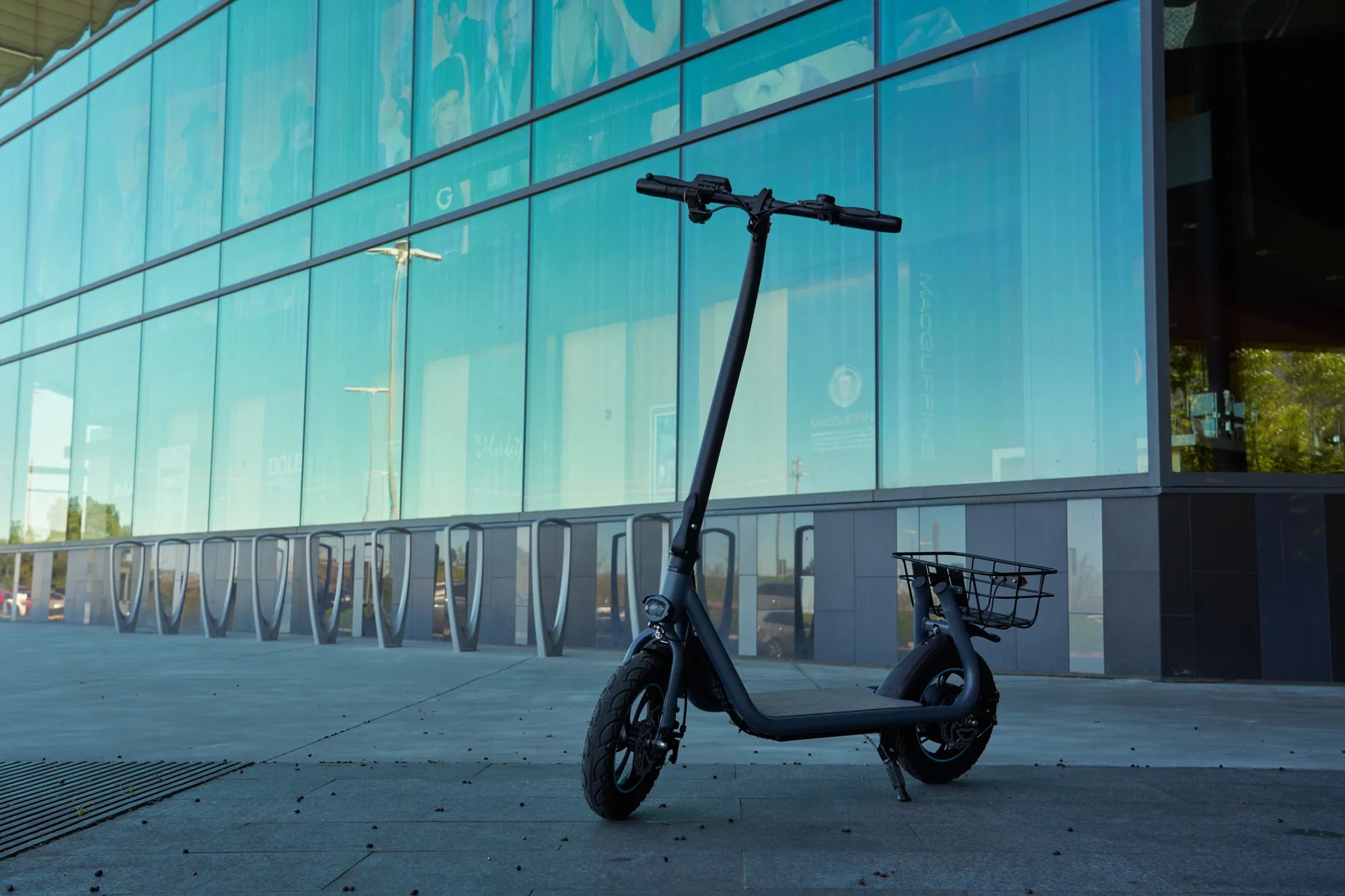
Electric scooters, or e-scooters, have surged in popularity as a convenient and eco-friendly mode of urban transportation. But as they zip through city streets, a critical question arises: Is an e-scooter a motor vehicle? The answer isn't as straightforward as you might think, and it carries significant legal and practical consequences for riders, lawmakers, and urban planners alike.
Defining Motor Vehicles: What Does the Law Say?
To determine whether an e-scooter qualifies as a motor vehicle, we must first examine how motor vehicles are defined in legal frameworks. Most jurisdictions define a motor vehicle as a self-propelled device designed for transporting people or goods on public roads. This definition typically includes cars, trucks, and motorcycles—but where do e-scooters fit in?
In many regions, e-scooters fall into a gray area. Some laws explicitly exclude low-power electric devices from the motor vehicle category, while others classify them similarly to mopeds or bicycles. For example, in certain U.S. states, e-scooters with a top speed below 20 mph are not considered motor vehicles, whereas in others, they may require registration or a driver's license.
The Role of Speed and Power in Classification
One of the key factors influencing whether an e-scooter is deemed a motor vehicle is its speed and power output. Devices with higher wattage or faster speeds are more likely to be classified as motor vehicles. For instance, an e-scooter with a 500-watt motor and a top speed of 30 mph may be treated differently under the law compared to a 250-watt model capped at 15 mph.
This distinction matters because motor vehicle classification often triggers additional requirements, such as:
- Registration with local authorities
- Mandatory insurance coverage
- Helmet and safety gear regulations
- Restrictions on where the vehicle can operate (e.g., bike lanes vs. roads)
Global Perspectives on E-Scooter Regulations
The legal status of e-scooters varies widely across the globe. In some European countries, e-scooters are classified as personal light electric vehicles (PLEVs) and are subject to specific rules, such as speed limits and age restrictions. In contrast, parts of Asia have stricter regulations, often requiring licenses or outright banning e-scooters from certain areas.
This patchwork of regulations highlights the challenges of integrating e-scooters into existing transportation systems. Without uniform standards, riders may face confusion—or even legal penalties—when traveling across jurisdictions.
Safety Concerns and Public Infrastructure
Beyond legal definitions, the debate over whether e-scooters are motor vehicles also hinges on safety. Critics argue that e-scooters, especially those capable of higher speeds, pose risks to pedestrians and other road users. Proponents, however, see them as a sustainable alternative to cars, reducing traffic congestion and emissions.
To address these concerns, cities are experimenting with dedicated lanes, parking zones, and speed limits for e-scooters. These measures aim to strike a balance between promoting micromobility and ensuring public safety.
The Future of E-Scooter Legislation
As e-scooter technology evolves, so too will the laws governing their use. Policymakers are under pressure to clarify their status, whether as motor vehicles or a distinct category. Clear regulations could encourage responsible riding while fostering innovation in urban mobility.
For now, riders should stay informed about local laws to avoid fines or legal trouble. And as cities adapt to the rise of e-scooters, one thing is certain: this debate is far from over.
Whether you're a daily commuter or a curious observer, the question of whether e-scooters are motor vehicles affects us all. Stay tuned as this dynamic landscape continues to shift—and consider how these sleek, silent machines might reshape the future of transportation.
How Fast Is an E Scooter: Exploring Speed, Safety, and Performance
Best Electric Scooters Under $600: Range, Speed, and Flexibility