

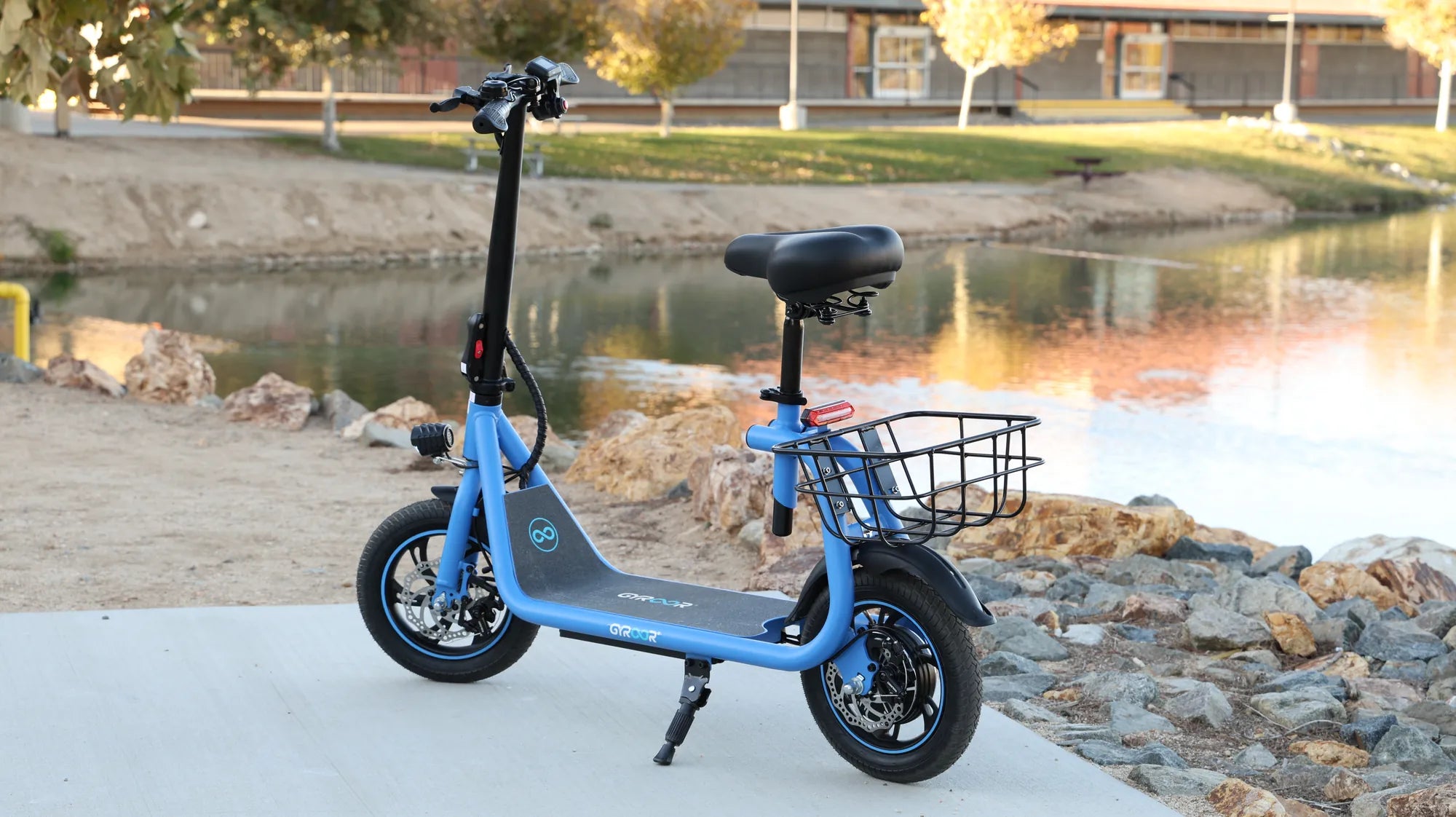
Electric bikes have surged in popularity, offering an eco-friendly and efficient alternative to traditional transportation. But as their use grows, so does the confusion: is an electric bike a motor vehicle? The answer isn’t as straightforward as you might think. Depending on where you live, how your e-bike functions, and local regulations, the classification can vary significantly. Let’s break down the key factors that determine whether your e-bike falls under the motor vehicle category—and why it matters.
Understanding the Basics: What Defines a Motor Vehicle?
Before diving into e-bikes, it’s essential to understand what qualifies as a motor vehicle. Generally, a motor vehicle is defined as a self-propelled machine designed for transporting people or goods on public roads. This includes cars, motorcycles, trucks, and buses. Most jurisdictions classify motor vehicles based on factors like engine power, speed capabilities, and whether they require registration or licensing.
How Are Electric Bikes Classified?
Electric bikes, or e-bikes, blur the lines between traditional bicycles and motorized vehicles. Unlike motorcycles or scooters, e-bikes typically provide pedal assistance rather than full throttle power. Most regions categorize e-bikes into three classes:
- Class 1: Pedal-assist only, with no throttle, and a maximum assisted speed of 20 mph.
- Class 2: Throttle-assisted, with a maximum speed of 20 mph.
- Class 3: Pedal-assist only, with a maximum assisted speed of 28 mph.
These classifications help determine whether an e-bike is treated as a bicycle or a motor vehicle under local laws.
Legal Definitions: When Does an E-Bike Become a Motor Vehicle?
Laws vary widely by country and even by state or province. In many places, e-bikes that meet specific criteria (such as limited power output and speed) are exempt from motor vehicle regulations. However, if an e-bike exceeds certain thresholds—such as a higher wattage motor or faster speeds—it may be classified as a moped, scooter, or even a motorcycle, requiring registration, insurance, and a driver’s license.
For example, in the U.S., federal law defines low-speed electric bicycles as having motors under 750 watts and a top speed of 20 mph on level ground. These are not considered motor vehicles at the federal level, but states can impose additional rules.
Why the Classification Matters
Whether an e-bike is labeled a motor vehicle affects everything from where you can ride it to the legal requirements you must follow. If classified as a motor vehicle, you might need:
- A valid driver’s license
- Vehicle registration and insurance
- Compliance with traffic laws specific to motorized vehicles
On the other hand, if your e-bike is considered a bicycle, you can enjoy bike lanes, avoid registration fees, and ride without a license in most areas.
Safety and Infrastructure Considerations
The debate over e-bike classification isn’t just about legality—it’s also about safety and infrastructure. As e-bikes grow faster and more powerful, questions arise about whether they belong on bike paths or roads. Some argue that higher-speed e-bikes should be treated like motor vehicles to prevent accidents with pedestrians and traditional cyclists. Others believe that over-regulation could stifle the growth of sustainable transportation.
The Future of E-Bike Regulations
As technology evolves, so will the laws governing e-bikes. Lawmakers are continually reassessing how to balance innovation with public safety. Some regions are introducing new categories for e-bikes, while others are tightening restrictions on high-powered models. Staying informed about local regulations is crucial for riders to avoid fines and ensure they’re using their e-bikes legally.
So, is an electric bike a motor vehicle? The answer depends on where you ride and how your e-bike is designed. One thing’s for sure: as e-bikes continue to revolutionize urban mobility, the conversation around their classification is far from over. Whether you’re a daily commuter or a weekend rider, understanding these distinctions can help you navigate the rules—and enjoy the ride.
Downhill Mountain Biking New York: Thrills, Trails, and Adrenaline
Downhill Mountain Biking New York: Thrills, Trails, and Adrenaline