

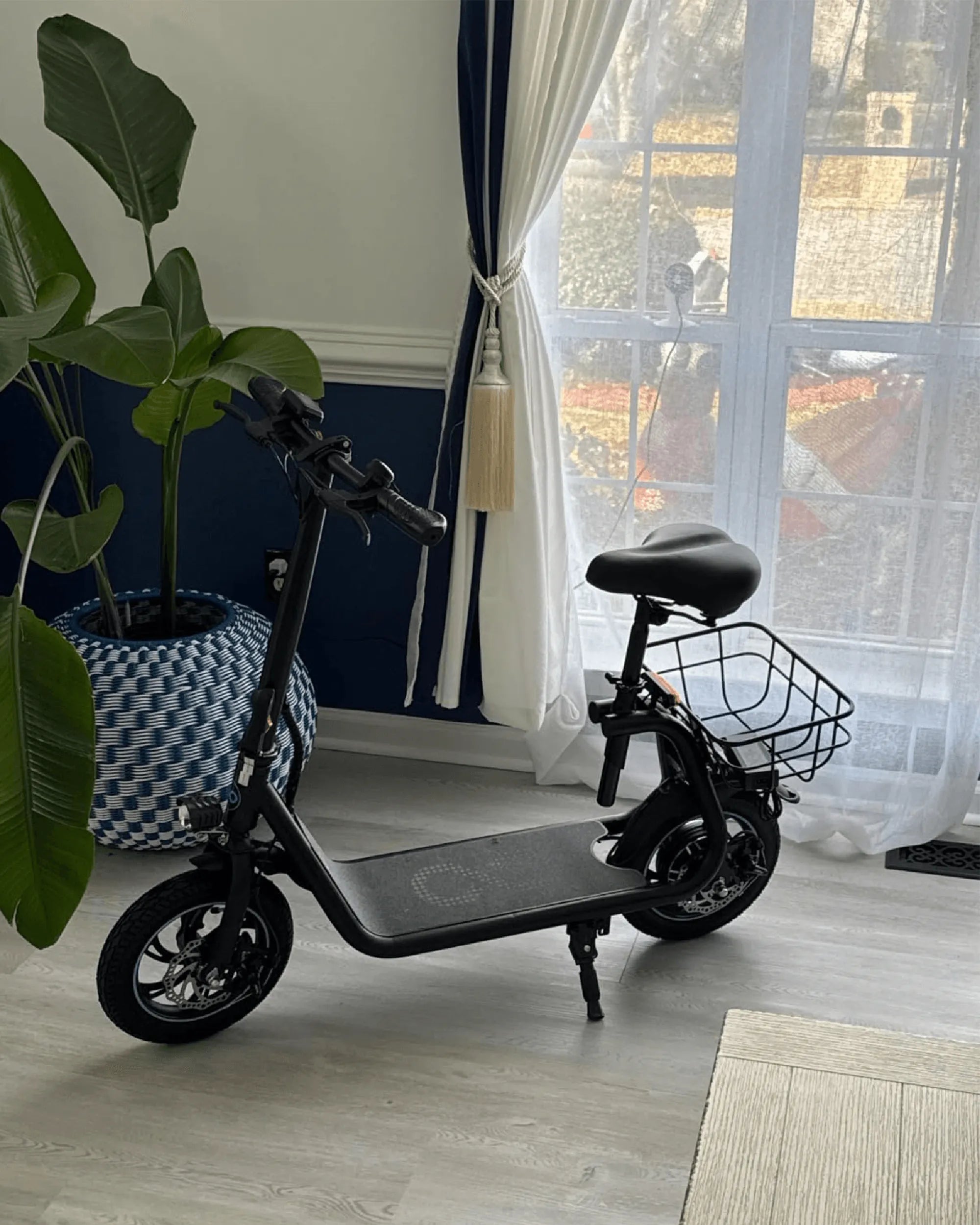
Electric bikes have revolutionized urban commuting, offering an eco-friendly and efficient alternative to traditional transportation. But one question lingers: Is an electric bike considered a vehicle? The answer isn't as straightforward as you might think. Depending on where you live, the laws governing e-bikes vary widely, affecting everything from where you can ride to whether you need a license. Let's dive into the legal and practical implications of this classification.
What Defines a Vehicle?
Before determining whether an e-bike is a vehicle, we must first understand what constitutes a vehicle. Generally, a vehicle is any device used to transport people or goods. This broad definition includes cars, motorcycles, bicycles, and even horse-drawn carriages. However, the specifics depend on local regulations. Some jurisdictions classify e-bikes as bicycles, while others treat them as motor vehicles.
How Are Electric Bikes Classified?
Most regions classify e-bikes based on their speed, power, and whether they require pedaling. Here are the common categories:
- Class 1: Pedal-assist e-bikes with a maximum speed of 20 mph.
- Class 2: Throttle-operated e-bikes with a top speed of 20 mph.
- Class 3: Pedal-assist e-bikes with a maximum speed of 28 mph.
In many areas, Class 1 and 2 e-bikes are treated like traditional bicycles, while Class 3 e-bikes may face stricter regulations, such as helmet requirements or restricted access to bike lanes.
Legal Implications of E-Bikes Being Vehicles
If an e-bike is classified as a vehicle, riders may need to follow additional rules, such as:
- Obtaining a license or registration.
- Adhering to traffic laws applicable to motor vehicles.
- Paying road taxes or insurance fees.
These requirements can vary significantly by country, state, or even city, making it essential for riders to check local laws before hitting the road.
Safety Considerations
Whether e-bikes are considered vehicles or not, safety should always be a priority. Riders should:
- Wear helmets, even if not legally required.
- Use lights and reflectors for visibility.
- Follow traffic signals and yield to pedestrians.
As e-bikes become faster and more powerful, the debate over their classification will likely intensify, with safety being a key factor in future regulations.
The Environmental and Economic Impact
One of the biggest advantages of e-bikes is their low environmental impact. They produce zero emissions and reduce traffic congestion. If classified as vehicles, e-bikes could benefit from infrastructure improvements, such as dedicated lanes or charging stations. However, stricter regulations could also deter potential riders, slowing the adoption of this sustainable transportation option.
As cities worldwide grapple with traffic congestion and pollution, e-bikes offer a promising solution. But their classification as vehicles remains a gray area. Whether you're a daily commuter or a weekend rider, understanding your local e-bike laws is crucial. The future of urban mobility may very well depend on how we define and regulate these innovative machines.
36V Battery with Charger for E-Bike Conversion Reviews: The Ultimate Guide
Rechargeable Battery for Bike: The Ultimate Guide to Powering Your Ride