


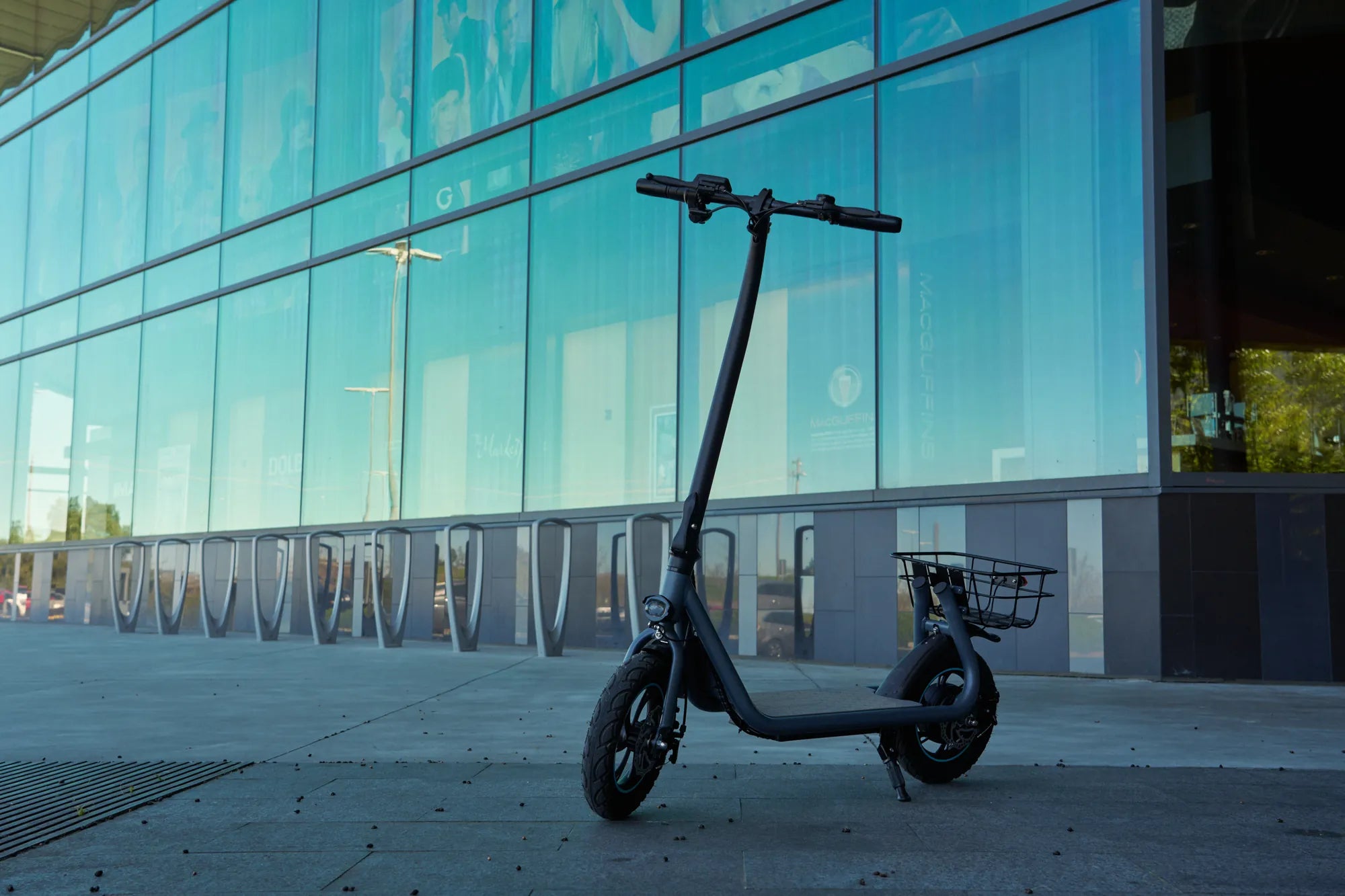
Electric bikes are revolutionizing urban transportation, offering an eco-friendly and efficient way to navigate cities. But with their rise in popularity comes confusion—is an electric bike illegal? The answer isn’t straightforward, as laws vary by region, classification, and intended use. Whether you’re a commuter or a recreational rider, understanding e-bike regulations is crucial to avoid fines and stay safe on the road.
What Defines an Electric Bike?
Before diving into legality, it’s important to understand what qualifies as an electric bike. Most jurisdictions classify e-bikes based on three key factors:
- Motor Power: Typically measured in watts, with limits ranging from 250W to 750W.
- Speed Capability: Many regions cap e-bike speeds at 20 mph (32 km/h) or 28 mph (45 km/h) when using motor assistance.
- Pedal Assistance: Some e-bikes require pedaling to engage the motor, while others offer throttle-only operation.
Are Electric Bikes Legal on Roads?
In most places, e-bikes that meet specific criteria are treated similarly to traditional bicycles. However, laws differ significantly:
- United States: The federal government classifies e-bikes into three categories (Class 1, 2, and 3), each with distinct rules. States and cities may impose additional restrictions.
- European Union: E-bikes with motors up to 250W and speeds under 15.5 mph (25 km/h) are generally legal without registration or licensing.
- Australia: Regulations vary by state, but most allow e-bikes with motors under 250W and speed limits of 15.5 mph (25 km/h).
Where Are Electric Bikes Prohibited?
Even if e-bikes are legal in your area, certain restrictions may apply:
- Bike Paths & Trails: Some trails ban motorized vehicles, including e-bikes.
- Sidewalks: Riding an e-bike on sidewalks may be illegal in urban areas.
- Public Parks: Local ordinances might restrict e-bike use in parks.
What Happens If You Ride an Illegal E-Bike?
Using an unregistered or overpowered e-bike can lead to:
- Fines: Penalties vary but can be substantial.
- Confiscation: Authorities may impound non-compliant e-bikes.
- Legal Consequences: In extreme cases, riders could face misdemeanor charges.
How to Ensure Your E-Bike Is Legal
To stay compliant, follow these steps:
- Check Local Laws: Research regulations in your city, state, or country.
- Verify Specifications: Ensure your e-bike’s motor power and speed align with legal limits.
- Use Proper Gear: Some regions require helmets, lights, or reflectors.
Electric bikes offer a convenient and sustainable way to travel, but riding one without knowing the law can land you in trouble. By understanding the rules and choosing a compliant model, you can enjoy the benefits of e-biking without legal headaches. Ready to hit the road? Make sure your ride is on the right side of the law!
5 Reasons to Switch to an Electric Bike Today for a Greener and Smarter Commute
China Electric Trike for Sale: The Future of Urban Mobility