



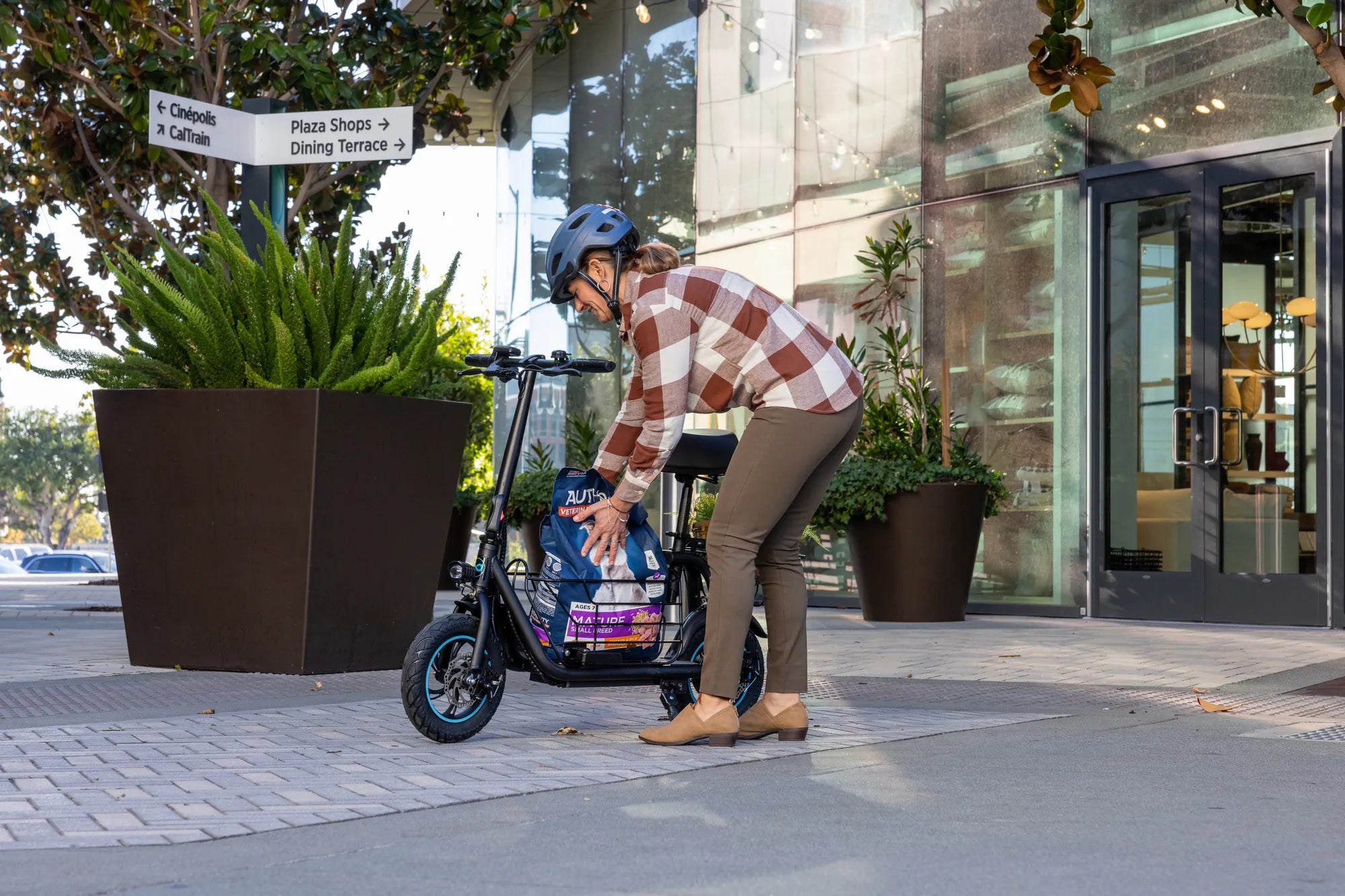
Imagine gliding through city streets with ease, bypassing traffic jams, and reducing your carbon footprint—all while getting a workout. Electric bikes are making this vision a reality for millions of riders worldwide. But is electric bike giving to their users more than just a convenient ride? Let’s dive into the benefits, challenges, and future of e-bikes.
The Rise of Electric Bikes
Electric bikes have surged in popularity over the past decade, becoming a staple in urban transportation. Unlike traditional bicycles, e-bikes come equipped with a battery-powered motor that assists pedaling, making uphill climbs and long distances less daunting. This innovation has opened cycling to a broader audience, including those who may have previously avoided biking due to physical limitations or hilly terrain.
Environmental Benefits
One of the most compelling reasons to adopt an electric bike is its positive environmental impact. E-bikes produce zero emissions during operation, unlike cars and motorcycles that rely on fossil fuels. By replacing short car trips with e-bike rides, riders can significantly reduce their carbon footprint. Studies show that if just 15% of urban car trips were replaced by e-bikes, city-wide emissions could drop by nearly 12%.
Health and Fitness Advantages
Contrary to the misconception that e-bikes require no effort, riders still engage in physical activity. The pedal-assist feature encourages movement while reducing strain, making it an excellent option for those easing into fitness or recovering from injuries. Regular e-bike use can improve cardiovascular health, boost endurance, and even aid in weight management.
Cost-Effectiveness
Compared to cars, electric bikes are far more affordable to purchase, maintain, and operate. With no need for gasoline, insurance, or expensive repairs, e-bikes offer substantial long-term savings. Charging an e-bike battery costs just pennies per ride, making it a budget-friendly alternative for daily commuting.
Challenges and Considerations
Despite their advantages, electric bikes face challenges such as limited battery range, charging infrastructure, and varying regulations. Some cities have strict rules regarding e-bike speed and where they can be ridden, which can deter potential users. Additionally, the initial cost of high-quality e-bikes may be prohibitive for some, though prices are gradually decreasing as technology advances.
The Future of Electric Bikes
As technology improves, e-bikes are expected to become even more efficient, affordable, and integrated into urban planning. Innovations like swappable batteries and smart connectivity are already enhancing the rider experience. Governments and businesses are also investing in bike-friendly infrastructure, such as dedicated lanes and charging stations, to support the growing e-bike movement.
Electric bikes aren’t just a passing trend—they’re a transformative force in transportation. By offering a cleaner, healthier, and more economical way to get around, e-bikes are empowering riders to rethink their daily commutes. Whether you’re a fitness enthusiast, an eco-conscious traveler, or simply looking for a smarter way to navigate your city, the electric bike revolution has something to give to you.
Mountain Biking in the City: An Urban Adventure Like No Other
Mt Sutro Mountain Biking: Trails, Tips, and Thrills for Every Rider