

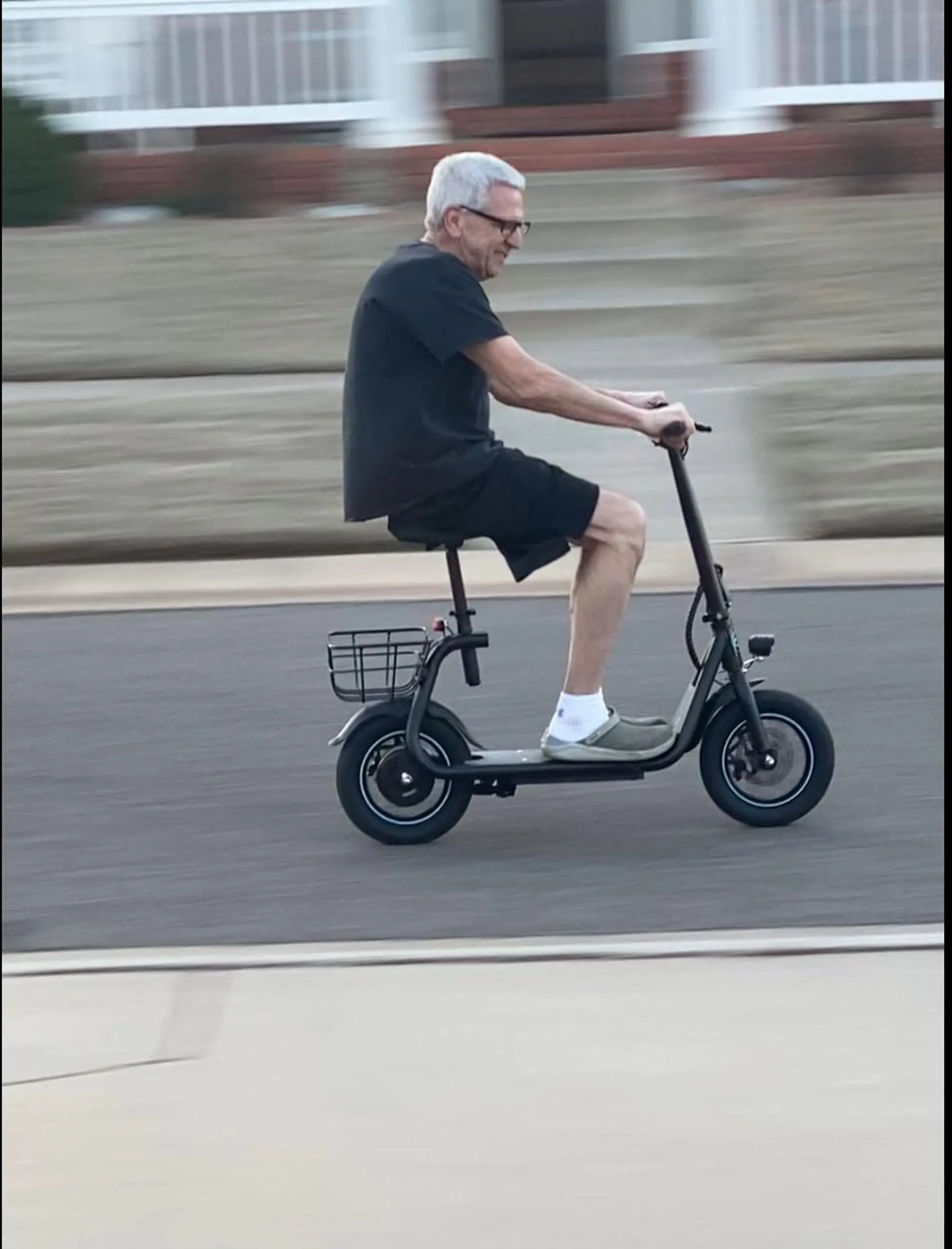
Electric bikes (e-bikes) have surged in popularity as a convenient, eco-friendly, and efficient mode of transportation. But with their growing presence on roads and bike lanes, a critical question arises: is electric bike safe? The answer isn’t a simple yes or no—it depends on factors like design, rider behavior, and adherence to safety guidelines. Let’s explore the safety of e-bikes in detail.
Understanding Electric Bike Safety
E-bikes are designed with safety in mind, but their increased speed and power compared to traditional bicycles introduce new considerations. Most e-bikes fall into three classes, each with different speed limits and motor assistance levels. Class 1 and 2 e-bikes typically assist up to 20 mph, while Class 3 can reach 28 mph. These classifications help regulate safety standards, but rider awareness is equally important.
Key Safety Features of E-Bikes
Modern e-bikes come equipped with several safety features to mitigate risks:
- Power Cut-Off Sensors: These stop motor assistance when brakes are applied, preventing accidents.
- LED Lights and Reflectors: Enhance visibility during low-light conditions.
- Sturdy Frames and Tires: Designed to handle higher speeds and heavier loads.
- Speed Limiters: Ensure the bike doesn’t exceed regulated speeds.
Common Safety Concerns and How to Address Them
While e-bikes are generally safe, riders should be aware of potential risks:
1. Speed-Related Accidents
E-bikes can accelerate faster than traditional bikes, increasing the risk of collisions. To stay safe:
- Start at lower speeds if you’re new to e-biking.
- Always obey local speed limits.
- Use caution when passing pedestrians or other cyclists.
2. Battery Safety
Lithium-ion batteries, common in e-bikes, can pose fire risks if damaged or improperly charged. Follow these tips:
- Use only the manufacturer-approved charger.
- Avoid overcharging the battery.
- Store the battery in a cool, dry place.
3. Road and Traffic Risks
E-bikes share roads with cars and pedestrians, requiring extra vigilance:
- Wear a helmet—preferably one designed for higher-speed cycling.
- Use hand signals to communicate turns.
- Stay in designated bike lanes when available.
Legal and Regulatory Considerations
Safety isn’t just about the bike—it’s also about following the law. Many regions have specific e-bike regulations, such as:
- Age restrictions for riders.
- Helmet requirements.
- Rules about where e-bikes can be ridden (e.g., bike paths vs. roads).
Always check local laws before riding to ensure compliance and safety.
Tips for Safe E-Bike Riding
To maximize safety while enjoying your e-bike, follow these best practices:
- Perform Regular Maintenance: Check brakes, tires, and battery connections frequently.
- Ride Defensively: Assume drivers may not see you and be prepared to react.
- Adjust to Weather Conditions: Wet or icy roads can affect braking and handling.
- Take a Safety Course: Many organizations offer e-bike safety training.
Final Thoughts on E-Bike Safety
So, is electric bike safe? The answer largely depends on how you use it. With proper precautions, adherence to regulations, and responsible riding habits, e-bikes can be a safe and enjoyable way to commute or explore. By staying informed and prioritizing safety, you can confidently embrace the e-bike revolution.
Ready to hit the road? Equip yourself with knowledge, gear up safely, and enjoy the ride—your next adventure awaits on two wheels!
Electric Bike That Can Go 45 MPH: The Future of High-Speed Commuting
Electric Bike That Can Go 45 MPH: The Future of High-Speed Commuting