

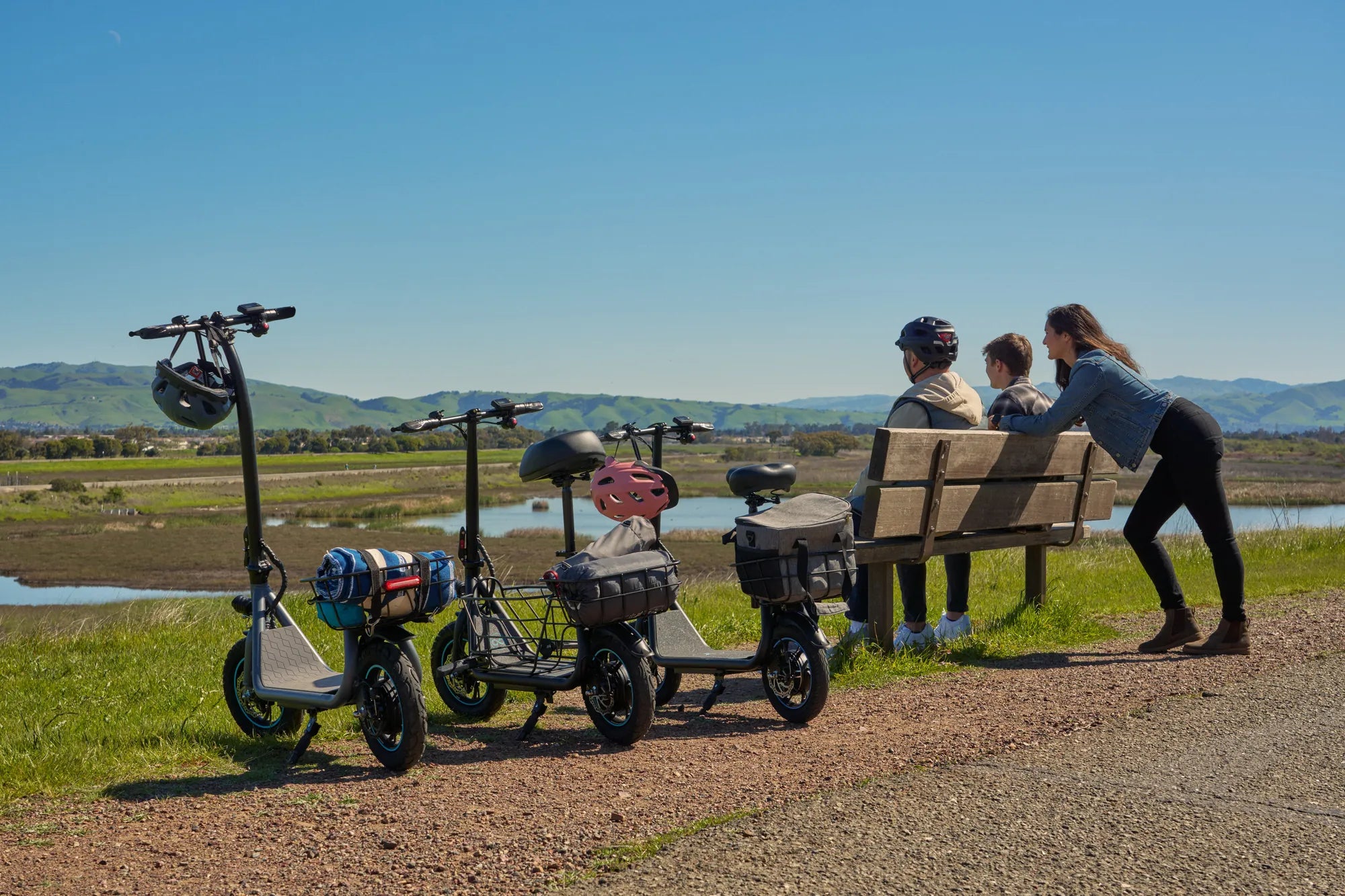
As fuel prices soar and pollution levels rise, many Indian commuters are asking: Is electric scooter better than petrol in India? The answer isn't straightforward, as both options have unique advantages and drawbacks. Let's dive deep into this debate to uncover which type of scooter might be the right choice for your needs.
Cost Comparison: Upfront vs. Long-Term Expenses
When comparing electric and petrol scooters, the first consideration is always cost. Electric scooters typically have a higher upfront price, but they can save you money in the long run. Here's how the numbers break down:
- Initial purchase price: Electric scooters are generally 20-30% more expensive than their petrol counterparts
- Fuel costs: Electricity is significantly cheaper than petrol per kilometer
- Maintenance: Electric scooters have fewer moving parts, leading to lower servicing costs
- Government incentives: Many states offer subsidies for electric vehicle purchases
Performance: Speed, Range, and Power
Performance is where petrol scooters traditionally held an advantage, but electric models are quickly catching up:
| Feature | Electric Scooters | Petrol Scooters |
|---|---|---|
| Top Speed | 60-100 km/h (premium models) | 80-110 km/h |
| Range | 70-120 km per charge | 200-300 km per tank |
| Acceleration | Instant torque provides quick starts | Gradual power delivery |
Environmental Impact: Clean Energy vs. Fossil Fuels
The environmental benefits of electric scooters are undeniable:
- Zero tailpipe emissions reduce urban air pollution
- Lower carbon footprint, especially when charged with renewable energy
- Quieter operation decreases noise pollution
However, it's important to consider that India's electricity grid still relies heavily on coal, which affects the overall environmental benefit.
Convenience Factors: Charging vs. Refueling
Daily usability is a crucial factor for most Indian riders:
- Refueling time: Petrol scooters can be refilled in minutes at any fuel station
- Charging time: Electric scooters require 4-8 hours for a full charge
- Infrastructure: Charging stations are becoming more common but still lag behind petrol stations
- Home charging: Most electric scooters can be charged overnight at home
Maintenance and Reliability
Electric scooters have a clear advantage when it comes to maintenance:
- No engine oil changes required
- Fewer mechanical parts mean less wear and tear
- Regenerative braking reduces brake pad wear
- Battery replacement remains the biggest long-term cost
Government Policies and Future Outlook
The Indian government is actively promoting electric mobility through:
- FAME II subsidy scheme
- Reduced GST rates on electric vehicles
- Plans to phase out petrol vehicles in coming decades
- Investments in charging infrastructure
These policies suggest that electric scooters will only become more practical and affordable in the future.
Which is Right for You?
The choice between electric and petrol ultimately depends on your specific needs:
- Choose electric if: You have short daily commutes, access to charging, and want lower running costs
- Choose petrol if: You frequently take long trips, need quick refueling, or live in areas with poor charging infrastructure
With battery technology improving and prices dropping, electric scooters are becoming increasingly competitive. For many urban commuters in India, the answer to Is electric scooter better than petrol in India? is leaning toward yes. The future of two-wheeler transportation is electric, and that future might arrive sooner than we think.
Favorite Electric Bike: The Ultimate Guide to Choosing Your Perfect Ride
Favorite Electric Bike: The Ultimate Guide to Choosing Your Perfect Ride