



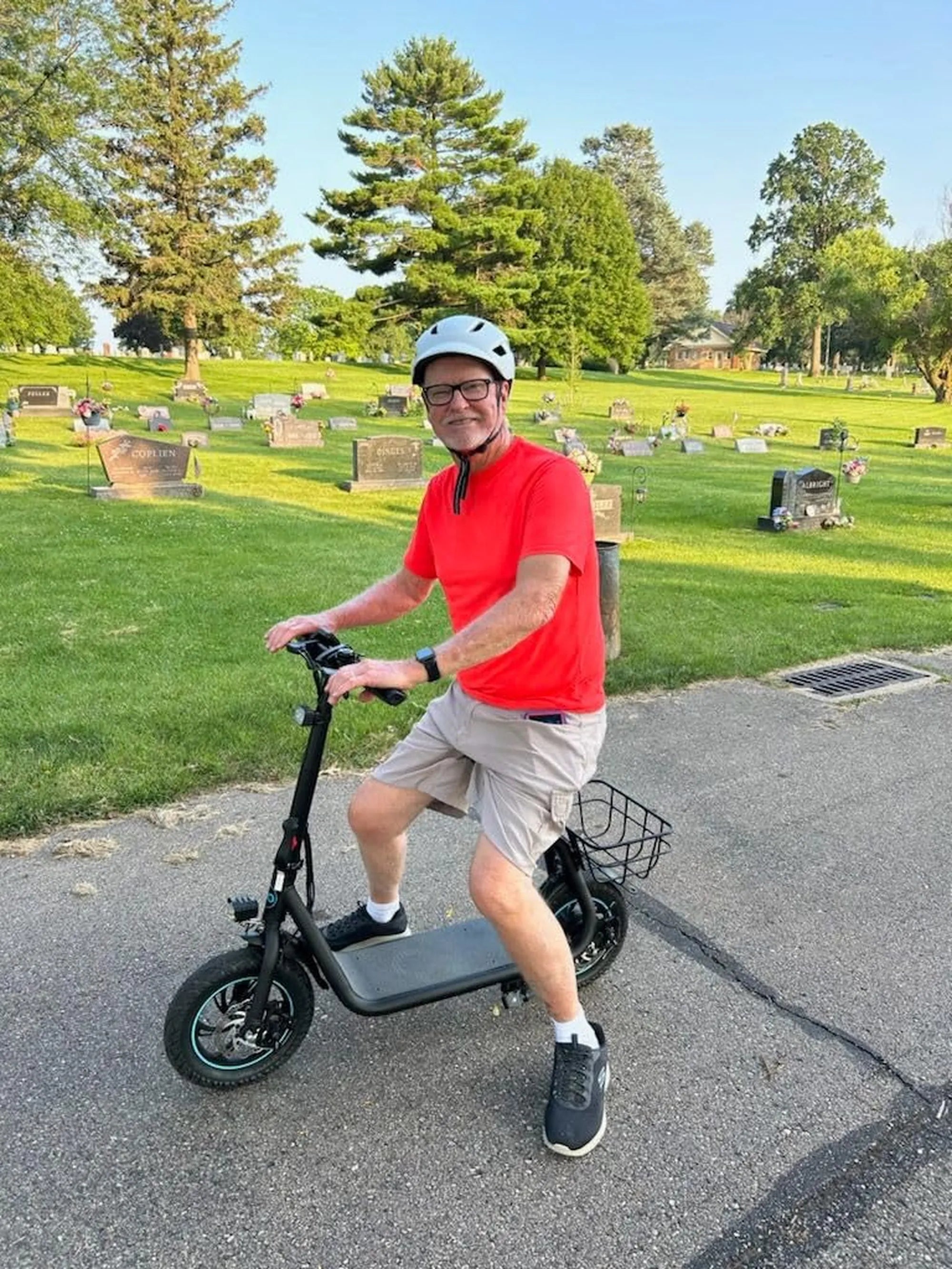
Riding an electric scooter in the rain might seem like a fun adventure, but it comes with its own set of challenges and risks. Whether you're a daily commuter or an occasional rider, understanding how wet weather affects your scooter and your safety is crucial. Let's dive into the key factors that determine whether it's safe to drive an electric scooter in the rain and how you can minimize risks.
Understanding Water Resistance in Electric Scooters
Not all electric scooters are built the same when it comes to handling wet conditions. The first thing to check is your scooter's IP (Ingress Protection) rating, which indicates its resistance to dust and water. A higher IP rating means better protection against moisture. For example, an IPX4 rating means the scooter can handle light splashes, while an IPX7 or higher suggests it can withstand heavy rain or even temporary submersion.
If your scooter has a low IP rating, riding in the rain could damage its electrical components, leading to malfunctions or even complete failure. Always check the manufacturer's guidelines before exposing your scooter to wet conditions.
Potential Hazards of Riding in the Rain
Even if your scooter is water-resistant, riding in the rain introduces several hazards:
- Reduced Traction: Wet surfaces are slippery, increasing the risk of skidding or losing control.
- Poor Visibility: Rain can impair your vision, making it harder to see obstacles or other vehicles.
- Braking Distance: Wet brakes may not respond as quickly, requiring more distance to stop safely.
- Electrical Risks: Water exposure can lead to short circuits or battery damage if the scooter isn't adequately protected.
How to Ride an Electric Scooter Safely in the Rain
If you must ride in wet weather, follow these safety tips to minimize risks:
- Slow Down: Reduce your speed to maintain better control and avoid sudden stops.
- Use Proper Gear: Wear a waterproof jacket, gloves, and non-slip shoes for better grip.
- Avoid Puddles: Deep water can damage the scooter's motor or battery.
- Check Tires: Ensure your tires have adequate tread for better traction on wet roads.
- Dry Your Scooter: After riding, wipe down your scooter to prevent water damage over time.
When to Avoid Riding in the Rain
Some conditions make riding an electric scooter in the rain particularly dangerous. Avoid riding during:
- Heavy Downpours: Excessive water can overwhelm even high-IP-rated scooters.
- Thunderstorms: Lightning poses an additional risk, and strong winds can destabilize your ride.
- Flooded Areas: Submerged roads can hide debris or deep potholes, increasing the chance of accidents.
By taking the right precautions, you can safely navigate wet conditions on your electric scooter. Always prioritize safety and be prepared for unexpected challenges when riding in the rain.
Riding an electric scooter in the rain doesn't have to be a nerve-wracking experience—if you know what to watch out for. Equip yourself with the right knowledge and gear, and you'll be ready to tackle even the wettest commutes with confidence.
Electric Scooter Market News Today: Trends, Challenges, and Future Outlook
Adult Suspension Scooter: The Future of Urban Mobility and Adventure