



For decades, the idea of a real hoverboard has captured imaginations, fueled by science fiction and pop culture. From Back to the Future to viral internet hoaxes, the concept of a floating skateboard seems just out of reach. But is there an actual hoverboard, or is it still confined to the realm of fantasy? Let's explore the science, myths, and future of this futuristic transportation device.
The Science Behind Hoverboards
True hoverboards would require defying gravity, which is no small feat. Current technology relies on magnetic levitation (maglev), air propulsion, or superconductors to achieve lift. However, these methods come with significant limitations:
- Magnetic Levitation: Requires a conductive surface, making it impractical for everyday use.
- Air Propulsion: Uses powerful fans, but these are noisy and energy-intensive.
- Superconductors: Only work at extremely low temperatures, far from practical applications.
While some prototypes exist, none match the effortless glide depicted in movies. The closest real-world examples are maglev trains, which operate on specialized tracks—hardly the free-roaming hoverboard of our dreams.
Myths and Hoaxes
Over the years, several viral videos have claimed to showcase real hoverboards, only to be debunked as clever marketing stunts or special effects. These hoaxes often exploit public fascination with the idea, but they don't hold up under scrutiny. The most famous example involved hidden wires and camera tricks, leaving many disappointed.
Despite the deception, these stunts highlight a genuine desire for hoverboard technology. The question remains: when—or will—we ever see a true hoverboard?
The Future of Hoverboard Technology
Researchers continue to explore new ways to make hoverboards a reality. Advances in quantum levitation, anti-gravity research, and even breakthroughs in material science could one day unlock the secret to floating skateboards. Some scientists believe that room-temperature superconductors or advanced electromagnetic fields could pave the way for practical hoverboards.
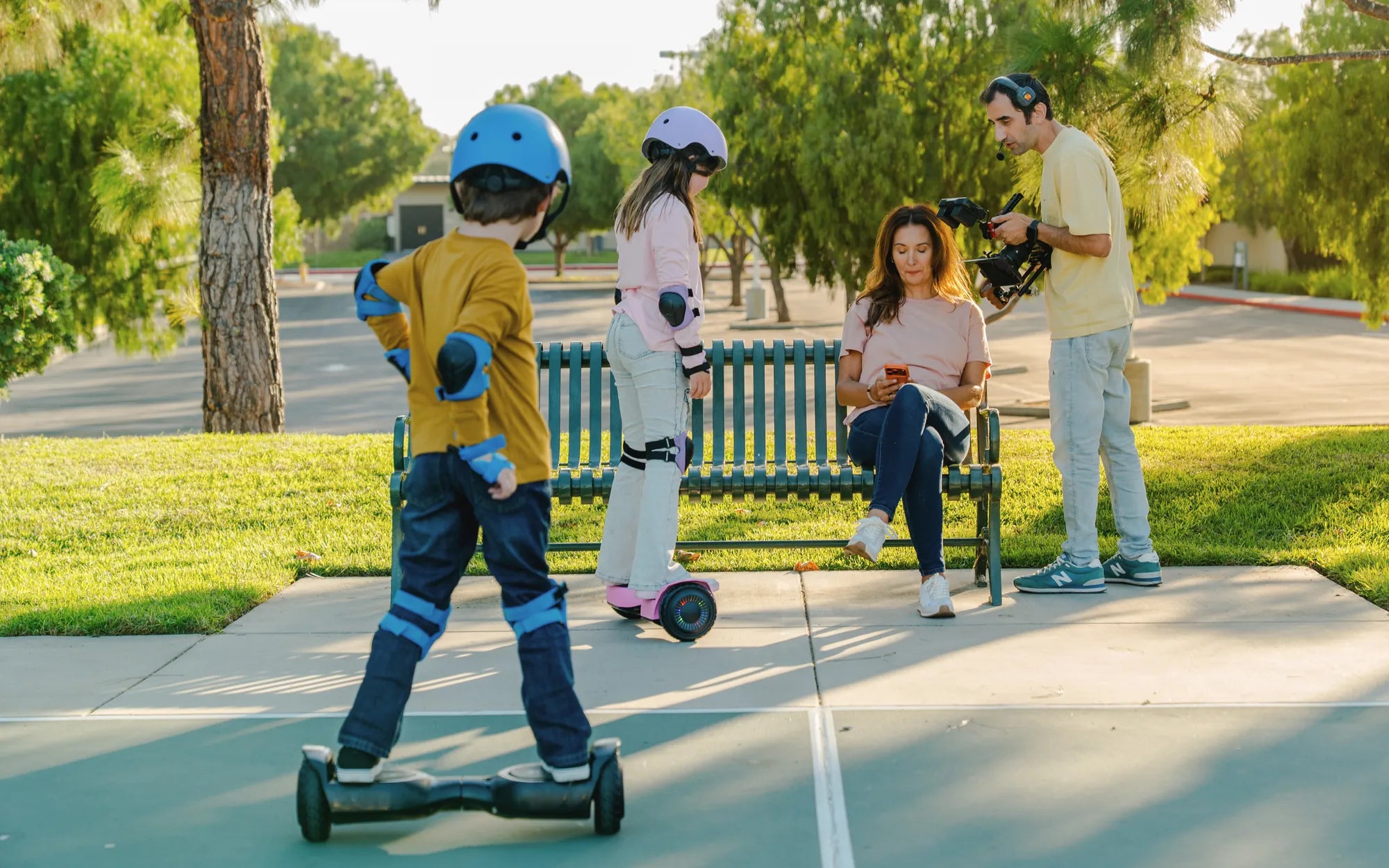
Until then, enthusiasts can enjoy self-balancing scooters and electric skateboards, which offer a taste of futuristic mobility—even if they still rely on wheels.
So, is there an actual hoverboard? Not yet—but the dream is alive, and science is inching closer every day. Who knows? The next big breakthrough might be just around the corner, ready to turn science fiction into reality.
Best Hoverboard for 14 Year Old: Top Picks for Fun and Safety
Hoverboard Stops While Riding: Causes, Fixes, and Safety Tips