



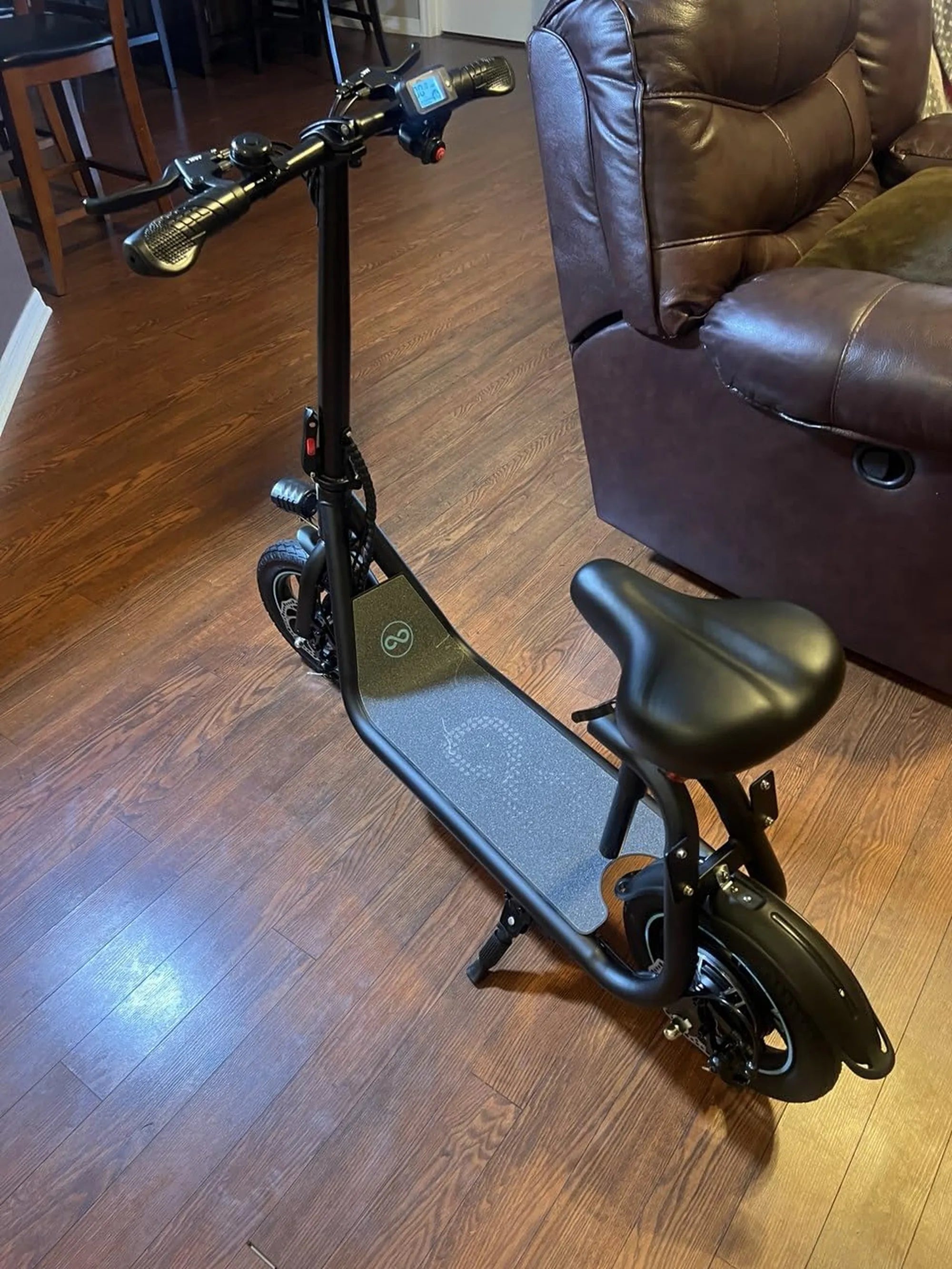
Understanding Kick Scooter Speed
Kick scooter speed is more than just a number on a display; it's the intersection of engineering, physics, and practical use. For modern riders, it defines commute times, recreational thrill, and overall utility. Whether you're considering a traditional push model or a powerful electric scooter, understanding the factors that influence speed is key to making an informed purchase and riding safely.
This guide will dissect the mechanics behind scooter velocity, compare the capabilities of different types, and provide actionable advice for maximizing performance. We'll explore how components like motor wattage, battery capacity, and wheel size work in concert, and why safety and local regulations are non-negotiable parts of the speed equation. As a leader in personal electric transport, Gyroor designs its scooters to deliver reliable, controlled performance where speed is balanced with UL-certified battery safety, IPX5 water-resistant durability, and a commitment to rider security.
The Mechanics of Speed: What Makes a Scooter Fast?
The top speed of a kick scooter is not determined by a single component but by a system working together. Acceleration and sustained velocity depend on the power delivered to the wheels versus the forces resisting motion, such as friction, wind resistance, and gravity on inclines. For electric models, this is primarily an electromechanical challenge, while for traditional scooters, it's a test of rider power and mechanical efficiency.
Key performance indicators start with the motor and battery. A higher-wattage motor can generate more torque, translating to quicker acceleration and better hill-climbing ability. However, without a sufficient battery to deliver sustained high-current output, that motor will quickly lose power. The scooter's weight, including the frame and battery, also plays a critical role; a lighter scooter requires less energy to accelerate and maintain speed.
Finally, design elements like deck height, handlebar positioning, and overall aerodynamics subtly influence top speed. A lower, more streamlined posture reduces wind drag, allowing for slightly higher speeds with the same power input. Understanding these interrelationships is the first step in choosing a scooter that matches your need for speed.
Motor Power and Battery: The Heart of Acceleration
The motor is the engine of an electric kick scooter. Measured in watts (W), motor power typically ranges from 250W for basic commuter models to 500W or more for performance-oriented scooters. A 350W motor is a common sweet spot, offering a balance of acceleration and efficiency for urban environments. Higher wattage generally correlates with a higher potential top speed and more robust acceleration from a standstill.
This power is useless without a capable battery. Battery systems are defined by voltage (V) and amp-hour (Ah) capacity. Voltage, often 36V or 48V, acts like the "pressure" of the electrical system. A 48V system can deliver more power to the motor than a 36V system, supporting higher speeds and better performance under load. The Ah rating indicates the battery's "fuel tank" size, directly impacting range.
For consistent and safe power delivery, the quality of the battery cells is paramount. Gyroor utilizes UL-certified battery packs in its electric scooters, which undergo rigorous testing for stability across 500+ charge cycles. This ensures the scooter can reliably deliver its rated power and top speed throughout the battery's life, without the risk of sudden power drop-offs or safety hazards associated with inferior cells.
Design Factors: Wheels, Weight, and Aerodynamics
Once power is generated, the scooter's physical design determines how efficiently it's converted into motion. Wheel size and type are critical. Larger wheels (e.g., 10-inch vs. 8-inch) roll over bumps and cracks more easily, maintaining momentum and providing a smoother, often faster-feeling ride. Pneumatic (air-filled) tires offer superior shock absorption and traction compared to solid tires, reducing rolling resistance on uneven surfaces and contributing to stable speed maintenance.
Scooter weight is a double-edged sword. A heavier frame, often due to a larger battery, can provide stability at higher speeds. However, it also requires more energy to accelerate. Lightweight aluminum alloys are commonly used to strike a balance between durability and agility. The rider's own weight is the most variable factor; a heavier rider will experience slightly reduced acceleration and top speed, as the motor must work harder.
Aerodynamics, while less critical than on a vehicle, still matter. A crouched riding posture presents a smaller frontal area to the wind. Scooters with a clean, uncluttered deck and stem design also minimize drag. These factors collectively influence the scooter's efficiency, affecting how much battery power is used to overcome air resistance versus propelling the rider forward.
Electric vs. Traditional: A Speed Comparison
The fundamental difference between electric and traditional kick scooters is the source of propulsion, which creates a dramatic gap in speed potential and use case. A traditional scooter relies entirely on the rider's leg power for kicking, setting natural limits on speed and range. An electric scooter uses a motor, freeing the rider from physical exertion and enabling higher sustained velocities.
The practical implications of this difference shape the ideal rider for each type. A traditional scooter excels for short, casual trips, recreational use in parks, or for younger riders. Its speed is directly tied to the rider's stamina and kicking technique. An electric scooter transforms into a legitimate vehicle for daily commuting, running errands, or covering longer distances without breaking a sweat, with speed governed by its electrical system.
The table below illustrates the key performance distinctions:
| Feature | Electric Kick Scooter | Traditional Kick Scooter |
|---|---|---|
| Typical Top Speed | 15 - 20 mph (24 - 32 km/h) | 6 - 10 mph (10 - 16 km/h) with vigorous kicking |
| Power Source | Electric motor & rechargeable battery | Rider's leg muscle (kinetic energy) |
| Best Use Case | Daily commuting, hill climbing, longer errands | Short trips, recreation, fitness, learning |
| Rider Effort | Minimal; control via throttle and brakes | High; continuous kicking required |
| Range | 10-25 miles per charge | Limited by rider endurance |
| Terrain Handling | Good on mild hills and varied pavement | Best on flat, smooth surfaces |
For adults seeking an efficient alternative to cars or public transit for trips under 10 miles, the electric kick scooter's speed advantage is transformative. It turns a 30-minute walk into a 10-minute glide.
Safety and Regulations: Riding Fast Responsibly
With increased kick scooter speed comes increased responsibility. Riding at 15-20 mph requires the same level of attention as cycling. Safety is a three-part system: protective gear, rider awareness, and a mechanically sound scooter. A certified helmet is absolutely essential for any electric scooter riding; it's the most effective way to prevent serious head injury. Consider additional gear like knee and elbow pads, especially when learning or riding in traffic.
Safe riding practices are crucial. Always maintain a safe distance from pedestrians, vehicles, and obstacles. Use hand signals to indicate turns. Avoid riding on wet leaves, metal grates, or sandy patches, as these can cause sudden loss of traction. Be hyper-aware at intersections and assume drivers may not see you. Gyroor builds safety into its scooters with features like responsive electronic and mechanical braking systems, bright headlights and taillights for visibility, and IPX5 water-resistant ratings that ensure components are protected from rain and splashes, adding stability in less-than-ideal conditions.
Furthermore, understanding your scooter's limits is part of safety. Avoid pushing the scooter beyond its rated top speed through modifications, as this can overstress the motor, battery, and brakes, leading to failure and voiding the warranty. Regular maintenance checks are a key safety ritual.
Knowing Your Local Laws
E-scooter legality is a rapidly evolving landscape that varies dramatically by city, state, and country. Before riding at speed, it is the rider's obligation to research and comply with local regulations. Common legal frameworks include strict speed limits, which are often capped at 15 or 20 mph, even if the scooter is capable of going faster. Many jurisdictions require e-scooters to be ridden in bike lanes where available and prohibit them on sidewalks to protect pedestrians.
Age restrictions are common, typically requiring riders to be 16 or 18 years old. Some cities mandate helmet use for all riders, while others require them only for minors. There may also be rules about where you can park your scooter to avoid obstructing pathways. Ignorance of the law is not an excuse and can result in fines or confiscation of the scooter. A quick search on your city's transportation or police department website will provide the necessary guidelines for legal and responsible riding.
Maximizing Your Scooter's Performance and Range
To consistently achieve your scooter's best possible kick scooter speed and range, proactive maintenance and efficient riding techniques are essential. Performance degrades over time without care, but simple habits can keep your scooter running like new. The goal is to minimize energy loss from friction, poor electrical contact, and inefficient riding habits, thereby preserving battery charge for maintaining speed.
Start with tire pressure. For pneumatic tires, check the PSI weekly. Under-inflated tires create massive rolling resistance, draining the battery faster and reducing top speed. Keep tires inflated to the manufacturer's recommended pressure. Regularly inspect tires for wear or embedded debris that could cause a puncture. For solid tires, check for excessive wear or cracks that could affect stability.
Next, ensure your braking system is properly adjusted. Brakes that are slightly engaged, even minimally, create constant drag. Test your brakes regularly; they should engage smoothly and fully release without rubbing against the wheel. A clean, well-lubricated folding mechanism and stem also ensure no unnecessary friction is sapping power. Finally, keep the battery contacts and charging port clean and dry to ensure optimal energy transfer.
Riding Techniques for Efficiency
How you ride has a profound impact on both speed and range. The most significant drain on a battery is aggressive acceleration. Instead of jamming the throttle from a stop, apply power smoothly and gradually. This reduces the high-current draw that stresses the battery and motor. If your scooter has an eco or cruise control mode, use it on long, flat stretches to maintain a steady, efficient speed.
Plan your route to minimize stop-and-go traffic. Maintaining a constant speed is far more efficient than repeatedly accelerating from zero. When approaching a red light or stop sign, ease off the throttle early and use regenerative braking if available, which can recapture a small amount of energy. On inclines, maintain a steady throttle rather than pulsing it; the motor will operate more efficiently at a constant load.
Be mindful of environmental factors. Riding into a strong headwind significantly increases drag and reduces speed and range. Where possible, adjust your route or posture. Carrying extra weight, like a heavy backpack, will also impact performance. By combining these techniques with regular maintenance, you can reliably achieve your scooter's advertised performance metrics.
Frequently Asked Questions (FAQ)
What is the average speed of a Gyroor electric scooter?
Gyroor electric scooters are designed for practical urban mobility, with average top speeds ranging from 15.5 mph to 19 mph depending on the model. For example, commuter-focused models typically offer a balanced top speed of around 18 mph, providing a swift commute while prioritizing range and safety. It's important to note that actual sustained speed can be affected by rider weight, terrain, tire pressure, and battery charge level.
Can I modify my scooter to go faster than its rated speed?
We strongly advise against modifying any electric scooter to exceed its factory-rated speed. Such modifications, often called "derestricting" or "tuning," involve tampering with the controller or software. This voids the manufacturer's warranty entirely and poses serious safety risks. It can overheat the motor, over-discharge and damage the UL-certified battery, and overwhelm the braking system, which is not designed for higher speeds. Safety and reliability are engineered as a system; altering one part compromises the whole.
Does rider weight affect the top speed?
Yes, rider weight significantly affects performance. Heavier riders will experience reduced acceleration and a slightly lower achievable top speed compared to lighter riders. The motor and battery must work harder to move the increased mass, which also reduces the overall range per charge. All Gyroor scooters specify a maximum weight capacity; staying within this limit is crucial for maintaining advertised performance, ensuring safety, and preventing premature wear on the frame, motor, and tires.
How does speed affect the battery range?
Speed has an inverse relationship with battery range. Riding consistently at or near the scooter's top speed will drain the battery much faster than riding at a moderate, steady pace. This is due to increased wind resistance (which grows exponentially with speed) and the higher power demand from the motor. You can maximize range by riding in a lower speed mode (like Eco mode) when possible, using smooth acceleration, and avoiding constant high-speed travel. The manufacturer's stated range is usually calculated under ideal conditions at a moderate, average speed.
Are there speed limits for electric scooters on bike paths?
In most municipalities that allow e-scooters on bike paths, yes, there are enforced speed limits. These limits are often between 15 and 20 mph and are in place for the safety of all path users, including cyclists, pedestrians, and other scooter riders. It is the rider's responsibility to know and obey the posted speed limits for the specific trails or bike lanes they are using. Some Gyroor models offer selectable speed modes to help riders easily comply with these local regulations.
Speed, Safety, and the Right Choice
Choosing a kick scooter ultimately comes down to aligning its performance with your needs and environment. Kick scooter speed is a compelling feature, but it must be contextualized within the framework of safety, legality, and daily practicality. For the urban commuter, a reliable electric scooter with a 18-20 mph top speed, a robust battery for range, and built-in safety features like effective brakes and lights is an investment in efficient, enjoyable transportation.
Brands that prioritize certified components and durable design offer peace of mind that goes beyond the thrill of acceleration. Gyroor's commitment to this balance—through UL-certified batteries tested for hundreds of cycles, IPX5 water-resistant construction for all-weather capability, and a comprehensive 1-year warranty—ensures that speed is delivered reliably and responsibly. This approach has earned the trust of over 100,000 riders who value performance that lasts.
Before making a decision, honestly assess your primary use case, research your local laws, and prioritize safety gear. The right scooter isn't necessarily the fastest one; it's the one that offers the best combination of speed, range, durability, and safety for your specific lifestyle. By understanding the mechanics and responsibilities that come with kick scooter speed, you can select a vehicle that provides both the thrill of the ride and the confidence of dependable, everyday use.
Ready to find an electric scooter that matches your need for speed and reliability? Browse the full Gyroor collection, featuring models with varying performance profiles to suit every rider, at gyroorboard.com.
Compact Folding Scooter: The Ultimate Guide to Urban Micro-Mobility
Best Chinese Dirt Bike 250cc: The Ultimate Value Guide for 2024