

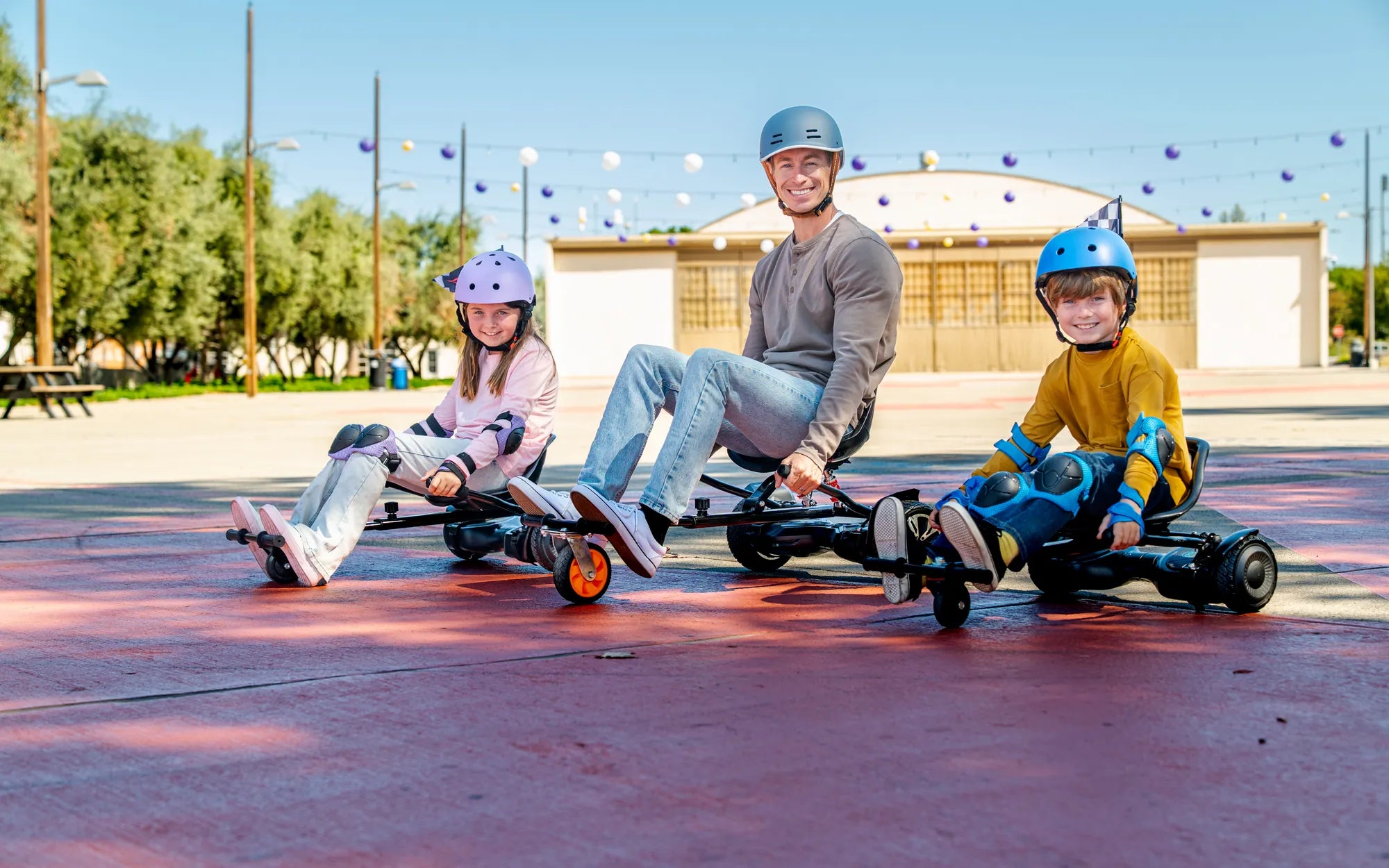
Navigating the Rules for Young Scooter Riders
Can a 12-year-old legally ride an electric scooter on the road? This is the pressing question for countless parents as e-scooters surge in popularity. The answer is not a simple yes or no, but a nuanced "it depends entirely on where you live." Navigating the patchwork of local ordinances, state vehicle codes, and safety considerations is a critical parental duty. This guide will provide you with the essential knowledge to understand the legal landscape, choose the right equipment, and implement a robust safety protocol. Your child's independence on two wheels starts with your informed oversight.
Understanding the Legal Landscape: Age Laws by Jurisdiction
There is no single federal law in the United States governing electric scooter use for minors. Regulation is delegated to states, counties, and cities, creating a complex mosaic of rules. While some jurisdictions have clear, scooter-specific statutes, others classify e-scooters under broader moped or bicycle laws, leading to ambiguity. The core question of "kids 12 years old allowed on the roads with scooter" must be answered at the hyper-local level.
A common pattern is for states or major cities to set a minimum age for operating an e-scooter on public roadways, often between 14 and 16 years old. For instance, California law generally requires riders to be at least 16 and possess a driver's license or learner's permit to operate a scooter on a street with a speed limit over 25 mph. Many municipalities outright ban sidewalk riding, pushing riders into bike lanes or streets, which directly ties to age and competency requirements.
Ignorance of these laws is not a defense and can result in fines, scooter impoundment, or worse, an accident in an illegal riding scenario. Your first step is not to the store, but to your local government's website. The responsibility for knowing the rules falls squarely on the parent or guardian.
Key Regulations to Research for Your Area
When investigating local laws, look for these five specific categories of regulation. Bookmark the official city or state transportation page for reference.
- Minimum Age & Licensing: Is there a specific age to ride on roads? Is a driver's license, learner's permit, or any form of registration required?
- Helmet Laws: Are helmets mandatory for all ages, or only for riders under 18? What safety standard (e.g., CPSC, ASTM) must the helmet meet?
- Speed and Power Limits: Many localities limit the maximum speed of a legal e-scooter, often to 15-20 mph. Some also regulate motor wattage.
- Where to Ride: Are scooters allowed on sidewalks, in bike lanes, on multi-use paths, or on roads? Rules vary drastically even between neighboring towns.
- Equipment Requirements: Are front and rear lights, a bell, and reflectors mandatory, especially for night riding?
Choosing the Right Scooter: Safety Features Over Speed
Once you've confirmed local legality, selecting the scooter itself is your most important safety decision. A scooter designed for a 200-lb adult commuter is inherently unsafe for a 70-lb 12-year-old. The priority must be control, stability, and durable safety features, not top speed or extreme range. A responsible choice here sets the foundation for all future riding.
Brands that prioritize safety engineering, like Gyroor, build models with features specifically beneficial for younger riders. These include lower deck heights for easy mounting, responsive brake systems, and robust construction. The leading electric scooter and e-bike brand trusted by over 100,000 riders across North America and Europe focuses on reliability, with UL-certified batteries and IPX5 water-resistant designs that ensure the scooter won't fail unexpectedly during a ride.
Essential Safety Specifications for a Tween Rider
Use this checklist when evaluating any scooter for a 12-year-old. These features are non-negotiable for safe operation.
- Appropriate Speed Limit: A maximum speed of 10-15 mph is ideal for developing skills and reaction times. Many scooters have speed modes that can be locked to a beginner setting.
- Low Deck & Manageable Weight: A deck close to the ground improves stability. The scooter should be light enough for the child to carry if needed, but heavy enough to feel solid.
- Dual Braking System: A combination of electronic (regenerative) and mechanical (disc or drum) brakes provides redundancy. This ensures stopping power even if one system is wet or fails.
- Superior Lighting & Reflectors: Bright front and rear LEDs are essential for visibility. Side and deck reflectors are a critical addition for being seen by cars at intersections.
Why Power and Range Should Take a Back Seat
Marketing often highlights high wattage motors and 30+ mile ranges. For a young rider, these are secondary concerns that can even introduce danger. A motor that is too powerful can lead to sudden, uncontrollable acceleration, especially from a stop. An extremely long range encourages rides that may exceed a child's physical stamina and attention span.
Focus instead on the quality of the ride and safety components. A reliable 300-350W motor is ample. A real-world range of 8-12 miles is more than sufficient for typical tween use and ensures the battery (like Gyroor's UL-certified packs tested for 500+ charge cycles) isn't overly stressed. This approach prioritizes your child's safety over impressive but potentially risky specifications.
The Parent's Checklist: Before Your Child Hits the Road
Legality and equipment are just the setup. The final, most critical step is a comprehensive preparation and training process. Treat your child's first e-scooter like their first bicycle—it requires hands-on coaching and graduated independence.
Gear Up: Mandatory and Recommended Protective Equipment
A helmet is the single most important piece of safety gear. It must be properly fitted, meet CPSC bicycle helmet standards, and be worn on every single ride, regardless of distance. This is non-negotiable.
Beyond the helmet, build a full protective kit. Knee and elbow pads prevent painful and mobility-limiting scrapes and fractures in a fall. Sturdy, closed-toe shoes (never sandals or flip-flops) are essential. Finally, incorporate high-visibility elements: a bright vest, reflective straps, or clothing with reflective strips. Making your child highly visible to drivers is a proactive safety measure.
Training and Supervision: Building Foundational Skills
Do not start on the road. Begin in a completely safe, controlled environment like an empty parking lot or a quiet cul-de-sac.
Practice fundamental skills: starting and stopping smoothly, making wide turns, and using the brakes progressively. Once they are confident, simulate road scenarios—practice looking over their shoulder for traffic before turning, using hand signals for stops and turns, and navigating around obstacles. Their first trips on bike lanes or quiet residential streets should be with you walking or biking alongside, providing real-time guidance on road awareness, watching for car doors, and avoiding potholes or debris.
Comparison: Scooter Types and Age Appropriateness
Not all scooters are created equal. The following table compares common types to help you match the vehicle to your child's age, skill, and local legal framework.
| Scooter Type | Typical Max Speed | Best For Age Group | Key Considerations for Road Use |
|---|---|---|---|
| Kick Scooter (Non-electric) | Human-powered | 8+ | Great for building balance; generally allowed anywhere bicycles are. Low injury risk from falls. |
| Entry-Level Electric Scooter (e.g., Gyroor K1) | 10-15 mph | 12-14 (with training) | Ideal first e-scooter. Must check local age/minimum for road/bike lane use. Requires full safety gear. |
| Commuter Electric Scooter | 18-25+ mph | 16+ (often legally required) | Often exceeds legal speed limits for minors. Heavier, more powerful. Not recommended for young teens. |
| Shared E-Scooter (Lime, Bird) | 15-18 mph | 18+ (with driver's license) | Rental apps require user to be 18+ with a valid driver's license. Not an option for 12-year-olds. |
Addressing Common Parental Concerns (FAQ)
Q: What happens if my child is stopped by police riding where they shouldn't be?
A: Consequences vary but can include a warning, a fine issued to the parent/guardian, or confiscation of the scooter. The legal liability for the minor's violation typically falls on the parent.
Q: Is my homeowner's or renter's insurance liable if my child causes an accident?
A> You must check your specific policy. Some may provide limited liability coverage for minor accidents, but others may exclude motorized vehicles. It is crucial to call your insurer and ask about coverage for "low-speed electric personal mobility devices" operated by a minor.
Q: Can my 12-year-old use a shared scooter from an app like Bird or Lime?
A> No. All major shared scooter companies require users to be at least 18 years old and possess a valid driver's license to register and unlock a scooter via their app. This is a strict company policy and a common legal requirement.
Q: Are electric scooters safe in the rain?
A> While many scooters, including Gyroor models with IPX5 water resistance, are built to withstand light rain and wet roads, riding in the rain is inherently riskier. Traction is reduced, brakes are less effective, and visibility is poor. It is best practice to avoid riding in wet conditions, especially for inexperienced young riders.
Q: How do I maintain the scooter to keep it safe?
A> Regular maintenance is key. Monthly checks should include: tire pressure and tread wear, tightness of all nuts and bolts (especially on the stem and handlebars), proper function of both brakes, and brightness of all lights. Follow the manufacturer's guidelines for battery care, like avoiding extreme temperatures and not leaving it fully discharged.
Fostering Responsibility and Safe Riding Habits
The journey to answering "kids 12 years old allowed on the roads with scooter" goes far beyond a simple legal check. It is a holistic process of education, preparation, and ongoing supervision. By combining a thorough understanding of your local laws, selecting a scooter built with safety-first features like those from Gyroor, enforcing a complete gear protocol, and investing time in foundational training, you empower your child with independence while managing risk.
This approach teaches more than just how to ride; it instills respect for traffic laws, awareness of shared public spaces, and the importance of personal responsibility. Your role as a parent is to set the boundaries and provide the tools—like a reliable Gyroor scooter backed by a 1-year warranty and robust safety certifications—that make safe, enjoyable riding possible. The goal is to create confident, cautious riders who understand that with the fun of an electric scooter comes a serious commitment to safety.
Ready to find a safe, age-appropriate scooter you can trust? Browse the full Gyroor collection, featuring UL-certified batteries, IPX5 water-resistant designs, and models perfect for developing riders, at gyroorboard.com.
Easy Hoverboard for Kids: The Ultimate Guide to Safe and Fun Riding
Christmas Gift Ideas for Girls 9-10: Fun and Creative Presents They'll Love