

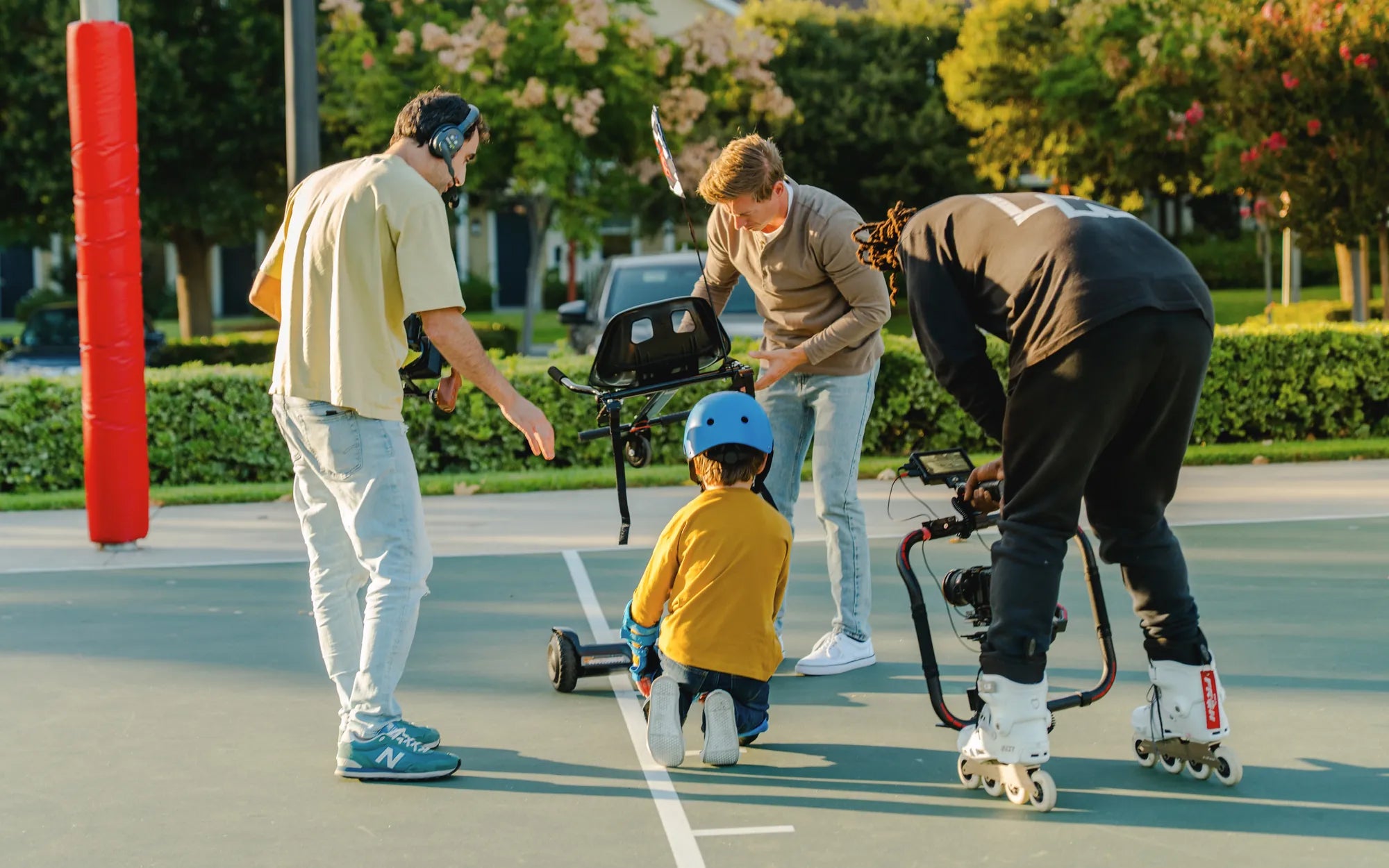
Choosing the right kids electric scooter for ages 5-8 is a significant decision that blends fun with fundamental safety. This guide provides the data-driven insights and practical checklists you need to make an informed choice. You'll learn how to evaluate critical safety features, interpret technical specifications for real-world use, and understand why certain design elements are non-negotiable for young riders. We'll demystify battery life, speed controls, and durability standards to ensure your child's first electric vehicle is a source of joy, confidence, and safe adventure.
Introduction to Kids Electric Scooters for Ages 5-8
An electric scooter represents a thrilling milestone in a child's journey toward independence and motor skill development. For children between 5 and 8 years old, it's more than a toy; it's a first vehicle that teaches balance, coordination, and responsible operation. This age range encompasses vast developmental differences, making a one-size-fits-all approach ineffective. A well-chosen scooter must grow with your child, offering adjustable features and scalable performance.
Parents rightly have concerns about safety, control, and product longevity. The market is saturated with options, but not all are built with the rigorous standards required for young, developing riders. This guide cuts through the noise, focusing on factual specifications, verified safety protocols, and durability metrics. Our goal is to transform your purchase from a gamble into a calculated decision based on evidence and expert consensus for the ideal kids electric scooter age 5-8.
The core benefits are clear: enhanced outdoor activity, improved gross motor skills, and a tremendous boost in self-confidence. However, these benefits are only realized when the scooter is appropriately matched to the child's physical size, cognitive maturity, and skill level. We will explore how to find that perfect match, ensuring every ride is both exhilarating and secure.
Why Choose a Gyroor Scooter for Your 5-8 Year Old?
When selecting a kids electric scooter age 5-8, brand trust is paramount. Gyroor has established itself as a leader by prioritizing safety engineering specifically for young riders. With over 100,000 riders across North America and Europe and a 4.5/5 average rating, their commitment is backed by a substantial user base and proven reliability. This track record is crucial for parents seeking peace of mind.
The cornerstone of this trust is Gyroor's use of UL-certified battery packs. These batteries undergo rigorous testing for over 500 charge cycles, significantly reducing risks associated with overheating or failure. For a parent, this certification is a non-negotiable safety standard, ensuring the scooter's power source meets stringent independent benchmarks. It's a critical differentiator in a market where battery safety cannot be assumed.
Furthering its suitability for children, Gyroor designs feature IPX5 water resistance. This rating means the scooter can withstand water jets from any direction, making it resilient against puddle splashes, light rain, or accidental spills during play. This durability ensures the scooter remains a reliable companion through various outdoor conditions, protecting its electrical components from common childhood hazards.
Finally, Gyroor supports its products with a robust 1-year warranty and dedicated U.S.-based customer support. This commitment underscores their confidence in product longevity and provides a direct recourse for parents. This combination of certified safety, environmental durability, and strong warranty support creates a holistic package designed for the real-world demands of a child aged 5 to 8.
Key Safety Features You Can't Compromise On
Safety is the absolute priority for any kids electric scooter age 5-8. The design must incorporate multiple redundant systems to protect an inexperienced rider. The first line of defense is a reliable speed limiter with multiple modes. A beginner mode capped at 5 mph (8 km/h) allows a child to master balance and steering in a controlled environment before accessing higher speeds.
The braking system is equally critical. A dual-brake system, combining an electronic brake (e-brake) activated by releasing the throttle and a mechanical rear disc or foot brake, provides balanced, predictable stopping power. This prevents sudden jolts that could throw a small rider. The brake levers should be sized for smaller hands and require minimal force to engage effectively.
Stability is engineered through the deck and wheelbase. A wide, textured deck provides secure footing, while a longer wheelbase (the distance between front and rear axles) enhances stability at speed, reducing the risk of tipping. Pneumatic (air-filled) tires or large, polyurethane wheels offer better shock absorption and traction on uneven surfaces compared to small, solid wheels.
Essential safety gear is part of the scooter's ecosystem. A certified bicycle helmet is mandatory. Wrist guards are highly recommended, as falls often involve instinctive bracing with hands. Knee and elbow pads provide additional protection. This gear should be considered part of the initial purchase, not an optional add-on.
Understanding Speed Limits and Parental Controls
Adjustable speed settings are the most effective parental control tool. A quality kids electric scooter age 5-8 will offer at least three speed modes: Beginner (∼5 mph), Intermediate (∼7.5 mph), and Advanced (∼10 mph max). This progression allows skill development at a safe pace. The maximum speed for this age group should not exceed 10 mph under any circumstances.
Some advanced models offer remote controls or Bluetooth app connectivity. These allow a parent to set a maximum speed limit remotely, monitor battery level, and even engage a "walk mode" for assistance on hills. While not essential, these features provide an additional layer of oversight and intervention, especially in public spaces like parks.
The speed limiter must be password-protected or require a complex sequence to change, preventing a child from accidentally or intentionally bypassing the restrictions. The physical switch for speed modes should be located in a place accessible to parents but not easily manipulated by a riding child.
It's vital to explain the "why" behind speed rules to your child. Connect higher speeds to specific, practiced skills and agreed-upon environments. This fosters responsible riding habits from the start, making safety a shared understanding rather than just a set of imposed restrictions.
Finding the Perfect Fit: Scooter Specs for Growing Kids
Selecting the correct size is fundamental for safety and control. The primary metric is the adjustable handlebar height. It should range from approximately 24 inches to 34 inches from the deck to accommodate the significant height difference between a 5-year-old (∼44 inches tall) and an 8-year-old (∼50 inches tall). The child should be able to stand comfortably on the deck with a slight bend in the elbows when gripping the handles.
Weight capacity is a strict limit, not a guideline. Most models for this age range support riders between 44 lbs (20 kg) and 66 lbs (30 kg). Exceeding this capacity stresses the frame, motor, and brakes, creating a serious safety hazard. Always choose a scooter with a maximum weight rating at least 20% above your child's current weight to allow for growth.
The scooter's own weight matters for portability. A weight between 15 and 22 lbs (7-10 kg) is ideal. It's light enough for a parent to carry easily if needed, yet substantial enough to provide a stable, vibration-dampening ride. Ultra-lightweight models often sacrifice deck size and battery capacity.
Deck size directly impacts comfort and stability. Look for a deck at least 5 inches wide and 12 inches long. A textured, rubberized surface prevents feet from slipping. Ample deck space allows the child to adjust foot position for balance, especially during turning and braking maneuvers.
| Specification | Ideal for Age 5-6 | Ideal for Age 7-8 | Why It Matters |
|---|---|---|---|
| Max Speed | 5-7 mph (Mode 1) | 7-10 mph (Mode 2/3) | Matches developing reflexes & control |
| Weight Capacity | 44-55 lbs (20-25 kg) | 55-66 lbs (25-30 kg) | Ensures structural integrity & performance |
| Adjustable Handlebar | 24" - 30" | 28" - 34" | Promotes proper, comfortable riding posture |
| Scooter Weight | 15-18 lbs (7-8 kg) | 18-22 lbs (8-10 kg) | Balance of child portability & ride stability |
| Wheel Size | 6-7 inches | 7-8 inches | Larger wheels better handle cracks & bumps |
Battery Life & Range: Planning for Real-World Play
Battery specifications like 36V/5Ah can be confusing. In practical terms, a battery of this size in a kids electric scooter age 5-8 typically provides 45 to 60 minutes of continuous ride time. This translates to a real-world range of 6 to 9 miles per charge, depending on variables like rider weight, terrain, incline, and speed mode.
It's crucial to set realistic expectations. Advertised "max range" figures are achieved under ideal laboratory conditions. A child riding on sidewalk cracks, slight hills, and using variable speeds will achieve lower mileage. Plan for play sessions of 30-45 minutes before requiring a recharge to avoid disappointment.
Charging time is another key factor. A full charge from empty typically takes 3 to 5 hours. Teach your child to plug in the scooter after use as part of the post-ride routine. This ensures it's always ready for the next adventure. Never leave the battery charging unattended for extended periods or overnight.
Battery longevity is tied to care. Using the official charger, avoiding complete discharges, and storing the scooter in a cool, dry place will help the UL-certified battery achieve its full 500+ cycle lifespan. This means years of reliable service, making the scooter a lasting investment rather than a seasonal toy.
The Parent's Checklist: What to Look for Before You Buy
Begin with an honest assessment of your child's maturity and physical coordination. Can they follow multi-step instructions? Do they have good balance on a bicycle or non-motorized scooter? A kids electric scooter age 5-8 requires more cognitive and physical control than a traditional kick scooter. If there's hesitation, prioritize models with very low-speed beginner modes.
Evaluate your intended riding environments. Smooth, paved sidewalks in a quiet neighborhood have different requirements than park paths or driveway use. For rougher terrain, prioritize models with pneumatic tires and suspension. For purely sidewalk use, larger polyurethane wheels may suffice. Always check local regulations regarding where electric scooters are permitted.
Set a comprehensive budget that includes the scooter itself, mandatory safety gear (helmet, pads), and potential accessories like a storage stand. Investing in a quality, reputable brand with a warranty often proves more economical than replacing a failed, lower-quality product within a year. The true cost is spread over the product's usable lifetime.
Finally, read independent reviews and verify warranty and support details. Look for consistent feedback on durability, customer service responsiveness, and part availability. A brand that stands behind its product with a clear warranty and accessible support channels significantly reduces long-term ownership risk.
Performance Comparison: Key Models for Ages 5-8
Not all scooters are created equal, even within the same age category. Performance varies based on motor power, battery efficiency, and build quality. A scooter with a 150W motor will provide adequate power for flat terrain and slight inclines for a child in this weight range, while a 200W+ motor offers more torque for hills but may drain the battery faster.
Braking performance is a critical differentiator. Test data and user reviews often reveal stopping distances. A quality scooter should come to a smooth, complete stop from its top speed within 10-15 feet. Jerky or weak braking is a major red flag. The best models feature progressive braking that doesn't lock the wheels.
Hill-climbing grade is a telling metric. A capable scooter for this age group should handle a 10-15% grade (a moderate hill) without stalling or significant loss of speed. This capability depends on the combination of motor torque, battery output, and rider weight. It's a key factor if your neighborhood has any inclines.
Consider the "fun factor" extras that enhance the experience, such as LED deck lights, colorful wheel lights, or simple sound effects. While secondary to safety, these features increase visibility at dusk and make the scooter more engaging, encouraging outdoor play. Ensure these features are durable and don't interfere with core operations.
Maintenance and Care for Long-Lasting Fun
Regular maintenance is simple but essential. A weekly visual inspection should check tire pressure (for pneumatic tires), brake pad wear, and bolt tightness on the handlebar stem and folding mechanisms. Loose components can lead to dangerous wobbles or failures. Use only the tools provided or recommended by the manufacturer for adjustments.
Battery care is the most important maintenance routine. Avoid exposing the scooter to extreme temperatures (below freezing or above 95°F/35°C) for prolonged periods, as this damages battery cells. If storing the scooter for more than a month, charge the battery to about 60% and store it in a cool, dry place, topping it up every 2-3 months.
Cleaning should be done with a damp cloth and mild soap. Never use a pressure washer or hose directly on the scooter, even with an IPX5 rating, as forced water can penetrate seals over time. Focus on keeping the deck free of debris and the brake discs or drums clean for optimal performance.
Address minor issues immediately. A squeaky brake, a flickering light, or a slightly wobbly wheel is easier and cheaper to fix early. Familiarize yourself with the manufacturer's troubleshooting guide and keep contact information for customer support handy. Proactive care extends the scooter's life through multiple growth stages.
FAQ: Your Top Questions, Answered by Experts
Q1: What is the right age for a child to start using an electric scooter?
Age is less important than physical size, coordination, and maturity. Most children are ready between 5 and 6 if they can comfortably ride a non-motorized scooter, understand basic safety rules, and respond reliably to verbal commands. Always start with the slowest speed setting in a controlled, open area.
Q2: How do I teach my child to ride safely?
Begin with a "power-off" lesson. Have them practice standing, balancing, and using the mechanical brake while you push them. Then, introduce the lowest power mode in a large, empty parking lot or smooth driveway. Drill core commands: "Slow Down," "Stop," and "Look Ahead." Supervise all practice sessions until they demonstrate consistent, predictable control.
Q3: How long does the battery last, and how do I maintain it?
A typical battery provides 45-60 minutes of ride time per charge and lasts for 2-3 years (or 500+ charges) with proper care. Use only the provided charger, avoid letting the battery drain to 0%, and do not charge it immediately after a long ride when it's warm. Store it partially charged in a temperate environment.
Q4: Are these scooters difficult to assemble?
Most quality scooters, including those from Gyroor, arrive 90% assembled. Usually, you only need to attach the handlebar to the stem and tighten a few bolts with the provided tools—a process taking 10-15 minutes. Always double-check all connections and fasteners before the first ride.
Q5: Can the scooter be used by siblings of different ages?
Yes, if the scooter's adjustable handlebar height and weight capacity accommodate both children. The speed limiter is key here. You can set it to a beginner mode for the younger sibling and a higher mode for the older, more experienced one under direct supervision. Ensure both wear properly fitted safety gear.
Conclusion: Empowering Safe Adventures
The right kids electric scooter age 5-8 can be a transformative tool, fostering independence, physical activity, and joy. The journey to finding that perfect scooter hinges on a disciplined focus on verified safety standards, appropriate sizing, and realistic performance expectations. By prioritizing UL-certified batteries, responsive braking, and adjustable growth-oriented design, you invest in more than a product; you invest in safe childhood memories.
Brands that transparently commit to these principles, like Gyroor with its IPX5 water resistance and comprehensive 1-year warranty, provide the framework for this safety. Your role as a parent is to pair this technology with consistent education, proper safety gear, and active supervision. This combination unlocks the scooter's full potential as a vehicle for fun and development.
Ready to explore scooters engineered with these priorities? Browse the full Gyroor collection at gyroorboard.com to find the model that matches your child's age, size, and spirit of adventure, backed by the safety features detailed in this guide.
Boys Kids Scooter Safety: Essential Tips for a Fun and Secure Ride
10in Self Balancing Scooter: The Ultimate Guide to Choosing and Riding