



Why a Kids Electric Scooter Is More Than Just a Toy
Choosing a kids electric scooter is a significant decision that goes beyond simple play. Modern electric scooters represent a child's first vehicle, offering a blend of outdoor activity, skill development, and a taste of independent mobility. For parents, the primary concerns are safety, durability, and whether the investment provides lasting value. This guide addresses those concerns directly with factual data and clear criteria.
A high-quality electric scooter can foster balance, coordination, and responsible decision-making. However, the market is flooded with options that vary wildly in safety and construction. Understanding the key engineering and safety features is non-negotiable. Brands that prioritize these features, like Gyroor, design scooters not just for fun, but for secure, long-term use, trusted by over 100,000 riders across North America and Europe.
This ultimate guide will walk you through every critical consideration. From decoding battery certifications to matching motor power to your child's needs, we provide the framework for an informed purchase. The goal is to empower your child with a tool for adventure while giving you, the parent, genuine peace of mind.
Key Safety Features Every Parent Must Look For
Safety is the paramount concern when selecting any vehicle for your child. A kids electric scooter must be built with specific, verifiable safety features that go beyond colorful designs. These features are engineering solutions to common risks associated with personal electric transportation.
Ignoring these specifications in favor of a lower upfront cost can lead to higher long-term risk. The following sections detail the non-negotiable components that separate a reliable scooter from a potentially hazardous one. Each feature directly contributes to preventing accidents, managing performance, and ensuring the product's safe operation over time.
UL-Certified Batteries: The #1 Priority for Fire Safety
The battery is the heart of an electric scooter and its most critical safety component. UL certification, specifically the UL 2272 standard for light electric vehicle batteries, is an absolute must. This certification means the battery pack has undergone rigorous independent testing for electrical, mechanical, and environmental safety, drastically reducing the risk of thermal runaway, fire, or explosion.
Uncertified, cheaper batteries often cut corners on cell quality, internal wiring, and thermal management. A UL 2272-certified battery, like those used in all Gyroor models, ensures each cell is protected from overcharge, short circuit, and damage. When evaluating any kids electric scooter, verifying this certification is the first and most important step. It is a non-negotiable benchmark for responsible manufacturers.
Speed Modes and Parental Controls: Managing the Thrill
Multiple speed modes are essential for matching the scooter's performance to your child's skill level. A beginner mode, typically capped at 5-7 mph, allows a child to master balance and steering in a controlled environment. As their confidence and ability grow, parents can unlock higher speeds, often up to 10-15 mph for older kids.
Parental controls are the mechanism for managing this progression. These can be physical keys, PIN codes, or Bluetooth app locks. This feature prevents unauthorized speed increases and ensures the scooter "grows" with the child safely. It transforms the scooter from a static toy into a adaptable vehicle, extending its usable lifespan and relevance as your child matures.
Braking Systems: Disc vs. Electronic & Stopping Power
Reliable stopping power is as important as the ability to go. For kids electric scooters, there are two primary systems: disc brakes and electronic (e-brakes). A rear disc brake offers consistent, mechanical stopping power that doesn't degrade with battery charge. It provides a familiar, modulated feel that teaches proper braking technique.
Electronic brakes work by shorting the motor to create resistance. While often paired with a foot fender brake, they can be less consistent at very low battery levels. For younger or heavier riders, a combination of a disc brake and a regenerative e-brake offers the most reliable stopping power. The best systems allow a child to stop smoothly and predictably, preventing panic-induced tumbles.
Build Quality and Stability: Wide Decks, Low Centers, and Durable Frames
A stable platform is foundational for safety. Key design elements directly impact a child's ability to control the scooter. A wide, textured deck provides ample foot space and anti-slip grip, even when wearing sneakers. A low center of gravity, achieved by placing the battery low in the deck, makes the scooter less tippy during turns.
The frame material is equally crucial. Aircraft-grade aluminum alloy offers an optimal blend of strength and lightweight durability. It resists bending from impacts and daily use far better than cheaper, brittle plastics or thin steel. This robust construction, evident in brands like Gyroor, ensures the scooter remains stable and reliable, building the rider's confidence from the very first ride.
Choosing the Right Scooter: Age, Weight, and Terrain
Selecting the appropriate kids electric scooter requires matching the product's specifications to your child's physical attributes and your local environment. Manufacturer age ranges are a starting point, but weight capacity, motor power, and tire type are the definitive data points for a safe and enjoyable experience.
Overloading a scooter or using it on unsuitable terrain accelerates wear, compromises handling, and voids warranties. This section provides a practical framework for decision-making, ensuring the scooter you choose is a perfect fit for your rider's current needs.
Age & Weight Guidelines: Matching Scooter to Rider
The following table provides a general guideline based on common industry specifications and developmental stages. Always defer to the specific scooter's maximum weight limit—never exceed it.
| Rider Age Group | Recommended Max Speed | Typical Max Load | Key Features Focus |
|---|---|---|---|
| 6-8 years | 10 mph (16 km/h) | 120 lbs (54 kg) | Beginner speed mode, wide deck, low speed, handlebar height adjustability. |
| 9-12 years | 15 mph (24 km/h) | 150 lbs (68 kg) | Multiple speed modes, enhanced motor power (250W+), better suspension. |
| 13+ years | 15-20 mph (24-32 km/h) | 220 lbs (100 kg) | Higher performance motors, longer range, advanced braking systems. |
Physical maturity and coordination vary. A cautious 9-year-old might be better suited to a scooter from the 6-8 group, while a proficient 11-year-old could handle a model from the next tier. The maximum load capacity is a hard limit set by the structural integrity of the frame and fork; exceeding it risks component failure.
Motor Power and Range: Balancing Fun with Practicality
Motor wattage (e.g., 150W, 300W) determines a scooter's ability to accelerate and climb inclines. A 150W motor is sufficient for flat sidewalks for younger, lighter riders. For older kids, neighborhoods with gentle hills, or heavier riders, a 250W-300W motor maintains consistent speed and prevents the scooter from stalling on inclines.
Advertised range is typically a best-case scenario tested under ideal conditions (light rider, flat ground, slow speed). Real-world range can be 60-70% of the advertised figure. Factor in your child's weight and the presence of hills. A scooter with a 10-mile claimed range might deliver a practical 6-7 miles, which is ample for most recreational use. For a kids electric scooter, a reliable 5-8 mile real-world range is often the perfect sweet spot.
Tire Types: Air-Filled vs. Solid for a Smooth, Safe Ride
Tires are the primary point of contact with the ground and a major factor in ride comfort and safety. Pneumatic (air-filled) tires offer superior shock absorption, providing a smoother ride over cracks, bumps, and uneven pavement. This can reduce fatigue and improve control. However, they require periodic pressure checks and are susceptible to punctures.
The Gyroor Advantage: Engineered for Parental Peace of Mind
When evaluating brands, it's vital to look for those that explicitly design for the concerns outlined in this guide. Gyroor builds its electric scooters around core principles of safety, durability, and reliable performance. Their engineering choices directly address the specific pain points parents face, translating into tangible benefits for both the rider and the purchaser.
With a product range of over 20 models and a customer base of over 100,000 riders, Gyroor's focus on certified safety and robust construction has established its reputation in North America and Europe. This section explains how their specific features deliver on the promise of a safe, long-lasting kids electric scooter.
IPX5 Water Resistance: Real-World Protection
An IPX5 water resistance rating is a game-changer for durability. It means the scooter's electrical components are protected against water jets from any direction. In practical terms, this allows your child to ride through puddles, in light rain, or on damp pavement without immediate worry of water damage causing a short circuit or motor failure.
This feature extends the scooter's usable seasons and reduces anxiety about accidental spills or wet conditions. It's a mark of thoughtful design that considers real-world use, ensuring the scooter isn't rendered useless by everyday childhood adventures. Not all scooters have this level of protection, making it a key differentiator for long-term reliability.
The 1-Year Comprehensive Warranty and Accessible Support
A strong warranty is a manufacturer's vote of confidence in its product. Gyroor's standard 1-year comprehensive warranty covers the battery, motor, controller, and frame against manufacturing defects. This is significantly more robust than the 90-day or limited warranties offered by many competitors.
Equally important is accessible customer support. Having U.S.-based support channels means easier communication, faster troubleshooting, and more readily available replacement parts if needed. This support structure turns a warranty from a piece of paper into a real service, ensuring your investment is protected and any issues can be resolved promptly.
Essential Gear and Riding Rules: The Complete Safety System
The scooter itself is only one component of a safe riding experience. Proper safety gear and established rules form an essential ecosystem that protects your child. No matter how well-built the scooter is, these external elements are non-negotiable for responsible ownership.
Instilling these habits from the very first ride sets a standard of safety that will benefit your child in all future activities. This section outlines the mandatory equipment and foundational rules every family should implement.
Non-Negotiable Safety Gear: Helmets, Pads, and Visibility
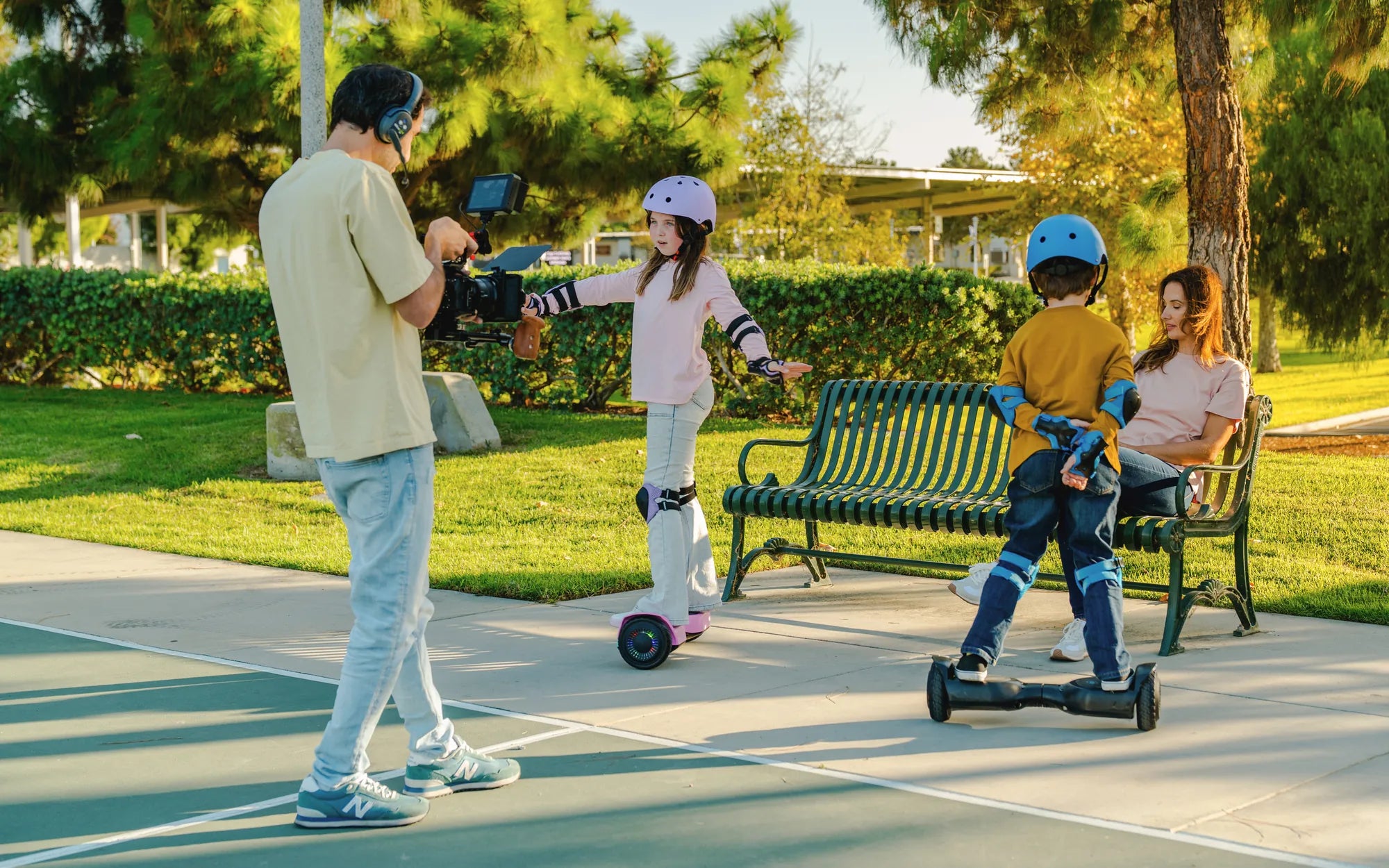
A CPSC-certified bicycle helmet is an absolute requirement for every single ride, no exceptions. It must fit snugly and be worn correctly. For beginners, a full set of knee and elbow pads is highly recommended to protect against inevitable learning-curve falls.
Visibility is a critical, often overlooked, aspect. If riding near dusk or in shaded areas, adding reflective stickers to the scooter and having your child wear a reflective vest or clothing with reflective elements dramatically increases their visibility to others. This layered approach to personal protection ensures your child is safeguarded from both their own mistakes and the actions of others in their environment.
Establishing Ground Rules: Where, When, and How to Ride
Clear, consistent rules are the framework for safe operation. Establish these before the first ride and reinforce them regularly.
- Supervision: Beginners must be actively supervised in a controlled, traffic-free environment like an empty parking lot or smooth driveway.
- Location: Riding should be restricted to sidewalks, bike paths, or parks—never on roads with vehicular traffic unless local laws explicitly permit it and the child is highly skilled.
- Conditions: No riding at night, in heavy rain, or on icy surfaces. Wet conditions reduce traction and braking effectiveness.
- Passengers & Distractions: Absolutely no passengers. Riding while using headphones or a phone is forbidden, as full attention on the surroundings is required.
- Respect: Yield to pedestrians, obey all local traffic laws for scooters, and be mindful of others sharing the path.
Maintenance and Care: Ensuring Longevity and Safety
Regular, simple maintenance keeps a kids electric scooter performing safely and extends its lifespan. Unlike a toy that can be neglected, an electric vehicle benefits from periodic checks. Fortunately, the maintenance required is minimal and can be turned into a learning opportunity about responsibility and tool care.
A well-maintained scooter is a safer scooter. Loose bolts can lead to wobbles, under-inflated tires affect handling, and dirty connections can cause electrical issues. A quick pre-ride check takes only a minute but can prevent accidents.
Pre-Ride Safety Checklist
Make it a habit for you and your child to run through these points before every ride:
- Tires: Check for proper inflation (if pneumatic) or visible damage/wear (if solid).
- Brakes: Test the braking system at low speed to ensure it engages smoothly and stops the scooter effectively.
- Fasteners: Check that the folding mechanism (if present), handlebar stem, and all visible bolts are tight and secure.
- Lights: Ensure any headlights or taillights are functioning for visibility.
- Battery: Confirm the battery has sufficient charge for the planned ride to avoid being stranded.
Battery Care and Storage Best Practices
Proper battery care is the single biggest factor in the long-term health of the scooter. Follow these guidelines:
- Use only the provided, manufacturer-approved charger.
- Avoid letting the battery fully deplete. Recharge after use or when the battery indicator shows one bar remaining.
- Do not leave the scooter plugged in for extended periods (days) after it is fully charged.
- For long-term storage (e.g., over winter), charge the battery to about 60-80% and store the scooter in a cool, dry place. Recharge it to this level every 2-3 months.
- Never charge the battery immediately after a ride; let it cool to room temperature first.
Frequently Asked Questions (FAQs) for Parents
Q: At what age is a child typically ready for an electric scooter?
A: Most children develop the necessary balance, coordination, and judgment around age 6-8. Readiness depends more on individual maturity, physical size, and ability to follow safety rules than on age alone. Always start with the slowest speed mode and active supervision.
Q: How long does the battery take to charge, and how long will it last overall?
A: A full charge typically takes 3 to 5 hours. The overall battery lifespan is measured in charge cycles (often 500+ for quality, UL-certified packs). With proper care, this translates to several years of regular use. Avoid extreme temperatures and full discharges to maximize battery life.
Q: Are electric scooters difficult for kids to maintain?
A> No, they require very little maintenance. Key tasks include checking tire pressure (for pneumatic tires), ensuring bolts are tight, keeping the scooter clean and dry, and following proper battery charging habits. Models with solid tires and IPX5 water resistance, like many from Gyroor, significantly reduce routine upkeep.
Q: Can my child ride their electric scooter to school?
A> This depends entirely on local school district policies and municipal laws. Many schools prohibit them on campus due to safety and liability concerns. Always check with your school administration and local transportation authorities first. Even if permitted, a completely safe route and strict adherence to all safety gear and rules are mandatory.
Q: What is the difference between a kids electric scooter and a regular adult model?
A> Kids models are specifically designed with lower top speeds, smaller deck and handlebar dimensions, lower weight capacities, and often include parental control features. They prioritize stability and safety over maximum power and range. Adult scooters are larger, faster, and built for heavier riders, making them inappropriate and unsafe for children.
Empowering Responsible Riders for the Long Term
Selecting the right kids electric scooter is an investment in your child's outdoor activity, independence, and development of motor skills. The process should be guided by verified safety data—UL-certified batteries, robust build quality, and appropriate performance controls—not just price or appearance. Matching the scooter's specifications to your child's age, weight, and riding environment ensures a safe and enjoyable experience that can grow with them.
This purchase is also a teaching moment. By pairing the scooter with mandatory safety gear and clear, consistent rules, you instill habits of responsibility and risk awareness. You are not just buying a product; you are facilitating an activity that requires respect for the equipment and the surrounding environment.
Ultimately, choosing a brand that aligns with these principles, such as Gyroor with its focus on UL certification, IPX5 water resistance, and comprehensive warranty, provides lasting value and genuine peace of mind. It ensures the fun lasts for seasons to come, supported by a foundation of safety and durability. Ready to explore models that meet these rigorous standards? Browse the full Gyroor collection at gyroorboard.com to find the perfect electric scooter for your young adventurer.
2 Wheeled Self Balancing Scooter: The Future of Urban Mobility
Christmas Gift Ideas for College Kids: Thoughtful and Practical Presents They'll Love