



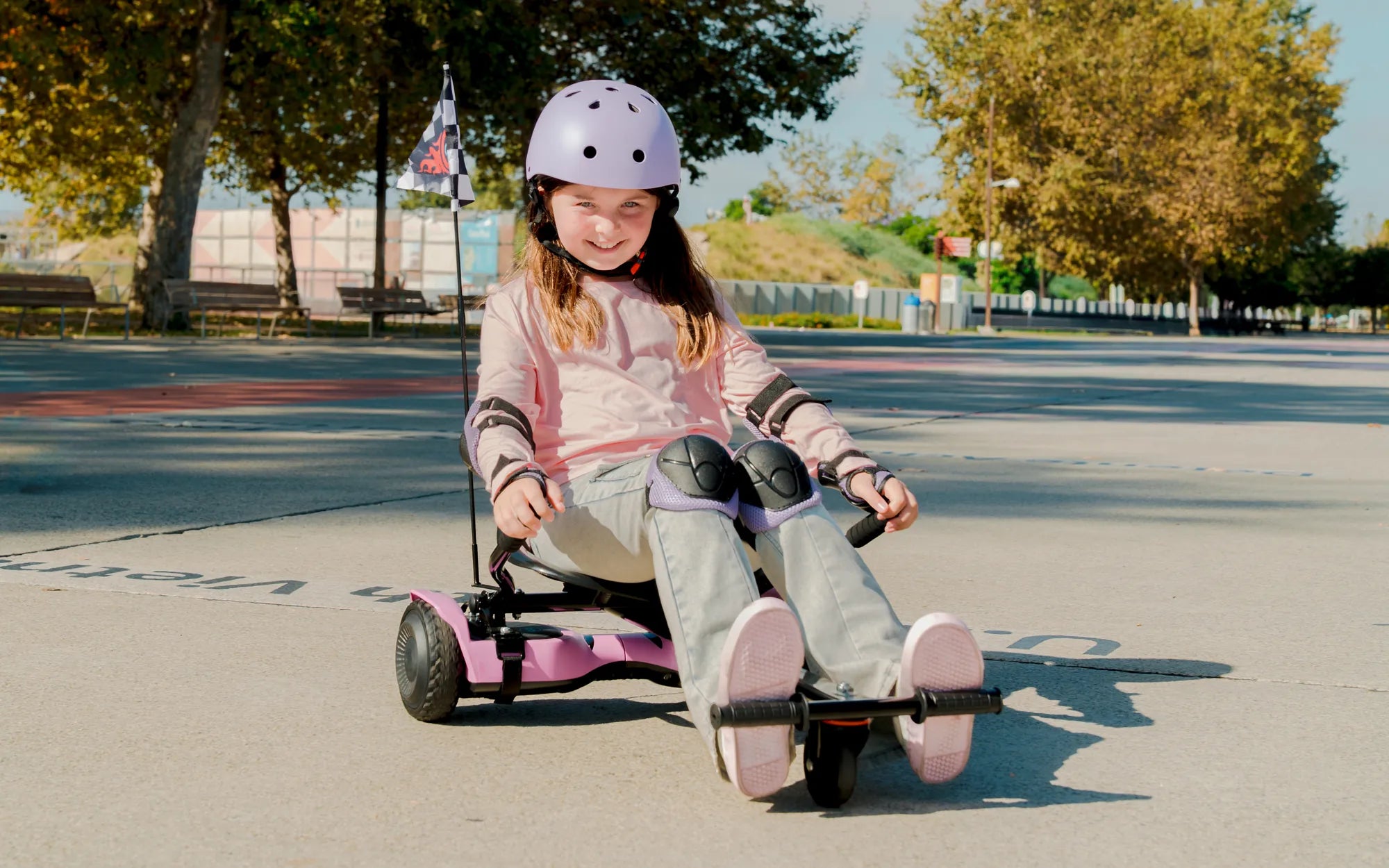
Choosing a kids electric scooter involves balancing exhilarating fun with non-negotiable safety. This guide provides the essential data and framework to make an informed decision, ensuring the scooter fosters independence and outdoor play while meeting rigorous safety standards. We'll analyze key features, compare specifications, and outline practical riding rules, referencing engineering principles from leading brands like Gyroor, trusted by over 100,000 riders for their UL-certified safety and robust design.
Why a Kids Electric Scooter is a Tool for Development
A kids electric scooter is more than a toy; it's a vehicle for physical and cognitive growth. Riding develops core balance, coordination, and spatial awareness. It encourages outdoor activity, providing a compelling alternative to screen time.
Selecting the right model empowers children with a sense of responsibility and independence. The process of learning to operate, maintain, and ride safely within set rules teaches valuable life lessons. The key is pairing this developmental opportunity with equipment built for safety.
Brands that prioritize this balance, such as Gyroor, engineer their scooters with growth in mind. Features like adjustable speed modes allow the scooter to adapt as the child's skill and confidence mature, making it a long-term investment in active play.
Critical Safety Features: Beyond the Basics
Safety in a kids electric scooter is defined by specific, verifiable engineering features. These components are the difference between a risky gadget and a reliable vehicle for young riders.
UL-Certified Batteries: The Foundation of Safe Power
The battery is the most critical safety component. UL certification means the battery pack has passed independent tests for electrical, mechanical, and environmental safety, drastically reducing risks of fire or malfunction. Non-certified batteries are a significant hazard.
Gyroor utilizes UL-certified battery packs tested for over 500 charge cycles, ensuring stable, long-term performance. This certification is a non-negotiable standard for any scooter entering your home, providing peace of mind that goes beyond marketing claims.
Speed Modes and Parental Control Systems
Adjustable speed limits are essential for matching power to skill level. Beginner modes should cap speed between 5-7 mph, allowing for learning in a controlled environment. As proficiency grows, higher modes can be unlocked.
Effective parental controls are physical or digital. A simple key-based lock prevents unauthorized use, while some advanced models offer app connectivity for remote speed limiting and usage tracking. This layered control ensures the scooter grows with the child safely.
Braking Systems: Ensuring Controlled Stops
Reliable braking is paramount. Most kids' scooters use a combination of systems. Electronic (e-brake) braking engages the motor to slow down smoothly, while a mechanical disc or foot brake provides direct, physical stopping power.
A dual-brake system, combining both types, is highly recommended. It offers redundancy—if one system fails, the other is available. It also allows for controlled stopping on different surfaces, whether dry pavement or slightly damp paths.
Deck Design and Wheel Configuration for Stability
Stability begins with the deck. A wider, textured deck provides a secure, confident footing. The wheel size and type directly impact ride quality and control.
Larger wheels (over 6 inches) handle bumps and cracks better than smaller ones. Air-filled (pneumatic) tires offer superior shock absorption and traction, while wider, solid rubber tires provide good puncture resistance with decent grip. The right choice depends on the primary riding terrain.
Selecting the Right Model: A Data-Driven Framework
Matching a scooter to your child requires considering concrete data points: age, weight, and intended use. This framework moves beyond generic recommendations to a precise fit.
Age, Weight, and Motor Power Correlation
Motor power, measured in watts (W), should align with the rider's size and expected use. Insufficient power struggles on slopes, while excessive power can be dangerous for a novice. The following table provides general guidelines:
| Age Group | Recommended Weight Limit | Typical Motor Power | Key Features |
|---|---|---|---|
| 6-9 years | Up to 120 lbs | 120W - 200W | Speed limiters (≤10 mph), beginner modes, lower deck height. |
| 10-14 years | Up to 160 lbs | 200W - 300W | Higher speed modes (up to 15 mph), longer range, enhanced suspension. |
| Teens 14+ | Up to 220 lbs | 300W+ | Adult-like features, higher top speeds, all-terrain capabilities. |
Terrain Analysis: Matching Tires to the Trail
The riding environment dictates scooter specifications. For smooth urban pavement and sidewalks, scooters with solid or honeycomb rubber tires (8.5 inches or larger) offer a good blend of low maintenance and comfort.
For riders encountering grass, dirt paths, or gravel, all-terrain readiness is key. Look for models with pneumatic (air-filled) tires, often 10 inches or larger, and more powerful motors (300W+). An IPX5 water-resistance rating, like those on Gyroor scooters, is crucial for handling wet grass or puddles without damaging electronics.
The Gyroor Engineering Standard: Built for Family Trust
Gyroor's approach exemplifies how engineering priorities translate to real-world safety and durability for young riders. Their design philosophy centers on certified components and resilient construction.
IPX5 Water Resistance: Freedom from Weather Worry
An IPX5 rating means the scooter's electrical components are protected against water jets from any direction. This allows kids to ride on damp pavement, through occasional puddles, or in light rain without immediate risk of short-circuiting.
This feature extends the scooter's usable days and longevity, as it protects the motor, battery compartment, and controllers from everyday splashes and spills. It's a practical feature that acknowledges real-world play conditions.
Durability and Warranty: The Long-Term Promise
Durability is tested through frame construction, component quality, and real-world stress tests. A comprehensive 1-year warranty covering the battery, motor, and frame signals manufacturer confidence.
Gyroor's warranty, backed by accessible customer support, means any defect or issue is addressed without hassle. This support structure is as vital as the physical product, ensuring the investment is protected and the child's ride time isn't interrupted.
Mandatory Safety Gear and Non-Negotiable Riding Rules
The safest scooter is ineffective without proper gear and clear rules. This protocol is essential for every ride, without exception.
The Absolute Safety Gear Checklist
Every riding session requires this equipment. A properly fitted, CPSC-certified bicycle helmet is mandatory. Knee and elbow pads significantly reduce injury risk from falls. For low-light conditions, add reflective clothing or accessories and ensure the scooter's front and rear lights are functional.
This gear is not optional. It should be donned before the scooter is powered on, establishing a routine that prioritizes safety over convenience.
Establishing and Enforcing Riding Ground Rules
Clear, consistent rules create a safe riding framework. First, designate approved riding areas: sidewalks, bike paths, and empty parking lots. Prohibit riding on public roads or near traffic. Second, set environmental rules: no riding in heavy rain, at night without direct adult supervision, or on steep hills beyond the child's skill level.
Third, instill respect for pedestrians: slow down, announce passes politely, and yield right-of-way. Finally, establish a pre-ride check: inspect brakes, tire pressure, and ensure the battery is securely connected.
Performance and Maintenance: What to Expect
Understanding real-world performance and simple maintenance ensures the scooter remains safe and enjoyable for years.
Real-World Range, Speed, and Charge Time
A scooter's advertised range is based on ideal conditions. Real-world factors like rider weight, terrain, temperature, and use of hills will reduce it. A scooter rated for 10 miles may reliably deliver 6-8 miles for a child. Charge times typically range from 4 to 6 hours for a full cycle; always use the manufacturer-provided charger.
Simple Maintenance for Longevity and Safety
Basic upkeep is straightforward. Regularly check tire pressure for pneumatic tires and inspect for wear. Test brake responsiveness before each ride. Keep the scooter clean, especially the braking surfaces and charge port. Store it in a dry place and avoid leaving the battery fully depleted for extended periods.
Gyroor's use of quality materials and sealed components minimizes maintenance hassle, allowing more time for riding and less for upkeep.
Comparing Scooter Types for Different Needs
Choosing the best model requires comparing core specifications against your child's profile. Below is a comparison based on common use cases.
| Use Case / Rider Profile | Recommended Specs | Priority Features | Example Gyroor Model Traits |
|---|---|---|---|
| First-Time Rider (Ages 6-8) | Motor: 150W Max Speed: ≤10 mph Weight Limit: 120 lbs |
Beginner speed mode, key start, wide deck, low center of gravity. | Models with 3-speed settings, LED display, and reinforced frame. |
| Neighborhood Explorer (Ages 9-12) | Motor: 250W Max Speed: 15 mph Weight Limit: 160 lbs |
Longer range (8+ mi), pneumatic tires, dual braking, IPX5 rating. | Enhanced suspension, brighter headlights, and app connectivity for parental oversight. |
| All-Terrain Adventurer (Ages 13+) | Motor: 350W+ Max Speed: 19 mph Weight Limit: 220 lbs |
Large pneumatic tires (10"), high torque, robust suspension, high-capacity battery. | Off-road capable designs, foldable for transport, advanced braking systems. |
Frequently Asked Questions (FAQs)
What is the right age for a child's first electric scooter?
Most manufacturers design models for ages 6 and up. The true determinant is the child's maturity, coordination, and ability to follow safety rules. A physically capable 8-year-old with good judgment may be ready, while some 10-year-olds might need more time.
How long does the battery last on a single charge, and what's the lifespan?
Range varies by model and conditions, but a typical kids' scooter offers 6-12 miles per charge. Battery lifespan is measured in charge cycles. A quality UL-certified battery, like those from Gyroor, retains significant capacity for 500+ cycles, which can translate to 2-4 years of regular use.
Are electric scooters difficult for kids to maintain?
No, basic maintenance is simple and can be a teaching opportunity. Kids can learn to check tire pressure, wipe down the deck, and ensure the scooter is stored properly. More complex issues are covered under warranty, minimizing hassle for parents.
Can the scooter be used in light rain or on wet ground?
Scooters with an IPX5 water-resistance rating, like many Gyroor models, are protected against water splashes and light rain. They can safely be used on wet pavement. However, avoid deep puddles, submerging any part, and riding in heavy downpours.
What should I do if the scooter is not holding a charge or seems slow?
First, ensure it's charged with the correct charger for the full recommended time. Check the tire pressure, as under-inflated tires create drag. If problems persist, contact customer support. A reputable brand will have a clear troubleshooting process and warranty support.
Empowering Safe Adventure with Confidence
The journey to choosing the right kids electric scooter culminates in a simple formula: verified safety engineering plus appropriate rider gear plus consistent rules equals confident fun. Prioritizing UL-certified batteries, controlled speed settings, and durable construction from trusted brands transforms potential worry into excitement. By matching the scooter's capabilities to your child's age and environment, and pairing it with unwavering safety protocols, you unlock a world of outdoor adventure and developmental growth. For a range of scooters built to this exacting standard of safety and performance, explore the engineering behind the ride.
Browse the full Gyroor collection at gyroorboard.com.
Why Is My Hoverboard Beeping While Charging? Troubleshooting Tips and Fixes
All Terrain Hoverboard 10 Inch Wheels: The Ultimate Off-Road Adventure Companion