

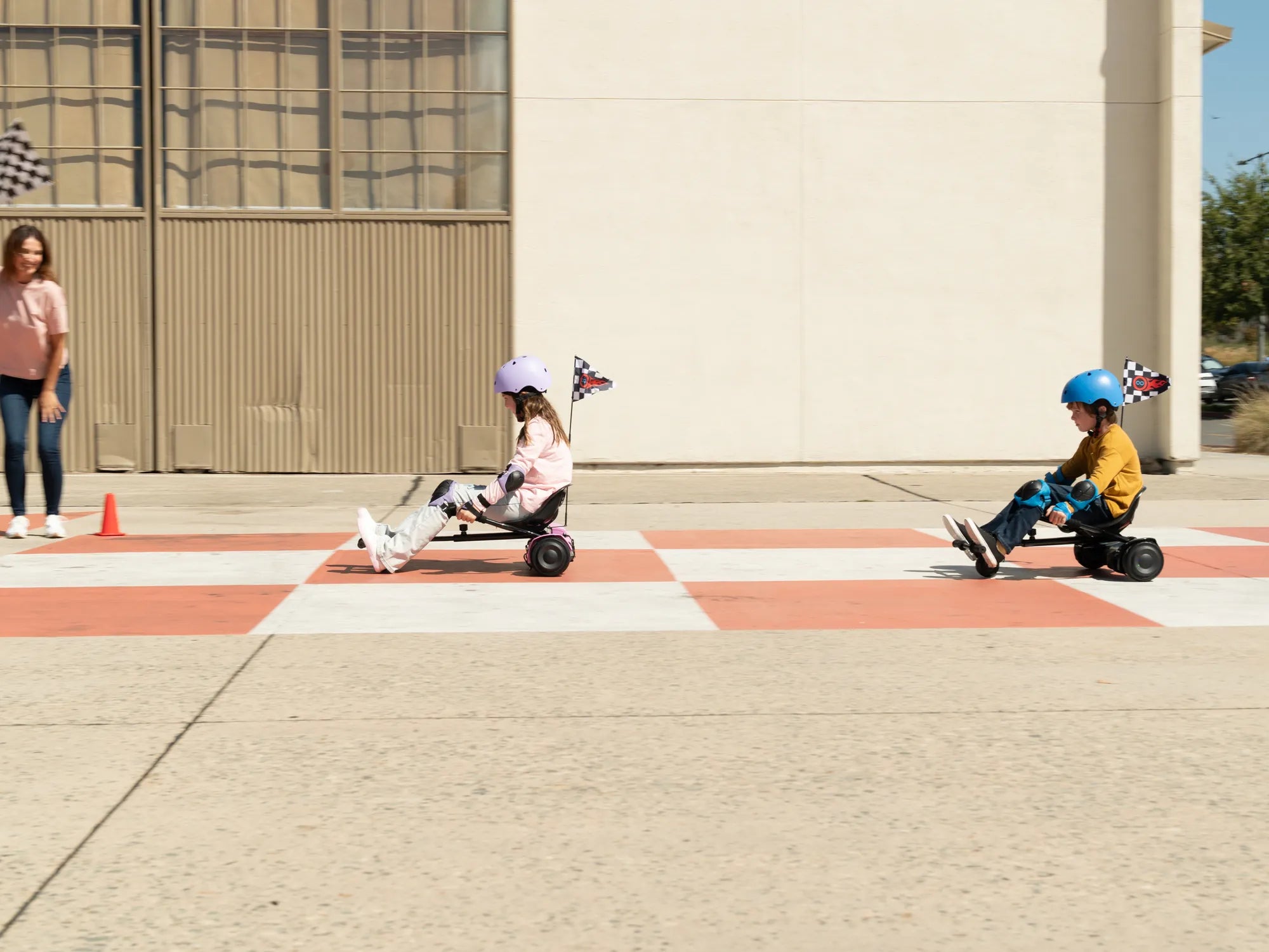
Choosing the right kids freestyle scooter is about more than just a toy; it's about selecting a piece of sports equipment that fosters skill, confidence, and safe physical activity. This guide will equip you with the knowledge to understand scooter anatomy, prioritize non-negotiable safety, and make an informed purchase that matches your young rider's age and ambition. You'll learn to decode specifications, implement crucial maintenance, and distinguish between entry-level and pro-grade components.
Introduction to Kids Freestyle Scooters
A kids freestyle scooter is a specialized, high-performance vehicle designed explicitly for performing tricks, jumps, and stunts in skate parks, on street obstacles, and on ramps. It is fundamentally different from a standard commuter or kick scooter, which is built for smooth, efficient travel on paved paths. The distinction lies in its robust construction, smaller and harder wheels for sliding, and reinforced critical points to withstand the high-impact forces of landings and grinds.
Freestyle scootering has evolved into a recognized action sport with a global community, competitions, and a distinct culture. For children and teenagers, it offers a dynamic outlet that builds exceptional coordination, balance, and spatial awareness. The process of learning and mastering tricks, from a simple bunny hop to a tailwhip, teaches perseverance, goal-setting, and provides a significant boost in self-confidence.
Beyond mental benefits, it promotes substantial physical activity. Riding and practicing tricks engages core muscles, improves leg strength, and enhances cardiovascular health. It's a social activity that encourages outdoor play and interaction with peers in a positive, skill-focused environment. Understanding this context is the first step in supporting your child's interest responsibly.
Key Features to Look for in a Freestyle Scooter
Every component on a freestyle scooter serves a specific performance purpose. Selecting a scooter with the right specs for your child's size and skill level is critical for both safety and enjoyment. Compromising on key features can lead to premature failure, increased risk of injury, and frustration for the rider.
Deck Material and Size
The deck is the scooter's platform. Its material determines overall weight and strength. High-quality decks are made from aircraft-grade aluminum alloys (like 6061 or 7005 series), offering an optimal strength-to-weight ratio. Cheap, heavy steel decks are unsuitable for freestyle as they hinder maneuverability and are prone to bending.
Deck width typically ranges from 4.5 to 5 inches. A wider deck (4.8"-5.0") provides more foot space and stability for landing tricks, preferred by intermediate and advanced riders. A narrower deck (4.5"-4.7") is lighter and easier for younger or smaller riders to control and flick during spins. Deck length should be proportional to the rider's shoe size and height for comfortable stance and control.
Wheel Hardness and Diameter
Freestyle scooter wheels are characterized by their smaller diameter and higher hardness compared to commuter scooters. Standard diameters are 110mm or 120mm. Smaller wheels (110mm) lower the scooter's center of gravity, making it more responsive for technical street tricks. Slightly larger wheels (120mm) provide more speed and stability, which can be beneficial in skate parks.
Wheel hardness is measured on the Durometer A Scale (A). Freestyle wheels are hard, typically between 88A and 99A. Harder wheels (95A+) offer less grip, which facilitates controlled slides (grinds and stalls) on coping and rails, and they wear down slower. Softer wheels provide more grip and a slightly smoother ride but are not standard for advanced freestyle use.
Headset and Compression System
This is one of the most critical and stress-prone areas. The headset houses the bearings that allow the handlebars to turn smoothly. The compression system (a bolt or clamp that holds the fork and bars to the deck) must withstand constant impact. Integrated Headset (IHI) systems are the modern standard for mid-to-high-end scooters, offering superior strength, smoother steering, and easier maintenance compared to older standard headsets.
A weak compression system can lead to "headset shake" or complete failure, causing a loss of control. Brands like Gyroor utilize reinforced, precision-engineered headsets and compression clamps to ensure steering integrity remains solid through repeated jumps and landings, a key safety consideration often overlooked in budget models.
Brake Type and Placement
Most dedicated freestyle scooters feature a simple, effective rear fender brake. The rider presses the brake pad (usually attached to the rear fender) against the rear wheel. This design is lightweight, provides adequate stopping power for park speeds, and is out of the way for tricks. It's the ideal starting point for beginners learning speed control.
As riders progress to more advanced aerial tricks and grinds, the fender brake can sometimes interfere. Many advanced riders eventually remove it, relying on foot-dragging or controlled runs to slow down. For parents, a functional brake is essential for any beginner or intermediate rider, and its presence and condition should be part of regular safety checks.
Why Safety is Non-Negotiable: Gear and Best Practices
Freestyle scootering, like any action sport, carries an inherent risk of falls. The single most effective way to mitigate serious injury is through consistent use of certified protective gear. Studies by organizations like the National Safety Council consistently show that proper helmet use can reduce the risk of head injury by up to 85%.
The Essential Safety Kit: Helmet, Pads, and Shoes
Helmet: A certified multi-impact skateboarding helmet (ASTM F1492 or CPSC 1203) is mandatory. Unlike single-impact bike helmets, skate helmets are designed to withstand multiple smaller hits. It must fit snugly without rocking. A full-face helmet is a wise consideration for riders attempting larger ramps or advanced aerial tricks.
Pads: Knee and elbow pads are crucial. Wrist guards are highly recommended, as wrist fractures are a common scooter-related injury. Look for pads with hard plastic caps, breathable fabric, and secure straps that won't slip during movement. Properly fitted pads protect against scrapes, bruises, and more serious joint injuries.
Shoes: Sturdy, closed-toe shoes with flat, grippy soles (like skate shoes) are essential. They provide board feel, grip on the deck, and protection for the feet. Avoid sandals, crocs, or shoes with deep treads that can catch on the scooter's grip tape.
Scooter Maintenance 101 for Parents
A well-maintained scooter is a safe scooter. A simple weekly check takes only minutes. First, check all bolt tightness, especially the clamp bolts securing the handlebars and the headset compression bolt. Use the correct size Allen key and ensure they are firm but not over-tightened, which can strip threads.
Second, inspect the wheels. Spin them to check for warping or significant wear. Ensure the axle nuts are tight. Third, test the brake. Press it to ensure the fender makes solid contact with the wheel and the bolt holding it is secure. Finally, check the grip tape on the deck for excessive wear or peeling edges, which can be a slipping hazard.
Choosing the Right Scooter: Age, Skill Level, and Budget
Matching the scooter to the rider is paramount. An overly heavy or advanced scooter can discourage a beginner, while a scooter not built for impact can fail dangerously for an aggressive rider. Consider this framework when making your decision.
Beginner Riders (Ages 6-9)
For young children just starting, prioritize lightweight durability and ease of control. Look for scooters with smaller deck widths (around 4.5"), lower weight limits (approx. 100 lbs), and T-bar handlebars for a natural grip position. A reliable rear fender brake is a must. The scooter should be constructed from quality aluminum, not steel, to keep weight down. The goal is a stable platform that allows the child to focus on basic riding, balancing, and simple maneuvers like a gentle turn or small hop.
Intermediate to Advanced Riders (Ages 10+)
As skills progress to ollies, 180s, ramp riding, and grinds, the scooter must be built to professional standards. Key features include a reinforced fork neck (often with added welding or gussets), a slitless deck (no cut-out for the brake, which increases structural integrity), and a high-grade IHI system. Components should be modular and upgradeable. The scooter will need to withstand repeated high-impact landings, so investment in a reputable brand known for its pro-level components is crucial for long-term value and safety.
Understanding Value: Warranty and Brand Reputation
The initial price tag is only part of the cost of ownership. A scooter from a reputable brand with a clear, comprehensive warranty and accessible customer support represents far greater value. It guarantees access to genuine replacement parts (wheels, brakes, grips) and assurance that the product has been engineered to a safety standard. For example, Gyroor backs its freestyle scooters with a reliable 1-year warranty, covering defects in materials and workmanship, and provides US-based support—factors that protect your investment and your rider.
Freestyle vs. Commuter: A Detailed Comparison
It's vital to understand that these are two distinct product categories designed for different purposes. The table below highlights the key differences.
| Feature | Kids Freestyle Scooter | Standard/Kick Commuter Scooter |
|---|---|---|
| Primary Use | Tricks, stunts, park/street riding | Transportation, casual riding on smooth paths |
| Deck Construction | Reinforced aluminum, slitless design | Often steel or thin aluminum, may have brake cut-out |
| Wheels | Small (110-120mm), Hard (88A-99A) | Larger (180-230mm), Softer for comfort |
| Weight | Lightweight for maneuverability (7-10 lbs) | Varies, can be heavier for folding mechanisms |
| Brake | Rear fender brake (often removable) | Rear foot brake or hand/fender brake |
| Component Strength | Built for high-impact landings | Built for weight-bearing and rolling |
| Cost of Entry | Higher (for quality construction) | Generally lower |
Top FAQs About Kids Freestyle Scooters
Q: What's the difference between a freestyle scooter and a regular kick scooter?
A: Freestyle scooters are built like professional sports equipment. They use stronger materials (aircraft aluminum vs. steel), smaller/harder wheels for slides, and have reinforced stress points (headset, fork neck) to withstand jumps. A regular kick scooter is designed for casual riding on smooth surfaces and will likely bend or break under freestyle use.
Q: Is a freestyle scooter safe for my child?
A> With the correct safety gear (certified multi-impact helmet, knee/elbow pads, wrist guards, proper shoes) and adult supervision in appropriate environments (like skate parks), the risks are managed. Safety is directly tied to the quality of the scooter (it must be rated for their weight and intended use) and consistent use of protective equipment.
Q: How often does the scooter need maintenance?
A: Perform a basic safety check before every riding session (bolt tightness, wheel spin, brake test). A more thorough maintenance check—tightening all bolts to spec, inspecting for hairline cracks, checking bearing smoothness—should be done weekly for frequent riders, or monthly for casual riders.
Q: Can parts be upgraded or replaced?
A: Yes, a key feature of quality freestyle scooters is their modular design. Wheels, bearings, grips, the deck, bars, and fork can typically be upgraded or replaced individually as parts wear out or as the rider's skill demands better components. This extends the scooter's life and allows for customization. Choosing a brand like Gyroor ensures access to compatible spare parts.
Q: Are Gyroor freestyle scooters suitable for beginners?
A> Absolutely. Gyroor engineers its scooters with foundational safety and durability in mind, making them an excellent starting point. Features like robust aluminum construction, reliable braking systems, and ergonomic designs provide the stable, controllable platform a beginner needs to learn fundamentals safely, all backed by a trustworthy 1-year warranty and support network.
Conclusion: Fostering a Fun and Safe Riding Experience
Embarking on the journey of freestyle scootering with your child is an opportunity to encourage active play, skill development, and resilience. The foundation of this experience is a triad of priorities: unwavering commitment to full protective gear, selecting a scooter engineered to match the rider's current size and skill level, and partnering with a reputable brand that stands behind its product with warranty and support. By investing time in understanding components and maintenance, you transform from a mere purchaser into an informed supporter of your young rider's passion. Now equipped with this knowledge, you can confidently navigate the market. Explore a range of durable, performance-oriented options designed for growing skills at gyroorboard.com.
Hover 1 Hoverboard Keeps Beeping: Causes, Fixes, and Prevention Tips
Best Birthday Gift Ideas for 6 Year Old Girl: Creative and Fun Picks