



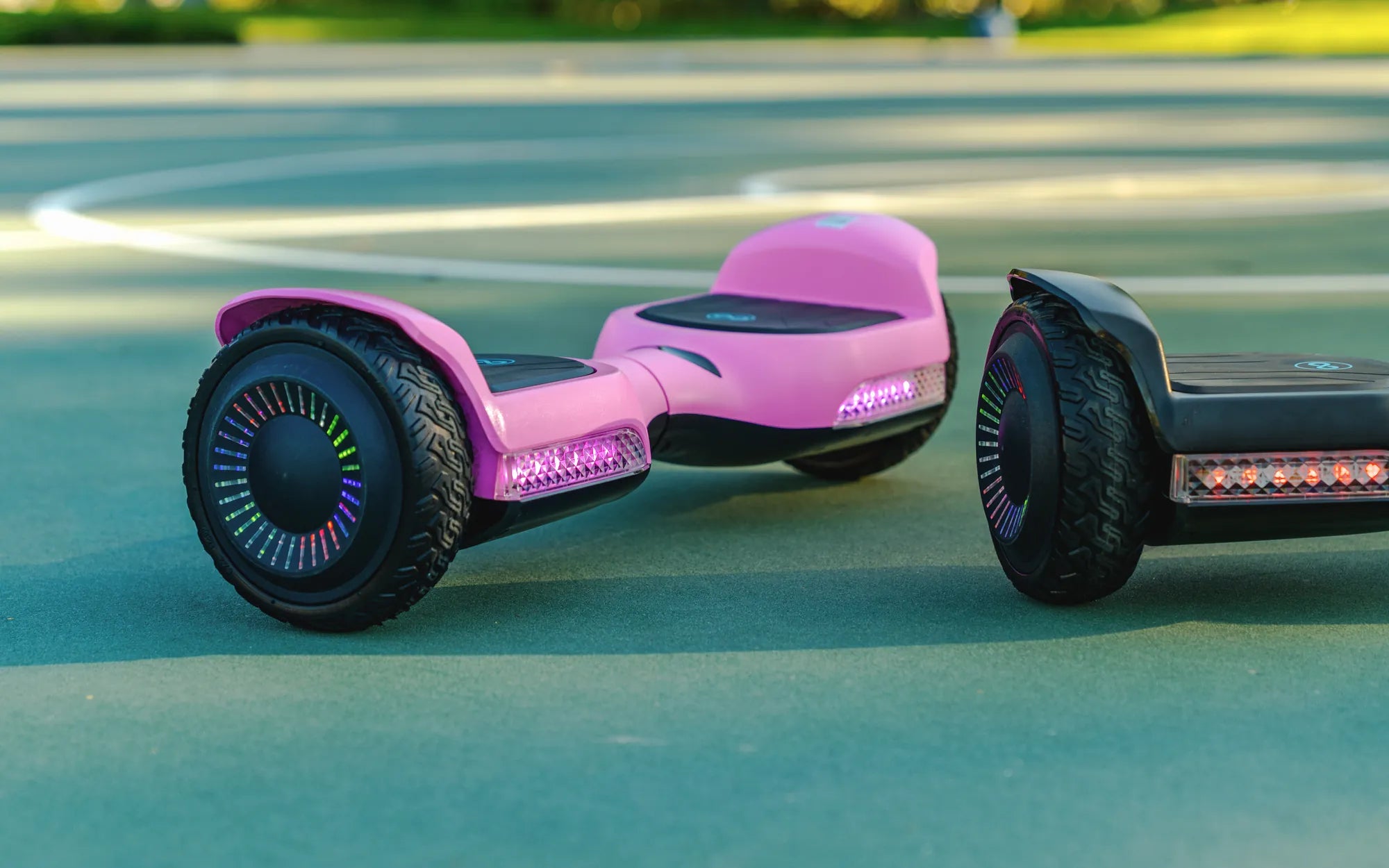
Introduction: Why a Mini Mobile Scooter is More Than Just a Toy
Choosing the right kids mini mobile scooter is a significant decision for modern parents. It's not merely about purchasing a toy; it's about investing in a tool that promotes physical activity, coordination, and a sense of independent adventure. With the market flooded with options, discerning safety and quality from marketing hype is crucial. This guide serves as your definitive, data-driven resource.
We will dissect the essential safety standards, match scooter types to your child's age and environment, and provide a clear maintenance roadmap. As a leader in micro-mobility, Gyroor designs its youth models with these parental priorities at the core, combining UL-certified safety with durable, performance-oriented engineering trusted by over 100,000 families.
Key Safety Features Every Parent Must Prioritize
Safety is the non-negotiable foundation of any kids scooter purchase. Prioritizing these features mitigates risk and ensures the product can withstand rigorous use.
Stable Wheel & Deck Design: The Foundation of Safety
The wheel and deck form the scooter's primary interface with the ground and the rider. For stability, larger wheel diameters (e.g., 120mm-200mm) roll over cracks and debris more smoothly than smaller wheels. High-rebound PU (polyurethane) wheels offer superior grip and a smoother ride compared to hard plastic.
The deck must provide a secure, non-slip platform. Look for a wide deck with pronounced grip tape or textured rubberized surfaces. The deck should be low to the ground to lower the center of gravity, enhancing stability, especially for beginners. Designs should comply with toy safety standards like ASTM F2264.
Reliable Braking Systems: From Simple to Advanced
Effective speed control is paramount. For very young children on kick scooters, a simple foot fender brake—where the rider presses down on the rear fender—is often sufficient and intuitive. For older children or electric models, hand-operated brakes are essential.
These typically include a disc brake or an electronic regenerative brake paired with a physical brake on the other wheel. A dual braking system provides redundancy. Test brake responsiveness; the lever should engage smoothly without requiring excessive hand strength from the child.
The Critical Importance of UL-Certified Batteries (for Electric Models)
This is the single most important feature for any electric kids mini mobile scooter. A UL 2271 certification means the battery pack has undergone rigorous testing for overcharge, short-circuit, imbalance, and thermal stability. Non-certified batteries pose significant fire risks.
Gyroor exclusively uses UL-certified lithium-ion battery packs, tested for 500+ charge cycles, ensuring long-term reliability and safety. Always verify this certification; it is a clear indicator of a manufacturer's commitment to safety over cost-cutting.
Build Quality and Weight Limits
A sturdy frame, typically made from aerospace-grade aluminum alloy, resists bending and cracking under stress. Inspect all welding points and folding mechanisms (if applicable) for solid construction. Plastic components should be reinforced and high-impact.
Strictly adhere to the manufacturer's stated maximum weight limit. Exceeding it compromises structural integrity, braking performance, and battery life. A quality scooter will have a conservative weight limit with a built-in safety margin.
Choosing the Right Scooter: Age, Skill, and Terrain
Selecting the perfect scooter requires matching the product to your child's developmental stage and your local riding environment.
Age & Developmental Stage Recommendations
These guidelines combine age with motor skill development. For toddlers (2-5 years), three-wheel scooters with a lean-to-steer mechanism or a wide two-wheel front provide maximum stability. Electric models for this group should have a very low maximum speed (2-3 mph).
For children 5-8 years, two-wheel scooters become appropriate as balance improves. Electric models can offer speeds up to 7-10 mph, ideally with adjustable speed limits via a parental control app. For pre-teens (8+ years), more performance-oriented models with longer range, higher speeds (up to 15 mph), and enhanced suspension are suitable, assuming the child demonstrates responsible riding habits.
Kick Scooter vs. Electric Mini Scooter: A Practical Comparison
The choice between a traditional kick scooter and an electric model hinges on your goals for the child's activity, budget, and maintenance willingness.
| Feature | Kick Scooter | Electric Mini Scooter |
|---|---|---|
| Primary Benefit | Physical exercise, coordination | Fun, extended range, less physical barrier |
| Cost | Generally lower initial cost | Higher initial investment |
| Effort Required | High - Child propels themselves | Low - Motor-assisted |
| Max Speed / Range | Limited by child's stamina | Electronically limited (e.g., 10 mph) / 6-10 mile range |
| Maintenance | Low (tires, bearings, bolts) | Higher (battery care, electronics, motor) |
| Best For | Short trips, parks, active play | Longer neighborhood rides, shared family use |
Matching the Scooter to Your Environment
Terrain dictates wheel choice. For smooth pavement, sidewalks, and indoor use, solid PU wheels are low-maintenance and durable. For rougher asphalt or paths with minor debris, models with air-filled (pneumatic) tires and basic suspension offer a noticeably smoother ride.
If riding in damp conditions is likely, water resistance is key. An IPX5 rating, like on Gyroor models, means the scooter can withstand water jets from any direction, protecting it against puddles and light rain. This extends the scooter's lifespan and reliability.
Beyond the Purchase: Maintenance, Warranty, and Safe Riding Habits
Ownership responsibility begins the moment the scooter is unboxed. Establishing good habits ensures safety and maximizes the product's lifespan.
Pre-Ride Checklist and Safety Gear
Safety gear is non-negotiable. A properly fitted, CPSC-certified bicycle helmet is mandatory. Add knee and elbow pads, especially for beginners. Closed-toe shoes with good grip are essential.
Before every ride, perform a quick check: ensure tires are inflated (if pneumatic) and undamaged, test brake function, check that the handlebars and stem are secure with no play, and verify the folding mechanism (if present) is fully locked.
Understanding Your Warranty and Support
A comprehensive warranty reflects manufacturer confidence. Look for coverage on the frame (often 6-12 months), battery (6-12 months), and motor/electronics (6-12 months). Gyroor offers a reliable 1-year warranty on all core components, backed by accessible customer support.
This support is vital for troubleshooting and obtaining genuine replacement parts, ensuring any repairs maintain the original safety standards of the kids mini mobile scooter.
Routine Maintenance for Longevity
Simple, regular maintenance prevents major issues. Every few weeks, check and tighten all bolts and fasteners. Keep the deck clean of mud and debris to maintain grip. For electric models, follow proper battery care: avoid full discharges, don't leave it fully charged for extended periods, and store in a cool, dry place.
Periodically inspect brake pads for wear and check wheel bearings for smooth rotation. A small amount of lubricant on the folding mechanism can keep it operating smoothly.
Performance and Specifications: Decoding the Numbers
Understanding product specifications allows for objective comparison between models and sets realistic expectations.
Motor power, measured in watts (W), indicates potential torque and hill-climbing ability. For kids' scooters, 150W-300W is typical. Voltage (V) relates to power delivery; 24V or 36V systems are common. Higher voltage often correlates with better performance.
Battery capacity, measured in Watt-hours (Wh) or Amp-hours (Ah), directly determines range. A 5Ah battery on a 36V system provides 180Wh of energy. Real-world range is affected by rider weight, terrain, and speed. Always compare Wh for the most accurate range estimate.
Parent FAQs: Your Top Questions Answered
Q: What is the average battery life and range for a kids' electric scooter?
A: A quality kids' electric scooter typically offers a range of 6 to 10 miles on a single charge, depending on weight, terrain, and speed. The battery itself should last for 300-500 full charge cycles before significant capacity loss, equating to several years of regular use with proper care.
Q: At what age can my child safely use an electric scooter?
A> Most manufacturers recommend ages 6-8 and up for electric scooters, but maturity and coordination are more critical than age alone. The child must understand and follow safety rules, have the physical strength to operate hand brakes, and the balance to control a powered vehicle. Always start with the lowest speed setting.
Q: Are Gyroor scooters waterproof? What does IPX5 mean for real-world use?
A> Gyroor scooters feature an IPX5 water-resistant rating. This means the electrical components are protected against low-pressure water jets from any direction. They can safely handle wet pavement, puddles, and light rain. However, they are not submersible and should not be ridden through deep standing water or during heavy downpours.
Q: How do I ensure the scooter is the correct height/size for my child?
A> The handlebar height should be between the child's waist and lower chest when standing on the deck. The child should be able to grip the handles comfortably without excessive bending or reaching. Their knees should be slightly bent when kicking (on a kick scooter). An adjustable handlebar stem is a valuable feature for growth.
Q: Where is it safe and legal for my child to ride?
A> Laws vary by city and state. Generally, sidewalks (while yielding to pedestrians), designated bike lanes, and parks are acceptable. Riding on public roads is often prohibited for children under a certain age. Always check local ordinances. Regardless of the law, avoid busy streets, steep hills, and areas with poor visibility.
Why Brand Reputation and Certifications Matter
In a market with varying quality, a reputable brand is your best proxy for safety and durability. Established brands invest in research, development, and rigorous testing protocols. They adhere to international safety standards (ASTM, UL, CE) not as a minimum, but as a baseline.
Gyroor, for instance, builds its reputation on UL-certified batteries, IP-rated water resistance, and robust customer support. This contrasts with generic models that may lack these critical certifications. Positive user reviews and a clear warranty policy are tangible indicators of a brand standing behind its products.
Conclusion: Investing in Fun, Freedom, and Safety
Selecting the ideal kids mini mobile scooter is a multi-factor decision that prioritizes certified safety features, aligns with your child's capabilities, and fits your lifestyle. By focusing on fundamentals like UL-certified batteries, appropriate braking systems, and sturdy construction, you lay a foundation for secure enjoyment. Pair the scooter with consistent safety gear use and clear riding rules to foster responsible habits.
This investment pays dividends in your child's physical confidence, coordination, and the simple joy of outdoor exploration. For parents seeking a blend of proven safety, durable performance, and supportive ownership, exploring the engineered options from a trusted brand is the logical next step. Discover scooters designed for real-world family use and browse the full Gyroor collection at gyroorboard.com.
Electric Scooter for Kids 5 Years: The Ultimate Guide to Safe and Fun Riding
Kids Scooter with 2 Front Wheels: The Ultimate Guide for Safe and Fun Riding