



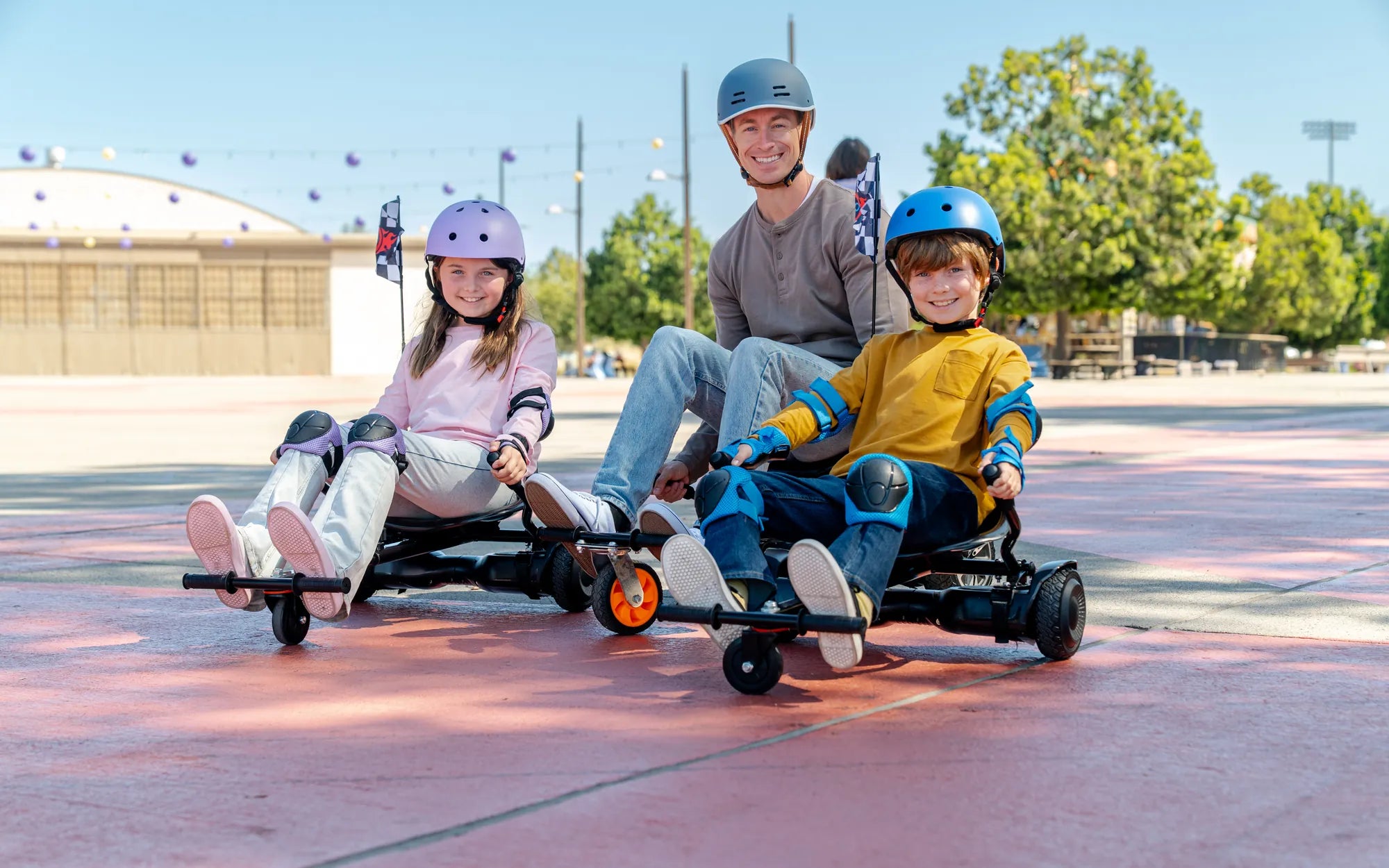
Choosing the right off-road electric scooter for your child is about more than picking a cool toy. It's about selecting a vehicle for adventure that prioritizes safety, builds confidence, and gets kids outdoors. This guide cuts through the marketing hype to give you the facts, data, and practical advice you need. You'll learn how to identify key safety features, match a scooter to your child's age and the local terrain, and establish rules for responsible riding. Let's dive into the ultimate guide for parents on Kids Off Road Electric Scooters.
What Is a Kids Off-Road Electric Scooter? Defining the Adventure
A kids' off-road electric scooter is a purpose-built vehicle designed to handle unpaved surfaces like grass, dirt paths, gravel, and light trails. It is fundamentally different from the sleek, small-wheeled scooters used on smooth city sidewalks.
These rugged models are engineered with specific features for variable terrain. The core distinction lies in their robust construction, which prioritizes stability, traction, and durability over lightweight portability.
Key design elements include larger, air-filled (pneumatic) tires, often 8 inches or more in diameter. These tires provide crucial shock absorption and grip. Enhanced suspension systems, either in the front fork, rear, or both, further smooth out bumps.
The frames are typically made from reinforced aluminum or steel to withstand the stresses of off-road use. Motors are more powerful, usually ranging from 250W to 350W, to tackle inclines and rough ground. This combination of features creates a scooter built for exploration beyond the pavement.
Key Safety Features Every Parent Must Look For
Safety is the paramount concern when selecting any motorized vehicle for a child. An off-road scooter must have built-in safeguards that give you control and protect your young rider.
The first non-negotiable feature is adjustable speed modes with a secure parental control function. Look for models that offer at least two, preferably three, speed settings (e.g., 5 mph, 10 mph, 15 mph) that can be locked with a PIN code or a physical key. This allows you to start beginners on the slowest setting.
Braking systems are critical. A combination of an electronic brake (which uses the motor to slow down) and a reliable mechanical brake—such as a disc brake or a robust rear foot brake—provides redundant stopping power. Disc brakes generally offer more consistent performance in varied conditions, including light mud or wet grass.
Stability is engineered into the design. A longer wheelbase and a wide deck provide a more balanced platform. Bright, integrated LED headlights and taillights are essential for visibility during dusk adventures or in shaded wooded areas. Never compromise on these core safety systems.
The Importance of UL-Certified Batteries and Water Resistance
The battery is the heart of the scooter and a major safety component. Insist on a model with a UL-certified battery pack. This certification means the battery has undergone rigorous independent testing for electrical, fire, and mechanical hazards, significantly reducing the risk of malfunction.
Brands like Gyroor use UL-certified batteries tested for over 500 charge cycles, ensuring both safety and long-term reliability. A quality battery management system (BMS) within the pack also prevents overcharging, over-discharging, and short circuits.
Water resistance is equally vital for off-road use. The IP rating indicates protection against solids and liquids. An IPX5 rating, common in reputable off-road models, means the scooter can withstand water jets from any direction.
This rating protects the electrical components from splashes, puddles, and wet grass. It is not a license for riding in heavy rain or through deep puddles, but it provides essential peace of mind for real-world conditions.
Choosing the Right Model: A Parent's Buying Checklist
Use this practical checklist to evaluate models and find the perfect match for your child and your family's lifestyle. Don't just buy the most powerful one; buy the most appropriate one.
1. Age & Weight Limits: Check the manufacturer's recommended age range and maximum weight capacity. Exceeding the weight limit stresses the frame, motor, and battery, compromising safety and performance. A good starting age is typically 8+, with solid balance and coordination.
2. Motor Power & Terrain: Motor wattage (e.g., 250W, 350W) indicates power. For flat grass and hard-packed dirt, 250W may suffice. For hills, loose gravel, or rougher trails, 350W provides necessary torque. Match the motor to your local terrain.
3. Battery Range: Advertised range is often an ideal scenario. Expect real-world range to be 60-70% of the claim, especially off-road. A 10-12 mile claimed range typically translates to a solid 60-90 minutes of adventurous riding, which is ample for most kids.
4. Adjustability & Growth: Adjustable handlebar height is a valuable feature that lets the scooter grow with your child over several years, providing better value and a more comfortable riding posture.
5. Warranty & Support: A comprehensive warranty (at least 1 year on the frame, motor, and battery) and accessible customer service are signs of a confident manufacturer. It ensures you have support if any issues arise.
Gyroor's Commitment to Safety and Durability
When evaluating brands against the parent's checklist, Gyroor's design philosophy aligns closely with these core requirements. Their off-road models are built with the understanding that kids will push limits, so durability and safety cannot be an afterthought.
Every Gyroor scooter features a UL-certified battery pack as standard, addressing the primary safety concern head-on. Their IPX5 water-resistant construction ensures the electronics are protected from the elements encountered off-road.
The frames are engineered for the rigors of outdoor use, and critical components are backed by a reliable 1-year warranty. This commitment, trusted by over 100,000 riders, provides parents with the assurance that the scooter is built to responsible standards.
Performance and Practicalities: What to Expect on the Trail
Managing expectations is key to a satisfying experience. Off-road electric scooters for kids are not miniature dirt bikes. Their performance is tuned for safety and accessibility.
Top speeds are typically capped between 10 and 15 mph. This is fast enough to feel thrilling for a child but slow enough for a supervising adult to keep pace on foot or a bicycle. The real joy comes from tackling obstacles and exploring trails, not pure speed.
Charging times are generally 4 to 6 hours for a full charge. Teach your child to plug in the scooter after it cools down, so it's always ready for the next adventure. The scooters themselves can weigh between 30 and 40 lbs, which is manageable for an adult to lift into a car trunk but something to consider for storage.
Start on easy terrain: flat, mowed grass or smooth dirt paths. Gradually introduce gentle slopes and minor obstacles as your rider gains confidence and skill. Always scout the trail first for major hazards like large rocks, deep ruts, or unexpected drop-offs.
Teaching Responsible Riding: Rules, Etiquette, and Maintenance
The purchase is just the beginning. Instilling responsible habits ensures long-term safety and enjoyment, and teaches valuable life lessons about caring for equipment.
Establish Non-Negotiable Rules: These should include: Always wear a helmet, knee pads, and elbow pads. Ride only in designated, safe areas—never on public roads or streets. Supervise until you are confident in their skill and judgment. Obey a pre-agreed range boundary.
Trail Etiquette: Teach your child to yield the right of way to pedestrians, hikers, and cyclists. Control speed around others and when approaching blind corners. Stay on established trails to protect the environment. A polite "passing on your left" is a good habit to form.
Basic Maintenance Routine: A few minutes of care extends the scooter's life. Weekly checks should include: tire pressure (keep pneumatic tires properly inflated), brake function (test before each ride), and bolt tightness (check deck and handlebar clamps). Clean off mud and debris with a damp cloth after riding, avoiding direct water spray on connectors.
Comparing Scooter Types for Different Use Cases
Not all electric scooters are the same. The table below highlights the key differences between off-road models and standard city/commuter scooters to clarify their distinct purposes.
| Feature | Kids' Off-Road Scooter | Standard City Scooter |
|---|---|---|
| Primary Use | Grass, dirt trails, gravel, uneven surfaces | Paved sidewalks, smooth bike paths, asphalt |
| Tires | Large (8"+), air-filled (pneumatic) | Smaller (6-8"), often solid rubber |
| Suspension | Front and/or rear suspension common | Minimal or no suspension |
| Motor Power | More powerful (250W-350W) for torque | Moderate power focused on efficiency |
| Deck & Frame | Wider deck, reinforced durable frame | Sleeker, lighter-weight frame |
| Key Advantage | Stability & comfort on rough terrain | Portability & agility on smooth pavement |
Frequently Asked Questions (FAQ) for Concerned Parents
Q1: What is a safe age for a child to start using an off-road electric scooter?
Most manufacturers recommend ages 8 and up. The critical factor is not just age, but the child's size (meeting the minimum weight requirement), coordination, maturity, and ability to understand and follow safety rules. Supervised practice in a safe, open area is essential for any beginner.
Q2: How do I lock the speed or use parental controls?
Methods vary by brand. Most quality off-road scooters have a speed setting button on the display or handlebar. You select the desired limit (e.g., Mode 1 for 7 mph) and then activate a PIN lock via the display or use a provided physical key to lock the settings. Always consult the manual and set this up before the first ride.
Q3: Is it safe to ride in light rain or on wet grass?
A scooter with an IPX5 water resistance rating is designed to handle wet conditions like light rain, puddles, and damp grass. However, traction is reduced on wet surfaces. Riders should slow down significantly, avoid sharp turns, and be extra cautious. Never submerge any part of the scooter in water.
Q4: What is the true total cost of ownership beyond the purchase price?
Factor in the essential safety gear: a properly fitted bicycle or multi-sport helmet ($40-$80), knee and elbow pads ($25-$50). Potential future costs include replacement inner tubes for pneumatic tires, brake pads, and a new battery after several years of use. A quality scooter with a good warranty minimizes unexpected repair costs.
Q5: How does the warranty work, and what does it typically cover?
A standard 1-year warranty, like Gyroor's, usually covers defects in materials and workmanship for the frame, motor, controller, and battery. It does not cover damage from accidents, misuse, neglect, or normal wear and tear (like tires). Always register your product after purchase and keep your receipt to streamline any warranty service.
Empowering Safe and Exciting Adventures
The right kids' off-road electric scooter opens up a world of outdoor exploration, physical activity, and confidence-building fun. By prioritizing verified safety features like UL-certified batteries, robust construction, and effective parental controls, you can make an informed choice that balances thrill with peace of mind. This guide has equipped you with the knowledge to select a durable model, establish ground rules, and foster a responsible riding culture. The trail awaits—prepare for adventures that create lasting memories.
Ready to explore rugged, kid-tested models built with safety as the core principle? Browse the full Gyroor collection at gyroorboard.com to find the perfect off-road electric scooter for your young adventurer.
Hoverboard Electric Skateboard: The Future of Personal Transportation
Hoverboard vs Skateboard: Which Ride is Right for You?