

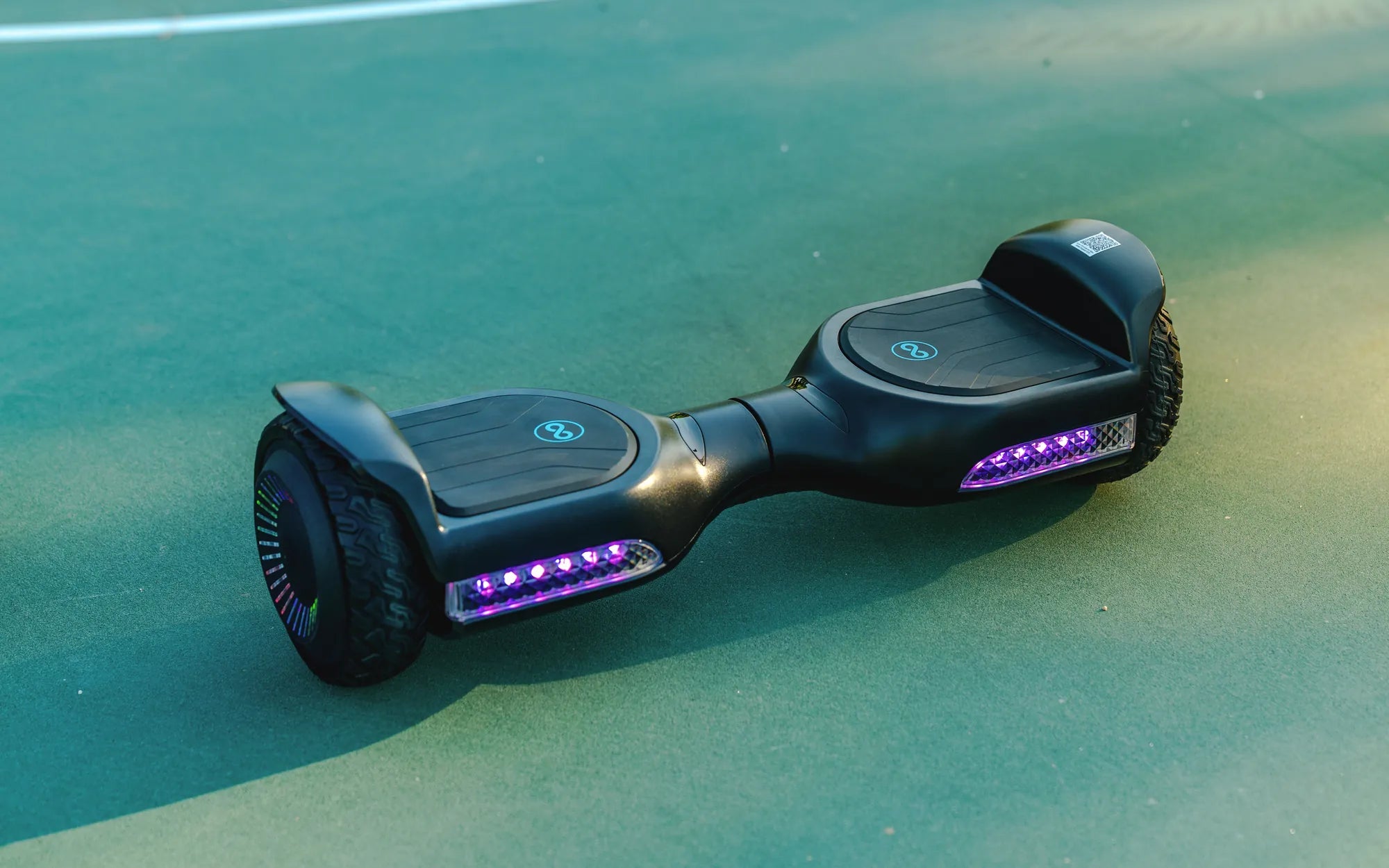
Choosing the right Kids Scooter 10+ is a critical decision that impacts your child's safety, independence, and enjoyment. This age group, typically 10 to 15 years old, represents a significant shift in mobility needs. Riders are heavier, faster, and travel further than younger children. They need a vehicle that's not just a toy, but a reliable form of personal transport for neighborhood adventures, school commutes, or park trails. This guide provides the comprehensive, factual analysis you need to make an informed choice, focusing on the engineering and safety standards that truly matter for older children. We'll demystify specifications, highlight non-negotiable safety features, and explain why brands with proven reliability, like Gyroor—a leader in electric mobility trusted by over 100,000 riders—set the benchmark for this demanding category.
Understanding the 10+ Rider: Physical and Usage Demands
Children aged 10 and older are in a rapid phase of physical development. Their coordination, strength, and judgment are maturing, allowing for more complex motor activities. A scooter for this demographic must be engineered to match this growth. It's no longer about basic stability; it's about performance, control, and durability that can keep pace with an active pre-teen or teenager.
The primary use cases expand significantly. What was once tooling around the driveway now includes commuting to school (often 1-3 miles each way), meeting friends across the neighborhood, or exploring local bike paths. This requires a scooter with a meaningful range, adequate speed for keeping up with traffic on residential streets, and a robust build to handle occasional curbs or uneven pavement. The emotional component is equally important: this scooter is a key to independence, and its reliability directly impacts your child's confidence and your peace of mind.
Manufacturer age and weight recommendations are the starting point, not the finish line. A scooter rated for ages 10+ and 154 lbs must be scrutinized for its real-world performance at that maximum capacity. Does it maintain stability and braking power? Furthermore, the rider's height is crucial for proper handling. The handlebar height should allow for a slight bend in the elbows, promoting control and comfort during longer rides.
Safety First: Non-Negotiable Features for Pre-Teens & Teens
When speed and distance increase, safety systems must be paramount. The most critical component is the braking system. For a Kids Scooter 10+, a dual-brake system is highly recommended. This typically combines a reliable disc or drum brake on the rear wheel with an electronic brake (e-brake) that engages when the throttle is released. This redundancy is essential for controlled stopping in varied conditions.
Visibility is non-negotiable. Integrated, bright LED headlights and taillights are a must, not an accessory. They should be always-on or easily activated, ensuring the rider is seen by motorists at dawn, dusk, or in overcast weather. Reflective decals or wheel strips provide additional passive safety. Another key feature is a speed limiter or multiple riding modes (e.g., Beginner, Eco, Sport). This allows parents to cap the top speed while a child is learning, with the ability to unlock more power as their skill and responsibility grow.
Beyond the scooter itself, proper safety gear is mandatory. A CPSC-certified bicycle helmet is the absolute minimum. For higher-speed electric models, additional gear like knee and elbow pads, and durable gloves, should be strongly considered. Establishing these safety habits early is part of the responsible ownership that comes with a more capable ride.
Durability & Build Quality: Withstanding the Test of Time (and Rough Play)
The build quality of a scooter for older children separates a seasonal toy from a multi-year investment. The frame material is foundational. Aircraft-grade aluminum alloy is the industry standard for high-quality models, offering an excellent strength-to-weight ratio. It resists corrosion and can withstand the impacts and stresses of daily use far better than cheaper, heavier steel or brittle plastic composites.
Weather resistance is a key indicator of durability. An IP rating (Ingress Protection) tells you how well the scooter is sealed against dust and water. For real-world use, a rating of at least IPX4 (splash-resistant from all angles) is advisable. Leading brands like Gyroor engineer their core models to IPX5 standards, meaning they can withstand low-pressure water jets, making them safe to ride through puddles or in light rain without worry of electrical short-circuiting.
Tire choice significantly affects ride quality and maintenance. Air-filled (pneumatic) tires provide superior shock absorption, offering a smoother ride over cracks and bumps, which improves control and comfort. Solid rubber or honeycomb tires eliminate the risk of flats but result in a harsher ride. For a Kids Scooter 10+ used on varied surfaces, pneumatic tires are often the preferred choice for performance, though quality airless tires are a viable, maintenance-free alternative.
Navigating the Technical Specifications: Motor, Battery, and Speed
Understanding the core specs demystifies performance claims and sets realistic expectations. Motor power, measured in watts (W), directly influences acceleration and hill-climbing ability. For older children on varied terrain, a motor in the 250W to 350W range is typically sufficient. A 250W motor can handle moderate inclines, while a 350W motor provides more confident climbing power and acceleration, which is useful for riders at the upper end of the weight limit or in hilly neighborhoods.
The battery determines how far the scooter can go on a single charge. Capacity is measured in watt-hours (Wh), often derived from voltage (V) and amp-hours (Ah). For example, a 36V 7.5Ah battery is a 270Wh pack. For a Kids Scooter 10+, a realistic expected range is between 10 and 15 miles per charge under real-world conditions (factoring in rider weight, terrain, and speed). Crucially, the battery's safety certification is more important than its capacity alone. UL 2271 certification is the gold standard, indicating the battery pack has passed rigorous electrical, mechanical, and environmental stress tests to mitigate fire risk.
Speed must be balanced with safety. Most quality scooters for this age group offer a maximum speed of around 15 mph, often governed by adjustable modes. This is fast enough for efficient commuting and fun, but not so fast as to dramatically increase risk when combined with proper safety gear and training. The ability to limit speed via a parental control PIN or a simple mode switch is an essential feature for the initial learning phase.
The Gyroor Advantage: Engineered for Confidence and Growth
When evaluating options for a Kids Scooter 10+, Gyroor's engineering philosophy aligns perfectly with the demands of this age group. As a leading electric scooter and e-bike brand trusted by a community of over 100,000 riders across North America and Europe, Gyroor builds products where safety and durability are integrated, not optional. This focus provides a tangible advantage for parents seeking a reliable ride for their child.
The cornerstone of this approach is battery safety. Every Gyroor scooter utilizes UL-certified battery packs, tested for 500+ charge cycles. This certification is a critical differentiator, providing verified protection against thermal runaway and electrical failure. Furthermore, Gyroor's commitment to robust construction is evidenced by IPX5 water-resistant designs. This level of ingress protection means the scooter is built to handle the realities of outdoor play and commuting, from wet pavement to unexpected rain showers, without compromising electronic components.
This engineering is backed by a clear commitment to the customer. A comprehensive 1-year warranty on the vehicle, coupled with accessible US-based customer support, means parents aren't left alone if a question or issue arises. This combination of certified safety, durable construction, and reliable support creates a ecosystem where both the child's adventurous spirit and the parent's need for security are respected.
Model Comparison: Finding the Best Gyroor Fit for Your Child
Gyroor offers a range of models suitable for the 10+ age bracket, each with slightly different strengths. The following comparison highlights key models to help match a scooter to your child's primary use case, whether it's extended range for commuting or a balance of portability and power.
| Model | Best For | Max Speed | Max Range | Weight Capacity | Key Features |
|---|---|---|---|---|---|
| Gyroor S1 | Balanced Performance & Portability | 15.5 mph | 12 miles | 220 lbs | UL-certified battery, 8.5" pneumatic tires, IPX5, folding, 3 speed modes. |
| Gyroor SX10 | Long-Range Commuting & Comfort | 18 mph | 18 miles | 264 lbs | High-capacity UL battery, 10" pneumatic tires, dual suspension, bright LED display. |
| Gyroor K1 Pro | Durability & Simple Operation | 15 mph | 10 miles | 220 lbs | Solid 10" tires (no flats), robust steel frame, IPX5, intuitive thumb throttle. |
The Gyroor S1 represents an excellent all-around choice for a first serious electric scooter, offering a proven balance of safety features, portability, and performance. For the child with a longer daily commute or who values a plusher ride, the SX10's extended range and suspension system are compelling. The K1 Pro is ideal for those prioritizing minimal maintenance with its airless tires, while still delivering core Gyroor safety standards.
The Parent's Practical Checklist: 5 Steps to the Perfect Purchase
Before you buy, work through this actionable checklist. It translates the article's insights into a clear decision-making process, ensuring no critical factor is overlooked in your search for the perfect Kids Scooter 10+.
Step 1: Assess Rider & Usage. Accurately measure your child's current height and weight. Project growth over the next 1-2 years. Define the primary use: is it for short neighborhood fun, a 2-mile school commute, or weekend trail exploration? This will guide your range, speed, and tire type requirements.
Step 2: Set a Realistic Budget. For a quality, durable electric scooter suitable for a 10+ rider, expect to invest in a mid-range price tier. This cost reflects better materials (aluminum frames), certified safety systems (UL batteries), and reliable components (brand-name motors). It's an investment in safety and longevity.
Step 3: Verify Safety Certifications. This is the most critical filter. Prioritize models that explicitly state they use UL 2271 certified battery packs. Check for robust braking systems (dual brakes are ideal) and integrated lighting. Confirm the stated IP water resistance rating (IPX4 or higher is recommended).
Step 4: Scrutinize Warranty & Support. Read the warranty terms carefully. A 1-year comprehensive warranty on the vehicle is a strong signal of manufacturer confidence. Check where customer support is based and read independent reviews about service responsiveness. Good support is invaluable.
Step 5: Know Local Laws. Regulations for electric scooters vary by city and state. Check age restrictions, helmet laws, maximum allowable speed, and where they can be ridden (sidewalks vs. bike lanes vs. roads). Ensure your child's planned use is legal and safe within your community's framework.
Maintenance and Care: Ensuring Long-Term Performance and Safety
Proper maintenance extends the life of the scooter and is a fundamental part of safe operation. It also teaches your child responsibility for their vehicle. Establish a simple, regular maintenance routine from day one to keep the scooter in optimal condition.
Begin with tire care. For pneumatic tires, check the air pressure weekly with a gauge, inflating to the PSI range printed on the tire sidewall. Proper inflation prevents pinch flats, improves range, and ensures stable handling. Inspect tires for embedded debris or excessive wear. For brakes, test them before every ride. Listen for grinding noises from disc brakes, which indicate worn pads, and check that the electronic brake provides smooth, progressive stopping power.
Battery care is crucial for longevity and safety. Follow the manufacturer's charging instructions precisely. Avoid leaving the scooter plugged in for extended periods after it's fully charged. Store the scooter and battery in a cool, dry place, away from direct sunlight or extreme temperatures. If the scooter won't be used for several weeks, store the battery at a partial charge (around 50-60%). Regularly clean the scooter with a damp cloth, avoiding high-pressure hoses that could force water into electrical ports, even on water-resistant models.
Frequently Asked Questions (FAQ)
Q1: What is the absolute essential safety gear for my child riding a scooter at this age?
A: A properly fitted, CPSC-certified bicycle helmet is non-negotiable for every ride. For electric scooters capable of 15+ mph, we strongly recommend a full set of protective gear: knee pads, elbow pads, and durable gloves. Wrist guards are also highly advisable, as wrist injuries are common in falls.
Q2: How do I safely charge and maintain the scooter's battery?
A> Always use the manufacturer-provided charger. Charge the scooter on a non-flammable surface in a well-ventilated area, away from heat sources and direct sunlight. Do not charge overnight unattended or immediately after a ride when the battery is hot. Allow it to cool first. Adhering to these practices, especially with a UL-certified battery like those in Gyroor scooters, maximizes safety.
Q3: Are these scooters difficult to assemble?
A: Most quality scooters, including Gyroor models, arrive 90-95% assembled. Typically, you only need to attach the handlebar to the stem and secure it with provided tools, a process that takes 5-10 minutes. Always fully tighten all bolts and perform a pre-ride safety check (brakes, tire pressure, lights) before the first use.
Q4: My child has never ridden an electric scooter before. How should they learn?
A> Start in a safe, open, flat area like an empty parking lot. Begin with the scooter powered off, letting them get a feel for balancing and kicking. Then, activate the slowest speed mode (often a "Beginner" mode limited to 5-7 mph). Practice starting, stopping, and gentle turning. Gradually increase speed modes only after they demonstrate full control and confidence at the lower setting.
Q5: What should I do if the scooter needs repair or has a problem?
A> First, consult the user manual for troubleshooting steps. For issues covered under warranty, contact the manufacturer's customer support directly. Gyroor, for instance, provides a 1-year warranty and US-based support. For non-warranty repairs like tire changes or brake adjustments, a local bike shop or personal mobility vehicle repair shop is often a good resource.
Empowering Independence with Engineered Confidence
Selecting the right Kids Scooter 10+ is about more than just buying a product; it's about enabling safe exploration and fostering responsible independence. The data is clear: prioritizing verified safety certifications like UL for batteries, demanding durable construction with proper weatherproofing, and choosing a brand that stands behind its product with solid warranty support are the pillars of a smart purchase. These factors mitigate risk and ensure the scooter is a source of joy, not anxiety.
Gyroor's approach—building with UL-certified batteries, IPX5 water resistance, and robust frames—directly addresses the core needs of older children and their parents. It represents the engineering standard that turns a fun ride into a trustworthy companion for growing adventures. By applying the framework and checklist in this guide, you can move beyond marketing claims and make a choice grounded in safety, performance, and long-term value.
Ready to explore scooters built for the demands of older children? Browse the full collection of high-performance, safety-engineered electric scooters at Gyroor. Discover models designed to empower your child's adventures while giving you unparalleled peace of mind. Visit gyroorboard.com to find the perfect ride today.
Christmas Gift for Boys 8-10: Top Picks to Spark Joy and Creativity
Kids Scooter South Africa: The Ultimate Guide for Parents