



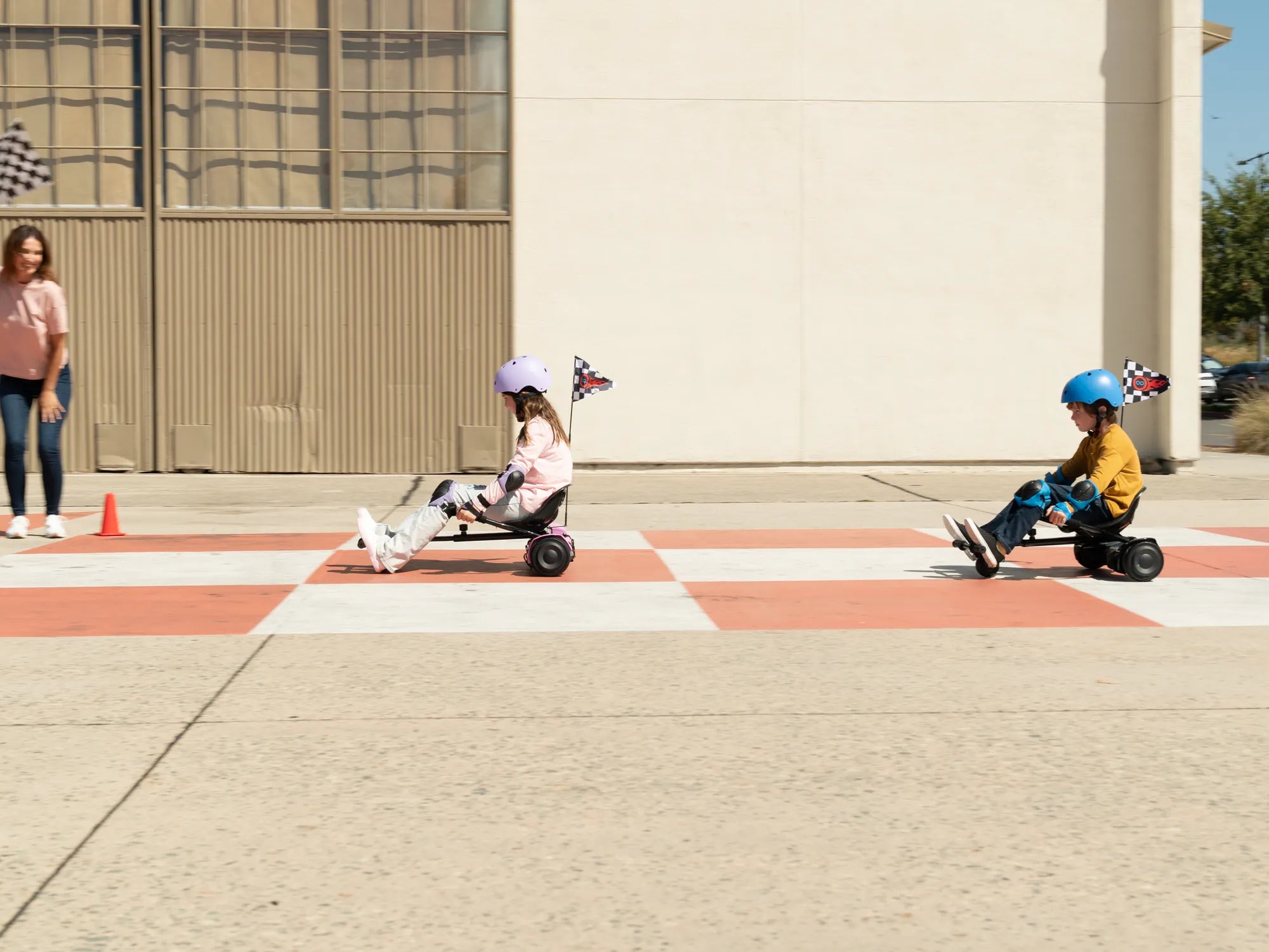
Choosing a kids scooter for a 10 year old is a pivotal decision that blends fun with fundamental responsibility. At this age, children seek greater independence and adventure, while their physical coordination and strength are rapidly developing. The right scooter can empower that growth, providing a thrilling yet safe outlet for exploration. This ultimate guide will walk you through every critical factor—from non-negotiable safety features to matching the ride to your child's personality—ensuring you invest in a scooter that delivers joy and peace of mind for years to come.
Introduction: Why the Right Scooter Matters for Your 10-Year-Old
A 10-year-old is at a unique developmental crossroads. They are outgrowing toys but not yet ready for adult-level vehicles. A scooter bridges this gap perfectly, offering a sense of freedom and a tool for physical development. The correct choice supports their growing confidence, improves balance and coordination, and encourages outdoor activity.
Conversely, an ill-fitting or poorly constructed scooter can lead to frustration, disuse, or even safety hazards. This isn't just about a purchase; it's about enabling safe adventures. Brands that understand this stage, like Gyroor, prioritize engineering that respects a child's capabilities while incorporating robust safety standards trusted by over 100,000 riders across North America and Europe.
The goal is to find a ride that grows with them, withstands the rigors of active play, and aligns with your family's lifestyle. Whether it's a quick trip to a friend's house or exploring park trails, the perfect kids scooter for a 10 year old becomes a key part of their childhood memories.
Key Factors to Consider When Buying a Scooter for a 10-Year-Old
Navigating the market requires focusing on a few core, data-driven specifications. These factors form the foundation of a safe, enjoyable, and durable riding experience.
Safety First: Non-Negotiable Features
Safety is the paramount concern. A reliable braking system is essential. Look for a combination of brakes, such as a responsive rear foot brake paired with an electronic or disc brake on the front wheel for controlled stopping power. The deck should be wide and textured to prevent slips, especially in damp conditions.
Visibility is another critical component. Integrated front and rear lights, along with reflective elements, are crucial for dawn, dusk, or overcast days. Furthermore, the scooter's construction must inspire confidence. This includes secure folding mechanisms that lock firmly and components that don't have sharp edges.
For electric models, battery safety is non-negotiable. A UL-certified battery pack, like those used in all Gyroor models, has undergone rigorous testing for stability, charge cycles, and failure prevention, significantly reducing any risk of fire or malfunction.
The Perfect Fit: Weight Limit, Deck Size, and Handlebar Height
A scooter that fits well is a safer scooter. Always choose a model with a maximum weight limit that exceeds your child's current weight by at least 20-25%. This buffer accounts for growth, backpacks, and ensures the scooter isn't operating at its structural limit.
The deck size must allow for a stable, comfortable stance. A deck that is too small forces an awkward posture, affecting balance. Handlebar height is equally important; adjustable handlebars are a superb investment, allowing you to tailor the fit for proper ergonomics as your child grows over the next few years.
Proper fit directly impacts control and confidence. A child should be able to stand comfortably on the deck, grip the handlebars without hunching, and operate the brakes and throttle (if electric) without straining.
Durability & Build Quality: Withstanding the Test of Play
Ten-year-olds are not gentle. The scooter must be built to endure jumps off curbs, rides on rough pavement, and the occasional tip-over. The frame material is your first clue; aerospace-grade aluminum alloys offer an excellent strength-to-weight ratio, resisting bends and cracks.
Wheel type dictates ride comfort and durability. Larger, air-filled (pneumatic) tires absorb shocks from cracks and bumps far better than small, solid rubber tires, providing a smoother ride. However, airless honeycomb tires offer excellent puncture resistance with decent cushioning.
Finally, consider environmental durability. An IPX5 water-resistant rating, a standard in Gyroor's design, means the scooter can withstand water jets from any direction. This protects the electrical components from rain, puddles, and splashes, ensuring the scooter isn't rendered useless by a sudden shower.
Electric vs. Kick Scooters: Which is Best for a 10-Year-Old?
This fundamental choice depends on your child's experience, your local terrain, and the type of activity you want to encourage. Both have distinct advantages.
The Case for an Electric Scooter: Power, Range, and Fun
An electric scooter transforms a simple ride into an adventure. It's ideal for longer distances, such as commuting to school or exploring a large neighborhood, without requiring constant physical exertion. Modern kids' electric scooters come with crucial safety features like speed limiters, often capping top speed at around 10-15 mph, and beginner modes that allow parents to restrict power initially.
The range, typically between 6 to 12 miles on a charge, opens up new possibilities. Hills become manageable with the assist of a motor. The "cool factor" is undeniable, often increasing the likelihood the scooter will be used regularly. The key is responsible power. Brands like Gyroor focus on delivering reliable, controlled performance paired with the peace of mind of UL-certified battery packs that undergo 500+ charge cycle tests.
The Benefits of a Kick Scooter: Simplicity, Exercise, and Skill
A traditional kick scooter remains a fantastic choice. It promotes significant physical activity, building leg strength, cardiovascular health, and overall stamina. The act of kicking and balancing is excellent for developing fine motor skills, coordination, and a innate sense of momentum and balance.
They are mechanically simple, meaning there are fewer components to break and virtually no maintenance beyond checking tire pressure and bolt tightness. With no battery to charge, they are always ready to go. They are also generally more affordable upfront and are perfect for short trips, tricks in the driveway, or as a first step before transitioning to an electric model.
| Feature | Electric Scooter | Kick Scooter |
|---|---|---|
| Primary Power | Electric motor & battery | Child's kicking force |
| Physical Exertion | Low to moderate (steering/balance) | High (kicking, balancing) |
| Typical Range | 6-12 miles per charge | Unlimited (dependent on rider) |
| Max Speed | 10-15 mph (often limited) | Determined by rider's effort |
| Best For | Commutes, longer adventures, hilly areas | Exercise, skill development, casual play |
| Maintenance | Battery care, brake checks, tire pressure | Tire pressure, bolt checks, bearing lubrication |
| Initial Cost | Higher | Lower |
Top Scooter Picks: Matching Type to Your Child's Lifestyle
Beyond the electric vs. kick debate, the best kids scooter for a 10 year old aligns with how and where they will ride most often.
The Urban Commuter: For School Runs and Neighborhood Friends
For paved sidewalks and smooth bike paths, prioritize a smooth ride and portability. A scooter with 8-inch or larger air-filled tires will glide over cracks and pebbles. A compact folding design is invaluable for storage at school or under a desk. For electric models, a moderate speed (10-12 mph) and a range of 7+ miles are sufficient for most urban errands. A bright headlight and reliable braking are mandatory for navigating intersections and driveways.
The Off-Road Adventurer: For Trails, Parks, and Rough Terrain
If your child dreams of dirt paths, grass fields, or gravel trails, standard city scooters won't suffice. Look for models specifically designed for all-terrain use. Key features include large (8.5" or bigger) pneumatic tires with deep treads, a more powerful motor (350W+) for tackling inclines and loose surfaces, and enhanced suspension systems to absorb major bumps. The frame and components must be exceptionally rugged. This type of kids scooter for a 10 year old unlocks a whole new world of exploration beyond the pavement.
The First E-Scooter: A Beginner's Guide to Electric Power
Introducing a child to electric power requires a scooter designed for the learning curve. Essential features include a speed limiter that can be set by a parent, a beginner mode that reduces acceleration and top speed, and intuitive thumb-press throttle control. A wide, stable deck and lower center of gravity build confidence. Crucially, choose a brand with robust customer support. Gyroor's 1-year comprehensive warranty and accessible US-based service provide a safety net, ensuring any questions or issues are resolved quickly, making the first electric experience positive and safe.
Parent's Checklist: 5 Must-Do's Before You Buy
Use this actionable list to finalize your decision.
1. Verify Safety Certifications: Confirm the scooter, especially its battery, carries relevant certifications like UL, CE, or RoHS. This is your baseline assurance of electrical and material safety.
2. Read Reviews for Durability: Look beyond the marketing. Search for long-term user reviews that mention how the scooter holds up after months of use, specifically noting any issues with folding mechanisms, brakes, or tire wear.
3. Measure Your Child and Compare Specs: Check your child's height and weight against the scooter's recommended rider height and maximum load capacity. Ensure the handlebars adjust to a comfortable position.
4. Assess the Riding Environment: Honestly evaluate your neighborhood. Are there steep hills? Is the pavement smooth or cracked? This will dictate the need for motor power, tire size, and suspension.
5. Understand the Warranty and Support: A strong warranty reflects manufacturer confidence. Gyroor's 1-year warranty on the scooter and 6-month coverage on the battery demonstrates a commitment to standing behind their product, a critical factor for a high-use item.
Essential Safety Gear and Riding Rules
The scooter itself is only one part of the safety equation. Proper gear is non-negotiable. A properly fitted CPSC-certified helmet is the absolute minimum. Wrist guards are highly recommended, as falls often involve instinctive hand placement. Knee and elbow pads provide additional protection for joints.
Establish clear riding rules with your child. Always ride on sidewalks or designated paths, not in the street. Obey traffic signals and pedestrian right-of-way. Avoid riding at dusk or after dark, but if necessary, ensure lights are on and reflective clothing is worn. Never use headphones while riding, as auditory awareness is key to avoiding hazards.
Practice in a safe, open area like an empty parking lot before hitting busier routes. Teach your child how to use the brakes effectively, how to steer to avoid obstacles, and the importance of scanning the path ahead. A few minutes of practice can prevent accidents.
Maintenance 101: Keeping the Scooter in Top Shape
Regular maintenance ensures longevity and safety. For all scooters, weekly checks should include inspecting tire pressure (for pneumatic tires), testing brake responsiveness, and ensuring all bolts and nuts (especially on the folding mechanism and handlebars) are tight.
For electric scooters, battery care is paramount. Follow the manufacturer's charging instructions: avoid leaving the scooter plugged in for extended periods after a full charge, store it in a cool, dry place, and never charge it immediately after a ride while the battery is hot. Clean the scooter with a damp cloth, avoiding direct high-pressure water sprays on electronic components, even on water-resistant models.
Lubricate moving parts like the folding hinge and wheel bearings every few months with a silicone-based lubricant. Periodically check the deck grip tape for wear and replace it if it becomes smooth. These simple steps will keep the kids scooter for your 10 year old running smoothly for years.
Frequently Asked Questions (FAQs)
Q: What is a safe speed for a 10-year-old's electric scooter?
A: For beginners, a speed cap of 10 mph is advisable. As skills and judgment improve, a maximum of 15 mph is generally considered safe for this age group on supervised paths. Many quality scooters have adjustable speed settings via a companion app or physical limiter.
Q: How important is water resistance in a kids' scooter?
A> Extremely important. Children ride in all conditions, and puddles are irresistible. An IPX5 rating means the scooter can handle rain and splashes, protecting the motor, battery, and electronics from water damage that could lead to failure or safety issues. It's a key feature for real-world durability.
Q: Can the scooter handle my child's growth over the next year or two?
A> Yes, if you choose wisely. Prioritize models with a high weight capacity (look for 150 lbs+) and adjustable handlebars. This provides significant headroom for growth. A deck that is generously sized from the start will also remain comfortable as their shoe size increases.
Q: What maintenance does an electric scooter require?
A> Beyond the general checks, electric scooter maintenance focuses on the battery. Avoid full discharges; try to recharge when the battery reaches 20-30%. Store it at around 50% charge if not using for several weeks. Keep the charging port clean and dry, and inspect the wiring periodically for any visible damage.
Q: Why is a UL-certified battery crucial?
A> A UL certification is an independent verification that the battery pack has passed stringent tests for electrical, mechanical, and environmental safety. It rigorously checks for risks like overheating, short-circuiting, and fire. This certification is the single most important indicator of a safe, reliable battery, providing essential peace of mind for parents.
Conclusion: Investing in Confidence and Joy
Selecting the ideal kids scooter for a 10 year old is an investment in their independence, physical health, and sheer enjoyment. The perfect ride seamlessly blends certified safety, a durable build that can withstand adventure, and a design that fits your child's evolving size and spirited lifestyle. By prioritizing factors like UL-certified batteries, appropriate power, and ergonomic fit, you empower their explorations with confidence. A brand that stands behind its products with robust warranties and proven performance, like Gyroor, transforms a simple purchase into a trusted companion for countless journeys ahead. Ready to find the perfect match for your young rider? Browse the full Gyroor collection at gyroorboard.com to discover scooters engineered for safety, durability, and fun.
Hoverboard Under 5000: The Ultimate Guide to Affordable and Safe Riding
2 Wheel Balancing Scooter: The Future of Personal Urban Transportation