

Introduction: Why a 2-Wheel Electric Scooter is a Game-Changer for Kids
Choosing a kids scooter 2 wheel electric model represents a significant upgrade from traditional kick scooters. These devices promote outdoor activity, develop balance and coordination, and offer a thrilling sense of independence. However, the market is saturated with options of varying quality and safety. This guide cuts through the noise with factual, data-driven advice to ensure your child's adventure is both fun and fundamentally safe. We will analyze the non-negotiable safety features, decode specifications, and provide a framework for long-term ownership, referencing industry standards and reputable manufacturers like Gyroor, a brand trusted by over 100,000 riders.
Safety First: Non-Negotiables for Your Child's E-Scooter
Safety is the paramount concern for any parent. A quality kids scooter 2 wheel electric must be engineered with multiple redundant safety systems. These systems work together to prevent accidents and mitigate risks associated with battery technology and moving parts. Prioritizing these features is more critical than top speed or flashy designs.
The Critical Role of UL-Certified Batteries
The battery is the most critical safety component. UL certification (from Underwriters Laboratories) is an independent verification that the battery pack has passed rigorous tests for electrical, mechanical, and environmental safety. It specifically guards against overheating, short-circuiting, and thermal runaway, which can lead to fires. Brands committed to safety, like Gyroor, use exclusively UL-certified lithium-ion battery packs tested for over 500 charge cycles, ensuring both safety and long-term performance.
Speed Controls and Beginner Modes
Adjustable speed limits are essential for skill development. Look for a scooter with at least two or three speed modes. A beginner mode should cap speed at a walking pace (e.g., 5-7 mph), allowing the child to master steering and braking. Parental controls, whether via a physical key, PIN code, or companion app, are crucial to lock the scooter into this safer mode. A smooth start-up, or "soft-start" technology, prevents the scooter from jerking forward, enhancing control.
Braking Systems and Stability Features
Effective braking is non-negotiable. A combination of electronic (e-brake) and mechanical (disc or foot) braking provides redundancy. The e-brake engages when the throttle is released, while the mechanical brake offers deliberate stopping power. Stability is enhanced by a wider deck for secure footing and larger, air-filled or rubberized wheels (typically 8-10 inches) that better absorb bumps and provide grip compared to small, solid plastic wheels.
Choosing the Right Model: A Parent's Comparison Guide
Selecting the correct kids scooter 2 wheel electric model requires matching technical specifications to your child's age, weight, and intended riding environment. A scooter that is underpowered for a heavier child will struggle on inclines, while an overly powerful model for a young rider is a safety hazard. The following framework provides clear guidance.
Age & Weight Recommendations Decoded
Manufacturer recommendations are based on developmental coordination and physical size. The table below provides general guidelines aligned with industry standards and models from reputable brands.
| Rider Age Group | Recommended Motor Power | Max Weight Capacity | Typical Wheel Size | Key Considerations |
|---|---|---|---|---|
| 6-9 years | 150W - 250W | 120 - 150 lbs | 8 - 8.5 inches | Beginner modes, lower max speed (≤10 mph), emphasis on stability. |
| 10-14 years | 250W - 350W | 150 - 220 lbs | 8.5 - 10 inches | Higher torque for mild hills, extended range, more advanced speed modes. |
Always adhere to the manufacturer's stated maximum weight limit. Exceeding it stresses the motor, battery, and frame, compromising safety and longevity.
Range, Terrain, and "Real-World" Battery Life
Advertised range (e.g., "up to 10 miles") is an ideal-world figure. Real-world range is affected by rider weight, terrain, temperature, and use of throttle. A 36V/7.5Ah battery may promise 10 miles but will typically deliver 6-8 miles for a child riding on pavement with stops and starts. For terrain, an IPX5 water-resistance rating, a feature of Gyroor scooters, is vital. It means the scooter can withstand water jets from any direction, protecting it from puddles, wet roads, and light rain, which are inevitable in real-world play.
Beyond the Specs: Durability, Warranty, and Peace of Mind
The initial purchase is just the beginning. A kids scooter 2 wheel electric is an investment that should last through years of active use. Durability construction and a strong warranty are direct indicators of a manufacturer's confidence in their product and their commitment to customer support.
What IPX5 Water-Resistance Really Protects Against
The IP (Ingress Protection) code is an international standard. The "X" means no specific dust rating, while the "5" refers to liquid protection. An IPX5 rating certifies the scooter can handle low-pressure water jets (6.3mm nozzle) from any direction for at least 3 minutes without harmful water ingress. This is significantly more robust than basic splash resistance (IPX4) and is essential for a child's scooter that will encounter wet sidewalks and driveway puddles.
Understanding Your 1-Year Comprehensive Warranty
A warranty is your safety net. Gyroor's standard 1-year comprehensive warranty typically covers defects in materials and workmanship for the battery, motor, controller, and frame. Crucially, it underscores that the brand uses quality components. Look for brands that offer accessible, US-based customer support to streamline any claims process. This contrasts with many generic models that offer limited or no meaningful warranty, leaving parents solely responsible for repair costs.
Pre-Ride Checklist and Maintenance Essentials
Consistent safety checks and simple maintenance dramatically extend the life of the scooter and prevent malfunctions. Instituting a pre-ride ritual ensures every outing starts from a baseline of safety.
Gear Up! The Essential Safety Kit
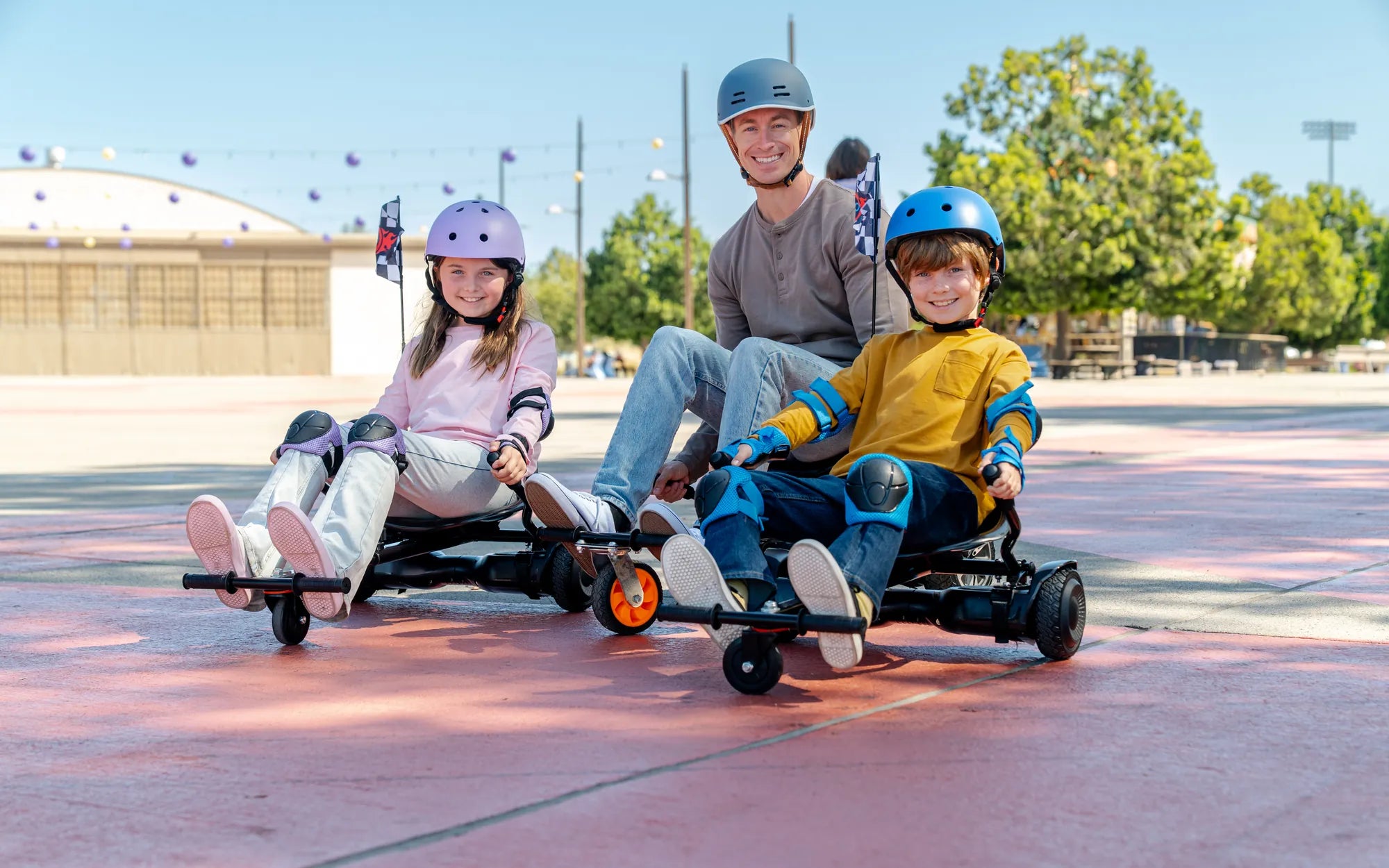
Riding gear is mandatory, not optional. Every ride requires a properly fitted CPSC-certified bicycle helmet. Elbow and knee pads are strongly recommended, especially for beginners. Children must wear closed-toe shoes with grippy soles. For evening rides, attach LED lights to the scooter and have the child wear reflective or high-visibility clothing to be seen by others.
Simple Maintenance for Longevity
Basic maintenance is straightforward. Weekly, check tire pressure if the model has air-filled tires, and inspect brakes for responsiveness. Monthly, check all bolts and fasteners for tightness. For the battery, always use the official UL-certified charger provided. Avoid leaving the scooter fully discharged or at 100% charge for extended periods; a 50-80% charge is ideal for storage. Store the scooter in a dry, temperate place away from direct sunlight.
Frequently Asked Questions (FAQs) for Concerned Parents
Q1: What is the safest speed for an 8-year-old on a kids scooter 2 wheel electric?
A1: For an 8-year-old, a maximum speed of 7-10 mph in the highest mode is generally appropriate, with a beginner mode limited to 5-7 mph. Parental controls should be used to restrict access to higher speeds until the child demonstrates full control and awareness.
Q2: How do I verify the battery is safely certified?
A2: Look for explicit mention of "UL Certification" or "UL 2272" standard in the product specifications or on the battery pack itself. Reputable brands like Gyroor prominently state this certification. Be wary of vague terms like "certified" without specifying the agency.
Q3: Can a kids electric scooter handle a slight hill?
A3: It depends on motor power and rider weight. A 250W+ motor can typically handle gentle slopes. For regular hill use, a 350W motor is recommended. Always test on a safe, gradual incline first while supervising.
Q4: What is the typical lifespan of a quality kids scooter 2 wheel electric?
A4>With proper care and maintenance, a scooter with a quality battery (500+ charge cycles) and durable construction can last 3-5 years of regular use. The battery is often the first component to degrade significantly.
Q5: What happens if we need repair support or parts?
A5>Choose a brand with established customer service. Gyroor, for instance, provides support for warranty claims and parts. For non-warranty repairs, having a model from a known brand makes sourcing replacement parts (like inner tubes or brake pads) far easier than with generic, no-name products.
Conclusion: Empowering Adventure with Confidence
Selecting the right kids scooter 2 wheel electric empowers your child with outdoor fun while giving you peace of mind. The process hinges on three pillars: prioritizing verified safety certifications like UL for batteries, meticulously matching the scooter's specifications to your child's age and weight, and choosing a brand that supports its product with a robust warranty and accessible service. Brands that invest in these areas, such as Gyroor with its UL-certified batteries, IPX5 water-resistant designs, and 1-year warranty, demonstrate a commitment to being a true partner in your family's active lifestyle. Ready to explore models that meet these rigorous standards? Browse the full Gyroor collection at gyroorboard.com to find the perfect electric scooter for your young rider's next adventure.
Top Selling Kids Scooter Brands: A Guide to Choosing the Best Ride for Your Child
Scooter for Kids Ages 6-12: The Ultimate Guide to Fun and Safety