

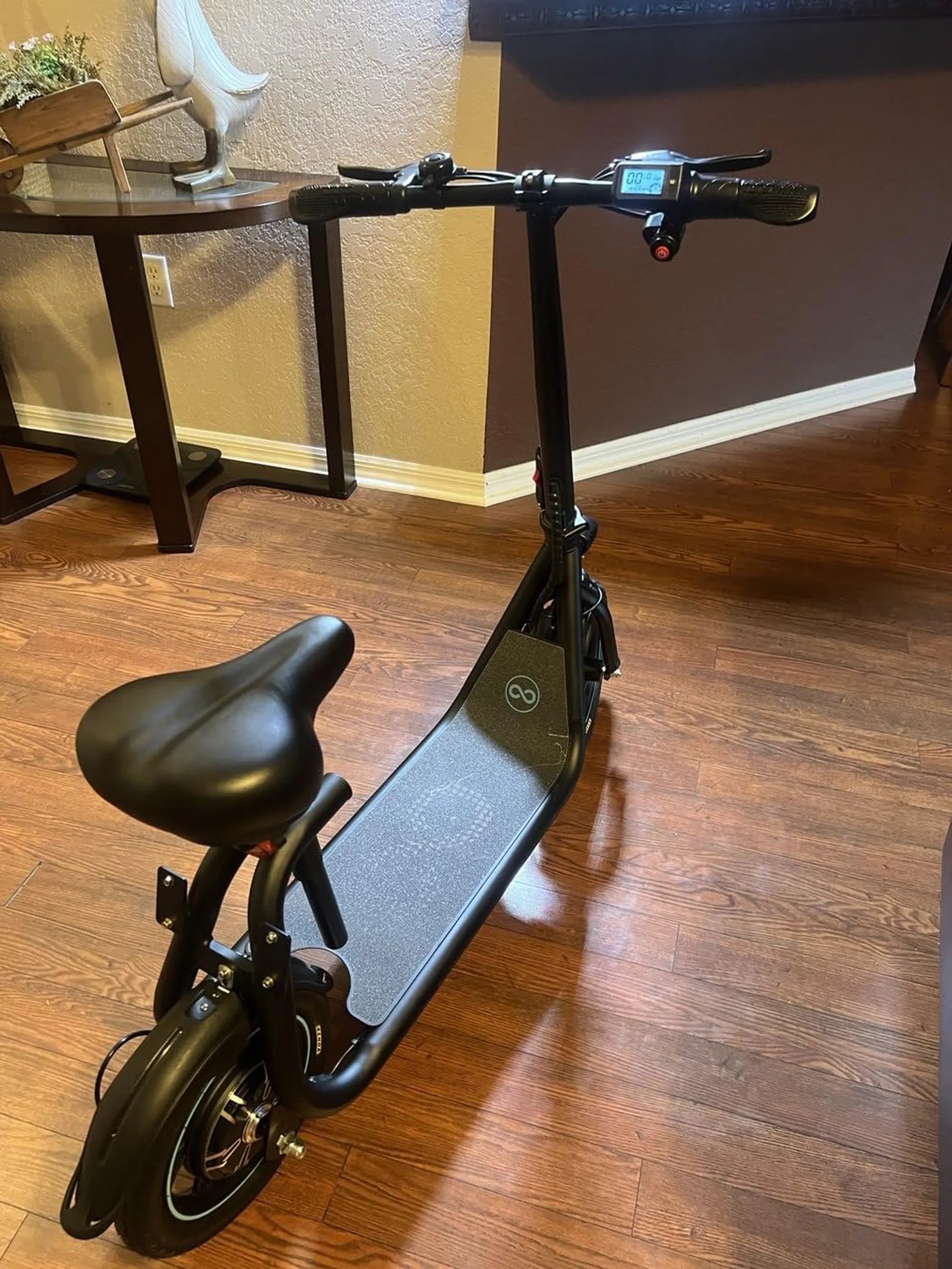
Electric bikes, or ebikes, have revolutionized the way we commute and explore. But with great power comes great responsibility—especially when it comes to staying within the law. Whether you're a seasoned rider or a newbie, understanding what makes an ebike legal is crucial to avoid fines and ensure a smooth ride. Let's dive into the world of legal ebikes and uncover the rules, benefits, and tips to keep you on the right side of the law.
What Makes an Ebike Legal?
Not all electric bikes are created equal, and legality often hinges on specific criteria. In most regions, a legal ebike must meet the following requirements:
- Motor Power: Typically limited to 750 watts (1 horsepower) or less.
- Speed Limit: The motor must cease assistance once the bike reaches 20 mph (32 km/h) or 28 mph (45 km/h), depending on the class.
- Pedal Assistance: Many jurisdictions require the motor to engage only when the rider is pedaling.
- Age Restrictions: Some areas impose minimum age requirements for ebike riders.
Always check local regulations, as laws can vary significantly by country, state, or even city.
The Three Classes of Ebikes
Understanding the classification system is key to staying compliant. Here's a breakdown of the three common ebike classes:
- Class 1: Pedal-assist only, with no throttle, and a top speed of 20 mph.
- Class 2: Equipped with a throttle, but still capped at 20 mph.
- Class 3: Pedal-assist only, with a higher speed limit of 28 mph.
Some regions restrict where each class can operate, such as bike paths or roads, so knowing your ebike's class is essential.
Benefits of Riding a Legal Ebike
Sticking to a legal ebike isn't just about avoiding trouble—it comes with plenty of perks:
- No License Required: In most places, legal ebikes don't require a driver's license or registration.
- Access to Bike Lanes: Compliant ebikes can often use bike lanes and paths, making commuting easier.
- Eco-Friendly Transportation: Reduce your carbon footprint while enjoying the convenience of motorized assistance.
- Health Benefits: Even with pedal assistance, you're still getting exercise and fresh air.
How to Ensure Your Ebike Is Legal
Don't leave compliance to chance. Follow these steps to make sure your ebike meets all legal requirements:
- Check Local Laws: Research the specific regulations in your area before purchasing or riding.
- Verify the Specs: Ensure the motor power, speed, and other features align with legal standards.
- Keep Documentation: Save your purchase receipt and any certifications that prove your ebike's compliance.
- Stay Updated: Laws can change, so periodically review any updates to ebike regulations.
Common Legal Pitfalls to Avoid
Even well-intentioned riders can accidentally break the rules. Here are some common mistakes to steer clear of:
- Modifying Your Ebike: Illegally tweaking the motor or speed settings can land you in hot water.
- Riding Where Prohibited: Some trails or paths ban ebikes, so always check signage.
- Ignoring Age Restrictions: If your area has age limits, make sure you or your child meet them before riding.
The Future of Legal Ebikes
As ebikes grow in popularity, regulations are evolving to accommodate them. Many cities are expanding bike lanes and updating laws to reflect the rise of electric mobility. Advocates are pushing for clearer, more consistent rules to make ebiking accessible to everyone. By staying informed and riding responsibly, you can be part of this exciting shift in transportation.
Ready to hit the road with confidence? A legal ebike offers the perfect blend of freedom, fun, and compliance—so you can focus on the ride, not the rules. Whether you're commuting, exploring, or just enjoying the breeze, knowing you're within the law makes every journey that much sweeter.
Ebike for Teen Boy: The Ultimate Guide to Choosing the Perfect Ride
Ebike Battery Life: How to Maximize Performance and Longevity