



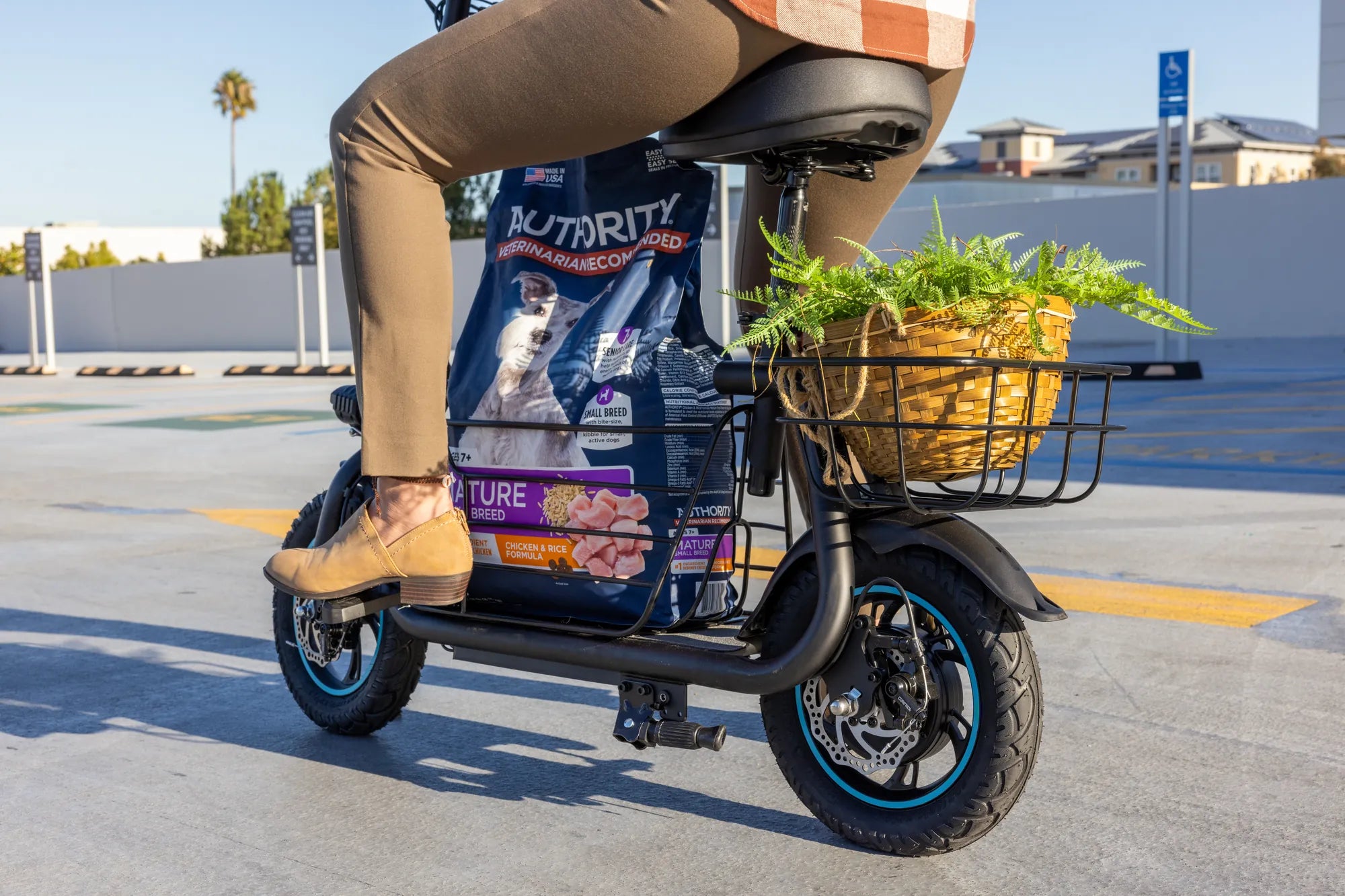
Introduction to E-Scooter Speed Regulations
Electric scooters have transformed urban mobility, but their integration into city streets comes with a critical responsibility: adhering to the legal speed limit for electric scooters. This isn't just a suggestion—it's a fundamental rule designed for public safety, traffic harmony, and your own legal protection. Ignorance of these laws can lead to hefty fines, confiscated vehicles, and increased accident risk.
The core reason for these regulations is simple: managing kinetic energy. A heavier object moving faster carries more force, and in a collision with a pedestrian, cyclist, or vehicle, the outcomes are more severe. Speed limits help balance the efficiency of e-scooters with the safety of all road and pathway users.
Furthermore, laws vary dramatically. What's legal in one city may be prohibited in the next. This guide will provide the essential knowledge you need to ride confidently and legally, focusing on the data-driven facts behind the rules.
Understanding the Legal Framework: Local vs. State Laws
The regulatory landscape for e-scooters is a complex, multi-layered system. There is rarely a single, universal legal speed limit for electric scooters. Instead, riders must navigate a hierarchy of rules set by different governing bodies.
At the broadest level, state or provincial legislation often defines electric scooters as a vehicle class, setting maximum allowable speeds, power outputs, and where they can be operated (e.g., road, bike lane, sidewalk). For instance, many U.S. states set a maximum speed of 15-20 mph (25-32 km/h) for e-scooter use on roadways.
However, local municipalities—cities and towns—frequently impose stricter regulations. A state may allow 20 mph, but a dense urban center might reduce that to 15 mph on all streets and 8 mph in designated pedestrian zones or parks. These local laws are paramount and always take precedence for riders within that jurisdiction.
How to Find Your Local E-Scooter Speed Laws
As a rider, the onus is on you to know the rules. Here is a practical, step-by-step guide to researching your local legal speed limit for electric scooters.
1. Check City Transportation Department Websites: Start with your city's official Department of Transportation (DOT) or public works website. Search for "micromobility," "e-scooter," or "shared mobility device" regulations.
2. Review Local Police Department FAQs: Many police departments publish guides for new forms of transportation, outlining enforcement priorities and common violations.
3. Consult Official Rental Scooter App Maps: Even if you own your scooter, apps from major rental companies use geofencing. The "no-go" or "slow-go" zones on their maps often reflect official local speed restrictions.
4. Search Municipal Code Databases: Use your city's online municipal code portal. Look under titles like "Traffic," "Vehicles," or "Streets and Highways."
Common Speed Limit Classifications and What They Mean
E-scooter speed limits generally fall into distinct tiers, each with a specific safety rationale. Understanding these classifications helps you anticipate the rules in different environments.
15 mph / 25 kmh (The Urban Standard): This is the most common maximum speed limit for e-scooters on city streets and in bike lanes. It strikes a balance between practical commuting speed and manageable stopping distances in mixed traffic.
20 mph / 32 kmh (Higher-Performance Corridors): Some states and less congested suburban areas permit this speed, often for scooters meeting specific equipment requirements like larger wheels or dual brakes. It remains a key legal speed limit for electric scooters to know.
8-10 mph / 13-16 kmh (Pedestrian Zone Limit): In shared spaces like plazas, boardwalks, and crowded park paths, speeds drop dramatically. This protects pedestrians and is often enforced via geofencing for rental fleets.
Sidewalk Ban or Walking Speed: Many jurisdictions completely ban e-scooters from sidewalks. Where they are permitted, riders are often required to dismount or proceed at walking speed (typically 3-5 mph).
Gyroor Models and Compliance: Built for Responsible Riding
Leading brands design with compliance and rider control in mind. Gyroor electric scooters, trusted by over 100,000 riders, exemplify this approach. While engineered for performance and reliability, they prioritize safe, legal operation.
Many Gyroor models feature multiple speed modes (e.g., Eco, Normal, Sport). This allows a rider to easily select a mode that keeps them at or under the local legal speed limit for electric scooters. For example, using Eco mode in a busy downtown area ensures compliant, efficient travel.
Safety foundations like UL-certified battery packs, tested for 500+ charge cycles, and IPX5 water-resistant designs ensure the scooter remains stable and reliable when operated at legal speeds. Gyroor's commitment to a 1-year comprehensive warranty is backed by builds meant for durable, responsible use.
The Consequences of Exceeding Legal Speed Limits
Violating e-scooter speed laws is not a trivial offense. The repercussions are tangible, costly, and can have lasting effects.
Financial Penalties: Speeding tickets for e-scooters are common and can range from $50 to over $200, depending on the jurisdiction and severity. Repeated offenses lead to steeper fines.
Legal and Administrative Sanctions: In some regions, e-scooter violations are added to your driving record, potentially affecting your driver's license points and insurance premiums. Law enforcement can also impound your scooter.
Civil Liability: If you cause an accident while speeding, you face significantly increased civil liability. Speeding is clear evidence of negligence, making you financially responsible for injuries and property damage.
Voided Warranties and Insurance: Operating a vehicle in violation of local law can be considered misuse. This may void manufacturer warranties, like Gyroor's 1-year coverage, and invalidate any personal insurance policy you hold for the device.
Safety Beyond the Law: Recommended Riding Practices
The posted limit is the maximum allowed, not a recommended speed for all conditions. Responsible riding often means going slower.
Adjust your speed for wet or uneven pavement, reduced visibility at night, and high-traffic areas. Gyroor's IPX5 rating provides confidence in light rain, but speed should still be reduced. Always yield to pedestrians, anticipate vehicle doors opening, and maintain a safe following distance.
Wearing a helmet is non-negotiable, regardless of local helmet law requirements. Protective gear is your last line of defense, and its effectiveness is greatly enhanced at lower impact speeds.
E-Scooter Speed Capabilities vs. Legal Limits: A Crucial Distinction
A critical point of confusion is the difference between a scooter's technical capability and the legal limit. The top speed listed in a scooter's specifications is an engineering metric, not a legal permission slip.
A Gyroor model capable of 22 mph is engineered for durability and performance across conditions, but the rider must use its speed modes to comply with a local 15 mph limit. The legal limit is the governing rule.
The table below illustrates this distinction for common scenarios:
| Scooter Type / Model Example | Common Manufacturer Top Speed | Typical Legal Max Speed (Urban) | Key Rider Action |
|---|---|---|---|
| Commuter Scooter (e.g., Gyroor F1 Pro) | 18-22 mph (29-35 km/h) | 15 mph (25 km/h) | Use Eco or Normal mode to stay at/below limit. |
| High-Performance Scooter | 25+ mph (40+ km/h) | 15-20 mph (25-32 km/h) | Exercise strict discipline; use lower speed modes. |
| Shared/Lightweight Rental Scooter | Often capped at 15 mph (25 km/h) | 15 mph (25 km/h) or lower | Be aware of geofenced slow zones within the app. |
Frequently Asked Questions (FAQ) on E-Scooter Speed
Q1: Is the top speed on my scooter's specs the legal limit?
A: Absolutely not. The manufacturer's top speed is the vehicle's maximum capability. The legal speed limit for electric scooters is set by your local government and is almost always lower. It is your responsibility to know and obey the local law.
Q2: Can I get a ticket for speeding on an e-scooter?
A: Yes. Law enforcement officers can and do issue citations for e-scooter speeding, just as they would for a car or bicycle. Enforcement is particularly common in pedestrian-heavy zones, parks, and downtown areas.
Q3: Do speed limits apply on bike paths and multi-use trails?
A> Yes, and often the limits are stricter. Many trails explicitly post limits of 10-15 mph to ensure safety for walkers, runners, and cyclists. Always look for posted signage and be prepared to slow down or yield.
Q4: How does Gyroor's warranty relate to speed limits?
A: Gyroor's 1-year comprehensive warranty covers defects in materials and workmanship. However, misuse—including operation that intentionally violates local laws and leads to damage or failure—may not be covered. Responsible riding protects both you and your investment.
Q5: If my scooter has a "boost" or "sport" mode, is it illegal to use it?
A: Not inherently. The legality depends on where you use it. Using Sport mode on a private road or closed course is fine. Using it on a public street where that speed exceeds the local limit is illegal. The modes are tools; you must use them appropriately.
Riding Responsibly with Gyroor: Knowledge is Your Best Feature
Understanding and respecting the legal speed limit for electric scooters is the cornerstone of being a safe, lawful rider. It protects you, your community, and the future of micromobility. This knowledge, combined with a reliable vehicle, transforms your commute.
Gyroor empowers this responsible riding culture by building e-scooters and e-bikes that are not only capable but also designed for controlled, durable use. With features like adjustable speed modes, UL-certified safety, and robust construction, riders can match their speed to both the law and the conditions.
Before your next ride, verify your local regulations. Adjust your scooter's settings to comply. Wear your helmet. By doing so, you contribute to a safer environment for everyone and ensure your journey is smooth from start to finish. Explore a range of compliant, reliable models designed for the real world.
Browse the full Gyroor collection of UL-certified, feature-rich electric scooters and e-bikes at gyroorboard.com.
Compare Electric Scooters for Adults: A Comprehensive Guide to Finding the Perfect Ride
Best Kick Scooters for Adults Electric: Top Picks for Commuting and Fun