

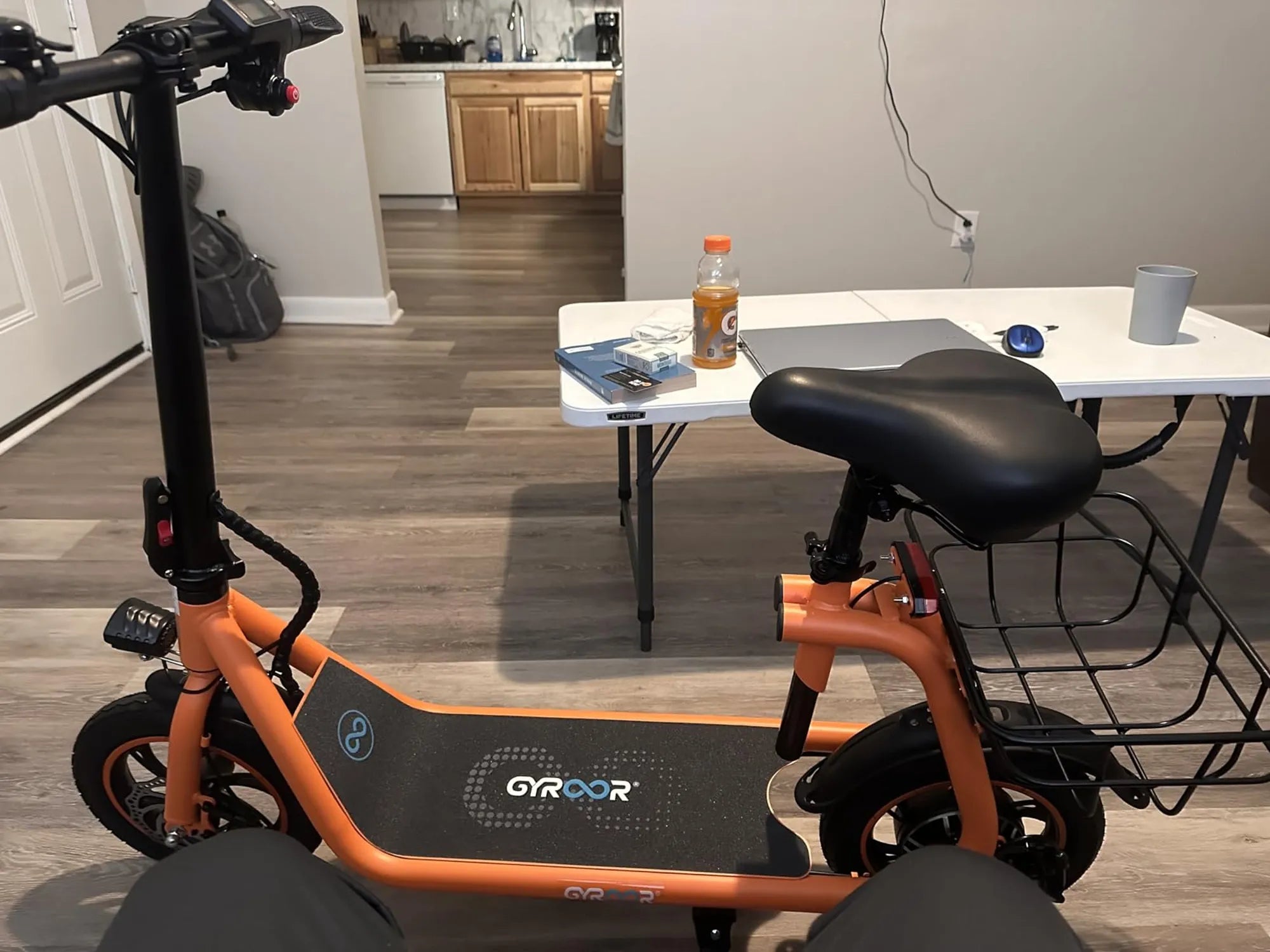
Electric scooters have taken the world by storm, offering a convenient, eco-friendly, and cost-effective way to navigate busy urban environments. Yet, in the UK, their legal status remains a hotly debated topic. With cities becoming increasingly congested and air pollution levels rising, the call to legalise electric scooters in the UK has never been louder. But what are the implications of such a move, and how could it reshape the future of transport?
The Current Legal Landscape
In the UK, electric scooters are currently classified as Personal Light Electric Vehicles (PLEVs), which means they are treated similarly to motor vehicles under the Road Traffic Act 1988. This classification requires them to meet strict safety standards, including registration, insurance, and licensing. However, most electric scooters available to consumers do not comply with these regulations, making their use on public roads and pavements illegal. The only exception is rental scooters, which are part of government-approved trials in select cities.
Why Legalise Electric Scooters in the UK?
The push to legalise electric scooters in the UK is driven by several compelling arguments:
- Reduced Congestion: Electric scooters take up minimal space and can help alleviate traffic congestion in crowded urban areas.
- Environmental Benefits: They produce zero emissions, contributing to cleaner air and helping the UK meet its climate goals.
- Affordability: Compared to cars or public transport, electric scooters are a low-cost alternative for short-distance travel.
- Last-Mile Connectivity: They bridge the gap between public transport hubs and final destinations, making commuting more efficient.
Challenges and Concerns
Despite their potential benefits, legalising electric scooters in the UK is not without challenges:
- Safety Risks: Concerns about accidents involving pedestrians and other road users have been raised, particularly when scooters are used on pavements.
- Infrastructure: The UK's current road infrastructure may not be equipped to handle the influx of electric scooters, requiring dedicated lanes or zones.
- Regulation: Clear rules on speed limits, helmet use, and age restrictions would need to be established to ensure safe usage.
Lessons from Other Countries
Countries like Germany, France, and the Netherlands have already embraced electric scooters, providing valuable insights for the UK. These nations have implemented regulations such as speed limits (often capped at 15-20 mph), mandatory helmet laws for younger riders, and designated parking areas to prevent clutter. The UK could adopt similar measures to balance innovation with public safety.
The Road Ahead
The UK government has shown willingness to explore the potential of electric scooters through pilot schemes in cities like London, Bristol, and Birmingham. These trials aim to assess their impact on traffic, safety, and the environment. If successful, they could pave the way for nationwide legalisation, transforming the way people move around cities.
As the debate continues, one thing is clear: electric scooters have the potential to revolutionise urban mobility in the UK. Whether they become a staple of daily commutes or remain a niche mode of transport depends on how the government, businesses, and the public respond to this emerging technology. The clock is ticking—will the UK embrace the electric scooter revolution?
Electric Scooters With Adjustable Height: The Ultimate Guide to Custom Comfort
E Scooter LED: The Ultimate Guide to Enhancing Safety and Style