



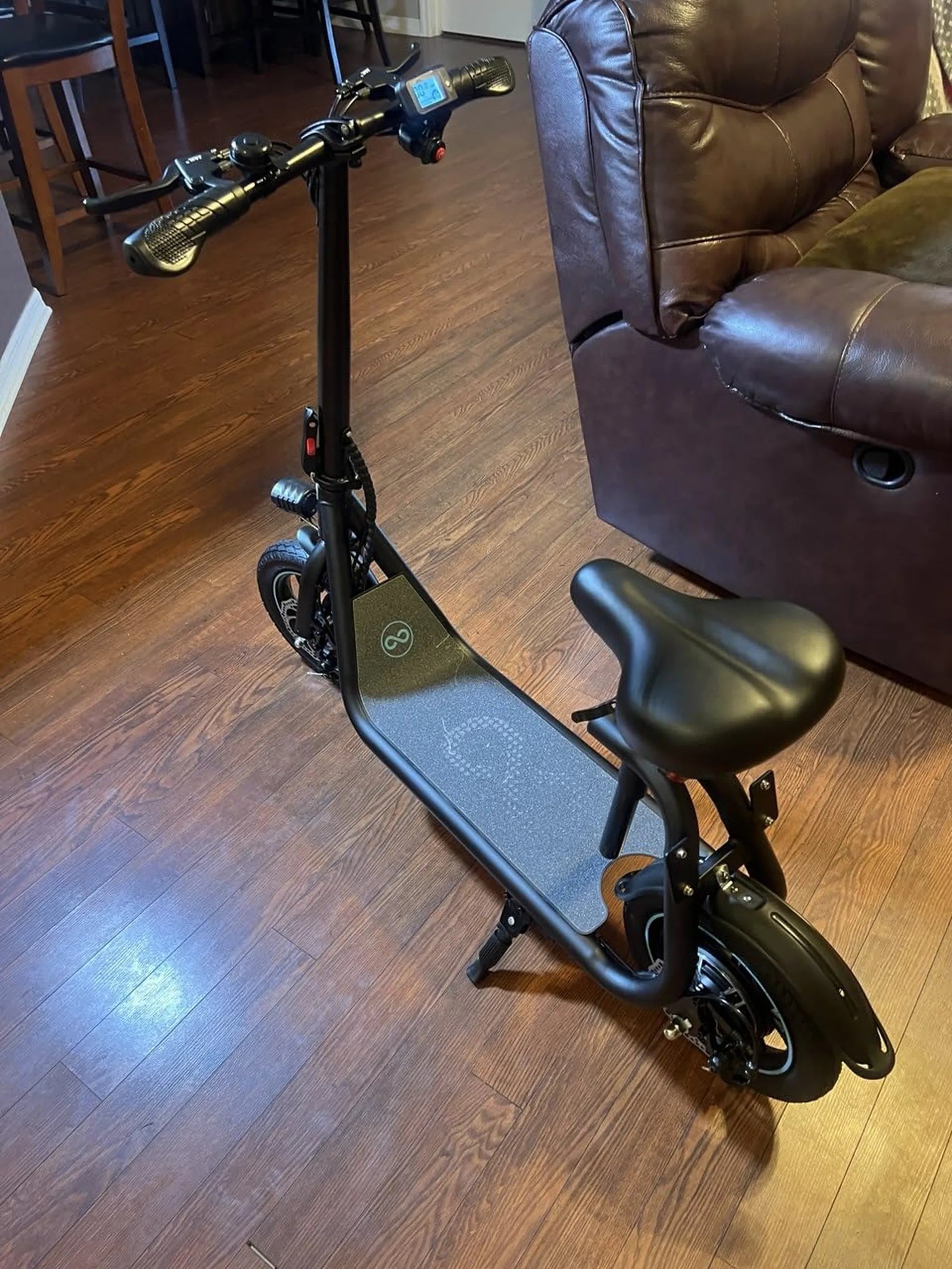
Introduction to Lightweight Folding E-Bikes
A light weight folding ebike is a compact electric bicycle engineered for maximum portability without sacrificing essential performance. It solves the core urban mobility challenge: combining the freedom of cycling with the convenience of public transit and minimal storage needs. For commuters, students, and city dwellers, it eliminates the sweat of traditional biking and the bulk of standard e-bikes.
You will learn what defines a truly lightweight model, how its components are designed for efficiency, and the tangible benefits it offers daily. We will provide a data-driven framework for selecting your ideal bike, backed by maintenance advice and key specifications. This guide cuts through the hype to deliver actionable insights for your purchase.
The Anatomy of a Lightweight Folding E-Bike: Key Components
Understanding the engineering behind a light weight folding ebike is crucial. Every part is optimized to reduce mass while maintaining structural integrity and ride quality. The synergy between the frame, motor, battery, and folding mechanism defines the user experience.
Designers face a constant trade-off: shaving weight must not compromise safety or durability. Advanced materials and intelligent design are the solutions. The goal is a package that feels agile on the road and effortless to carry when folded.
Frame Materials: Aluminum Alloy vs. Advanced Composites
Aluminum alloy is the industry standard for a reason. It offers an excellent strength-to-weight ratio, is relatively affordable, and resists corrosion. Most quality light weight folding ebike models use 6061 or 7005 series aluminum, which can be formed into complex, rigid shapes for the frame.
Higher-end models may incorporate advanced composites like carbon fiber in key stress points. While carbon fiber is significantly lighter and can dampen road vibrations, it comes at a substantial cost premium. For most riders, a well-designed aluminum frame provides the best balance of lightness, durability, and value.
Motor and Battery: The Power-to-Weight Ratio
The motor and battery are the heaviest components. A light weight folding ebike typically uses a rear-hub motor for better traction and weight distribution. These motors are compact, efficient, and contribute to a balanced ride. Power ratings usually range from 250W to 500W, providing ample assist for urban hills.
The battery's energy density—measured in watt-hours per kilogram (Wh/kg)—is critical. High-density lithium-ion cells packed into a UL-certified battery pack are non-negotiable for safety. Brands like Gyroor use these UL-certified packs, ensuring over 500 charge cycles. A lighter bike often pairs a smaller, high-density battery (e.g., 36V 10Ah) with a efficient motor to achieve a 20-40 mile range.
The Folding Mechanism: Hinge Points and Locking Systems
The folding mechanism is the most critical engineering feat. Common styles include a mid-frame horizontal fold, a triangle hinge near the pedals, and a vertical stem fold. A good mechanism uses robust latches or locking levers that snap securely into place, preventing any wobble during riding.
Quality hinges are made from forged or cast aluminum with steel locking pins. The best designs allow a bike to fold in under 15 seconds without tools. The mechanism must be intuitive and reliable, as it undergoes constant stress. A poorly designed fold adds weight and becomes a point of failure.
Why Lightweight Matters: Benefits Beyond Portability
The primary advantage of a light weight folding ebike is obvious, but the secondary benefits profoundly impact daily usability. A bike under 40 pounds transforms your relationship with urban travel, offering flexibility that heavier models cannot match.
This isn't just about easier carrying; it's about seamless integration into a multi-modal lifestyle. The reduced mass translates directly to greater convenience, safety, and accessibility in crowded city environments.
Effortless Multi-Modal Commuting
Carrying a 55-pound e-bike up subway stairs or onto a crowded bus is a significant barrier. A light weight folding ebike under 40 pounds removes that barrier. You can easily lift it with one hand, making transitions between bike, train, and bus effortless.
This expands your effective range dramatically. You can bike to the station, fold and carry your bike aboard, and unfold it for the last mile to your destination. It's the ultimate tool for combining the speed of transit with the door-to-door convenience of a personal vehicle.
Enhanced Maneuverability and Agility
Less weight means a more nimble ride. A light weight folding ebike is easier to handle in stop-and-go traffic, navigate through tight spaces between cars, and make sharp turns. The lower inertia makes it feel more responsive and less cumbersome.
This agility enhances safety. You can react quicker to obstacles, pedestrians, or sudden changes in traffic flow. The bike feels more like an extension of your body rather than a heavy machine you must manage, leading to a more confident and enjoyable riding experience.
Storage Simplicity at Home and Work
Urban living often means limited space. A folded light weight folding ebike can be stored vertically in a closet, slid under a desk, or placed in a corner of an apartment without dominating the room. Its light weight means you can easily move it around as needed.
At work, you can avoid insecure outdoor bike racks by bringing your bike inside. This not only prevents theft but also protects your investment from the elements. The convenience of easy storage encourages daily use, maximizing the value of your purchase.
Choosing Your Lightweight Folding E-Bike: A Data-Driven Comparison
Selecting the right model requires comparing concrete specifications, not just marketing claims. Focus on the intersection of weight, performance, and build quality. Use the following criteria as a checklist during your research.
Always verify manufacturer claims with independent reviews when possible. Pay special attention to real-world range tests and assessments of the folding mechanism's long-term durability. A reputable brand will provide transparent, verifiable data.
Critical Specs to Compare: Weight, Range, and Payload Capacity
These three specifications are interconnected. Lighter bikes may use smaller batteries, affecting range. Similarly, a lightweight frame has a maximum payload capacity that must accommodate you and any cargo. The table below illustrates typical trade-offs.
| Weight Class | Typical Frame Material | Average Range | Max Payload Capacity | Best For |
|---|---|---|---|---|
| Under 35 lbs | Advanced Aluminum/Carbon | 15-25 miles | 220-250 lbs | Priority on portability, shorter commutes |
| 35-45 lbs | 6061 Aluminum Alloy | 20-35 miles | 250-280 lbs | Balanced performance for most urban riders |
| 45-55 lbs | Heavy-duty Aluminum/Steel | 30-50+ miles | 280-330 lbs | Longer range needs, heavier riders |
Always check the manufacturer's stated maximum rider weight. Exceeding it can stress the frame, motor, and brakes, leading to premature wear or safety issues. A light weight folding ebike designed for a 280 lb payload is engineered with stronger components.
Durability and Weather Readiness: IP Ratings and Warranty
A true commuter bike must handle rain and dust. Look for a minimum IPX4 rating for water resistance, with IPX5 or higher being ideal for all-weather riding. This rating indicates protection against water jets from any direction, crucial for urban puddles and wet roads.
The warranty is a direct reflection of the manufacturer's confidence. A comprehensive 1-year warranty on the frame, motor, and battery, like that offered by Gyroor, is a strong indicator of quality. It ensures support if any issues arise from material or workmanship defects.
Ride Comfort and Adjustability
Lightweight doesn't have to mean uncomfortable. Look for features that personalize the fit. An adjustable seat post is essential for proper leg extension. Some models offer adjustable stem height or angle to fine-tune riding posture.
While full suspension is rare on ultra-light models, larger air-filled tires (e.g., 20" x 2.125") can provide significant shock absorption on rough pavement. A comfortable rider is a rider who uses the bike more often, so prioritize ergonomics alongside weight.
Maximizing Your Lightweight E-Bike Experience: Care and Tips
Proper maintenance ensures your light weight folding ebike remains reliable, safe, and enjoyable for years. The folding nature and lightweight components require specific care routines to prevent wear and maximize lifespan.
Establishing good habits from day one protects your investment. These tips focus on the unique aspects of folding e-bike ownership, from the mechanism to the battery.
Proper Folding/Unfolding Routine
Follow the manufacturer's instructions precisely. Before folding, ensure the bike is powered off. When unfolding, check that all locking latches click securely into place and that no cables are pinched. A quick tug-test on the handlebars and frame confirms it's locked.
Lubricate the hinge points every few months with a dry lubricant to prevent squeaking and ensure smooth operation. Avoid forcing the mechanism if it feels stuck; check for debris or misalignment first. Consistent, careful use prevents stress fractures and loose joints.
Battery Care for Longevity
For a UL-certified lithium-ion pack, avoid letting the battery fully discharge. Try to recharge when it reaches 20-30% capacity. Store the bike or battery in a cool, dry place, away from direct sunlight and extreme temperatures.
If storing the bike for more than a month, charge the battery to about 60% first. Use only the manufacturer-provided charger. Following these practices helps achieve the full 500+ charge cycle lifespan, maintaining range and performance for years.
Essential Accessories for the Urban Rider
Complement your light weight folding ebike with smart, lightweight accessories. A high-quality helmet is non-negotiable. A sturdy U-lock or folding lock is essential for quick stops. A compact floor pump with a pressure gauge ensures tires are kept at optimal PSI for efficiency and puncture resistance.
Consider a carrying strap or bag designed for folded e-bikes, making it even easier to carry for longer distances. A small saddlebag can hold a multi-tool, spare inner tube, and tire levers. These items add minimal weight but significantly increase convenience and preparedness.
Frequently Asked Questions (FAQ)
What is considered a "lightweight" folding e-bike?
In the current market, a folding e-bike under 45 pounds is generally considered lightweight. The most portable models push into the sub-35 pound range, though this often involves trade-offs with battery size and maximum payload. The ideal light weight folding ebike balances portability with sufficient range and strength for daily commuting.
Can a lightweight e-bike handle hills?
Yes, if properly equipped. Look for a motor with adequate torque, typically a 350W or 500W rear-hub motor. The bike's lighter overall weight actually works in its favor on hills, as the motor has less mass to propel. Combine a capable motor with pedal assist, and most urban inclines become manageable.
How does folding affect the bike's stiffness and ride stability?
A well-engineered folding mechanism with secure locks creates a frame that is rigid when unfolded. There should be no noticeable flex or wobble during normal riding. Lower-quality designs may develop play at the hinge over time. Test rides and reviews focusing on frame rigidity are crucial. A reputable brand ensures the folded joint is as solid as a welded one when locked.
Is the lightweight build less durable for daily use?
Not necessarily. Durability depends on material quality, engineering, and construction. A high-grade aluminum alloy frame from a trusted manufacturer is extremely durable for daily commuting. The key is choosing a bike built to a proven payload capacity, not just the lightest possible option. Brands with strong warranties stand behind their product's durability.
Are lightweight folding e-bikes suitable for taller or heavier riders?
Yes, but careful selection is required. Taller riders should look for models with an extended seat post and adjustable handlebar stem. Heavier riders must strictly adhere to the manufacturer's maximum weight limit, which includes rider weight plus any cargo. A model in the 35-45 lb class with a 280+ lb payload capacity, robust components, and larger wheels (20") will offer the best fit and durability.
The Future of Urban Mobility is Light and Foldable
Lightweight folding e-bikes represent a smart convergence of design and technology, perfectly aligned with the needs of modern cities. They offer a sustainable, efficient, and highly flexible solution to congestion and last-mile logistics. The freedom to move seamlessly across different modes of transport is a game-changer for urban dwellers.
When investing in this freedom, prioritize brands that build with integrity. Look for UL-certified batteries for safety, IPX5 or higher water resistance for all-weather reliability, and a strong warranty for long-term peace of mind. These features, offered by brands like Gyroor—trusted by over 100,000 riders—ensure your light weight folding ebike is a durable asset, not a disposable gadget.
Ready to transform your commute? Explore engineering that puts portability and performance first. Browse the full Gyroor collection at gyroorboard.com to find a light weight folding ebike built for your city life.
How to Ride an Ebike in Cold Weather: The Complete Winter Guide
Is a 250cc Dirt Bike Good for Beginners? The Complete Data-Driven Guide