

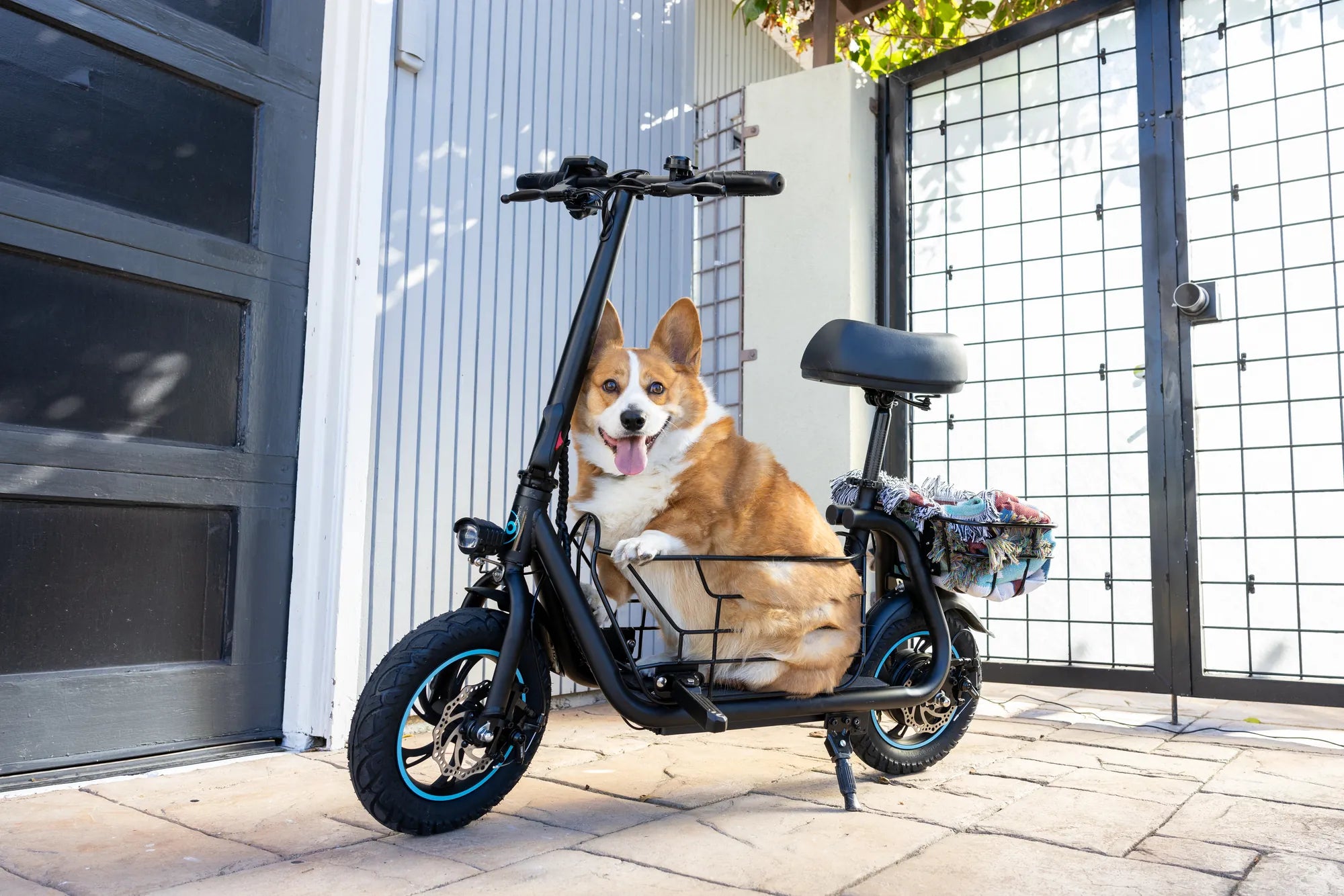
If you're searching for a convenient, eco-friendly way to navigate city streets or tackle hilly terrains without breaking a sweat, lightweight electric bikes are the perfect solution. These sleek, portable machines offer the ideal balance of power and agility, making them a favorite among commuters and casual riders alike. In this comprehensive guide, we’ll explore the key features, benefits, and top considerations when choosing the best lightweight electric bike for your needs.
Why Choose a Lightweight Electric Bike?
Lightweight electric bikes are designed to provide the convenience of motor-assisted cycling without the bulk of traditional e-bikes. Weighing significantly less than their heavier counterparts, these bikes are easier to maneuver, store, and transport—whether you're hopping on a train or carrying them up a flight of stairs.
Key advantages include:
- Portability: Easier to lift and carry, making them ideal for urban dwellers with limited storage space.
- Efficiency: Lighter frames require less battery power, often extending the range per charge.
- Agility: Improved handling for quick turns and smooth rides in crowded areas.
- Versatility: Suitable for both pedal-assist and full electric modes, adapting to different riding conditions.
Key Features to Look For
When reviewing lightweight electric bikes, certain features stand out as essential for performance and comfort. Here’s what to prioritize:
Battery Life and Range
A lightweight e-bike should offer a reliable battery that balances weight and longevity. Look for models with removable batteries for easy charging and replacements. Most high-quality options provide a range of 30-60 miles per charge, depending on usage.
Motor Power
While lightweight bikes may not have the most powerful motors, a 250W to 500W motor is usually sufficient for urban commuting. Mid-drive motors are often preferred for their efficiency and balanced weight distribution.
Frame Material
Aluminum and carbon fiber are the most common materials for lightweight frames. Aluminum offers durability at a lower cost, while carbon fiber provides superior strength and vibration absorption but comes at a premium price.
Tire Type
Thinner tires reduce weight and improve speed, while wider tires offer better stability on rough terrain. Choose based on your primary riding environment.
Top Picks for Lightweight Electric Bikes
While we won’t mention specific brands, here are some standout categories to consider:
Best for Urban Commuting
These models prioritize sleek designs, foldability, and quick acceleration for stop-and-go city traffic.
Best for Long-Distance Rides
Featuring extended battery life and ergonomic designs, these bikes are perfect for riders who need reliability over longer distances.
Best for Off-Road Adventures
Lightweight yet rugged, these e-bikes come with enhanced suspension and grippy tires for trail riding.
Maintenance Tips for Longevity
To keep your lightweight electric bike in top condition, follow these maintenance practices:
- Regularly check tire pressure and brake performance.
- Keep the battery charged between 20-80% for optimal lifespan.
- Clean the bike after rides, especially in wet or muddy conditions.
- Schedule annual professional tune-ups to address wear and tear.
Final Thoughts: Is a Lightweight E-Bike Right for You?
Lightweight electric bikes are revolutionizing urban mobility, offering a blend of convenience, efficiency, and fun. Whether you're a daily commuter or a weekend explorer, there’s a model tailored to your needs. By considering factors like battery life, motor power, and frame material, you can find the perfect ride to match your lifestyle. Ready to experience the freedom of effortless cycling? Your ideal lightweight e-bike is just a ride away.
Electric Bike Under $500 Review: Affordable and Efficient Rides for Everyone
Can You Ride an Electric Scooter in the Bike Lane? Exploring the Rules and Safety Tips