


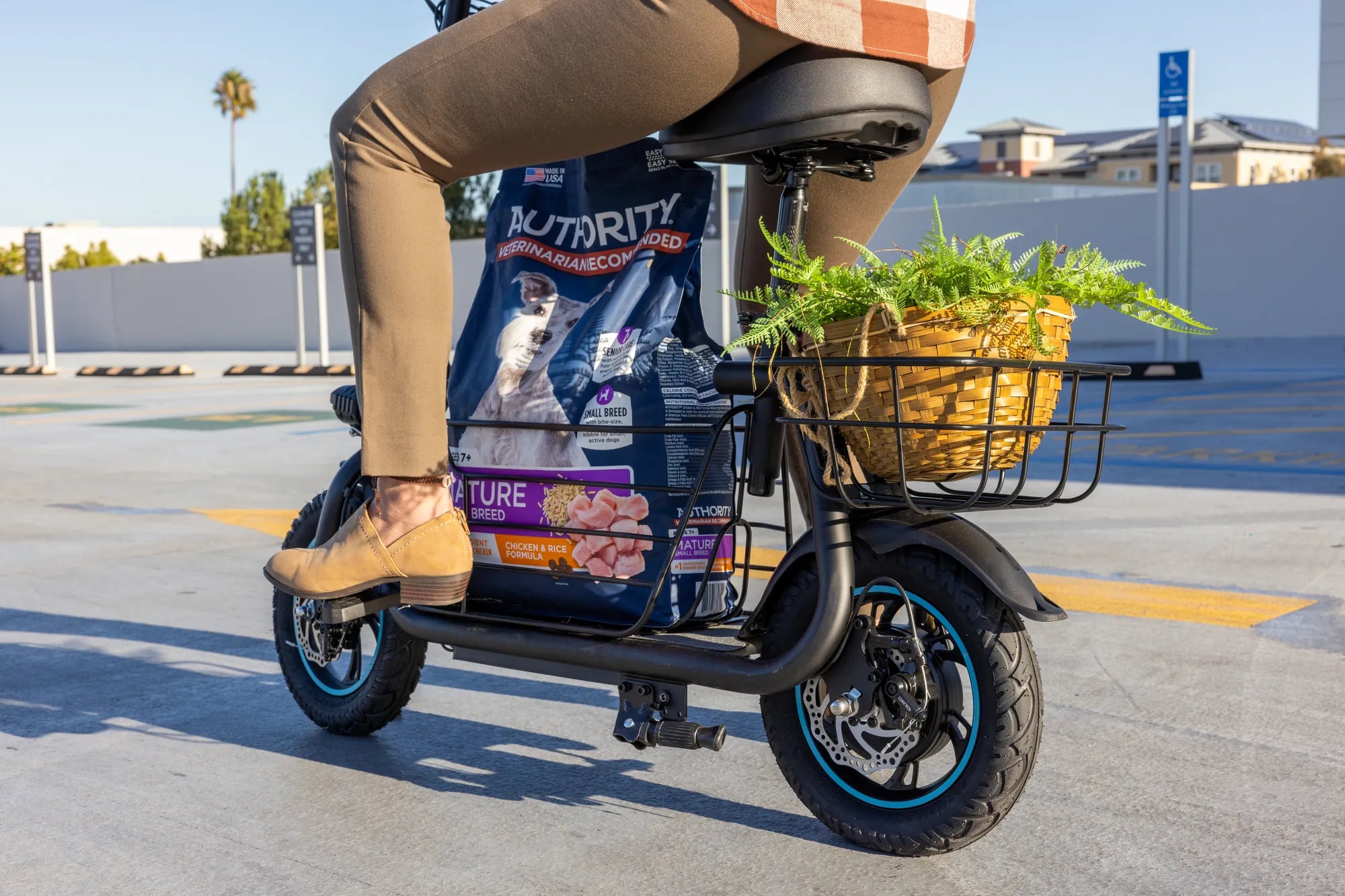
Forget the clunky, utilitarian trikes of the past. The modern lightweight electric tricycle for adults represents a revolution in personal electric mobility, merging the inherent stability of three wheels with sleek, efficient design that fits seamlessly into contemporary life. Whether you're navigating city streets, running weekend errands, or seeking a confidence-boosting ride, this vehicle category offers a compelling alternative to traditional e-bikes and scooters. This definitive guide will explore the engineering, benefits, and practical considerations of owning a lightweight electric tricycle, providing the data-driven insights you need to make an informed choice. You'll learn why the 'lightweight' designation is a critical performance feature, how to evaluate key specifications for safety and longevity, and understand the real-world scenarios where an e-trike excels.
The Rise of the Lightweight Electric Tricycle for Modern Adults
The evolution of the adult electric tricycle is a story of refinement and purpose-driven design. Historically associated with mobility aids, today's models are engineered for a broad demographic: commuters avoiding traffic, eco-conscious shoppers, recreational riders seeking stability, and active seniors wanting extended range without strain. The pivotal shift has been the strategic reduction in weight without compromising strength or capability.
Advanced materials like aircraft-grade aluminum alloys have replaced heavier steel frames, while compact, high-density lithium-ion battery packs provide ample power without bulk. This pursuit of lightness transforms the user experience. A lightweight electric tricycle for adults is no longer a cumbersome vehicle relegated to flat pathways; it is an agile, car-like transporter that can be easily maneuvered in tight spaces, loaded into a vehicle, or stored in a home without significant effort.
Brands like Gyroor, a leader in personal electric transport trusted by over 100,000 riders across North America and Europe, are at the forefront of this innovation. By applying their expertise in UL-certified battery safety and IPX5 water-resistant designs to the trike form factor, they demonstrate how lightweight construction goes hand-in-hand with robust, reliable engineering. The result is a vehicle that delivers on the promise of electric assist—effortless mobility—from the first pedal stroke or throttle twist.
The market's embrace of the lightweight electric tricycle for adults signals a maturation of micro-mobility. It's an acknowledgment that stability and practicality are paramount for many riders, and that these features need not come at the cost of portability and efficiency. This category fills a distinct niche between the two-wheeled agility of an e-bike and the cargo capacity of a heavy utility trike, creating a new standard for everyday electric transportation.
Why Choose a Lightweight Design? Core Benefits Over Traditional E-Trikes
The term 'lightweight' is more than a marketing buzzword; it is the defining characteristic that unlocks a superior riding experience. A traditional electric trike can weigh 80 pounds or more, creating immediate barriers to usability. A modern lightweight model, often weighing between 50-65 pounds, offers transformative advantages that impact every aspect of ownership and use.
First and foremost is maneuverability. A lighter frame is more responsive to steering input, making it easier to navigate crowded bike lanes, tight turns, and confined parking spaces. This agility inspires confidence, especially for new or returning riders who may be wary of balancing on two wheels. The reduced weight also translates directly into energy efficiency. The motor and battery expend less energy moving the vehicle's own mass, which can extend the practical range per charge by a noticeable margin, allowing you to go further on a single battery cycle.
Practical logistics are equally important. The ability to lift the front or rear end of the trike becomes feasible, simplifying tasks like loading it into a car trunk or SUV for trips to a trailhead or repair shop. For those living in apartments or homes with stairs, a lightweight design makes storage solutions far more flexible. This practical benefit cannot be overstated—a vehicle that is difficult to move when not in use quickly becomes a nuisance.
Finally, the riding feel is markedly different. A heavy trike can feel sluggish and truck-like, while a lightweight electric tricycle for adults offers a more connected, agile, and enjoyable ride. Acceleration feels snappier, handling is more precise, and the overall experience is less taxing, aligning perfectly with the core promise of electric-assist: to make travel easier and more accessible.
Enhanced Stability and Safety Without the Bulk
The primary reason many riders choose a tricycle is stability. The three-point contact with the ground eliminates the need to balance at stops, providing an immense confidence boost. A common misconception is that this stability requires a heavy, wide frame. Modern engineering proves otherwise.
Lightweight electric trikes achieve exceptional stability through intelligent design: a low center of gravity and optimal wheel geometry. Key to this is the placement of the heaviest component—the battery pack. High-quality models integrate the battery low in the frame, often within the main triangle or down tube, which keeps mass centered and low. This design, employed in brands like Gyroor using their UL-certified battery systems, prevents top-heaviness and ensures the trike remains planted during turns and on uneven surfaces.
The use of a lightweight aluminum alloy frame also allows designers to optimize the wheelbase and track width (the distance between the two rear wheels) without adding punitive weight. A properly calibrated geometry provides a stable platform that resists tipping, whether you're mounting the trike, coming to a stop, or navigating a sloped driveway. This inherent safety feature is accessible without the penalty of a cumbersome, hard-to-handle machine.
This combination of low-weight and high-stability is particularly valuable for riders carrying cargo or pets in a rear basket, for seniors seeking a secure ride, or for anyone using the trike as a primary vehicle for errands. It delivers peace of mind through physics and smart design, not just bulk.
Practicality for Daily Urban and Suburban Life
The lightweight electric tricycle for adults shines as a tool for daily living. Its design directly addresses common urban and suburban transportation challenges. For commuters, it offers a sweat-free alternative to a traditional bicycle, with the added stability making it less intimidating in mixed traffic. Many models comfortably cruise at 15-20 mph, matching the pace of urban cycling and keeping up with traffic flow on designated routes.
Running errands is where the trike format truly excels. The stable rear axle is the perfect foundation for a large cargo basket, capable of holding multiple grocery bags, a backpack, or even a small pet carrier. Unlike a two-wheeled bike where unbalanced loads can affect handling, a trike carries weight securely and predictably. The lightweight nature means you're not wasting battery power on the frame itself, leaving more energy for hauling your purchases.
Parking is a non-issue. A lightweight electric tricycle can be secured to standard bike racks with a sturdy lock, often taking less space than a bicycle with panniers. Its narrow profile compared to a car means you can always find a spot right at your destination's door. For multi-modal trips, its manageable weight makes it a candidate for last-mile transport from a train or bus station.
Ultimately, it transforms short car trips into efficient, enjoyable, and emission-free journeys. Whether it's a trip to the post office, the local cafe, or a community garden, the lightweight e-trike is a practical, always-ready vehicle that simplifies logistics and enhances daily life.
What to Look For: Essential Features in a Quality Lightweight E-Tricycle
Selecting the right lightweight electric tricycle for adults requires careful evaluation of its components. A lower weight should not mean a compromise on performance, safety, or durability. Here is a data-driven checklist to guide your assessment, ensuring you invest in a vehicle built to last.
The foundation is the motor and battery system. For adequate performance, especially on hills, a motor in the 350W to 750W range is recommended. A 500W motor is often a sweet spot, providing enough torque for moderate inclines while maintaining efficiency. The battery is the heart of the system. Look for a reputable brand of lithium-ion cells (like Samsung or LG) and a capacity measured in Watt-hours (Wh). A 36V 10Ah battery provides 360Wh of energy. For a lightweight trike, a 360Wh to 500Wh battery can realistically deliver 20-40 miles of range, depending on assist level, terrain, and rider weight.
Most critically, the battery must have legitimate safety certifications. A UL 2271 or UL 2842 certification is the gold standard, indicating the battery pack has undergone rigorous testing for electrical and fire safety. Gyroor, for instance, uses UL-certified battery packs tested for over 500 charge cycles, a benchmark for reliability and peace of mind.
Frame construction is next. The frame should be made from a welded aluminum alloy (e.g., 6061 aluminum) to achieve the optimal strength-to-weight ratio. Inspect the quality of welds—they should be smooth and even—and the overall finish. The frame should also feature a robust kickstand, preferably a dual-leg stand for maximum stability when parked, and integrated mounting points for accessories like fenders, lights, and baskets.
Power, Range, and Battery Safety Deep Dive
Understanding the relationship between motor power, battery capacity, and real-world range is crucial. Motor wattage (e.g., 350W, 500W) indicates potential power output, which translates to hill-climbing ability and acceleration. A higher wattage motor will handle steeper gradients with less strain but may consume energy faster. For a lightweight trike, a 500W motor is typically sufficient for most urban landscapes.
Battery capacity, measured in Amp-hours (Ah) or Watt-hours (Wh), is your fuel tank. Since voltage (V) is usually constant (36V or 48V), you can calculate Wh (Volts x Amp-hours = Watt-hours). A higher Wh number means more potential range. However, actual range is affected by weight (rider + cargo), terrain, wind, tire pressure, and the level of pedal assist used. A manufacturer's 'maximum range' claim is often based on ideal conditions with minimal assist.
Battery safety cannot be compromised. Beyond UL certification, look for batteries with built-in Battery Management Systems (BMS) that protect against overcharging, over-discharging, short circuits, and temperature extremes. The battery enclosure should be sturdy, lockable, and seamlessly integrated into the frame. A quality battery from a trusted brand is a long-term investment in safety and performance.
Frame Materials, Build Quality, and Weather Resistance
The frame is the skeleton of your trike. High-grade aluminum alloy is the material of choice for lightweight models. It offers excellent corrosion resistance and, when engineered correctly, provides tremendous rigidity and durability. The design should include reinforced joints at high-stress areas, such as the head tube, rear axle mounts, and where the battery is housed.
Build quality is evident in the details. Check for clean cable routing, securely mounted components, and smooth operation of all moving parts. The paint or powder coating should be even and chip-resistant. Since a lightweight electric tricycle for adults is meant for real-world use, it must withstand the elements.
This is where an Ingress Protection (IP) rating becomes vital. An IP rating indicates resistance to dust and water. An IPX5 rating, common on quality models like those from Gyroor, means the electrical components can withstand water jets from any direction, making the trike capable of riding in rain and through puddles. This feature is essential for a vehicle used for daily transportation, ensuring reliability regardless of the weather.
Comfort, Control, and Rider-Centric Features
A comfortable rider is a happy rider who will use the trike more often. Key comfort features start with an adjustable, padded saddle and handlebars that can be set to a natural, upright riding position. This reduces strain on the back, neck, and wrists. Suspension is a significant upgrade. Front suspension forks absorb impacts from cracks and bumps, while some models may offer a suspended saddle post or rear suspension for even smoother rides on rough pavement.
Control systems are your interface with the machine. A clear, backlit LCD display shows speed, battery level, assist mode, and trip distance. The assist system should offer multiple levels (e.g., Eco, Normal, Sport) to match effort to terrain and desired workout. Most trikes offer both pedal-assist (PAS) and a thumb or twist throttle for on-demand power, which is useful for starting from a stop or navigating tricky sections without pedaling.
Braking is a critical safety component. Disc brakes, whether mechanical or hydraulic, provide strong, consistent stopping power in all weather conditions and are preferred over older rim or drum brakes. Finally, don't overlook practical features: integrated front and rear lights for visibility, full-coverage fenders to keep you clean, and a sturdy rear rack or pre-installed basket that transforms the trike into a true utility vehicle.
Lightweight E-Trike vs. E-Bike vs. Standard E-Scooter: A Situational Comparison
Choosing the right personal electric vehicle depends heavily on your primary use case. The lightweight electric tricycle for adults occupies a unique space between the popular e-bike and the ultra-portable e-scooter. The following comparison highlights their key differences to guide your decision.
| Feature | Lightweight Electric Tricycle | Electric Bicycle (E-Bike) | Standard Electric Scooter |
|---|---|---|---|
| Primary Strength | Stability & Cargo Utility | Speed & Agility | Portability & Compactness |
| Weight | 50-65 lbs | 45-55 lbs | 25-40 lbs |
| Stability | Excellent (3 wheels) | Good (requires balance) | Fair (requires balance) |
| Cargo Capacity | High (integrated basket/rack) | Moderate (requires add-ons) | Low (backpack only) |
| Ideal User | Commuters with errands, seniors, stability-seekers | Fitness-oriented riders, long-distance commuters | Last-mile commuters, urban dwellers with storage limits |
| Parking/Storage | Standard bike rack; requires more space | Standard bike rack | Can be carried indoors; minimal space |
| Typical Range | 20-40 miles | 25-50 miles | 15-25 miles |
The lightweight e-trike is the undisputed champion for riders who prioritize stability above all else. It is the ideal choice if you plan to carry groceries, packages, or a pet regularly. Its ability to remain upright without a kickstand at stops is a game-changer for those with mobility concerns or who frequently start and stop in traffic.
An e-bike is better suited for riders who value a more traditional cycling experience with the benefit of electric assist, who may have longer commutes on varied terrain, and who are comfortable with the balancing act of two wheels. It is generally faster and more agile on bike paths.
A standard e-scooter wins on pure portability. It is the easiest to carry on public transit, store under a desk, or tuck into a closet. However, it offers minimal cargo options, less comfort on longer rides, and requires constant balance. For the adult seeking a primary, practical vehicle for regular transport and errands, the lightweight electric tricycle for adults presents the most versatile and confidence-inspiring solution.
Maximizing Your Investment: Maintenance, Safety, and Warranty
A lightweight electric tricycle is a significant investment in your mobility and freedom. Proper care ensures it remains a reliable companion for years. Maintenance for these vehicles is straightforward but essential, focusing on the battery, brakes, tires, and general cleanliness.
Battery care is paramount. Follow the manufacturer's charging guidelines: avoid leaving the battery plugged in for extended periods after it's fully charged, and try not to fully deplete it regularly. Store the trike and battery in a cool, dry place, away from extreme temperatures. For longevity, if you won't use the trike for a month or more, store the battery at a 50-70% charge. Using only the official charger provided is non-negotiable for safety.
Regular mechanical checks are simple. Keep tires inflated to the PSI rating on the sidewall; proper pressure improves range, handling, and prevents flats. Periodically check that all bolts (especially on the handlebars, seat, and wheels) are tight. Listen for unusual noises from the motor or drivetrain. Keep the chain clean and lubricated if it's a chain-drive model. Wipe down the frame after riding in wet or dirty conditions to prevent corrosion.
Safety extends beyond the vehicle to your riding habits. Always wear a helmet. Use the lights day and night to increase visibility. Obey local traffic laws as they apply to bicycles or electric bicycles. Be predictable in your movements and use hand signals when turning. The trike's stability is an asset, but defensive riding is always your best protection.
The Critical Role of a Strong Warranty and Support
When evaluating a lightweight electric tricycle for adults, the warranty and customer support offered are direct reflections of the manufacturer's confidence in their product. A comprehensive warranty protects your investment against defects in materials and workmanship.
Look for a warranty that covers the frame for a substantial period (often 2-5 years for reputable brands), the motor for 1-2 years, and the battery for at least 1 year. The battery warranty is particularly important, as it is the most expensive component to replace. Gyroor, for example, backs its products with a reliable 1-year comprehensive warranty and maintains accessible, US-based customer support, providing clear consumer protection and peace of mind.
Before purchasing, research the brand's reputation for honoring warranties and the availability of replacement parts. A company that stands behind its products with a strong warranty and responsive support is one that has built its lightweight electric tricycle to last, ensuring your investment continues to pay dividends in reliable transportation for the long term.
Frequently Asked Questions (FAQs)
Q: Do I need a license, registration, or insurance for a lightweight electric tricycle?
A: In most jurisdictions in the United States, a lightweight electric tricycle for adults is classified similarly to an electric bicycle (e-bike). If its motor is 750W or less and it has a maximum speed of 20 mph (or 28 mph in some Class 3 designations), it typically does not require a driver's license, vehicle registration, or insurance. However, laws vary by state, county, and city. It is essential to check your specific local regulations before riding.
Q: How much weight can a lightweight trike actually carry?
A: Despite their light frames, these trikes are engineered with robust weight capacities. Most quality models have a total payload capacity (rider + cargo) of 250 to 350 pounds. Always check the manufacturer's specified maximum weight limit, which includes everything on the trike. Exceeding this limit can stress the frame, motor, and brakes, leading to premature wear or safety issues.
Q: Are they suitable for riding on hills or rough pavement?
A: Yes, but specifications matter. For moderate hills, a motor of 500W or higher is recommended. The lightweight frame is actually an advantage on inclines, as there is less mass for the motor to move. For rough pavement, look for models with front suspension and wider, air-filled tires (as opposed to solid tires), which will absorb vibrations and provide a much more comfortable and controlled ride.
Q: Can I ride a lightweight electric tricycle in the rain?
A> A model with a proper water-resistance rating is designed for wet weather. An IPX5 rating, as found on Gyroor models, means the electrical components are protected against water jets from any direction, making it safe to ride in rain and through puddles. However, it's always wise to avoid deep standing water that could submerge the motor or controller, and to dry the trike off after a wet ride.
Q: How do I secure a lightweight electric tricycle from theft?
A> Use a high-quality, hardened steel U-lock or heavy-duty chain lock. Always lock the frame (and a wheel if possible) to a fixed, immovable object like a dedicated bike rack. If your model has a removable battery, take it with you when parked for long periods—this not only secures a valuable component but also deters theft of the entire vehicle. Consider registering your trike with a national bike registry or your local police department.
The Smart Choice for Accessible, Efficient Mobility
The lightweight electric tricycle for adults has emerged as a transformative solution in personal electric transport. It successfully decouples the concept of stability from bulk, delivering a vehicle that is both confidence-inspiring and remarkably easy to live with. By prioritizing intelligent design, advanced materials, and certified safety systems, modern e-trikes offer unparalleled practicality for daily tasks, a low-stress riding experience for all skill levels, and a genuinely enjoyable form of emission-free mobility.
Your choice ultimately hinges on aligning a vehicle's capabilities with your lifestyle needs. If your priorities include running errands without a car, seeking a stable and secure ride, or simply wanting a fun and functional way to explore your community, a lightweight e-trike is an outstanding option. The key is to select a model from a reputable brand that invests in quality components—UL-certified batteries, water-resistant construction, and robust frames—and stands behind its product with solid customer support and a clear warranty.
This isn't just about purchasing a vehicle; it's about investing in a new level of freedom and independence. Explore the possibilities of stable, efficient, and enjoyable electric mobility. Browse the full collection of innovative electric transport solutions, including evolving trike designs, at Gyroor's official website, and discover the model engineered to move with you.
Dirt Bike Tire Brands: The Ultimate Guide to Grip, Performance, and Value
Where Can I Find the Best Dirt Bike Batteries? A Complete Sourcing Guide