


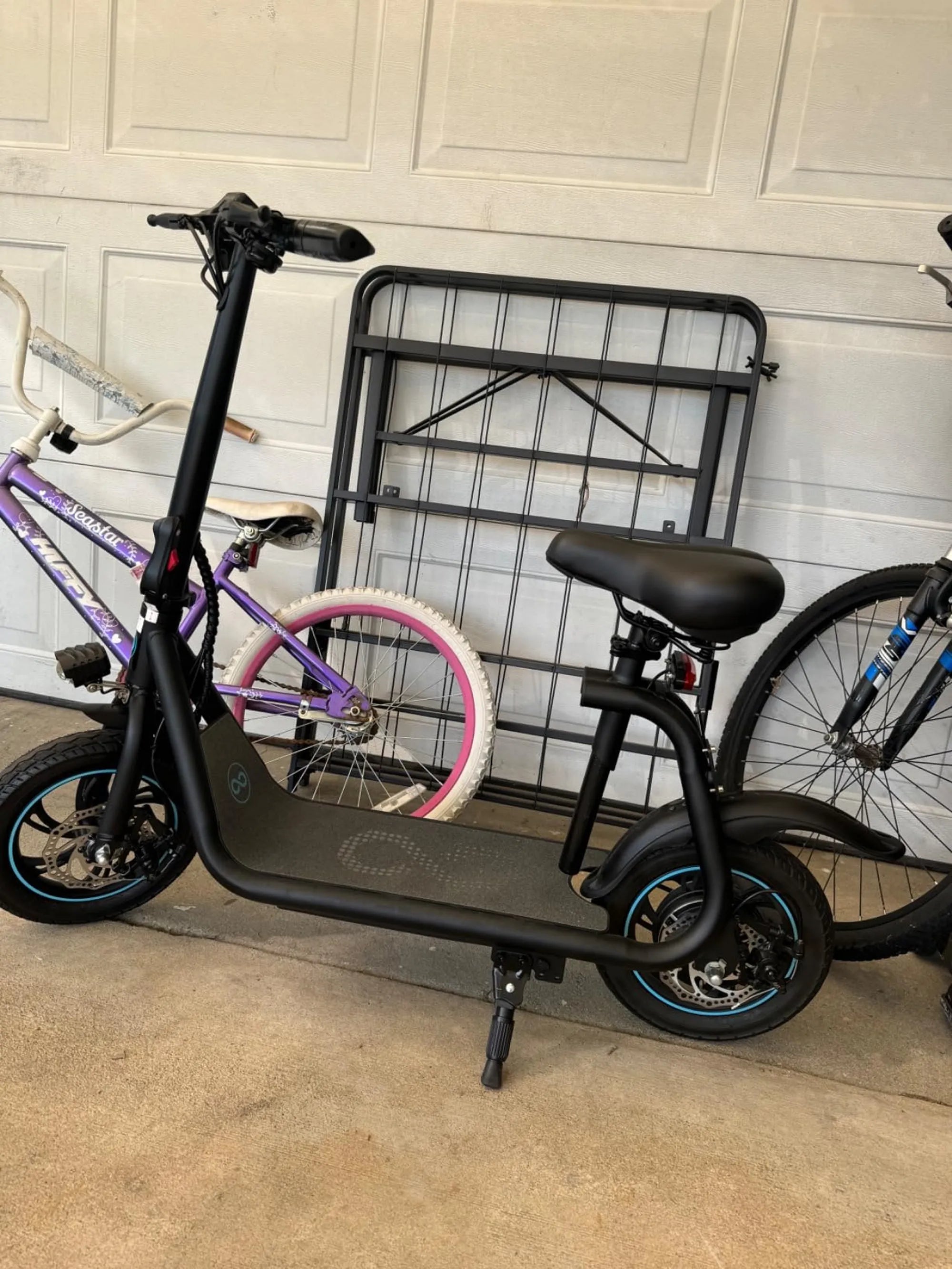
Introduction: The 24-Inch Bike - Your Child's Gateway to Confidence and Adventure
Choosing the right 24-inch lightweight kids bike marks a pivotal moment in a young rider's journey. This size represents the quintessential "big kid" bike, transitioning children from beginner pedals to confident, independent exploration. It's the vehicle for building lifelong cycling skills, exploring neighborhoods with friends, and developing a genuine love for outdoor activity. The emphasis on a lightweight design is not merely about convenience; it's about control, safety, and the pure joy of riding without fighting a heavy, cumbersome frame.
For children typically between the ages of 8 and 12, this bike becomes a trusted companion. A well-chosen lightweight 24-inch bike can transform hesitant riders into enthusiastic cyclists by making the physical act of riding easier and more rewarding. The right fit and weight directly influence a child's ability to maneuver, stop safely, and recover from minor wobbles, which are all essential for building self-assurance on two wheels.
At Gyroor, our commitment to safety, quality engineering, and rider-centric design extends from our electric scooters and e-bikes into our philosophy on youth mobility. We understand that a child's bike is an investment in their independence and well-being. This guide will equip you with the knowledge to select the perfect lightweight 24-inch bike, ensuring it supports your child's adventures for years to come.
Why a 24-Inch Bike? Understanding the Perfect Fit for Growing Riders
The 24-inch wheel size is specifically engineered for a key growth stage. It typically serves children with an inseam measurement of 24 to 29 inches and a standing height between 4 feet 5 inches and 5 feet 2 inches. This size fills the crucial gap between the smaller 20-inch bikes and the adult-proportioned 26-inch models, providing a geometry that matches a child's developing proportions and strength.
Proper fit is paramount for safety and control. The most critical measurement is standover height. When your child stands over the bike's top tube, there should be 1 to 3 inches of clearance between the tube and their inseam. This space is essential for safely dismounting and preventing injury in case of a sudden stop. Additionally, when seated, your child should be able to place the balls of their feet on the ground comfortably, and their arms should have a slight bend when gripping the handlebars.
Choosing a bike that is too small (like a 20-inch) can hinder a child's progress, causing a cramped riding position that limits power and control. Conversely, a bike that is too large (like a 26-inch) can be intimidating and dangerous, making it difficult to reach the brakes, touch the ground, or handle the bike's weight. The lightweight 24-inch bike is the ideal middle ground, offering a platform for growth without compromising on safety or comfort.
This size also coincides with a period of significant physical and cognitive development. Children in this age group are refining their coordination, balance, and risk assessment skills. A bike that fits correctly and is easy to handle supports this development, allowing them to focus on mastering more advanced skills like gear shifting, navigating traffic safely, and tackling varied terrain.
Key Features to Look for in a Lightweight 24-Inch Bike
Not all 24-inch bikes are created equal. The term "lightweight" encompasses a combination of design choices and component quality. A truly lightweight kids bike 24 inch prioritizes a responsive ride, easy handling, and durable construction that won't weigh a young rider down. The goal is to minimize the physical effort required to pedal, steer, and lift the bike, thereby maximizing fun and confidence.
The overall weight of the bike is a primary concern. While weight can vary, a quality lightweight 24-inch bike with an aluminum frame typically falls between 22 and 28 pounds. Every pound saved makes a noticeable difference in how a child can accelerate, climb hills, and maneuver. The weight distribution is also important; a well-balanced bike feels more stable and predictable than one that is front or rear-heavy.
Beyond weight, the component package defines the bike's capability and longevity. Parents should look for reliable, child-appropriate parts that are easy to use and maintain. This includes a drivetrain suited to the local terrain, effective braking systems, and tires that match the intended riding surface. Adjustability is another key feature, as it allows the bike to adapt to your child's growth, extending its useful life and protecting your investment.
Frame Material: Aluminum vs. Steel
The frame is the foundation of the bike's weight and ride quality. The two most common materials are aluminum and steel, each with distinct advantages. Aluminum alloy is the premier choice for a genuine lightweight kids bike 24 inch. It offers an excellent strength-to-weight ratio, is naturally rust-resistant, and provides a more responsive, lively feel. The reduced weight makes the bike easier for a child to handle, both while riding and when carrying it up stairs or loading it into a car.
Steel frames, often made from high-tensile steel, are known for their durability and affordability. They can withstand significant impacts and are often found on entry-level models. However, the primary drawback is weight. Steel is substantially heavier than aluminum, which can make the bike feel sluggish and more difficult for a child to control, especially on hills or during longer rides. For a bike designed to be lightweight and easy to ride, aluminum is the superior material.
Component Considerations: Gears, Brakes, and Tires
The component group dictates how the bike performs. For gearing, consider your local terrain. A single-speed bike is simple, virtually maintenance-free, and perfect for flat neighborhoods or paved trails. However, a lightweight 24-inch bike with a multi-gear system, such as a 6, 7, or 8-speed drivetrain, dramatically expands a child's riding range. Gears make climbing hills manageable and allow for efficient pedaling on flat stretches, reducing fatigue and encouraging longer adventures.
Braking is a critical safety feature. For this size bike, hand brakes are essential. Look for linear-pull (V-brakes) or disc brakes that offer consistent, reliable stopping power in all conditions. Coaster brakes (pedal-back brakes) are outdated for this size category, as they prevent children from learning proper hand-braking technique and can be less effective, especially on descents or wet pavement. Quality brake levers should be easy for small hands to reach and squeeze with moderate effort.
Tires connect the bike to the ground. Smooth, street-style tires offer low rolling resistance on pavement, making riding easier and faster. Knobby, mountain bike-style tires provide better traction and shock absorption on dirt paths, gravel, and grass. For a versatile lightweight 24-inch bike that can handle a mix of surfaces, a semi-slick or hybrid tire with a smooth centerline and slight tread on the edges is an excellent choice.
Adjustability for Growth and Comfort
A significant advantage of investing in a quality lightweight 24-inch bike is its extended lifespan. A key feature that enables this is adjustability. Look for a bike with a long, quick-release seat post that offers a wide range of height adjustment. This allows you to raise the saddle as your child's legs grow, ensuring a proper, efficient pedaling position for years.
Similarly, some models offer an adjustable handlebar stem, either through a quill system or an adjustable-angle stem. This lets you fine-tune the reach and height of the handlebars to accommodate a growing torso and arm length, preventing a cramped or overly stretched riding posture. This level of adjustability means the bike can provide a safe, comfortable fit through multiple growth spurts, offering exceptional long-term value.
The Gyroor Advantage: Engineering Confidence for Young Riders
Gyroor's expertise in personal electric mobility is built on principles that translate perfectly to traditional bicycles: safety, reliability, and thoughtful, user-centric design. When applied to a lightweight kids bike 24 inch, these principles result in a machine engineered to build a young rider's confidence from the ground up. We believe a child's bike should empower, not intimidate, and every design decision reflects that mission.
Our approach starts with understanding the rider. A child's strength, coordination, and perception of risk are different from an adult's. Therefore, a kids' bike cannot simply be a scaled-down adult bike. It requires specific geometry for stability, components sized for smaller hands, and a weight profile that a child can genuinely master. This rider-first philosophy ensures that a Gyroor-designed bike feels like an extension of the child, not an obstacle to overcome.
With a community of over 100,000 riders across North America and Europe and a 4.5/5 average customer rating, Gyroor has built a reputation for delivering products that perform reliably. We bring this same commitment to durability and customer satisfaction to every product category we enter. Choosing a bike from a brand with this track record provides peace of mind that you're investing in a tool for adventure, not a source of constant repairs.
Safety-First Design Philosophy
Safety is the non-negotiable foundation of Gyroor's design process. For a lightweight 24-inch bike, this begins with frame geometry that prioritizes stability and predictable handling. A slightly longer wheelbase and carefully calculated head tube angle can make the difference between a wobbly, nervous ride and a planted, confident one. This stable platform gives young riders the security they need to develop their skills.
Component selection is equally safety-critical. We prioritize braking systems that offer progressive, easy-to-modulate stopping power, allowing a child to brake smoothly without locking up the wheels. All fasteners and components are secured to withstand the rigors of enthusiastic riding. Furthermore, the use of lightweight aluminum not only aids handling but also reduces the physical strain on a child, helping them stay fresher and more alert during longer rides, which is itself a safety benefit.
Built to Last: Durability Meets Lightweight Design
Creating a bike that is both lightweight and durable is an engineering challenge. Gyroor meets this challenge by using high-quality, purpose-selected aluminum alloys and robust construction techniques, such as smooth welding and reinforced stress points. This ensures the frame can withstand the jumps, curb hops, and general rough treatment that are part of a child's riding life without adding unnecessary bulk or weight.
This commitment to durability is backed by our comprehensive 1-year warranty, a testament to our confidence in the product's longevity. Should any issue arise, customers benefit from accessible US-based support, ensuring help is readily available. This combination of robust construction and strong warranty support means a Gyroor lightweight 24-inch bike isn't just a purchase for a single season; it's a dependable companion designed to support your child's journey from novice to proficient cyclist.
Beyond the Bike: Essential Gear and Safety Tips
Providing a great lightweight kids bike 24 inch is only the first step. Ensuring your child has the right protective gear and knowledge is what completes the picture of safe, enjoyable cycling. As a brand trusted by families, Gyroor advocates for a holistic approach to riding that prioritizes preparation and ongoing education alongside quality equipment.
Establishing good habits early is crucial. This includes performing simple pre-ride checks, understanding basic traffic rules for cyclists, and choosing appropriate routes. Parents should ride with their children initially, modeling safe behavior and providing guidance. As skills and judgment improve, you can gradually expand the boundaries of independent riding, always emphasizing situational awareness and defensive cycling techniques.
Regular, simple maintenance is also part of safety. A well-maintained bike is a safe bike. Teaching your child to recognize when something doesn't feel or sound right—like squeaky brakes or a wobbly wheel—empowers them to be part of the safety process. This not only keeps the bike in top condition but also fosters a sense of responsibility and connection to their equipment.
The Non-Negotiables: Helmet and Protective Gear
A properly fitted helmet is an absolute necessity for every ride, no matter how short. Look for a helmet certified by safety organizations like the CPSC. The fit should be snug but not painful, sitting level on the head (not tilted back) with the front edge no more than two finger-widths above the eyebrows. The side straps should form a "V" just under and in front of the ears, and the chin strap should be tight enough that no more than one or two fingers can fit between the strap and the chin.
While a helmet is mandatory, additional protective gear can be valuable, especially for new riders or those exploring off-road trails. Knee and elbow pads can prevent painful scrapes and bruises during the inevitable learning-curve falls. Padded cycling gloves improve grip, absorb vibration, and protect palms in a fall. For riders using their lightweight 24-inch bike on trails, consider protective glasses to shield eyes from dust and debris.
Pre-Ride Checklist and Maintenance Basics
Instilling the habit of a quick pre-ride check can prevent accidents and breakdowns. Teach your child the "ABC Quick Check": Air: Check tire pressure and look for cuts or embedded objects. Brakes: Squeeze levers to ensure they engage firmly and don't touch the handlebars. Inspect brake pads for wear. Chain & Cranks: Check that the chain is clean and lubricated, and ensure the cranks (the arms holding the pedals) are tight and don't wobble. Also, do a quick check of the Quick Releases on the wheels and seat post to ensure they are securely closed.
Basic maintenance is straightforward. Keep tires inflated to the pressure listed on the sidewall; properly inflated tires roll easier and are less prone to flats. Wipe down the chain periodically and apply a bicycle-specific lubricant, then wipe off the excess to prevent attracting dirt. Learn how to adjust brake cable tension if the levers feel too loose. These simple tasks will keep the bike performing like new and can often be done together with your child, turning maintenance into a valuable learning experience.
Comparison: Lightweight 24-Inch Bike Features
To help visualize the key differences between a well-specified lightweight bike and a generic, heavier model, the table below outlines critical features and their impact on the riding experience.
| Feature | Quality Lightweight Bike (e.g., Gyroor Philosophy) | Generic/Heavier Bike | Impact on Young Rider |
|---|---|---|---|
| Frame Material | Aluminum Alloy | High-Tensile Steel | Lighter weight for easier handling, acceleration, and carrying; rust-resistant. |
| Approx. Weight | 22 - 28 lbs | 30 - 35+ lbs | Significant difference in effort required, affecting confidence and range. |
| Gearing | Single-speed or 6-8 speed drivetrain | Often single-speed only | Multiple gears expand riding terrain, make hills manageable, and reduce fatigue. |
| Brakes | Reliable hand brakes (V-brakes or disc) | Coaster brake or low-quality hand brakes | Superior, controllable stopping power in all conditions; teaches proper technique. |
| Adjustability | Long, quick-release seat post; adjustable stem | Minimal seat adjustment; fixed stem | Extends bike's usable life by 2-3 years, ensuring a proper, safe fit as child grows. |
| Warranty & Support | Comprehensive 1-year warranty, accessible support | Limited or no warranty, difficult support | Peace of mind and protection for your investment; issues are resolved promptly. |
Frequently Asked Questions (FAQs)
Q: Is my child ready for a 24-inch bike?
A: Readiness is based more on size and skill than age. The best indicators are: 1) Their inseam is at least 24 inches, allowing for proper standover height on a 24-inch frame. 2) They have confidently mastered a 20-inch bike, including starting, stopping, and turning smoothly. If they are "maxing out" their smaller bike, it's likely time to move up.
Q: How much should a good lightweight 24-inch bike weigh?
A: A quality bike with an aluminum frame and reasonable components will typically weigh between 22 and 28 pounds. The lighter end of this spectrum is ideal, as every pound makes a noticeable difference in a child's ability to handle the bike, especially on hills or when they need to lift it. Steel-frame bikes often start around 30 pounds and can be significantly heavier.
Q: Are multiple gears necessary for a child's bike?
A> While not strictly necessary for flat, paved areas, multiple gears (like a 6, 7, or 8-speed) are highly recommended. They teach valuable mechanical skills and, most importantly, make riding more enjoyable and less work. Gears allow a child to tackle hills they would otherwise have to walk up and maintain a comfortable pedaling speed on long straightaways, which encourages longer, more adventurous rides.
Q: What type of brakes are best for a 24-inch bike?
A> Hand brakes are essential for this size. They provide more controlled, effective stopping power than coaster brakes and are the standard on all adult and larger kids' bikes, so learning them now is important. Look for linear-pull (V-brakes) which offer excellent power and are easy to maintain. Disc brakes offer even more consistent performance, especially in wet or muddy conditions, but may add slight weight and cost.
Q: What makes Gyroor's approach to kids' bikes different?
A> Gyroor applies its core engineering principles from the electric mobility sector—safety, reliability, and user-focused design—to traditional bikes. We emphasize lightweight aluminum construction for optimal handling, safety-centric geometry and components for rider confidence, and back our products with a strong 1-year warranty and accessible customer support. It's a holistic approach designed to build capable, joyful riders.
Conclusion: Investing in Independence and Joy
Selecting the right lightweight kids bike 24 inch is one of the most rewarding purchases you can make for your growing child. It's an investment that pays dividends in physical health, confidence, independence, and pure, unadulterated fun. The perfect bike disappears beneath them, becoming not a piece of equipment to manage, but a source of freedom and exploration. It's the key to weekend adventures, after-school rides with friends, and the foundation for a potentially lifelong love of cycling.
By prioritizing a proper fit, a genuinely lightweight frame, reliable components, and adjustability for growth, you ensure this investment lasts for years of memorable rides. The difference between a well-chosen bike and a generic one is measured in more than just pounds; it's measured in smiles, miles ridden, and skills gained. A bike that is easy and enjoyable to ride will get used far more often, supporting an active, healthy lifestyle.
At Gyroor, we are passionate about empowering riders of all ages. Our commitment to quality, safety, and performance is designed to give parents confidence and children a reliable vehicle for their adventures. The journey from a first pedal stroke to confident exploration is a special one, and the right bike makes all the difference. Ready to find the perfect match for your young explorer? Browse the full Gyroor collection at gyroorboard.com and discover bikes and gear built to inspire the next generation of riders.
Average Speed on a Mountain Bike: The Complete Data-Driven Guide
Looking for a Scooter: The Ultimate 2024 Guide to Choosing Your Perfect Ride