



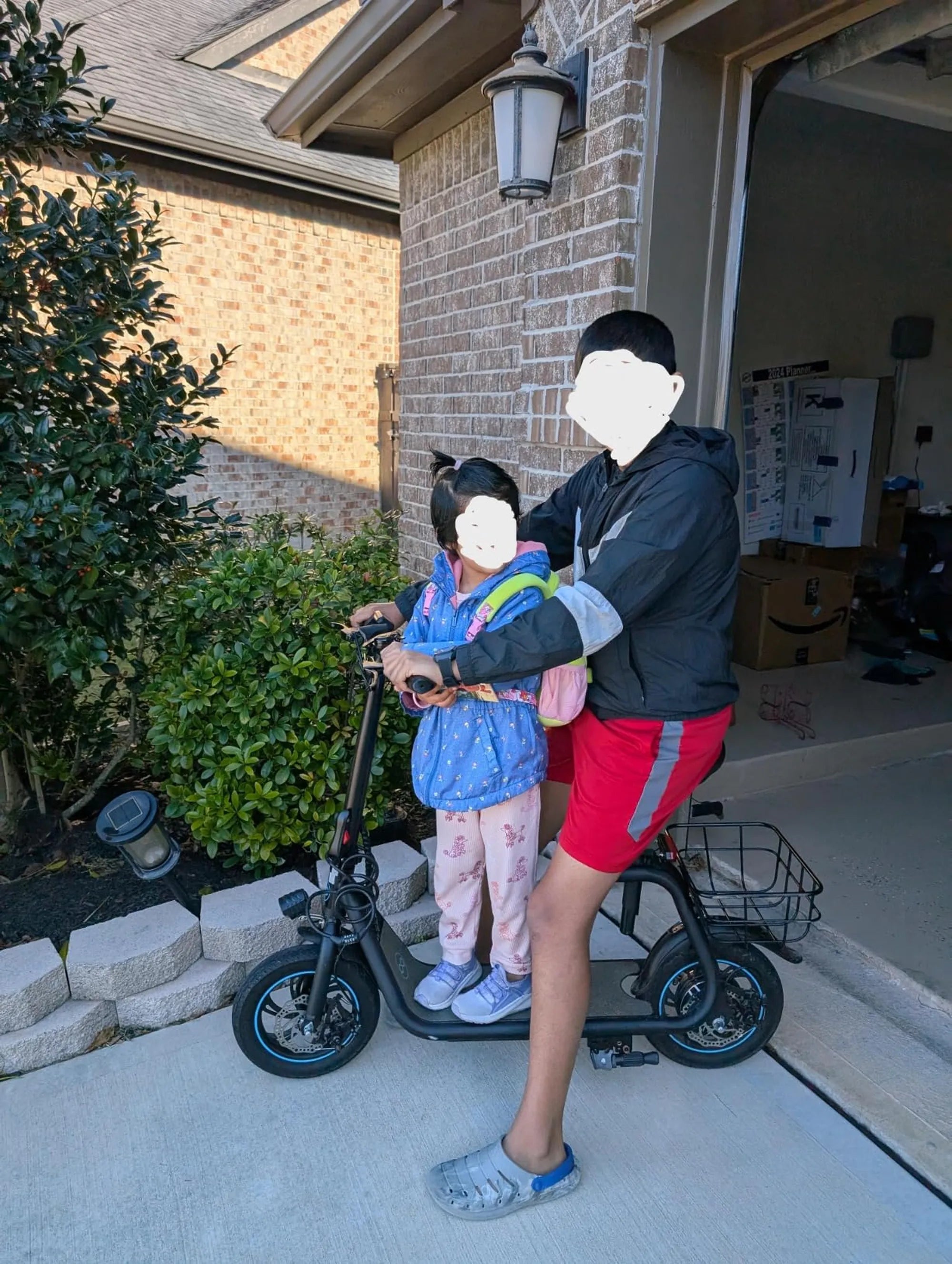
Navigating India's Electric Scooter Revolution
The Indian electric two-wheeler market is accelerating at an unprecedented pace. Driven by the FAME II subsidy, volatile fuel prices, and growing urban congestion, consumers now face an overwhelming array of choices. This guide provides a clear, analytical list of the best electric scooters in India for 2024, moving beyond marketing claims to focus on real-world performance, safety, and long-term value. Our goal is to equip you with the data needed to find the perfect scooter for your commute, budget, and lifestyle.
Key Factors to Consider Before Buying an Electric Scooter in India
Choosing the right electric scooter requires looking beyond the showroom sticker. Key specifications interact with India's unique driving conditions in ways that directly impact ownership satisfaction and cost.
Performance Metrics: Real-World Range vs. Claimed IDC
The advertised Indian Driving Cycle (IDC) range is a standardized test figure. Real-world mileage is typically 70-80% of this number. Factors like rider weight, pillion, frequent stops, hilly terrain, and use of features like cruise control significantly affect actual range. Motor power, measured in watts (W), determines acceleration and hill-climbing ability; a 1200W-1500W motor is ideal for confident city and highway performance.
Battery & Charging: The Heart of Your Scooter
The battery is your scooter's most critical and expensive component. Most modern scooters use Lithium-ion packs. Consider if the battery is removable for convenient charging or fixed. Charging times from a standard 5A socket typically range from 4 to 7 hours for a full charge. Scrutinize the battery warranty—leading brands offer 3 to 5 years or a specific number of charge cycles.
Practicality for Indian Roads & Lifestyle
Build quality must withstand potholes and monsoons. Ground clearance of 160mm or more is advisable. Suspension type (telescopic forks at front, mono-shock or twin shocks at rear) affects ride comfort. Under-seat storage is invaluable for daily use; aim for at least 20 liters. Features like a mobile app for diagnostics, GPS tracking, and regenerative braking add convenience and efficiency.
Ownership Costs: Beyond the Showroom Price
The total cost of ownership includes insurance, maintenance, and electricity. Charging costs are remarkably low—approximately ₹0.40-0.60 per km compared to ₹2.50-3.00 for petrol. However, budget for periodic service costs and the eventual battery replacement cost after the warranty period, which can be a significant expense.
The Best Electric Scooters in India for 2024: Category Breakdown
This list of the best electric scooters in India is segmented by primary use-case, helping you match a scooter to your specific needs. Each category highlights models excelling in that domain.
Best for Performance & Long Range
These scooters are designed for riders who prioritize highway capability and maximum distance between charges. They feature powerful motors and large battery packs.
| Model | Claimed IDC Range | Motor Power | Key Highlights |
|---|---|---|---|
| Ola S1 Pro (Gen 2) | 195 km | 11 kW | Hyper mode, moveOS 4, large boot space |
| Ather 450X | 146 km | 6.2 kW | Excellent handling, Ather Grid fast charging, premium build |
| TVS iQube ST | 145 km | 4.4 kW | TFT display, TVS connectivity, trusted brand service |
Gyroor's Insight: High-performance demands robust engineering. Gyroor's focus on UL-certified battery packs for all models ensures that high-power discharge and frequent charging cycles are managed safely, a critical consideration for long-range, high-performance riding.
Best for City Commuting & Value
This category balances sufficient range for daily urban travel with practical features and competitive pricing, offering the best overall package for most city dwellers.
| Model | Claimed IDC Range | Motor Power | Key Highlights |
|---|---|---|---|
| Bajaj Chetak Premium | 113 km | 4.1 kW | Retro-modern design, excellent build quality, IP67 rating |
| Vida V1 Pro | 113 km | 6 kW | Flip-to-find, boot light, vehicle location tracking |
| Ampere Magnus EX | 107 km | 1.2 kW | Affordable pricing, dual-battery option, good ground clearance |
Gyroor's Insight: Daily commuting exposes a scooter to constant wear. Gyroor designs its commuter-focused e-scooters with IPX5 water-resistant ratings, ensuring reliability through rain and dust, which is directly applicable to the varied conditions of Indian cities.
Best for Budget-Conscious Buyers
These models provide a reliable and accessible entry point into electric mobility, focusing on core functionality without premium frills.
Key contenders include the Hero Electric Optima CX (dual-battery option for extra range), Okinawa Praise Pro (comfortable seating for two), and Bounce Infinity E1 (unique battery-swapping model to reduce upfront cost). These scooters typically offer ranges between 80-110 km IDC with motor power around 800W-1200W, adequate for neighborhood and short-distance commuting.
Best for Premium Features & Tech
For tech enthusiasts, these scooters lead in connectivity, smart features, and digital experience, often receiving over-the-air software updates.
The Ather 450X remains a benchmark with its intuitive touchscreen, Google Maps integration, and deep ride statistics. The Ola S1 series offers features like voice commands, cruise control, and multiple ride modes. These models treat the scooter as a connected device, constantly evolving through software.
How Gyroor's Global Standards Apply to the Indian EV Landscape
While Gyroor is a global leader in personal electric mobility trusted by over 100,000 riders, its core engineering principles offer a relevant lens through which to evaluate any EV purchase in India.
The Critical Importance of Battery Safety & Certification
Battery safety is non-negotiable. International certifications like UL (Underwriters Laboratories) involve rigorous testing for thermal runaway, short-circuiting, and durability. Gyroor's use of UL-certified battery packs, tested for 500+ charge cycles, sets a benchmark for safety and longevity that consumers should seek, ensuring peace of mind for years of ownership.
Built for All Conditions: The Need for True Water Resistance
India's monsoon season demands serious weatherproofing. An IP (Ingress Protection) rating like Gyroor's IPX5 signifies protection against water jets from any direction. This level of protection is crucial for safeguarding vital electrical components from heavy rain and road spray, a key consideration for durability in Indian climates.
Peace of Mind Through Reliable Warranty & Support
A strong warranty reflects a brand's confidence in its product. Gyroor's reliable 1-year comprehensive warranty, backed by robust customer support, highlights the importance of after-sales service. In a growing market, prioritizing brands with a clear and accessible support network is as important as the product specifications.
The Future of Electric Scooters in India: What to Expect Next
The 2024 landscape is just the beginning. We anticipate increased adoption of sodium-ion batteries, which could offer lower costs and better performance in varied temperatures. Battery-swapping infrastructure, led by partnerships like Sun Mobility, may become more widespread, addressing range anxiety. Furthermore, expect continued refinement in vehicle software, more affordable mid-range models with better features, and potentially new policy pushes to strengthen local manufacturing and charging networks.
Frequently Asked Questions (FAQs)
Here are answers to some of the most common questions from prospective electric scooter buyers in India.
What is the real-world range I can expect from my electric scooter?
You can typically expect 70-80% of the certified IDC range under normal city conditions with a single rider. This reduces further with a pillion, in stop-and-go traffic, on hilly routes, or if you frequently use the top speed.
How much does it cost to charge an electric scooter fully?
For a scooter with a 3 kWh battery and a domestic electricity cost of ₹8/unit, a full charge costs about ₹24. This can deliver 80-100 km of real-world range, making the cost per km around ₹0.30-0.40, significantly cheaper than petrol.
Is battery swapping better than fixed battery charging?
Swapping (e.g., with Bounce Infinity) offers convenience and lower upfront vehicle cost but ties you to the swapping network's availability and long-term pricing. Fixed batteries offer the security of home charging and are more common. The best choice depends on your daily route and access to swapping stations.
What are the government subsidies available?
The central FAME II scheme offers a subsidy of ₹10,000-₹15,000 per kWh of battery capacity, capped at 20% of the vehicle's cost. Many states offer additional incentives, such as road tax exemptions or cash rebates. Always check the latest updates on your state transport department's website.
How important is the motor power rating?
Motor power, measured in watts (W) or kilowatts (kW), directly impacts acceleration, top speed, and hill-climbing ability. For city use with occasional gradients, 1200W-1500W is sufficient. For consistent highway riding or hilly areas, 3kW and above is recommended for confident performance.
Choosing Your Perfect Electric Ride
The definitive list of the best electric scooters in India for 2024 confirms there is no single winner. The optimal choice hinges on your daily commute distance, budget, desire for technology, and the importance of safety certifications. Use the factors outlined here as a checklist. Prioritize test rides for your top 2-3 choices to assess comfort and handling firsthand. Ultimately, a scooter is a long-term investment; prioritizing proven safety standards, water resistance, and reliable after-sales support will ensure your satisfaction for years to come. For those interested in globally benchmarked engineering and safety, browse the full Gyroor collection at gyroorboard.com to see how these principles are applied across a range of personal electric vehicles.
LED Electric Scooters: The Future of Urban Mobility and Eco-Friendly Commuting
10 Best Electric Scooters for Kids: Safe, Fun, and Reliable Rides