



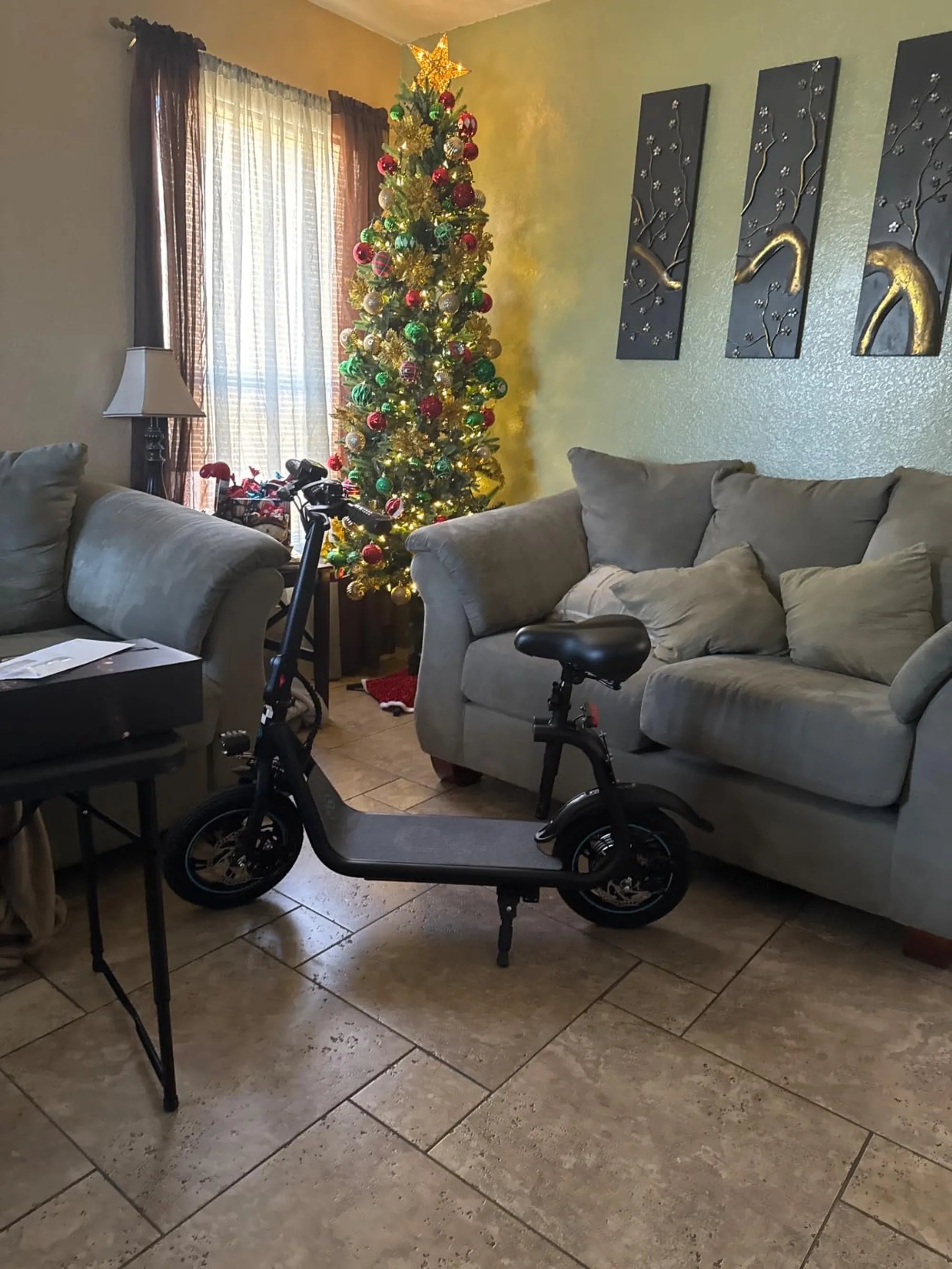
Redefining Urban Mobility with Long-Range Electric Scooters
Urban commuters face a daily trifecta of challenges: congested traffic, rising transportation costs, and a growing environmental footprint. The search for a practical, efficient, and sustainable alternative has led to the rise of a transformative solution: long range electric scooters for adults. These are not toys, but sophisticated personal electric vehicles engineered for serious daily use.
They bridge the gap between short-range last-mile options and full-sized electric bikes or cars, offering a compelling primary commuting vehicle for distances from 5 to 25 miles one-way. Leading this evolution are brands like Gyroor, trusted by over 100,000 riders across North America and Europe for delivering reliable, high-performance commuting vehicles with a focus on safety and durability.
This article will dissect what makes a true long-range scooter, how it performs in real-world conditions, and why it represents the ultimate commuting solution for a growing number of adults. We move beyond marketing claims to provide a data-driven framework for understanding range, performance, and value.
What Defines a True "Long-Range" Electric Scooter?
The term "long-range" is often used loosely. For an adult commuter, a true long-range electric scooter must reliably cover a meaningful daily round-trip distance with a significant buffer to eliminate "range anxiety." This is a function of engineering, not just a large battery slapped onto a frame.
At its core, range is determined by battery capacity, measured in Watt-hours (Wh). Think of this as the fuel tank size. A scooter with a 360Wh battery has less potential energy than one with a 720Wh pack. However, raw capacity is only part of the equation. Motor efficiency, controller programming, overall weight, and aerodynamic design all dictate how effectively that energy is converted into distance.
Manufacturers often advertise a "maximum range" figure, typically calculated under ideal laboratory conditions: a lightweight rider on a perfectly flat, smooth surface at a constant, low speed in ideal temperatures. For the adult commuter, real-world range is what matters. This is typically 60-75% of the advertised maximum, accounting for stops, starts, hills, wind, and variable rider weight.
Therefore, we define a true long range electric scooter for adults as one capable of delivering a consistent, real-world range of 20 miles or more on a single charge for a rider weighing approximately 180 pounds. This benchmark ensures it can handle a substantial commute, errands, and unexpected detours without needing a midday charge.
Key Factors That Impact Your Scooter's Range
Understanding the variables that affect range is crucial for setting realistic expectations and maximizing your scooter's performance. The primary factors are interconnected.
Battery Capacity and Health: The size (Wh) and quality of the battery pack are paramount. High-quality, UL-certified lithium-ion cells, like those used by Gyroor, maintain their capacity over hundreds of charge cycles and are built with safety protections against overcharging and overheating. A degraded battery will severely limit range.
Rider Weight and Riding Style: Heavier riders require more energy to accelerate and maintain speed. Aggressive riding—rapid acceleration, frequent high-speed bursts, and hard braking—drains the battery much faster than a smooth, consistent pace. Using a lower, eco-friendly speed mode can extend range significantly.
Terrain and Topography: Riding on flat, smooth pavement is most efficient. Hills, even small inclines, dramatically increase power draw. Rough terrain like cobblestones or cracked pavement increases rolling resistance, which also reduces range. Route planning is a key skill for the long-range commuter.
Environmental Conditions: Cold temperatures (below 50°F/10°C) reduce battery chemical efficiency, temporarily lowering range by 15-30%. Strong headwinds act like a constant hill. Proper tire inflation is critical; under-inflated tires create excess drag. Even using the headlight and taillight consumes a small but measurable amount of power.
The Gyroor Advantage: Engineering for Real-World Distance and Reliability
In a market filled with claims, Gyroor distinguishes itself through a foundation of verifiable engineering standards focused on safety, durability, and rider support. This approach directly translates to reliable long-range performance you can count on day after day.
The cornerstone is battery safety and longevity. Every Gyroor scooter utilizes UL-certified lithium-ion battery packs. This certification means the battery has passed rigorous independent tests for electrical, mechanical, and environmental safety. These high-quality cells are rated for 500+ charge cycles while retaining most of their capacity, ensuring your scooter's range doesn't plummet after a few months of use.
Commuting is a year-round activity. Gyroor builds its scooters with an IPX5 water-resistant rating. This means they can withstand water jets from any direction, making them capable of handling wet roads, puddles, and light rain. This durability is essential for protecting the scooter's electrical components, including the battery and motor, from moisture-related damage that could impair performance and safety.
Finally, reliability is backed by a comprehensive 1-year warranty and accessible customer support. This warranty covers the motor, battery, controller, and frame, providing peace of mind for a vehicle that is a daily investment. Knowing you have support allows you to focus on the ride, not potential repair headaches.
Beyond the Battery: Features That Enhance the Long-Range Experience
A large battery enables distance, but other features determine whether that distance is comfortable, safe, and practical. A true commuter scooter is a holistic package.
Suspension Systems: For rides over 20-30 minutes, comfort is key. Front and/or rear suspension absorbs shocks from urban terrain—curbs, cracks, and uneven pavement—reducing rider fatigue and improving control. This is a non-negotiable feature for a premium commuting experience.
Lighting and Safety: Long-range commuting often means riding in dawn, dusk, or night conditions. A bright LED headlight, rear brake light, and side reflectors are essential for being seen. Some models, including those from Gyroor, add deck lighting or turn signals for enhanced visibility.
Braking Performance: Stopping power must match the scooter's speed and weight. Disc brakes (mechanical or hydraulic) offer strong, consistent braking in all conditions and are preferred for higher-speed models. Regenerative braking can also add a small amount of charge back to the battery while slowing down.
Portability and Build: Even a long-range scooter may need to be carried upstairs or onto public transit. A robust, one-click folding mechanism is essential. The overall build quality—using aerospace-grade aluminum alloys—ensures the scooter can withstand the rigors of daily use without developing worrisome creaks or flex.
Long-Range Scooter in Action: A Week in the Life of a Commuter
Let's translate specifications into a real-world scenario. Imagine a commuter with a 7.5-mile one-way trip to work (15 miles round-trip). They weigh 190 lbs and encounter two moderate hills and a mix of bike lanes and smooth roads.
On Monday, they use a Gyroor scooter with a 500Wh battery and a real-world range of 22 miles. They depart with a full charge, using a mid-speed mode for efficiency. The scooter handles the hills without straining, and the suspension smooths out pavement seams. They arrive with approximately 70% battery remaining. No range anxiety exists for the return trip or a quick detour to a store.
By Friday, the scooter has saved them from sitting in traffic, paying for parking or train fares, and contributing to downtown congestion. The direct door-to-door travel has also saved them time compared to a multi-modal trip involving walking and waiting. The weekly electricity cost to recharge is a fraction of a gallon of gasoline.
This scenario highlights the transformative potential. The long range electric scooter for adults shifts from a novelty to a legitimate tool for urban living. It provides predictable, affordable, and enjoyable transportation, enabled by the reliability of components like a UL-certified battery and a water-resistant build that doesn't falter in less-than-ideal conditions.
Making the Right Choice: How to Select Your Long-Range Commuter Scooter
Choosing the right model requires aligning specifications with your personal commute profile and lifestyle needs. Use this checklist to evaluate your options systematically.
Required Real-World Range: Calculate your longest daily round-trip distance and add a 30-50% buffer. This buffer accounts for errands, headwinds, battery degradation over time, and the peace of mind of not draining to 0%. If your commute is 18 miles, target a scooter with a real-world range of at least 25 miles.
Motor Power and Terrain: Motor power, measured in watts (W), determines hill-climbing ability and acceleration. For cities with hills, a continuous motor rating of 500W or higher is recommended. A peak power rating (e.g., 750W) indicates short-burst capability, useful for accelerating from stops.
Weight Capacity and Build: Ensure the scooter's maximum weight capacity exceeds your weight plus anything you'll carry (backpack, briefcase). A higher capacity often indicates a more robust frame and components. Look for solid construction details like welded seams, thick stem locks, and quality finish.
Portability and Weight: Consider the scooter's own weight if you need to lift it. Models around 40-50 lbs are a compromise between stability and portability. Test the folding mechanism's ease and security.
Warranty and Support: A strong warranty is a sign of manufacturer confidence. Look for clear terms covering the battery, motor, and frame for at least one year. Access to responsive customer service and available parts is crucial for long-term ownership.
Data Comparison: Understanding Your Range Needs
This table provides a realistic estimation of how battery capacity translates to real-world range for a 180lb rider on mixed urban terrain. It serves as a foundational guide for matching scooter specs to commute distances.
| Battery Capacity (Wh) | Advertised Max Range* | Estimated Real-World Range** | Typical Commute Coverage (Round-Trip) |
|---|---|---|---|
| 360Wh | 22-25 miles | 15-18 miles | Up to 12 miles |
| 500Wh | 30-34 miles | 20-24 miles | Up to 18 miles |
| 720Wh | 40-45 miles | 28-33 miles | Up to 25 miles |
* Manufacturer claims under ideal conditions. ** Practical estimate for adult rider, mixed terrain, moderate speeds.
Models in the 500Wh to 720Wh category, such as those offered by Gyroor, represent the sweet spot for most adult commuters, providing ample range for daily use with a comfortable safety margin.
Frequently Asked Questions About Long-Range Electric Scooters
Q: How can I maximize my scooter's battery life and range?
A: Follow these practices: 1) Maintain proper tire pressure. 2) Use eco or mid-speed modes for cruising. 3) Avoid full-throttle starts; accelerate smoothly. 4) Store and charge the scooter in a cool, dry place (avoid extreme cold or heat). 5) Don't routinely drain the battery to 0%; try to recharge when it hits 20-30%.
Q: Is an IPX5 water resistance rating sufficient for commuting in the rain?
A> IPX5 is designed for water jets, making it highly suitable for wet roads, puddles, and light to moderate rain. It is not, however, submersible. Avoid deep puddles that could submerge the deck or motor, and always dry the scooter after a wet ride. It provides excellent protection for typical urban commuting conditions.
Q: What does a typical warranty cover, and what is often excluded?
A> A comprehensive warranty like Gyroor's 1-year warranty typically covers defects in materials and workmanship for the motor, battery, controller, and frame. Exclusions usually include wear-and-tear items (tires, brake pads), damage from accidents or misuse, and neglect (e.g., water damage beyond the IP rating). Always read the specific terms.
Q: How long does the battery last before needing replacement?
A> A high-quality lithium-ion battery, like a UL-certified pack, is rated for 500+ full charge cycles while retaining about 80% of its original capacity. With typical use (3-4 charges per week), this translates to 3-5 years of useful life before you may notice a significant reduction in range. Proper care extends this lifespan.
Q: Are long-range scooters suitable for heavier riders (250lbs+)?
A> Yes, but selection is critical. Heavier riders must prioritize scooters with a high maximum weight capacity (e.g., 300-330 lbs), a powerful motor (650W continuous or more), and a large battery (minimum 500Wh, preferably 720Wh) to achieve practical range. Always check the manufacturer's specified weight limit and opt for models with robust construction.
Your Journey to Effortless, Efficient Commuting Starts Here
The evidence is clear: a well-chosen long range electric scooter for adults is more than a gadget; it's a viable, cost-effective, and sustainable primary commuting vehicle. It solves tangible problems—traffic, cost, carbon footprint—while adding a layer of convenience and enjoyment to the daily routine.
The key to unlocking this potential lies in choosing a scooter built for reliability, not just a headline range figure. This means prioritizing verified safety standards like UL-certified batteries, durable construction with proper water resistance, and a manufacturer that stands behind its product with a solid warranty and support.
Brands like Gyroor have built their reputation on this exact formula, engineering scooters that deliver on the promise of long-range commuting for over 100,000 riders. By understanding your specific needs and matching them to the right technical specifications, you can confidently step into a smarter way to move through the city.
Ready to redefine your commute? Explore a range of high-performance, reliable models engineered for real-world distance. Browse the full Gyroor collection at gyroorboard.com and find the ultimate commuting solution built for your journey.
Best Fast Electric Scooters: Speed, Power, and Performance for Urban Commuters
Electric Scooters 35 mph: The Ultimate Guide to High-Speed Urban Commuting