


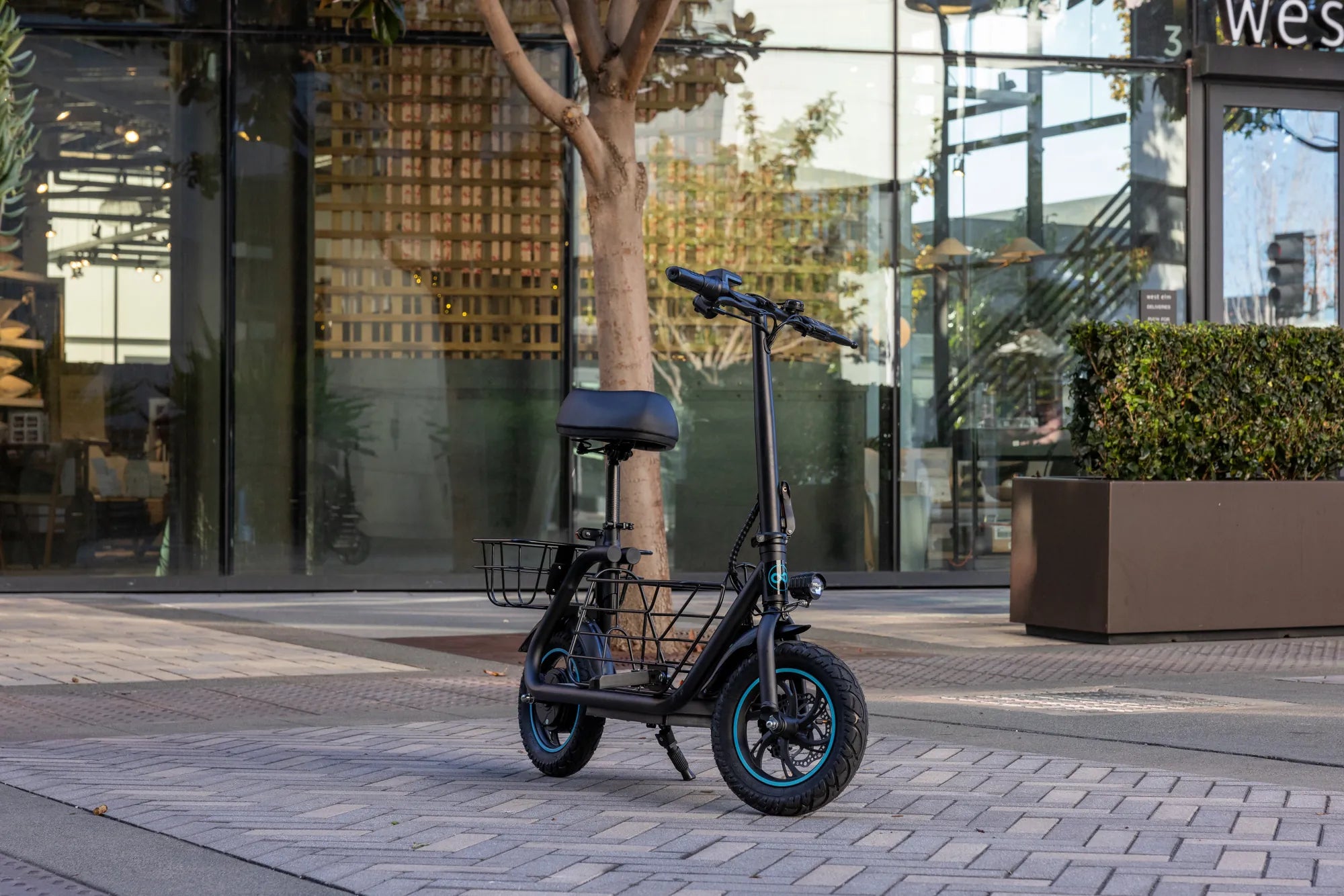
Introduction to Long Scooter Boards
A long scooter board represents a significant evolution in personal transport, merging the intuitive, upright stance of a kick scooter with the elongated deck and smooth ride characteristics of a longboard skateboard. This hybrid design creates a unique vehicle that prioritizes stability and comfort over the compact agility of a standard scooter or the technical skill required for a skateboard. Its core appeal lies in offering a confident, accessible riding experience suitable for both urban commuting and leisurely cruising along park paths.
The fundamental design involves a longer deck platform, typically between 30 to 40 inches, attached to a standard scooter steering column and handlebar. This configuration provides a much larger and more stable footing area than a traditional scooter. Riders benefit from the familiar control of handlebars while enjoying the carving sensation and shock absorption of a longer wheelbase. It's a format designed for those who value a relaxed, controlled ride over high-speed tricks or ultra-portability.
This guide will dissect every aspect of the long scooter board. We will explore its key design advantages, provide a detailed framework for selecting the right model, and compare it objectively to other popular micro-mobility devices. Furthermore, we will cover essential safety protocols, maintenance routines, and answer the most common questions riders have. By the end, you will have a comprehensive understanding of whether this innovative vehicle aligns with your transportation or recreational needs.
Key Features and Design Advantages
The performance and feel of a long scooter board are dictated by several key engineering and design choices. Understanding these elements is crucial for appreciating its value proposition and making an informed purchase. The primary components include the deck length and material, the wheel configuration, and the overall build quality, which directly influence ride comfort, durability, and handling.
The extended deck is the most defining feature. Constructed from materials like aircraft-grade aluminum, bamboo, or layered maple, it offers a rigid yet slightly compliant platform. Aluminum decks, such as those used in Gyroor's premium models, provide excellent strength-to-weight ratios and corrosion resistance, ideal for all-weather commuters. The increased surface area allows for multiple foot positions, reducing fatigue on longer journeys and providing a secure platform for riders of all sizes.
Wheel size and composition are equally critical. Long scooter boards typically use larger diameter wheels (200mm to 250mm) compared to standard scooters. Larger wheels roll over cracks, pebbles, and pavement imperfections with far greater ease, translating to a smoother, less jarring ride. These wheels are often made of polyurethane with varying hardness ratings (durometer). Softer wheels (78A-85A) offer superior grip and vibration dampening, while harder wheels provide slightly less rolling resistance.
Enhanced Stability and Control
The long scooter board's most celebrated advantage is its exceptional stability. This is a direct result of its extended wheelbase—the distance between the front and rear axles. A longer wheelbase dramatically increases lateral stability, making the board far less prone to speed wobbles or tipping during straight-line travel. This inherent balance lowers the learning curve significantly, allowing new riders to gain confidence quickly and safely.
This stability directly translates to enhanced control, especially at moderate to higher speeds or on slightly uneven terrain where a shorter scooter might feel twitchy. The rider's weight is distributed over a larger area, and the handlebars provide precise steering input without the need for weight-shifting techniques required on a skateboard. For commuters navigating busy streets or recreational riders enjoying a coastal path, this combination of stability and precise steering creates a relaxed and enjoyable experience.
Portability and Commuter Practicality
While not as compact as a folding city scooter, many long scooter boards are designed with portability in mind. A key feature is a robust folding mechanism at the base of the steering column. High-quality mechanisms, like the patented one-click system found on Gyroor commuter models, allow the handlebar to fold down securely against the deck in seconds. This transforms the board into a more manageable package for carrying onto public transit, storing under a desk, or fitting into a car trunk.
The practical weight of these boards is a crucial consideration. Non-electric models can weigh between 15 to 25 pounds, while electric versions range from 30 to 45 pounds due to the motor and battery. For the daily commuter, a lighter, foldable aluminum model strikes the ideal balance between ride quality and convenience. As a true last-mile solution, a reliable long scooter board can efficiently bridge the gap between a train station and the office, avoiding traffic and parking fees.
Choosing the Right Long Scooter Board for Your Needs
Selecting the perfect long scooter board requires a clear assessment of your primary use case. The ideal specifications for a daily urban commuter differ markedly from those sought by a weekend recreational rider. Your decision should be guided by key factors: intended riding environment, desired range (for electric models), required portability, and budget.
First, determine if a traditional kick-powered model or an electric-assist version suits you. Kick models offer simplicity, lighter weight, and are excellent for fitness. Electric models provide effortless propulsion, making longer commutes or hilly routes feasible. Brands like Gyroor offer both types, with their electric models integrating powerful, UL-certified battery packs for safety and reliability. Next, consider the terrain. Larger, air-filled (pneumatic) tires are superior for rough city streets, while solid polyurethane wheels are maintenance-free and work well on smooth surfaces.
For the Urban Commuter: Durability and Range
The urban commuter's board must be a workhorse. Durability is paramount. Look for a deck constructed from reinforced aluminum or high-strength composite materials that can withstand daily impacts and weight stress. The folding mechanism must be industrial-grade and tested for thousands of cycles. For electric commuters, motor power and battery capacity are the most critical specs. A motor in the 350W to 500W range provides adequate power for most city inclines, while a battery capacity of 10Ah or higher can deliver a real-world range of 15-25 miles per charge.
Practical features for city riding include integrated lighting systems. A bright front headlight and a rear brake light are essential for visibility in low-light conditions. Fenders are invaluable for keeping clothes clean on wet roads. Finally, check the weight limit; a robust commuter board should support at least 220 pounds to accommodate riders with a backpack. Gyroor's commuter-focused scooters often include these features alongside IPX5 water-resistant ratings, making them dependable in various weather conditions.
For the Recreational Rider: Comfort and Maneuverability
For those seeking fun, fitness, and smooth carving sensations, comfort and maneuverability take precedence. A deck with a slight flex, often achieved through materials like bamboo or fiberglass composites, can absorb road vibrations more effectively than a completely rigid aluminum deck, leading to a plusher ride on long boardwalk or bike path cruises. The responsiveness of the trucks (the T-shaped axles that hold the wheels) is key. Adjustable, softer bushings allow for easier, more fluid turning, enhancing the carving experience.
Wheel choice is also tailored for recreation. Softer, larger wheels (e.g., 250mm, 78A durometer) will provide the smoothest glide over asphalt and concrete, making every ride feel effortless. For a purely kick-powered recreational model, weight is less of a concern than ride quality. The focus is on a silky-smooth roll and a deck that feels lively underfoot. These boards are less about getting from A to B quickly and more about the enjoyment of the journey itself.
Long Scooter Boards vs. Traditional Modes of Micro-Mobility
To understand where the long scooter board fits in the transportation ecosystem, a direct comparison with established alternatives is essential. The table below highlights the key differences in stability, portability, learning curve, and ideal use case.
| Feature | Long Scooter Board | Standard Kick Scooter | Electric Scooter | Skateboard/Longboard |
|---|---|---|---|---|
| Primary Stability | Excellent (long wheelbase + handlebars) | Good (short wheelbase) | Good to Very Good (varies by model) | Fair to Good (requires skill) |
| Learning Curve | Low (intuitive handlebar steering) | Very Low | Low | Moderate to High (balance & foot steering) |
| Portability | Moderate (foldable, but longer deck) | High (compact fold) | Moderate (often heavier) | High (no handlebars) |
| Ride Comfort | High (large wheels, long deck) | Low (small wheels, rigid deck) | Medium (suspension on some models) | Medium to High (longboards only) |
| Ideal Use Case | Leisurely commute, long-distance cruising | Short urban trips, last-mile (kick) | Fast, efficient commuting | Tricks (skateboard) / Carving (longboard) |
| Top Speed (Electric) | 15-20 mph (typical) | N/A (kick) | 15-30+ mph | N/A (kick) |
As the data shows, the long scooter board carves out a unique niche. It surpasses the standard kick scooter in comfort and stability for longer rides. While a dedicated electric scooter may offer higher speeds, the long scooter board provides a more relaxed, stable, and engaging riding posture. Compared to a skateboard, it offers vastly easier accessibility due to the handlebars, making it a viable option for a much broader demographic.
Safety, Maintenance, and Best Practices
Riding any personal transportation device requires a commitment to safety and upkeep. For long scooter boards, this starts with proper protective gear. A certified bicycle or multi-impact helmet is non-negotiable. For new riders or those riding in traffic, knee and elbow pads are highly recommended. Wearing visible clothing or adding reflective stickers to your board increases your visibility to drivers, especially during dawn, dusk, or night rides.
Pre-ride checks are a simple but critical habit. Before every ride, ensure the folding mechanism is fully locked and secure. Check that all bolts, especially those on the handlebar clamp and wheels, are tight. Inspect tires for proper inflation (if pneumatic) or for significant wear and damage (if solid). Test the brakes to ensure they engage smoothly and effectively. For electric models, verify your battery charge level and that all lights are functioning.
Regular maintenance extends the life of your board. Keep it clean by wiping down the deck and components with a damp cloth to remove dirt and grime. Avoid high-pressure water sprays on bearings and electrical components. Lubricate the folding mechanism pivot points every few months with a silicone-based lubricant. For electric models, follow the manufacturer's battery care guidelines, which typically advise avoiding complete discharge and storing in a cool, dry place. Gyroor's UL-certified batteries are designed for over 500 charge cycles, but proper care ensures they reach their full potential.
Frequently Asked Questions (FAQ)
Q: Is a long scooter board harder to learn than a skateboard?
A: No, it is significantly easier for most people. The presence of handlebars provides immediate balance and steering control, eliminating the need to learn complex foot-steering and weight-balancing techniques required for skateboards. Most adults can become comfortable riding a long scooter board within 10-30 minutes.
Q: Can a long scooter board handle hills?
A: Capability depends on the type. A standard kick-powered model will require significant effort on inclines. An electric long scooter board with a motor of 350W or more can handle moderate hills effectively. Always check the manufacturer's stated hill-climbing grade (e.g., 15-20%) for electric models. Gyroor's electric commuter scooters are engineered to tackle typical urban inclines.
Q: What is the typical weight limit for these boards?
A>Weight limits vary by model and construction quality. Most durable adult models support riders between 220 to 265 pounds (100 to 120 kg). High-performance or heavy-duty models may support up to 300 pounds. Always check the manufacturer's specified maximum load capacity before purchasing.
Q: Are electric long scooter boards worth the investment?
A>If you plan to use it regularly for commuting or recreation over distances where kicking would be tiring, an electric model is an excellent investment. It transforms the board from a fitness tool into a legitimate transportation vehicle, saving time and effort. The value comes from reduced transportation costs, time savings, and the enjoyment of an effortless ride.
Q: How do I maintain the battery on an electric model?
A>Follow the 20-80 rule when possible: avoid draining the battery completely and try not to charge it to 100% for everyday storage. Store the board in a temperate environment, avoiding extreme heat or cold. Use only the charger provided by the manufacturer. Proper care can double the lifespan of a lithium-ion battery pack.
Conclusion: Is a Long Scooter Board Right for You?
The long scooter board stands out as a versatile and user-friendly hybrid, expertly bridging the gap between efficient transportation and enjoyable recreation. It is the ideal choice for the urbanite seeking a stable, comfortable, and foldable last-mile solution that is more engaging than a standard scooter. It equally appeals to the recreational rider who values smooth, effortless cruising on paths and boardwalks but prefers the security and control of handlebars over a traditional skateboard.
Your decision ultimately hinges on your primary use case. Prioritize durability, range, and practical features like lighting for commuting. Seek comfort, deck flex, and carving ability for leisure. Whichever path you choose, opting for a well-constructed model from a reputable brand is crucial for safety and longevity. With proper gear and maintenance, a long scooter board can provide years of reliable service and riding pleasure.
Ready to experience the unique blend of stability and smooth cruising? Explore a range of high-quality, reliable models designed for every type of rider. Browse the full Gyroor collection at gyroorboard.com to find your perfect long scooter board today.
Trike Bike with Basket: The Ultimate Guide to Stable, Practical Cargo Cycling
360 Scooter: The Ultimate Guide to Enhanced Visibility and Safety