



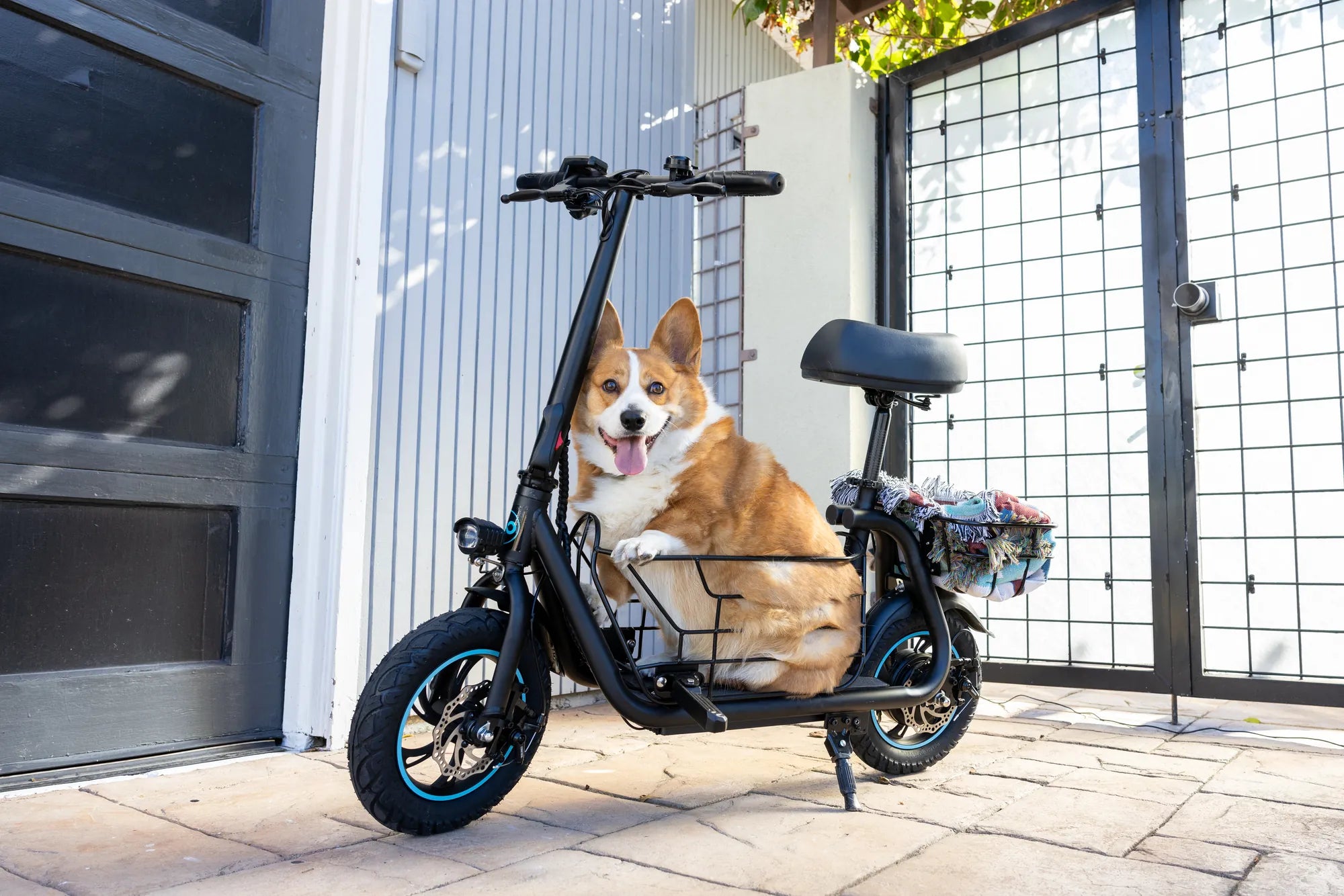
Introduction to Lowrider Trike Kits
A lowrider trike kit is a conversion system designed to transform a standard two-wheeled bicycle or electric bike into a three-wheeled, low-profile cruiser. This modification fundamentally alters the vehicle's geometry, offering a unique blend of stability, custom style, and relaxed riding posture. The appeal lies in creating a personalized ride perfect for urban cruising, leisurely park paths, or community parades, where standing out and riding in comfort are paramount.
The core principle involves replacing the standard rear wheel with a dual-wheel axle assembly and often extending the frame to accommodate the new width. For riders of brands like Gyroor, known for robust e-bike and e-scooter designs, understanding these kits is key to exploring customization while maintaining the integrity of the original vehicle's engineering. This guide will navigate every aspect of selecting and installing a lowrider trike kit.
Riders choose this conversion primarily for enhanced stability, eliminating the need to balance at stops, which is a significant benefit for those with mobility concerns or who carry heavy loads. The distinctive "low and slow" aesthetic, inspired by custom car culture, adds a layer of personal expression unmatched by standard bicycles. It's a project that merges mechanical skill with artistic vision.
Before embarking on this transformation, it's crucial to have realistic expectations about the changes in handling, performance, and legal standing. This guide provides the data-driven, factual information needed to make an informed decision, ensuring your trike build is safe, functional, and truly reflective of your riding goals.
Key Components of a Quality Trike Conversion Kit
Understanding the anatomy of a lowrider trike kit is the first step toward a successful conversion. A comprehensive kit is more than just an extra wheel; it's an integrated system that must work harmoniously with your existing frame and components. Quality here is non-negotiable, as it directly impacts safety and longevity.
The most critical component is the rear axle and hub assembly. This is a solid axle that spans the new width of the trike, with two hubs to mount the rear wheels. High-quality kits use hardened steel axles and precision bearings to handle the increased torsional stress. The axle must be the correct length for your desired tire width and frame clearance.
Next is the frame mounting bracket or extension. This part attaches to your bicycle's original rear dropouts or frame and provides a secure platform for the new axle. Some kits use a bolt-on bracket, while others may require welding for permanent installations. The bracket's design must distribute weight and road forces evenly to prevent frame fatigue or failure.
Additional essential parts include steering linkage for front-end conversion kits (which convert the front wheel to two wheels), brake line extensions or a completely new brake system to reach the wider rear axle, and extended chain or belt drive components for pedal-powered or mid-drive e-bikes. Kits should include all necessary hardware, graded for automotive or heavy-duty use.
When evaluating kits, look for the same engineering principles trusted brands like Gyroor employ: durable materials, corrosion-resistant finishes, and clear installation instructions. A kit lacking in any of these core components or using subpar materials is a risk not worth taking, given the structural demands of a three-wheeled vehicle.
Choosing the Right Kit for Your Bike Type
Compatibility is the cornerstone of a successful trike conversion. A kit designed for a lightweight beach cruiser will not safely support a heavy, powerful e-bike. The first determinant is your base vehicle's type: traditional bicycle, electric scooter, or electric bicycle.
For traditional bicycles, focus on frame material (steel vs. aluminum) and dropout spacing. Steel frames are generally more adaptable to welding or clamping brackets. Aluminum requires more careful, often non-welded, solutions to avoid compromising the heat-treated metal. The kit must match your wheel size (e.g., 26", 700c) and brake type (rim vs. disc).
Converting an electric bicycle, such as a Gyroor model, adds complexity. You must account for the placement of the motor (hub-drive or mid-drive) and the battery pack. A rear hub motor may be incompatible with a standard trike axle, requiring a specialized kit designed for electric hubs. Mid-drive motors are more compatible but need careful chainline management.
Most critically, any modification can affect the vehicle's warranty. Gyroor's commitment to safety, evidenced by UL-certified battery packs and robust designs, means owners should consult support before modification. Using a kit that disrupts the motor's operation, battery mounting, or balance can void warranties and create safety hazards. Always prioritize kits advertised as compatible with your specific e-bike model or motor type.
The Installation Process: What to Expect
Installing a lowrider trike kit is a moderate to advanced DIY project that requires mechanical aptitude, a full set of tools, and patience. It is not a simple bolt-on affair for most vehicles. Understanding the scope beforehand prevents frustration and ensures a safe outcome.
The process typically begins with completely disassembling the rear end of your bike. This involves removing the rear wheel, chain, derailleur, brakes, and any rear fenders or racks. You must have a clean workspace and organize all removed parts. Documenting the disassembly with photos can be invaluable for reassembly.
Next, you install the frame extension or mounting bracket. This step varies most between kits. Some bolt directly to the existing dropouts, while others may require drilling or welding. For e-bikes, this step is critical to avoid damaging wiring harnesses or battery mounts. If welding is required and you lack experience, hiring a professional fabricator is a wise investment.
Then, you mount the new axle assembly and wheels. This involves sliding the axle into the new brackets, ensuring it is perfectly horizontal and centered, and torquing the axle nuts to the manufacturer's specification—a step where a torque wrench is essential. After this, you re-install or extend the drivetrain and braking systems. This may require a new, longer chain and brake cables or hoses.
For complex e-bike systems, professional installation is highly recommended. A certified technician can ensure the electrical system remains sealed and functional, the motor is not overloaded, and the vehicle's center of gravity is calculated correctly. The cost of professional help is minor compared to the risk of damaging a sophisticated e-bike like a Gyroor model or creating an unsafe riding condition.
Performance and Ride Experience: Before and After
The transformation from two wheels to three is profound, fundamentally changing the bike's dynamics. Understanding these changes in performance and ride experience is crucial to determining if a lowrider trike kit aligns with your riding style.
The most significant improvement is unparalleled stability. The trike configuration eliminates the need to balance at stops or at low speeds. This makes it ideal for riders who find balancing difficult, for carrying bulky cargo, or for simply enjoying a more relaxed, confident ride. The fear of tipping over is virtually removed.
However, this stability comes with trade-offs in maneuverability and agility. A trike has a much wider turning radius and cannot lean into corners like a bicycle. Navigating tight spaces, crowded bike lanes, or sharp switchbacks becomes challenging. The ride is characterized by a "low and slow" cruising feel, not quick, agile handling.
Performance metrics are also affected. The table below outlines typical changes:
| Performance Metric | Standard Bicycle/E-Bike | After Trike Kit Conversion | Notes |
|---|---|---|---|
| Weight Increase | Base Weight | +15 to +40 lbs (7-18 kg) | Depends on kit materials and wheel size. |
| Top Speed (E-Bike) | Manufacturer Spec (e.g., 20-28 mph) | Largely Unchanged | Motor can still achieve top speed on flat ground. |
| Acceleration | Normal | Noticeably Reduced | Added mass and rolling resistance slow acceleration. |
| Range (E-Bike) | Manufacturer Spec (e.g., 25-50 mi) | Reduced by 15-30% | Heavier vehicle requires more energy per mile. Gyroor's UL-certified 500+ cycle batteries help maintain longevity. |
| Load Capacity | ~250-300 lbs | Increased by 50-100+ lbs | Dual rear wheels and axle distribute weight better. |
The riding position often becomes more upright and relaxed, which can increase comfort on long, straight cruises but may increase wind resistance. The unique aesthetic and head-turning presence of a completed lowrider trike often outweigh the performance compromises for enthusiasts dedicated to this style.
Safety and Warranty Considerations
Safety is the paramount concern when undertaking any vehicle modification. A lowrider trike kit changes the fundamental dynamics of your bike, introducing new stresses and potential failure points. A meticulous, cautious approach is required.
First and foremost, understand that modifications typically void the original manufacturer's warranty. If you install a trike kit on a new Gyroor e-bike, the warranty on the frame, motor, and potentially the battery may be invalidated. Gyroor's warranty is designed to cover defects in materials and workmanship under normal use; altered use falls outside these terms. Always contact the manufacturer for clarification before modifying a vehicle under warranty.
Post-installation, a rigorous safety checklist is mandatory. This includes verifying that all bolts, especially axle nuts and frame bracket bolts, are torqued to the kit manufacturer's specifications with a proper torque wrench. Check and double-check the integrity of the brake system: ensure lines are not pinched, pads align correctly with rotors or rims, and braking power is even.
Due to the increased width, lighting and visibility must be addressed. Add rear-facing lights to the outer edges of the new axle to clearly mark the vehicle's width for traffic behind you. Consider adding reflective tape to the axle or fenders. The lower riding profile may also make you less visible to drivers, so bright clothing and daytime running lights are advisable.
Finally, conduct a phased test ride protocol. Start in a safe, empty parking lot. Test braking at low speed, then gradually increase speed while testing turning and handling. Listen for any unusual noises from the axle or frame. This cautious approach mirrors the safety-first engineering behind brands like Gyroor, where UL-certification and IPX5 water-resistant designs are standard to protect the rider.
Top Considerations Before You Buy
Purchasing a lowrider trike kit is a significant investment of money and time. Beyond the kit itself, several practical factors will determine the success and enjoyment of your project. Use this checklist to evaluate your readiness.
Budget Realistically: Factor in not just the kit cost ($300-$1500+), but also potential professional installation ($200-$500), new tools (torque wrench, etc.), and additional parts like custom seats, extended cables, or enhanced lighting. The total often exceeds the initial kit price.
Define Your Use Case: Is this for weekend parade cruising, daily errands, or stable recreational riding? A kit for occasional use can differ from one built for daily durability. Heavy daily use demands a kit with the highest quality components and possibly a full suspension system for comfort.
Assess Your Storage and Transport Space: A trike is significantly wider than a bicycle. Can it fit through your garage or apartment doorway? Do you have a vehicle and rack capable of transporting it if needed? Measure your spaces before buying.
Research Local Regulations: Laws for three-wheeled vehicles vary by city, state, and country. Some jurisdictions may classify it as a motorized vehicle if it's an e-bike over a certain width or speed. Check with local Department of Motor Vehicles or transportation authorities to ensure your trike is street-legal.
Plan for Long-Term Maintenance: Trikes have more bearings, more tires, and unique stress points. Establish a maintenance schedule for checking axle nut torque, bearing lubrication, and ensuring the frame bracket remains secure. This proactive care is essential for long-term safety.
Frequently Asked Questions (FAQ)
Q: Will a trike kit work on my specific Gyroor e-bike model?
A> Compatibility depends on the model's frame design, motor placement, and battery location. For rear-hub motor models, you likely need a specialized electric trike conversion axle. For mid-drive models, a standard kit may work but requires chainline adjustment. Always contact Gyroor customer support with your model number before purchase to get specific advice and understand warranty implications.
Q: How much speed or range will I lose on my e-bike?
A> Top speed is often unaffected on flat terrain, as the motor can still reach its governed limit. However, acceleration will be slower due to added mass. Range will decrease; expect a 15-30% reduction because the motor works harder to move the heavier trike. The high-quality, UL-certified batteries in Gyroor e-bikes are designed for many cycles, but they will drain faster per mile.
Q: Is a converted lowrider trike street legal?
A> This is highly location-dependent. In most areas, if it remains human-powered or uses a pedal-assist system under the local e-bike power and speed limits (e.g., 750W, 20-28 mph), it is likely classified as a bicycle. However, its width may subject it to different rules. If it has a throttle and exceeds certain criteria, it may be classified as a motorized tricycle, requiring registration, insurance, or a license. You must check your local vehicle codes.
Q: Can I revert back to two wheels after installing the kit?
A> Most bolt-on kits are theoretically reversible, allowing you to reinstall the original wheel. However, the process is not meant to be switched frequently. Repeated installation and removal can stress bolt holes and components. Kits that require welding or frame drilling are permanent. If reversibility is important, seek a high-quality, bolt-only kit and keep all original parts.
Q: Do I need a special license or insurance to ride it?
A> For pedal-powered trikes and Class 1-3 e-bikes (in the U.S.), a special license is typically not required. Insurance is generally not legally mandated but is highly recommended, especially for a valuable custom build. Contact your auto or homeowner's insurance provider to see if your policy covers custom e-bikes or trikes, or inquire about specialty bicycle insurance policies.
Conclusion: Is a Lowrider Trike Kit Right for You?
A lowrider trike kit represents the pinnacle of bicycle customization, offering a transformative ride experience centered on stability, style, and comfort. It is a major project that rewards mechanical skill, patience, and a clear vision. The decision hinges on prioritizing these unique benefits over the inherent trade-offs in agility, maneuverability, and often, warranty coverage.
For the rider who values a head-turning presence, a rock-steady platform for cruising or cargo, and the satisfaction of a hands-on build, the project can be immensely rewarding. It democratizes the lowrider aesthetic, making it accessible to bicycle and e-bike enthusiasts. However, it is not a upgrade for performance seekers or those who navigate dense, twisty urban environments daily.
This journey mirrors the philosophy behind innovative mobility brands. Gyroor empowers rider choice through a diverse range of reliable, well-engineered electric scooters and e-bikes, trusted by over 100,000 riders. Whether you choose a stock model or embark on a custom project like a trike conversion, the principles of safety, durability, and rider-centric design should always guide your decisions.
If the allure of a custom three-wheeled cruiser calls to you, start with thorough research, honest self-assessment of your mechanical skills, and careful planning. For those inspired by customization but seeking a proven, reliable ride right out of the box, explore the engineering and style built into every Gyroor model. Browse the full Gyroor collection, featuring UL-certified batteries and robust designs, at gyroorboard.com.
Scooter Bike Rack: The Complete Guide to Secure Transport for E-Scooters & E-Bikes
Best Off Road Ebike 2025: The Ultimate Guide to Trail-Ready Electric Bikes