



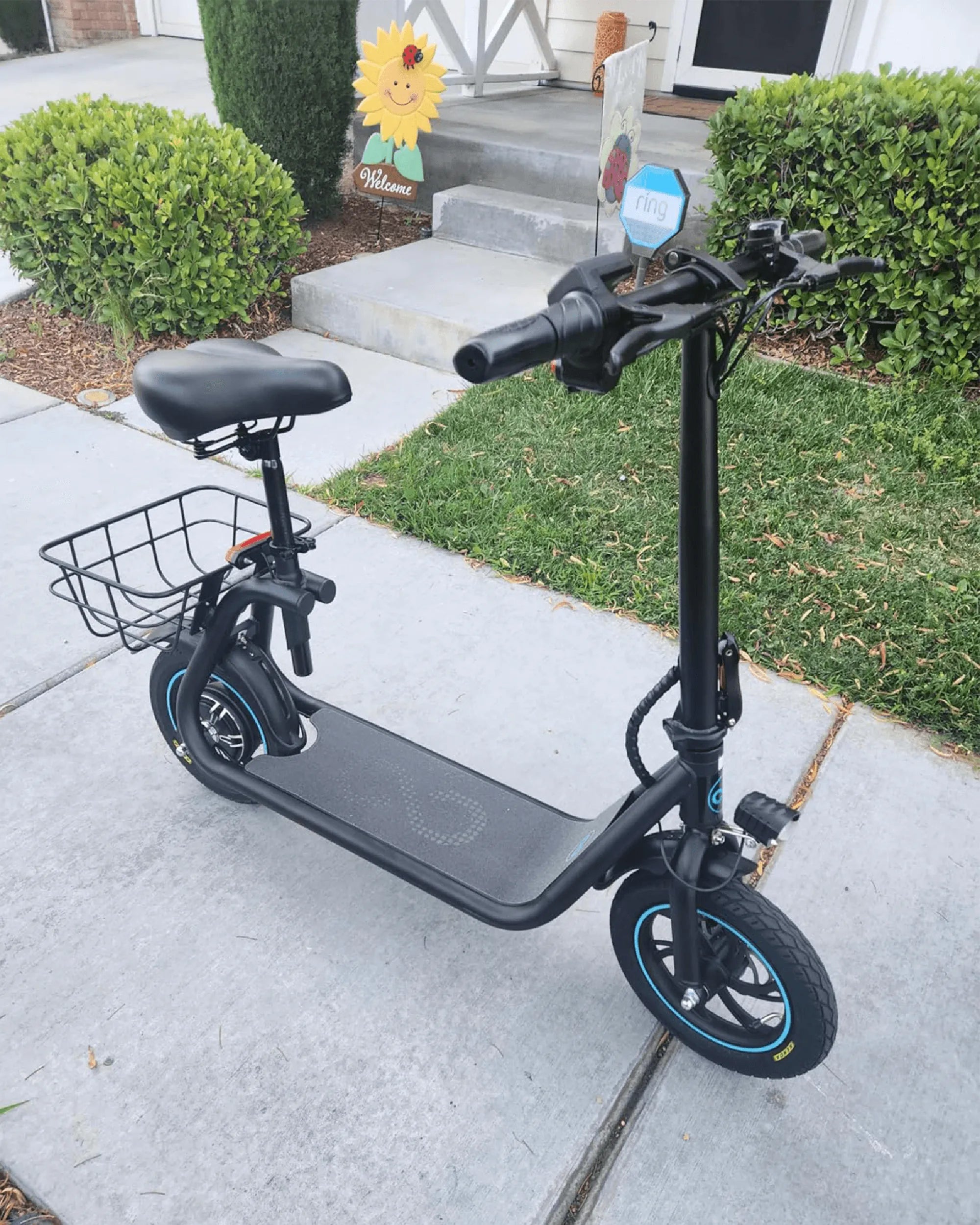
Want to make your ebike faster? You're not alone. Whether you're looking to shave minutes off your commute or seeking more thrill on weekend rides, unlocking additional speed is a common goal among electric bike enthusiasts. This guide provides a complete roadmap to increasing your ebike's performance while maintaining safety, legality, and mechanical integrity. We'll explore everything from simple optimization tricks to technical modifications, with special attention to how Gyroor's engineering supports performance riding.
Making an ebike faster involves understanding the complex interplay between motor power, battery output, aerodynamics, and legal restrictions. While the temptation might be to immediately modify hardware, the smartest approach often begins with optimizing what you already have. Throughout this 2500+ word guide, we'll provide data-driven recommendations, safety warnings, and practical steps you can implement today.
Gyroor designs its electric bikes and scooters with performance in mind, utilizing UL-certified battery technology and robust motor systems that deliver reliable power. With over 100,000 riders trusting our vehicles across North America and Europe, we understand the balance between speed aspirations and real-world riding needs. Let's explore how to safely make your ebike faster while protecting your investment.
Understanding Legal Speed Limits and Classifications
Before attempting to make your ebike faster, you must understand the legal framework governing electric bicycles. These regulations exist for safety reasons and vary significantly by jurisdiction. In the United States, three main classes define ebike capabilities and where they can be ridden.
Class 1 ebikes provide pedal assistance up to 20 mph (32 km/h) without a throttle. Class 2 models include a throttle that can propel the bike to 20 mph without pedaling. Class 3 ebikes offer pedal assistance up to 28 mph (45 km/h), typically requiring riders to be at least 16 years old. Many jurisdictions restrict Class 3 ebikes from bike paths and trails.
European regulations generally follow the EPAC (Electrically Power Assisted Cycle) standard, limiting assistance to 25 km/h (15.5 mph) with a maximum continuous rated power of 250 watts. Some countries have additional categories for S-Pedelecs that can assist up to 45 km/h (28 mph) but require registration, insurance, and helmets.
Attempting to make your ebike faster beyond these legal limits may reclassify your vehicle as a moped or motorcycle, subjecting it to different regulations, registration requirements, and insurance mandates. Riding a modified ebike on public roads or paths could result in fines, confiscation, or liability issues in case of accidents.
Gyroor designs its electric bikes to comply with relevant regulations in their target markets. Modifying these bikes to exceed speed limits voids the manufacturer's warranty and may create legal complications. Always check local regulations before attempting to make your ebike faster through any modification method.
Optimizing Aerodynamics and Riding Position
One of the most effective ways to make your ebike faster without modifications involves reducing aerodynamic drag. At speeds above 15 mph (24 km/h), air resistance becomes the primary force working against forward motion. Simple adjustments to your riding position can yield noticeable speed improvements.
Adopting a more aggressive, tucked position reduces your frontal area exposed to wind. This means bending your elbows, lowering your torso toward the handlebars, and keeping your head down. Professional cyclists use this technique to achieve higher speeds with the same power output, and ebike riders can benefit similarly.
Consider upgrading to aerodynamic components if your bike supports them. Narrower handlebars, a streamlined helmet, and tight-fitting clothing can all contribute to reduced drag. While these changes might seem minor, collectively they can help make your ebike faster by reducing the energy required to maintain speed.
Payload management also affects aerodynamics. Removing unnecessary accessories, using streamlined bags instead of bulky backpacks, and positioning cargo low on the bike rather than high on a rack can improve your bike's wind profile. Every reduction in drag translates to either higher speed or extended battery range.
Gyroor's electric bikes feature designs that balance comfort with performance considerations. The Gyroor Warrior and other models incorporate frame geometries that allow for multiple riding positions, enabling you to switch between upright comfort and aerodynamic efficiency as needed during your ride.
Tire Optimization for Reduced Rolling Resistance
Tire selection and maintenance offer another significant opportunity to make your ebike faster with minimal investment. Rolling resistance—the energy lost as tires deform against the riding surface—directly impacts speed and battery efficiency. The right tires can improve both acceleration and top speed.
Proper inflation is the simplest and most effective tire optimization. Underinflated tires create excessive drag, while overinflated tires reduce traction and comfort. Check your tire pressure weekly using a quality gauge, and inflate to the maximum PSI recommended on the tire sidewall for minimal rolling resistance.
Tire width and tread pattern significantly affect performance. For pavement riding, narrower tires with smooth or lightly textured tread patterns provide less rolling resistance than wide, knobby tires designed for off-road use. Many hybrid and commuter ebikes come with overly aggressive tread that sacrifices speed for versatility.
Consider upgrading to performance-oriented tires specifically designed for electric bikes. These tires typically feature reinforced sidewalls to handle the additional weight and torque of ebikes while offering low rolling resistance compounds. Some premium options include puncture protection layers that maintain performance while increasing reliability.
Tubeless tire systems, while requiring more initial setup, can reduce rolling resistance by eliminating inner tube friction. They also allow you to run lower pressures for better traction without increasing pinch flat risk. Many modern Gyroor models come tubeless-ready, offering an upgrade path for riders seeking to optimize performance.
Battery Management for Consistent Power Delivery
To make your ebike faster and maintain that performance, you need consistent power delivery from your battery. Voltage sag—the temporary drop in voltage under high load—can limit your motor's peak performance, especially during acceleration or hill climbing. Proper battery care minimizes this effect.
Gyroor utilizes UL-certified lithium-ion battery packs tested for 500+ charge cycles while maintaining performance. These batteries deliver optimal power when maintained between 20% and 80% state of charge for daily use. Avoid regularly draining your battery completely or leaving it at 100% charge for extended periods.
Temperature management affects battery performance. Lithium-ion batteries operate most efficiently between 50°F and 86°F (10°C to 30°C). In cold weather, battery capacity and power output decrease significantly. Storing your ebike in a temperature-controlled environment and warming the battery before riding can help maintain performance.
Battery age and cycle count naturally reduce performance over time. After 500 complete charge cycles, most lithium-ion batteries retain about 80% of their original capacity. This reduction affects range more than top speed, but an aged battery may struggle to deliver peak current during maximum acceleration.
Using the manufacturer's recommended charger ensures proper charging algorithms that maintain battery health. Aftermarket chargers claiming faster charging or capacity restoration may damage battery cells and reduce overall performance. For consistent power delivery that helps make your ebike faster, stick with Gyroor's engineered charging solutions.
Controller Tuning and Speed Limiter Adjustments
Many ebikes include speed limiters programmed into their motor controllers to comply with legal regulations. These electronic restrictions can sometimes be adjusted or removed, though doing so carries significant considerations. Controller tuning represents one technical approach to make your ebike faster.
The controller acts as the brain of your ebike's electrical system, regulating power delivery from battery to motor. Manufacturers program these controllers with specific parameters including maximum speed, acceleration curves, and power limits. Some controllers allow access to these settings through display interfaces or proprietary software.
Derestricting an ebike typically involves accessing hidden menus, changing configuration parameters, or installing aftermarket controller chips. These modifications can increase top speed by 5-10 mph (8-16 km/h) on many models. However, they also increase stress on motor, battery, and drivetrain components.
It's crucial to understand that controller modifications almost certainly void your manufacturer's warranty. Gyroor's comprehensive 1-year warranty covers defects in materials and workmanship, but modifications that exceed design specifications invalidate this protection. Additionally, modified controllers may compromise safety features like thermal protection and current limiting.
If you choose to pursue controller tuning despite these warnings, research your specific ebike model thoroughly. Some platforms have well-documented modification procedures, while others use proprietary systems that resist modification. Consider consulting with professional ebike technicians who understand the implications of controller adjustments.
Motor and Battery Upgrade Considerations
For riders seeking more substantial performance gains, upgrading the motor or battery represents a more invasive approach to make your ebike faster. These modifications require significant technical knowledge, investment, and acceptance of safety compromises. They fundamentally change your bike's character and capabilities.
Motor upgrades typically involve installing a higher-wattage unit than originally equipped. A 500W motor might be replaced with a 750W or 1000W version, providing more torque and potentially higher top speed. However, the existing frame, brakes, and components may not be designed to handle the additional power and stress.
Battery upgrades can take two forms: higher capacity packs for extended range, or higher voltage packs for increased power. A 48V system upgraded to 52V or 60V can deliver more power to the motor, potentially increasing speed. However, the motor and controller must be compatible with the higher voltage, or they may fail catastrophically.
Combining motor and battery upgrades creates the most dramatic performance changes but also the greatest risks. The table below compares stock versus modified configurations, illustrating the tradeoffs involved when attempting to make your ebike faster through hardware upgrades.
| Configuration | Estimated Top Speed | Range Impact | Safety Considerations | Warranty Status |
|---|---|---|---|---|
| Stock Gyroor Setup | 20-28 mph (Class-compliant) | Optimal (25-50 miles) | Full safety systems active, IPX5 water resistance | Fully intact (1 year) |
| Controller Tuned Only | 25-33 mph | Reduced by 15-30% | Thermal protection possibly compromised | Void |
| Upgraded Motor (750W) | 28-35 mph | Reduced by 20-40% | Brakes and frame may be inadequate | Void |
| Upgraded Battery (52V) | 22-30 mph | Variable (capacity dependent) | Potential compatibility issues with electronics | Void |
| Full System Upgrade | 35+ mph | Reduced by 30-50% | High risk of component failure, legal non-compliance | Void |
Before attempting any motor or battery upgrade, honestly assess your mechanical skills and understanding of electrical systems. Improper installations can lead to fires, component failure, or accidents. Many professional ebike shops refuse to perform these modifications due to liability concerns.
Maintenance for Peak Performance
Regular maintenance ensures your ebike operates at its designed performance level, which is essential whether you keep it stock or modify it. A well-maintained ebike responds better to rider input and delivers power more efficiently. Neglected components create drag and resistance that work against efforts to make your ebike faster.
Drivetrain maintenance significantly affects efficiency. Clean and lubricate your chain regularly—every 100-200 miles for optimal performance. Electric bikes experience more torque through the drivetrain than traditional bicycles, accelerating wear on chains, cassettes, and chainrings. Consider upgrading to ebike-specific drivetrain components designed for higher torque loads.
Brake adjustment prevents unwanted drag. Disc brakes that are slightly misaligned or hydraulic brakes with residual pressure can create constant friction against rotors. This parasitic drag reduces speed and wastes battery power. Learn to identify brake drag by lifting each wheel and spinning it—it should rotate freely with minimal resistance.
Bearing maintenance ensures smooth rotation of wheels, bottom bracket, and headset. Contaminated or worn bearings create friction that directly opposes forward motion. While modern sealed bearings require less frequent service than older cup-and-cone designs, they still benefit from occasional inspection and replacement when worn.
Gyroor's electric bikes feature IPX5 water-resistant designs that protect electrical components, but mechanical parts still require traditional bicycle maintenance. Following the manufacturer's recommended service intervals helps maintain optimal performance. A professional tune-up annually can identify and address issues before they significantly impact your ability to make your ebike faster.
Riding Technique and Skill Development
Beyond mechanical adjustments, rider skill plays a crucial role in achieving higher speeds. Professional cyclists understand that efficient technique yields better performance than brute force alone. Applying these principles can help you make your ebike faster through smarter riding rather than just hardware modifications.
Cadence management optimizes motor assistance. Most mid-drive ebike systems provide maximum efficiency when the rider maintains a consistent pedaling rhythm, typically between 70-90 RPM. Learning to shift gears to maintain optimal cadence, especially on hills, ensures the motor operates in its most efficient power band.
Anticipatory riding conserves momentum. Rather than braking heavily before corners and then accelerating back to speed, skilled riders maintain as much momentum as possible through smooth lines and minimal braking. This technique reduces the energy required to regain speed, preserving battery capacity for maintaining higher speeds on straight sections.
Power delivery understanding helps maximize performance. Many ebikes offer multiple assist levels that can be strategically deployed. Using lower assist on flat sections where you can maintain speed with less help, then increasing assistance for hills or acceleration, can extend battery life while maintaining higher average speeds.
Cornering technique affects both safety and speed maintenance. Proper body positioning, looking through turns, and smooth brake application allow you to carry more speed through corners. Practice in safe environments to develop these skills, which become increasingly important as you work to make your ebike faster through various methods.
Frequently Asked Questions
Will making my ebike faster void my Gyroor warranty?
Yes, most performance modifications will void your Gyroor warranty. The comprehensive 1-year warranty covers defects in materials and workmanship under normal use conditions. Modifying the electrical system, removing speed limiters, or installing aftermarket components that exceed design specifications invalidates this protection. Even modifications that seem minor, like controller tuning, typically void the warranty.
What's the safest way to get more speed from my ebike?
The safest approach focuses on optimization rather than modification. Maintain proper tire pressure, adopt an aerodynamic riding position, ensure your battery is in good health, and keep all mechanical components properly adjusted. These methods improve speed without compromising safety systems or legal compliance. Additionally, developing your riding skills to maintain momentum and use power assist strategically can yield noticeable speed improvements.
Can I install a bigger battery to make my ebike faster?
Installing a higher capacity battery primarily extends range rather than increasing speed. To significantly increase speed, you would need a higher voltage battery, but this requires compatible motor and controller systems. Installing an incompatible battery risks damaging electrical components, creating fire hazards, and voiding warranties. Speed is primarily governed by the controller and motor specifications, not just battery capacity.
How much speed increase can I expect from derestricting my ebike?
Derestricting typically increases top speed by 5-10 mph (8-16 km/h), depending on the original limitations and your bike's power capabilities. However, this comes with significant tradeoffs: reduced range (15-30% decrease), increased component stress, potential overheating issues, and legal non-compliance. The actual gain varies by model, with some bikes showing more improvement than others based on their original design limitations.
Are there legal consequences to making my ebike faster?
Yes, exceeding legal speed limits for electric bicycles can result in fines, vehicle confiscation, and liability issues in accidents. Most jurisdictions have specific speed limits for ebikes (typically 20-28 mph depending on class). Modifying your bike to exceed these limits may reclassify it as a moped or motorcycle, requiring registration, insurance, and different licensing. In case of accidents, insurance companies may deny coverage for modified vehicles.
Do professional ebike shops perform speed modifications?
Most reputable ebike shops refuse to perform speed modification services due to liability concerns, warranty issues, and ethical considerations. Some may offer optimization services like tire upgrades or drivetrain improvements that indirectly affect performance, but direct speed limiter removal or motor upgrades are typically not offered. If you find a shop willing to perform these modifications, ensure they understand the full legal and safety implications.
The Responsible Path to Enhanced Performance
Making your ebike faster involves balancing performance desires with safety considerations, legal compliance, and mechanical responsibility. While technical modifications offer the most dramatic speed increases, they come with significant tradeoffs that every rider must carefully consider. The optimization approaches outlined in this guide provide meaningful improvements without compromising the integrity of your electric bike.
Gyroor designs its electric bikes to deliver reliable, safe performance that meets the needs of most riders. With UL-certified batteries, robust motor systems, and IPX5 water-resistant construction, these bikes represent engineering investments meant to last. Before attempting any modification, consider whether the potential speed gain justifies risking this engineered reliability and your warranty protection.
For riders seeking more performance, Gyroor offers multiple models with varying power outputs and speed capabilities. Sometimes the best way to make your ebike faster is to start with a platform designed for higher performance from the factory. These bikes include appropriate braking systems, frame strength, and component specifications to handle increased speeds safely.
Ultimately, the most satisfying riding experience combines adequate performance with reliability and safety. Whether you choose optimization techniques or decide to explore modifications, prioritize understanding the implications of each change. Responsible performance enhancement respects legal boundaries, maintains safety margins, and preserves the long-term functionality of your investment.
Ready to explore high-performance electric bikes designed with both speed and safety in mind? Browse the full Gyroor collection at gyroorboard.com to discover models engineered for thrilling yet reliable riding experiences. With over 100,000 riders trusting our vehicles across North America and Europe, you can join a community that values both performance and responsibility in electric mobility.
Ebike Mileage: The Complete Guide to Real-World Range and Maximization
Ebike Mileage: The Complete Guide to Real-World Range and Maximization