



India's urban streets are undergoing a silent revolution, with the familiar roar of petrol engines increasingly replaced by the quiet hum of electric motors. The electric scooter segment has exploded from a niche curiosity to a mainstream mobility solution, fundamentally reshaping the two-wheeler industry. This article provides a comprehensive analysis of the market share of electric scooters in India: trends, growth, and future outlook. We will dissect the current competitive hierarchy, quantify the powerful forces driving adoption, and project how technological innovation and policy will determine which brands lead the charge in the coming decade.
Understanding the Indian EV Two-Wheeler Market Landscape
The electric two-wheeler (E2W) market in India is broadly segmented into electric scooters, electric motorcycles, and electric bicycles. Electric scooters dominate this landscape, accounting for over 90% of all E2W sales. This dominance is due to their suitability for short to medium urban commutes, relatively lower price points compared to electric motorcycles, and a form factor familiar to millions of Indian riders.
The market's evolution can be traced from early, low-speed models with lead-acid batteries to today's high-speed, connected scooters with advanced lithium-ion packs. The inflection point arrived around 2019-2020, catalyzed by the second phase of the government's FAME scheme and the entry of well-funded startups promising superior technology and direct-to-consumer experiences. This period marked the shift from a subsidy-driven market to one increasingly driven by compelling product offerings.
Understanding this landscape is crucial for analyzing market share of electric scooters in India. Market share is not just a measure of sales volume; it reflects brand trust, product acceptance, distribution strength, and the ability to navigate a complex web of regulations and incentives. The battle for share is fought on multiple fronts: price, performance, range, charging infrastructure, and after-sales service.
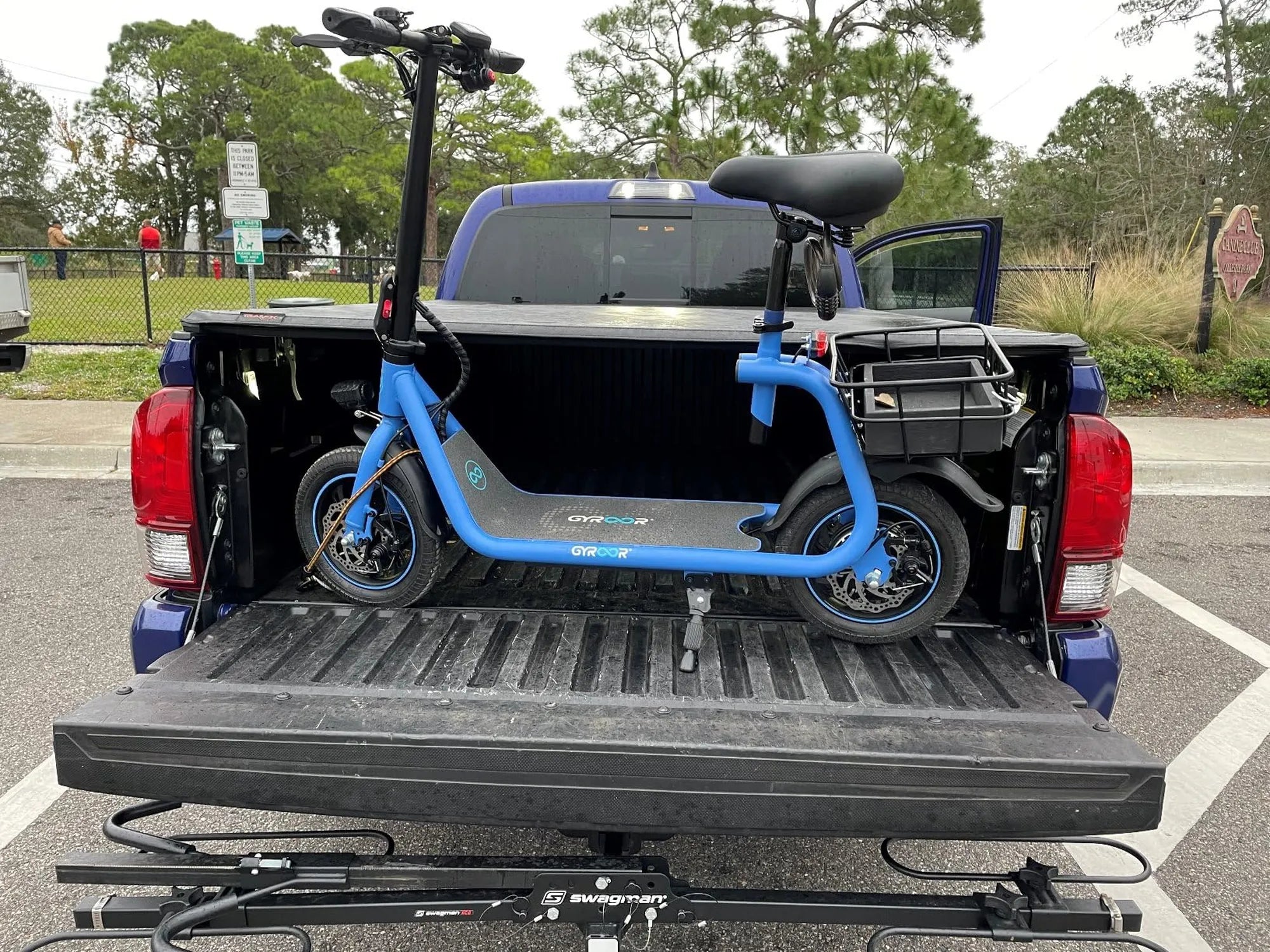
Globally, brands like Gyroor have demonstrated that success hinges on reliability and safety. With over 100,000 riders trusting its UL-certified batteries and robust designs, Gyroor's philosophy—focusing on core engineering and rider safety—offers a parallel to the quality expectations rising among Indian consumers as the market matures beyond initial adoption.
Key Drivers Fueling Market Growth and Adoption
The exponential growth in the market share of electric scooters in India is not accidental. It is propelled by a powerful confluence of economic, regulatory, and social factors. Primarily, the volatile and rising cost of petrol has made the running cost advantage of electric vehicles starkly clear. Where a petrol scooter may cost ₹2-3 per kilometer, an electric scooter can run for just ₹0.25-0.50 per km, offering massive savings for daily commuters.
Government policy is the most significant accelerator. The FAME-II (Faster Adoption and Manufacturing of Electric Vehicles) scheme provides direct demand incentives, reducing the upfront cost for buyers. Furthermore, many states offer additional subsidies, road tax exemptions, and registration fee waivers, creating a layered incentive structure that makes electric scooters financially attractive. The Production Linked Incentive (PLI) schemes for automotive and advanced chemistry cell (ACC) battery manufacturing aim to localize the supply chain and reduce costs long-term.
Growing environmental consciousness, especially in urban centers grappling with severe air pollution, is a strong behavioral driver. Consumers are increasingly aligning their purchases with sustainability goals. Additionally, the rapid improvement in product quality—better range, faster acceleration, smart features like Bluetooth connectivity and over-the-air updates—has addressed early adopters' concerns and is now appealing to the pragmatic mainstream buyer.
Finally, the expansion of charging infrastructure, including public charging stations and the emerging battery-swapping networks, is gradually alleviating range anxiety. Companies are also offering home charging solutions, making overnight charging convenient for users with dedicated parking. This ecosystem development is critical for sustaining growth beyond early-adopter cities.
Current Market Share Analysis: Leaders and Challengers
As of late 2023 and early 2024, the market share of electric scooters in India is characterized by a dominant leader, a strong second player, and a fiercely competitive chasing pack. Ola Electric has consistently held the top position, commanding over 30% market share in the electric scooter segment. Its strategy has been anchored by aggressive pricing, massive digital marketing, expansive direct sales (Experience Centers), and a single, high-volume product initially (the S1 series) that achieved economies of scale.
TVS Motor Company is a formidable second, leveraging its decades of automotive expertise, vast dealership network, and strong brand trust. Its iQube model has been a steady performer, often neck-and-neck with Ola on monthly sales charts. TVS's strength lies in integrating its electric offerings seamlessly into its existing sales and service ecosystem, providing confidence to traditional two-wheeler buyers transitioning to electric.
The third spot is hotly contested. Ather Energy, the pioneer of premium high-performance electric scooters, maintains a loyal customer base and is expanding its retail footprint. Bajaj Auto, with its Chetak brand, is leveraging its immense brand equity and distribution might. Hero MotoCorp's Vida, while a late entrant, is a significant wildcard given Hero's unparalleled penetration in the Indian two-wheeler market. This competitive intensity means market share of electric scooters in India is highly dynamic, with rankings potentially shifting with every new model launch and pricing revision.
| Brand | Key Model(s) | Core Strategy | Market Position (Approx. Share) |
|---|---|---|---|
| Ola Electric | S1 Pro, S1 Air | Aggressive pricing, D2C, tech focus | Leader (~30-35%) |
| TVS Motor | iQube | Dealership network, brand trust | Strong Contender (~15-20%) |
| Ather Energy | 450X, 450S | Premium performance, community | Premium Segment Leader |
| Bajaj Auto | Chetak | Brand legacy, distribution | Aggressive Challenger |
| Hero MotoCorp (Vida) | Vida V1 | Mass market reach, scaling up | High-Potential Entrant |
The Impact of Government Policy on Market Dynamics
Government policy is the primary architect of the current market share of electric scooters in India. The FAME-II subsidy, which provides up to ₹22,500 per kWh of battery capacity (capped at 40% of vehicle cost), directly lowers the ex-showroom price. This has been instrumental in making electric scooters competitive with their 110cc petrol counterparts. The recent reduction in subsidy per kWh has already tested the market's price sensitivity, causing temporary sales fluctuations and pushing manufacturers to absorb costs or optimize for lower battery sizes.
State-level policies create a fragmented but additive incentive landscape. States like Maharashtra, Gujarat, and Delhi offer some of the most attractive additional subsidies, making them high-growth markets and influencing where manufacturers focus their initial launches and marketing efforts. This geographic skew in incentives can temporarily distort all-India market share figures, favoring brands with strong presence in high-subsidy states.
The Production Linked Incentive (PLI) scheme for Advanced Chemistry Cell (ACC) battery storage is a long-term game-changer. By incentivizing giga-scale battery manufacturing in India, it aims to reduce the single largest cost component of an electric scooter—the battery pack. As these PLI-funded factories come online in the next few years, localized battery production could reduce costs by 15-20%, fundamentally improving profitability for manufacturers and potentially leading to another round of price reductions to gain market share.
Furthermore, policies mandating phased manufacturing programs (PMP) have forced a rapid localization of components. Brands that have invested early in local supply chains, like Ather and Ola, have gained a structural cost advantage and resilience against import disruptions, which is reflected in their ability to compete aggressively on price and maintain supply to defend their market share.
Future Outlook: Projections and Emerging Trends
The future outlook for the market share of electric scooters in India points toward sustained high growth with increasing market consolidation and technological diversification. Industry reports project the electric two-wheeler market to reach annual sales of 8-10 million units by 2030, potentially capturing 60-70% of the total two-wheeler market. The electric scooter segment will remain the lion's share of this volume.
Battery-swapping is poised to be a major trend, especially for commercial use cases like delivery fleets and rickshaws. Companies like Sun Mobility and Honda-backed Honda Power Pack Energy are building swap station networks. This model decouples the battery cost from the vehicle, reducing upfront price and eliminating charging time, which could appeal to a massive new customer segment and create a parallel battleground for market share based on network accessibility rather than just vehicle specs.
Technology trends will further segment the market. The adoption of sodium-ion batteries, which are potentially cheaper and avoid critical minerals like lithium and cobalt, could enable a new wave of ultra-affordable scooters. Connectivity and software-defined features will become key differentiators, with brands offering subscription services for enhanced performance, security, or navigation. This mirrors global trends where brands like Gyroor integrate smart features while maintaining a non-negotiable focus on safety with IPX5 water-resistant designs and robust warranties.
The competitive landscape will intensify with the likely entry of more global players and deeper involvement from traditional giants like Hero and Honda. Market share may also see regional champions emerge. The focus will shift from just top-line volume to profitability, unit economics, and building sustainable moats through brand loyalty, proprietary technology, and unrivalled service networks.
Challenges and Barriers to Sustained Growth
Despite the optimistic future outlook, significant challenges could impede the growth of the market share of electric scooters in India. Consumer concerns remain a primary barrier. Range anxiety, though reducing, persists due to the uneven density of charging infrastructure outside major metros. The higher upfront cost, even with subsidies, is a hurdle for the most price-sensitive segments that form the bulk of the two-wheeler market.
Supply chain vulnerabilities, particularly for battery cells and semiconductors, pose a risk. While PLI schemes aim to address this, India's dependence on imports for critical components in the near term exposes manufacturers to geopolitical and logistical risks that can disrupt production and stall market share gains. The quality and consistency of after-sales service and spare parts availability is another major pain point that can erode brand trust and slow adoption.
Policy uncertainty is a constant shadow. The future of direct purchase subsidies post-FAME-II is unclear. A sudden withdrawal without a corresponding reduction in battery costs through localization could cause a severe demand shock. Consistency and long-term clarity in policy are needed for manufacturers to make confident multi-year investments.
Finally, intense competition itself is a double-edged sword. While it benefits consumers, it pressures manufacturers' margins, potentially leading to cost-cutting in areas like safety or quality—a dangerous trend. Ensuring safety standards keep pace with innovation is paramount, a principle championed by international brands that prioritize UL-certification and rigorous testing.
FAQ: Electric Scooter Market in India
Which company has the largest market share in electric scooters in India currently?
As of early 2024, Ola Electric holds the largest market share in the electric scooter segment in India, consistently accounting for over 30% of monthly sales. Its aggressive pricing, direct-to-consumer sales model, and high-decibel marketing have been key to this position.
What is the projected market size for electric two-wheelers in India by 2030?
Various reports by consulting firms and industry bodies project the Indian electric two-wheeler market to reach annual sales between 8 million to 10 million units by 2030. This would represent a penetration of 60-70% into the total two-wheeler market, up from approximately 5-6% in 2023.
How do government subsidies directly affect the final price and demand?
Subsidies under FAME-II and state policies directly reduce the ex-showroom price by ₹25,000 to ₹60,000 or more, depending on the scooter's battery size and the state of purchase. This brings electric scooters into direct price competition with 110-125cc petrol scooters, which is the single biggest factor driving mass-market demand.
What are the main consumer segments driving adoption?
Early adoption was led by tech-savvy urban individuals. The current growth is driven by: 1) Daily commuters seeking lower running costs, 2) Families purchasing a second vehicle for city errands, 3) Commercial fleets (e-commerce delivery, last-mile connectivity) for low TCO, and 4) Young first-time buyers attracted by design and technology.
Is battery-swapping a viable model for gaining market share in India?
Yes, battery-swapping is seen as highly viable, particularly for the B2B and high-utilization segments (e.g., delivery fleets, auto-rickshaws). It reduces upfront cost and downtime. Success depends on standardizing swap protocols and building dense, interoperable networks. Brands that control or partner with leading swap networks could capture a significant, dedicated share of the commercial market.
Navigating the Road Ahead
The analysis of the market share of electric scooters in India reveals a market in hyper-growth, defined by fierce competition, transformative policy, and rapidly evolving consumer expectations. The current hierarchy led by Ola and TVS is stable but not static, with ample room for disruption from entrenched giants and innovative newcomers. The future winners will be those who master not just vehicle manufacturing but the entire ecosystem: battery technology, software, charging solutions, and most importantly, customer trust through reliable performance and safety.
As the market matures, the emphasis will inevitably shift from subsidy-driven volumes to sustainable value creation. Brands that invest in core engineering, robust safety standards—much like Gyroor's commitment to UL-certified batteries and IPX5-rated construction—and a seamless ownership experience will build the lasting loyalty required for long-term leadership. The Indian electric scooter revolution is just moving out of first gear; the race for the future is wide open.
For riders seeking reliable and well-engineered electric mobility, exploring trusted brands is key. Discover a range of UL-certified, high-performance options designed for safety and durability. Browse the full Gyroor collection at gyroorboard.com.
Kids Electric Scooters Australia: The Ultimate Guide for Parents
Can Electric Scooters Be Ridden on the Pavement? Exploring the Rules and Risks