



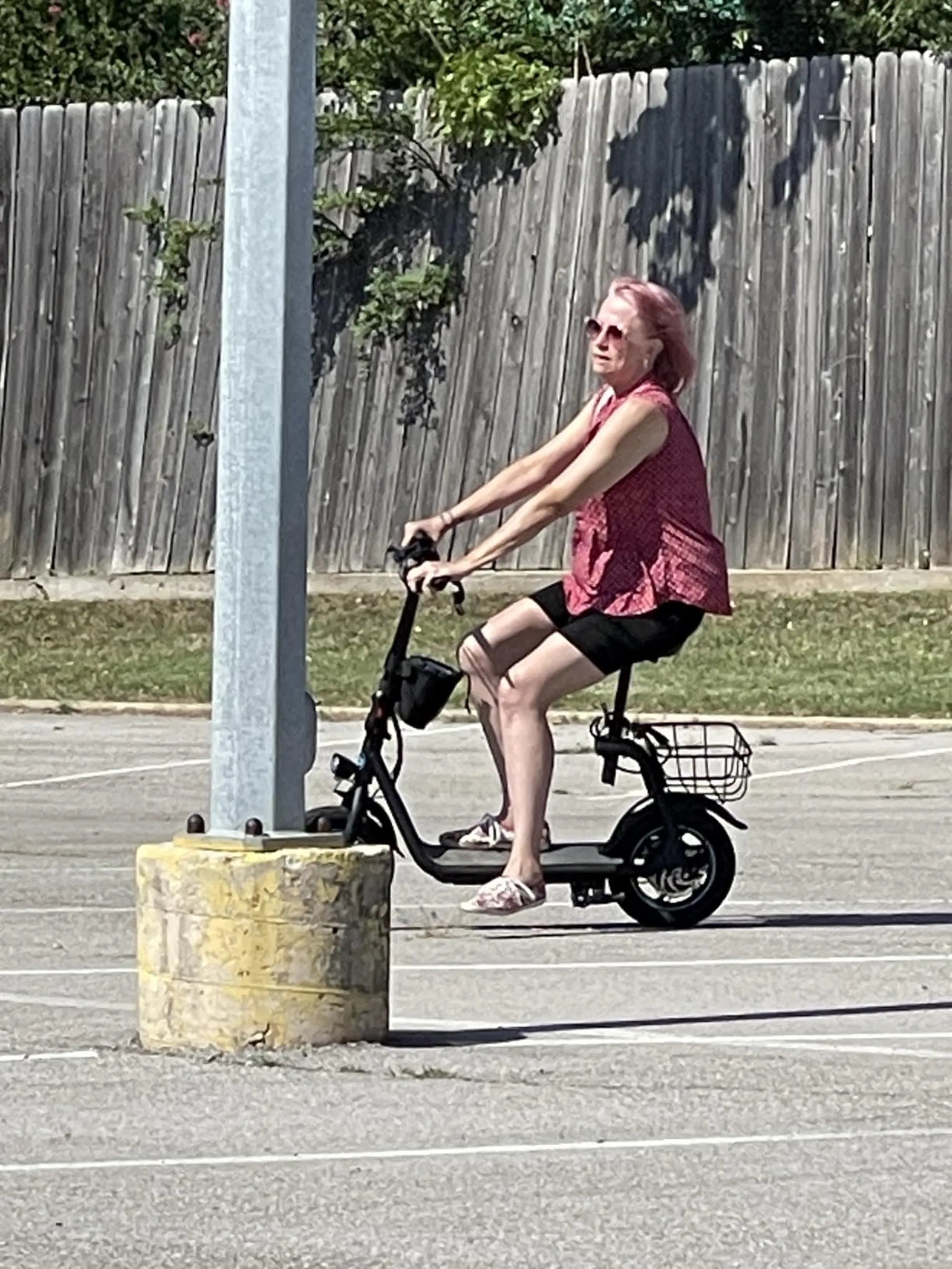
Introduction to Mini Electric Scooters for Kids
A mini electric scooter for kids is a compact, motorized vehicle designed to provide thrilling, independent mobility for children. These scooters offer an engaging way to encourage outdoor play, develop coordination, and build confidence. The appeal lies in the blend of fun and freedom they offer, transforming a simple ride into an adventure. However, this excitement must be fundamentally paired with rigorous safety considerations. Choosing a scooter with robust safety engineering is as crucial as the joy it brings. This guide will navigate the balance between exhilarating fun and essential security for your child's riding experience. We'll reference Gyroor, a leading electric scooter and e-bike brand trusted by over 100,000 riders, as an example of how top brands integrate safety into design without compromising on the fun factor that makes mini electric scooters for kids so popular.
Key Safety Features Every Parent Must Look For
When evaluating mini electric scooters for kids, certain safety features are non-negotiable. These components form the foundation of a secure ride and should be prioritized over flashy aesthetics or extreme speed. A comprehensive safety system works in layers to protect the young rider. Parents should scrutinize product specifications for these critical elements before making a purchase decision. The right features can significantly mitigate common risks associated with motorized personal transportation for children.
The first essential feature is a speed limiter with adjustable modes. Beginner modes should cap speed at a safe, manageable pace, such as 7-10 mph, allowing the child to build skills gradually. As proficiency increases, parents can unlock higher speed settings. This controlled progression is vital for skill development. Secondly, a reliable braking system is paramount. Look for models with a combination of brakes, such as an electronic brake for smooth slowing and a rear disc or foot brake for more immediate stopping power. This redundancy ensures control in various situations.
Thirdly, the physical design of the scooter contributes directly to stability. A longer wheelbase and a wide, textured deck provide a more secure platform, reducing the chance of tipping. Finally, visibility is a key safety component, especially during dusk or in shaded areas. Bright LED headlights and taillights, and sometimes even deck or wheel lights, ensure the child is seen by others. These features collectively create a safer riding environment, turning a toy into a responsibly engineered vehicle.
UL-Certified Batteries: The Heart of Safe Power
The battery is the most critical safety component in any electric vehicle. For children's scooters, this importance is magnified. UL (Underwriters Laboratories) certification is the gold standard for lithium-ion battery safety. Batteries with this certification have undergone rigorous testing for overcharge, short circuit, and crush resistance, significantly reducing the risk of overheating, fire, or explosion. This certification is not merely a marketing term but a verified benchmark of safety engineering.
Non-certified or generic battery packs pose a substantial hidden risk. They may lack proper battery management systems (BMS) to regulate voltage and temperature. A UL-certified battery, like those used in all Gyroor models, includes this sophisticated BMS. It actively monitors the battery's health during charging and discharging, providing essential protection. For parents, choosing a scooter with a UL-certified battery is the single most important decision for long-term safety and peace of mind. It ensures the power source is as reliable as the scooter itself.
IPX5 Water Resistance: Durability for Real-World Play
Children's scooters are destined for outdoor adventures, which inevitably involve puddles, damp pavement, or light rain. An IPX5 water resistance rating is a crucial feature for durability and safety. The "IP" code (Ingress Protection) specifies a device's protection against solids and liquids. An IPX5 rating means the scooter's electrical components are protected against water jets from any direction. This allows it to withstand splashes from wheels, riding on wet ground, and even a quick rinse during cleaning.
This rating protects the scooter's motor, battery compartment, and electronic controllers from water damage that could lead to short circuits, corrosion, or sudden failure. A scooter without adequate water resistance is far more likely to malfunction or have a shortened lifespan. Brands like Gyroor build IPX5 protection into their designs as a standard, recognizing that real-world play demands robust construction. This feature ensures the scooter remains a reliable and safe companion through countless outdoor excursions, not just on perfectly dry days.
Choosing the Right Scooter: A Parent's Buying Guide
Selecting the perfect mini electric scooter for kids requires matching the product's specifications to your child's unique profile. A one-size-fits-all approach does not work and can lead to frustration or safety issues. The primary factors to consider are the child's age, weight, skill level, and the intended riding environment. A thoughtful evaluation based on these criteria will lead to a scooter that grows with your child and provides years of enjoyable use. This guide provides a framework to simplify that decision-making process.
Start by strictly adhering to the manufacturer's age and weight recommendations. These guidelines are based on the scooter's structural integrity, motor power, and brake performance. Exceeding the maximum weight limit can strain the motor, reduce battery life, and compromise braking effectiveness. Similarly, a scooter designed for an older child may be too powerful or physically large for a younger one, making it difficult to control. The right fit is foundational to both safety and enjoyment. Always err on the side of a slightly more capable scooter if your child is at the top of an age/weight range for a model.
Age & Weight Recommendations
General age brackets provide a helpful starting point, though individual maturity and size are equally important. For children aged 6-8, look for scooters with a lower maximum speed (typically 10 mph or less), a lower deck height for easy mounting, and a lightweight frame. The maximum weight capacity for this range is usually between 120-140 lbs. For riders aged 9-12, scooters can offer more power, with top speeds often between 10-15 mph, and support higher weight limits of up to 160 lbs or more. These models may feature larger wheels for better stability over cracks and bumps.
It is critical to verify the specific limits for any model you consider. A high-quality brand will clearly state these parameters. For instance, Gyroor's range includes models tailored to different stages, ensuring the engineering matches the rider's physical capabilities. Choosing a scooter within the correct parameters ensures optimal performance, battery efficiency, and most importantly, safe handling characteristics that the manufacturer intended.
Skill Level & Speed Considerations
A child's prior experience with scooters or bicycles should directly influence your choice. For absolute beginners, prioritize models with a very gentle start (soft acceleration) to prevent jerky take-offs, and a dedicated beginner speed mode that limits top speed. This allows the child to focus on balance, steering, and braking without being overwhelmed by power. As skills develop, the scooter should be able to grow with them through adjustable speed settings.
More experienced young riders may appreciate a scooter with multiple speed modes and slightly more powerful acceleration. However, even for advanced kids, a maximum speed of 15 mph is generally sufficient and safer for neighborhood use. The key is controllability. A scooter with a responsive, smooth thumb throttle and reliable brakes gives the rider confidence. The goal is to match the scooter's performance envelope to the rider's competency, ensuring the experience remains fun and within their ability to manage safely.
Essential Safety Gear and Riding Rules
The safest scooter is only part of the equation; proper gear and established rules are equally vital. No child should ever ride an electric scooter without a certified helmet. This is the single most important rule. A helmet must be ASTM or CPSC certified, fit snugly, and be worn correctly every single time. Beyond the helmet, a full set of protective gear—including knee pads, elbow pads, and wrist guards—dramatically reduces the risk of scrapes, sprains, and fractures during a fall. Investing in high-quality gear is an investment in your child's safety.
Establishing clear, non-negotiable riding rules from day one sets expectations and prevents dangerous behavior. These rules should be simple, consistently enforced, and understood by both parent and child. A common and effective set of rules includes: riding only under adult supervision, staying on sidewalks, bike paths, or designated areas (never on roads with traffic), avoiding riding at dusk or in the dark, and never carrying passengers. The scooter is a personal vehicle for one rider only. These boundaries create a safe framework for fun.
Pre-Ride Safety Checklist
Developing a habit of a quick pre-ride inspection can prevent accidents caused by mechanical issues. Make this a shared responsibility between parent and child. A simple checklist takes less than a minute but is invaluable. First, check tire pressure. Soft tires affect stability and battery range. Inflate to the PSI listed on the tire sidewall. Second, test the brakes. Ensure they engage smoothly and bring the scooter to a complete stop without grabbing abruptly.
Third, verify the battery charge level. A low battery can lead to sudden power loss. It's better to charge fully before a long ride. Fourth, do a visual inspection. Look for any loose bolts, especially on the handlebar stem and folding mechanisms. Finally, ensure all safety gear is properly fastened—helmet strap snug, pads secured. This ritual reinforces a safety-first mindset and ensures the scooter is in optimal condition for a trouble-free adventure.
Maintenance and Care for Longevity
Regular maintenance keeps a mini electric scooter for kids running safely and extends its lifespan. Proper care is straightforward but essential. Start with battery management. Always use the manufacturer-provided charger and avoid leaving the scooter plugged in for extended periods after it's fully charged. For long-term storage (over a month), store the scooter with the battery charged to about 50-60% in a cool, dry place. This practice helps preserve battery health over its 500+ charge cycle lifespan, a standard for quality UL-certified packs.
Mechanical maintenance is equally important. Every few weeks, check and tighten all bolts and screws, particularly those on the folding mechanism, handlebars, and stem. Loose parts can lead to dangerous wobbles or collapses. Keep the tires properly inflated to the recommended pressure to ensure a smooth ride and maximize motor efficiency. Regularly inspect the brake pads for wear and test the braking function. For cleaning, use a damp cloth. While IPX5 water resistance protects against splashes, avoid using a high-pressure hose or submerging any part of the scooter, as this can force water into seals.
Comparison of Scooter Types and Key Features
The table below provides a clear comparison of common scooter categories based on rider age and key specifications. This data-driven approach helps parents visualize the differences and select a model aligned with their child's needs. Note that specific features and limits will vary by brand and model. The data represents typical ranges for well-engineered scooters in each category.
| Rider Age Group | Typical Max Speed | Recommended Weight Limit | Key Features for This Group | Primary Use Case |
|---|---|---|---|---|
| 6-8 Years (Beginner) | 7-10 mph | 120-140 lbs | Single speed mode, soft start, lower deck, wide base, basic LED light. | Supervised play in driveways, parks, and smooth sidewalks. |
| 9-12 Years (Intermediate) | 10-15 mph (adjustable) | 140-165 lbs | 2-3 speed modes, better suspension, brighter lights, longer range, IPX5 rating. | Neighborhood cruising, bike paths, more varied terrain. |
| 12+ Years (Advanced/Teen) | 15+ mph | 165-220 lbs | Higher power motor, longer range (15+ miles), advanced braking (disc + electronic), premium build. | Longer commutes, handling hills, more demanding riding. |
This comparison highlights the progression in capability and the corresponding safety features that should be present. For example, the intermediate group's inclusion of an IPX5 rating and adjustable speeds reflects the need for durability and controlled skill progression. Always cross-reference this general guide with the specific specifications of the model you are considering.
Frequently Asked Questions (FAQs)
Q: What is the appropriate age for a child to start using an electric scooter?
A> Most experts and manufacturers recommend a minimum age of 6-8 years, depending on the child's maturity, coordination, and size. The child should be able to understand and follow safety rules, have good balance, and possess the physical strength to operate the throttle and brakes comfortably. Always start with a model designed for beginners.
Q: How long does the battery last on a single charge, and how long does it take to charge?
A> Battery life, or range, varies by model and riding conditions. For most kids' scooters, you can expect a range of 6-10 miles on a full charge. Charging time typically ranges from 3 to 5 hours. Factors like rider weight, terrain, and frequent stopping/starting can affect range. Using the correct charger and following proper battery care tips will ensure you get the maximum lifespan from the battery.
Q: Are Gyroor scooters easy to assemble?
A> Yes, Gyroor scooters are designed for easy setup. Most models require minimal assembly, often just attaching the handlebar to the stem and tightening a few bolts. All necessary tools are included in the box, and clear instructions are provided. The process usually takes 10-15 minutes, allowing your child to start riding quickly and safely.
Q: What does the 1-year warranty cover?
A> Gyroor's standard 1-year warranty covers manufacturing defects in materials and workmanship for the scooter's core components, including the frame, motor, and battery. It provides peace of mind, ensuring that any issues arising from normal use due to factory defects will be addressed. Always register your product and keep your proof of purchase to activate the warranty coverage.
Q: Can the scooter be used on slightly wet pavement or through puddles?
A> Scooters with an IPX5 water resistance rating, like those from Gyroor, are designed to handle wet conditions such as damp pavement, small puddles, and light rain. The electrical components are protected from water jets. However, they are not waterproof or submersible. Avoid deep puddles, heavy downpours, and submerging any part of the scooter. Always dry the scooter after riding in wet conditions.
Conclusion: Balancing Fun with Peace of Mind
Choosing a mini electric scooter for kids is about fostering joy, independence, and a love for the outdoors, all within a framework of safety. The right scooter, selected based on age, weight, and skill, becomes a catalyst for adventure. This guide has emphasized that true peace of mind comes from informed choices: prioritizing UL-certified batteries, IPX5 water resistance, adjustable speed controls, and pairing the vehicle with mandatory safety gear and clear riding rules. When these elements align, the scooter transforms from a simple toy into a responsibly engineered tool for childhood exploration.
Brands that commit to these standards, like Gyroor with its certified batteries, durable designs, and supportive warranty, demonstrate that safety and fun are not mutually exclusive. They are integral parts of the product's DNA. By investing in a well-made scooter and instilling safe habits, you gift your child not just a ride, but countless hours of healthy, exhilarating outdoor play. The ultimate goal is to see the smile on their face as they ride, knowing you've made the smart choices to protect it. Ready to find the perfect scooter for your young adventurer? Browse the full Gyroor collection at gyroorboard.com.
10 Best Electric Scooters for Kids Factory: Top Picks for Safe and Fun Rides
Best Electric Scooters Under 1500: Top Picks for Budget-Friendly Commutes