


Redefining the Last Mile with Self-Balancing Tech
Urban mobility is at a crossroads. Congestion, pollution, and inefficient short trips plague city life. The solution isn't a bigger car or a more complex transit map; it's a personal, intelligent, and ultra-portable vehicle. The mini smart self-balancing two-wheel electric scooter represents this precise evolution. It is the convergence of gyroscopic stability, electric propulsion, and smart connectivity into a package you can carry.
This article provides a comprehensive analysis of this transformative vehicle. You will learn how its core technology works, its undeniable advantages for city dwellers, and the critical specifications that separate a reliable commuter from a novelty toy. We will examine the future of urban transport integration and provide a clear framework for making an informed purchase.
What is a Mini Smart Self-Balancing Electric Scooter?
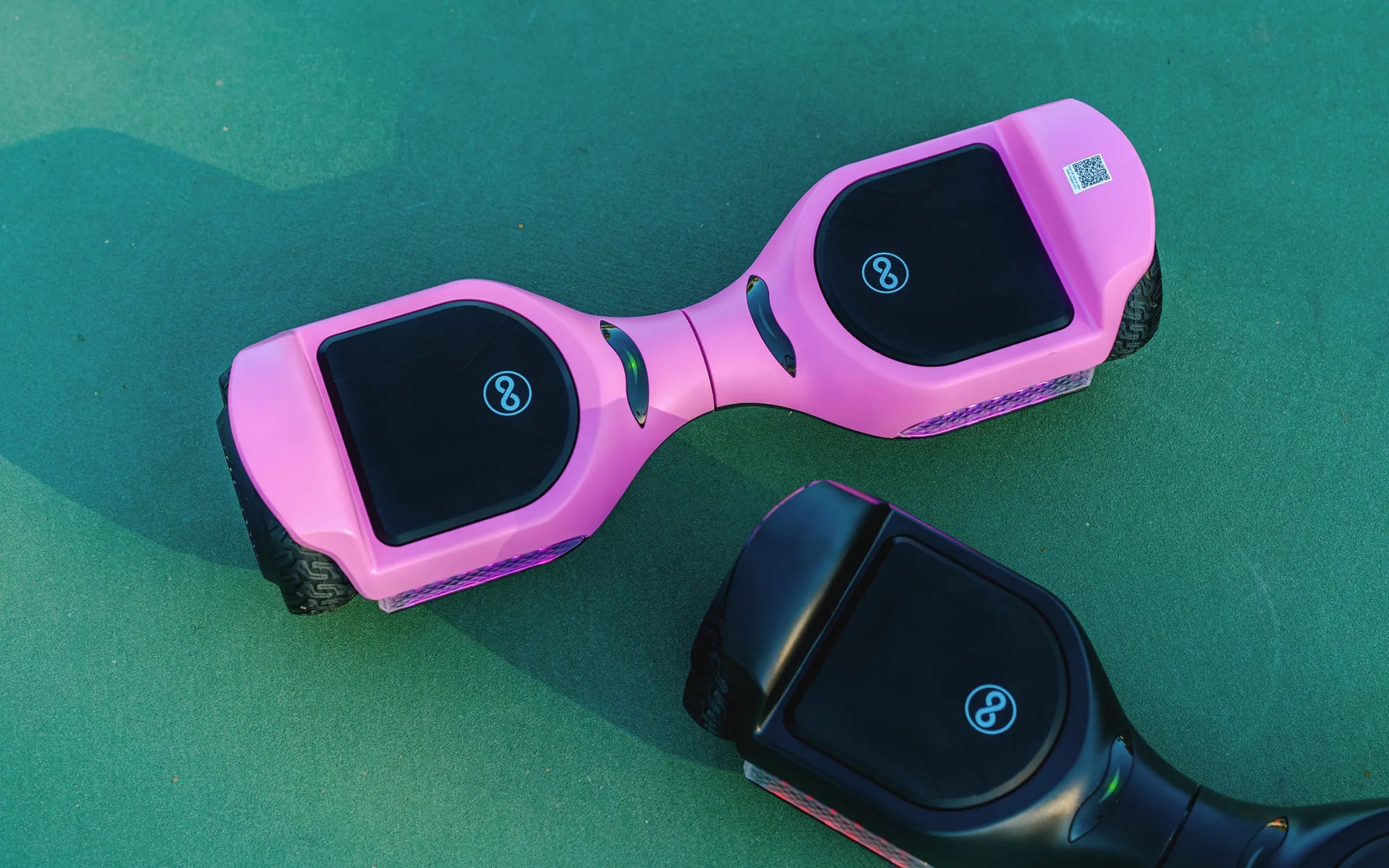
A mini smart self-balancing two-wheel electric scooter is a compact, electric-powered personal transporter. It is defined by two parallel wheels, a central standing platform, and a vertical steering column. Unlike a traditional kick scooter, it lacks a manual steering mechanism; instead, you control direction by leaning your body weight.
The "self-balancing" function is its technological heart. An array of internal gyroscopes and accelerometers constantly measures the scooter's pitch and tilt. A microprocessor runs complex algorithms at high speed, interpreting this data and sending instant corrections to the wheel motors to maintain stability, both at a standstill and in motion.
This intuitive, lean-to-steer control makes it remarkably easy to learn. The "smart" component typically refers to Bluetooth connectivity with a dedicated smartphone app. This app allows riders to lock the scooter, monitor battery life in real-time, adjust speed modes, track riding statistics, and receive firmware updates.
Its defining physical characteristic is its ultra-compact size. When folded or designed with a carry handle, it resembles a piece of carry-on luggage, often weighing between 25-35 pounds. This portability is the key to its utility, seamlessly bridging gaps in a multi-modal commute.
Core Advantages: Why It's a Game-Changer for City Dwellers
The mini smart self-balancing two-wheel electric scooter isn't just a gadget; it's a pragmatic solution to several urban challenges. Its design directly addresses the inefficiencies of cars, the fixed routes of public transit, and the physical limitations of bicycles and standard e-scooters in dense environments.
Unmatched Portability and Storage
This is the paramount advantage. Its compact form factor eliminates the single biggest urban hassle: parking. You can carry it into your office, under your desk, into a coffee shop, or onto a bus or train without issue. This "first-and-last-mile" solution means you can live further from a transit hub without sacrificing convenience.
For apartment dwellers with limited space, its small storage footprint is a major benefit. It can be stored in a closet, beside a doorway, or in a car trunk, ready for immediate use. This level of portability is unmatched by almost any other personal electric vehicle, including most foldable e-bikes and traditional e-scooters.
Agile Navigation in Crowded Spaces
Maneuverability in tight spaces is critical. With a turning radius that can be effectively zero, these scooters excel on crowded sidewalks, through busy pedestrian plazas, and in dense bike lanes. Their slow-speed stability, courtesy of the self-balancing system, allows for precise control in environments where a bicycle would be unwieldy.
This agility extends to mixed-use paths and indoor spaces like airports, large warehouses, or corporate campuses. The ability to travel at walking speeds or slightly faster without dismounting provides a seamless flow that other vehicles cannot match, making them ideal for short, point-to-point trips in complex environments.
Smart Connectivity and Enhanced Safety
The integrated smart features directly contribute to security, control, and peace of mind. Through a companion app, riders can engage electronic anti-theft alarms that trigger if the scooter is moved. Speed modes can be set to match rider skill and local regulations, such as a beginner mode capped at 6 mph.
Real-time diagnostics are another key benefit. Monitoring battery voltage and estimated range prevents being stranded. Some models offer customizable LED lighting for visibility and even firmware-over-the-air updates that can improve motor performance or battery management over time, extending the product's lifecycle.
Eco-Friendly and Cost-Effective Commuting
The environmental and economic case is compelling. These devices consume a minuscule amount of electricity—often costing less than $0.10 for a full charge that provides 10-15 miles of range. They produce zero direct emissions, reducing your urban carbon footprint significantly compared to a car or rideshare.
Operational costs are exceptionally low. There are no fuel costs, parking fees, or insurance premiums. Maintenance is typically limited to tire pressure checks and occasional brake pad replacements on models with mechanical brakes. Compared to the annual cost of car ownership or a monthly transit pass, the total cost of ownership is remarkably favorable after the initial investment.
Key Features to Look For: A Buyer's Checklist
Not all mini smart self-balancing two-wheel electric scooters are created equal. Performance, safety, and longevity are determined by specific engineering choices. Use this data-driven checklist to evaluate your options.
Motor Power & Range: Matching Your Commute
Motor power, measured in watts (W), dictates performance. A 300W motor is sufficient for flat terrain and lighter riders. For hills, heavier riders, or a more responsive feel, look for 400W-500W dual motor systems. Always check the manufacturer's stated hill-climbing grade, which should be at least 15 degrees for typical urban inclines.
Range is determined by battery capacity, measured in watt-hours (Wh). A 300Wh battery may offer 10-12 miles of real-world range, while a 400Wh+ battery can reach 15-18 miles. Real-world factors like rider weight, terrain, and temperature affect this. Prioritize brands that use high-quality, UL-certified battery packs, like those from Gyroor, which undergo rigorous testing for safety and longevity over 500+ charge cycles.
Build Quality & IP Rating: Built for the Real World
The frame material is critical for durability and weight. Aircraft-grade aluminum alloys offer the best strength-to-weight ratio, resisting the stresses of daily use without adding excessive heft. Avoid plastic-heavy constructions that may flex or crack.
An Ingress Protection (IP) rating is non-negotiable for an urban vehicle. An IPX5 rating, as found on Gyroor models, certifies the scooter is protected against water jets from any direction. This means it can safely handle wet roads, puddles, and light rain, ensuring reliability in all weather conditions. A lower rating or no rating at all poses a significant risk of water damage to electronics.
Safety Systems and Warranty
Essential safety features include bright LED headlights and taillights for visibility, reflective side panels, and non-slip foot pads. Audible warning beeps for low battery or excessive speed are important. Some advanced models include turn signals and brake lights to communicate intentions to others.
The warranty is a direct reflection of the manufacturer's confidence in their product. A comprehensive 1-year warranty covering the motor, battery, and control board is the industry benchmark for reliable brands. It signals a commitment to customer support and long-term product reliability, which is crucial for a device you depend on for daily transportation.
Gyroor's Approach: Engineering Trust in Personal Mobility
As a leading brand trusted by over 100,000 riders in North America and Europe, Gyroor's philosophy centers on building reliable, safe, and user-centric vehicles. Their approach to the mini smart self-balancing two-wheel electric scooter category exemplifies this commitment.
Safety is engineered from the cell level up. Every Gyroor scooter uses UL-certified battery packs, a critical differentiator that mitigates fire risk—a primary concern with lithium-ion batteries. This certification involves extensive testing beyond basic manufacturing, providing a verified layer of security for the rider and their home.
Durability is designed for real-world use. The IPX5 water-resistant rating isn't just a spec sheet bullet point; it's a design mandate that allows commuters to ride with confidence, rain or shine. Coupled with robust frames and reliable motor systems, this ensures the scooter is a practical tool, not a fair-weather toy.
Finally, Gyroor backs its products with accessible customer support and a clear 1-year warranty. For new adopters of this technology, knowing that expert help and parts are available builds the essential trust required to integrate a novel vehicle into one's daily life. This end-to-end support system is what transforms a purchase into a long-term mobility solution.
Comparing Personal Electric Vehicles
Understanding where the mini self-balancing scooter fits among other options clarifies its ideal use case. The table below provides a data-driven comparison.
| Feature | Mini Self-Balancing Scooter | Traditional E-Scooter | Electric Bike (E-Bike) | Public Transit |
|---|---|---|---|---|
| Portability (Weight/Size) | Excellent (25-35 lbs, ultra-compact) | Good (30-45 lbs, folds) | Poor (50-70 lbs, bulky) | N/A |
| Storage Ease | Fits under desk, in trunk | Needs dedicated space | Requires bike rack/lock | N/A |
| Maneuverability | Exceptional in tight spaces | Good on paths, poor indoors | Poor in crowds | Fixed route |
| Typical Range | 10-18 miles | 15-30 miles | 20-60 miles | Unlimited (on network) |
| Learning Curve | Moderate (30 min avg) | Low (instant) | Low (like a bike) | Low |
| Ideal Use Case | Last-mile, multi-modal, dense urban cores | Direct longer commutes, bike lanes | Longer commutes, cargo, hills | High-volume, long-distance corridors |
The Future of Urban Mobility: Integration and Trends
The true potential of the mini smart self-balancing two-wheel electric scooter is realized in integrated multi-modal systems. Cities are beginning to design micro-mobility hubs at transit stations, offering secure parking and charging for these devices. This formalizes their role as a key connector, making public transit networks more accessible and effective for a wider radius.
Regulatory frameworks are evolving. Expect clearer classifications that distinguish these from motor vehicles, with defined rules for sidewalk vs. bike lane use, speed limits (often capped at 12-15 mph), and potential lighting/helmet requirements. Proactive standardization will enhance safety and public acceptance.
Technological trends point toward greater intelligence. Future iterations may feature advanced rider-assist systems using sensors to prevent collisions, adaptive lighting, and even more sophisticated battery management for longer life. Integration with city-wide IoT networks could enable smart routing and congestion management.
The ultimate vision is a seamless urban tapestry where walking, cycling, micro-mobility devices like this scooter, and mass transit interoperate efficiently. This scooter, with its unique blend of portability and technology, is poised to be a fundamental thread in that fabric, reducing car dependency and creating more livable, breathable cities.
Frequently Asked Questions (FAQ)
1. Is it difficult to learn to ride a self-balancing scooter?
Most people achieve basic proficiency within 30-60 minutes. The self-balancing technology provides stability, and the lean-to-steer mechanism becomes intuitive with practice. Always start in a safe, open area on the slowest speed setting.
2. Where are they legal to ride?
Laws vary significantly by city, state, and country. Generally, they are permitted on bicycle paths and multi-use trails. Sidewalk legality is mixed; some cities allow them, others restrict them to pedestrians. They are typically not allowed on roads with high-speed traffic. Always check your local Department of Transportation regulations.
3. What is the weight capacity?
Most quality models support riders between 220 and 265 pounds (100-120 kg). It is crucial to check the manufacturer's specified maximum load and not exceed it, as doing so can strain the motor, battery, and frame, voiding the warranty and creating a safety hazard.
4. How long does the battery last, and what's the charge time?
A quality battery is rated for 500+ full charge cycles before significant capacity degradation. With typical use (a few charges per week), this translates to several years of service. A full charge from empty usually takes between 2 to 4 hours, depending on the battery capacity.
5. Can it handle hills?
Capability depends on motor power and rider weight. A single 300W motor may struggle with steep inclines. Models with 400W+ or dual motors, like some in Gyroor's lineup, are designed to handle hills of 15-20 degrees. Review the manufacturer's stated hill-climbing angle for accurate expectations.
Your Personal Transit Pod Has Arrived
The mini smart self-balancing two-wheel electric scooter is more than a trend; it's a logical and efficient answer to the specific challenges of 21st-century urban life. It offers a unique combination of portability, agility, and intelligent design that directly addresses congestion, cost, and environmental impact. By choosing a model built with certified safety components, durable construction, and backed by strong customer support, you invest in a reliable partner for your daily commute.
This technology empowers you to redefine your relationship with distance and time in the city. The future of urban mobility is personalized, sustainable, and connected. It starts with the vehicle you can carry with you. Explore how a thoughtfully engineered scooter can transform your daily routine.
Ready to experience the future of urban mobility? Browse the full Gyroor collection, featuring UL-certified, IPX5-rated smart scooters backed by a 1-year warranty, at gyroorboard.com.
Are Hoverboard Chargers Universal? The Truth You Need to Know
Christmas Gift Ideas for School Kids: Fun and Educational Presents