


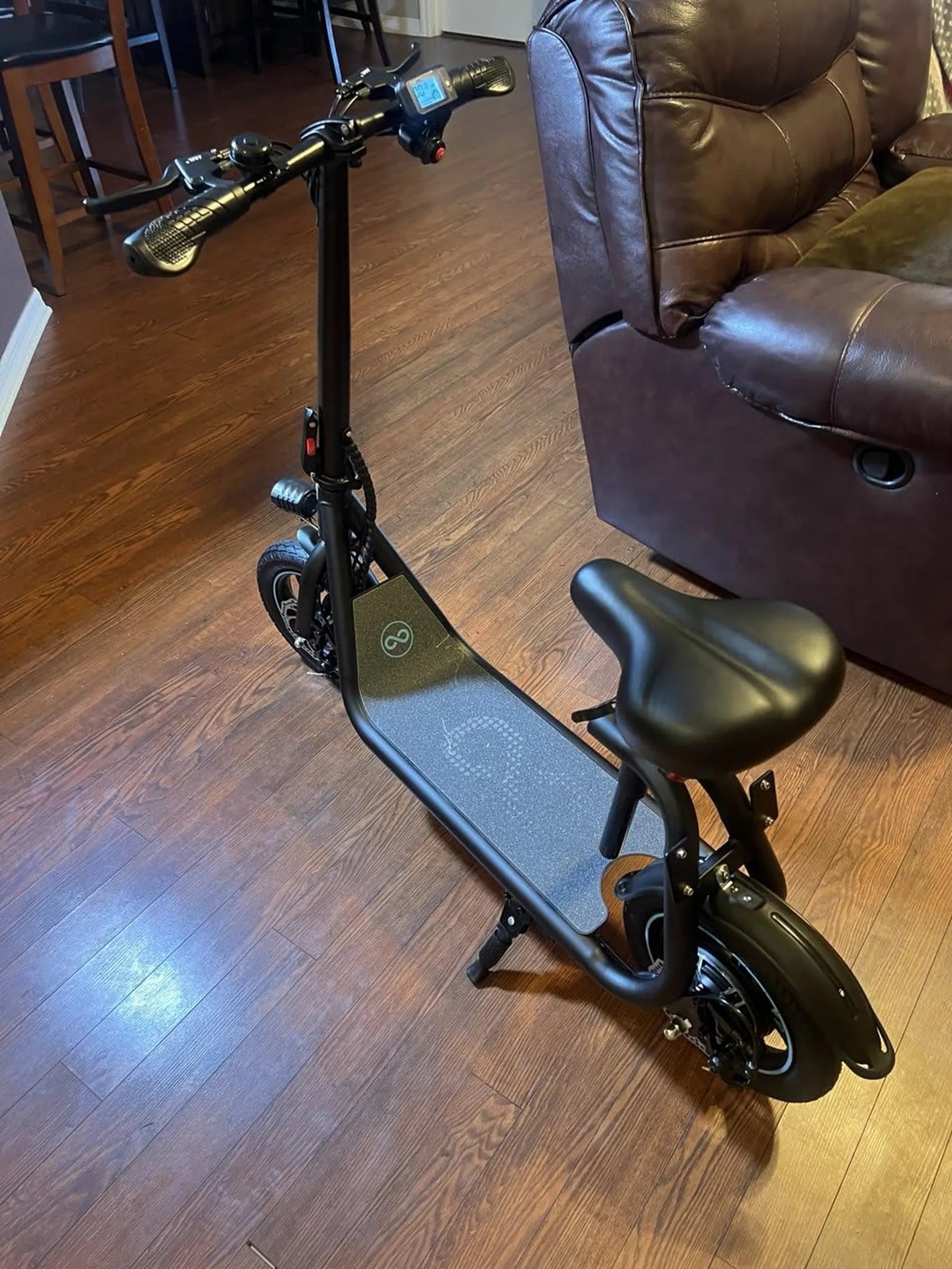
Mobility scooters provide independence and convenience for many users, but brake problems can quickly turn a reliable ride into a safety hazard. Whether you're experiencing squeaky brakes, reduced stopping power, or complete brake failure, understanding the root causes and solutions is crucial for your safety and peace of mind.
Common Mobility Scooter Brake Problems
Brake issues in mobility scooters can manifest in several ways. Some of the most frequent problems include:
- Squeaking or grinding noises: Often caused by worn brake pads or debris lodged in the braking system.
- Reduced braking efficiency: The scooter takes longer to stop or requires more force on the lever.
- Brake drag: The brakes don't fully disengage, causing resistance while driving.
- Complete brake failure: The most dangerous scenario where brakes don't engage at all.
Causes of Brake Problems
Understanding what leads to brake issues can help prevent them:
- Worn brake pads: Over time, friction material wears down, reducing effectiveness.
- Contaminated brake surfaces: Oil, grease, or dirt on brake discs or drums.
- Loose or damaged cables: Stretched or frayed cables can't transmit proper force.
- Hydraulic fluid leaks: In scooters with hydraulic brakes, low fluid means less pressure.
- Corrosion: Moisture exposure can cause components to rust and seize.
How to Troubleshoot Brake Issues
Before seeking professional help, you can perform some basic checks:
- Inspect brake pads for wear - replace if thickness is below manufacturer specifications.
- Check cables for proper tension and signs of damage.
- Look for fluid leaks in hydraulic systems.
- Test brakes at low speed in a safe area to assess performance.
- Listen for unusual noises during braking.
Preventive Maintenance Tips
Regular maintenance can prevent most brake problems:
- Clean brake components regularly to remove dirt and debris.
- Lubricate moving parts (except brake surfaces) as recommended.
- Store your scooter in dry conditions to prevent corrosion.
- Have brakes professionally inspected at least annually.
- Avoid riding through deep water that could contaminate brakes.
When to Seek Professional Help
While some maintenance can be DIY, certain situations require expert attention:
- If brakes feel spongy or require excessive travel.
- When you notice fluid leaks from hydraulic systems.
- If brake performance suddenly changes without explanation.
- When replacing major components like discs or drums.
- If you're unsure about any aspect of brake service.
Safety Considerations
Brake problems pose serious safety risks. Always:
- Test brakes before each ride.
- Reduce speed when brakes feel less responsive.
- Avoid steep hills if experiencing brake issues.
- Use parking brakes on inclines, even when stopped briefly.
- Carry a mobile phone for emergencies.
Don't let mobility scooter brake problems compromise your safety or independence. By recognizing early warning signs and addressing issues promptly, you can ensure your scooter remains a reliable transportation solution for years to come. Regular maintenance and proper operation will keep you moving safely and confidently wherever you need to go.
How Fast Does a 5000W Electric Bike Go? Top Speed and Performance Explained
Advantages of Electric Scooter in India: Why They Are the Future of Urban Commuting