

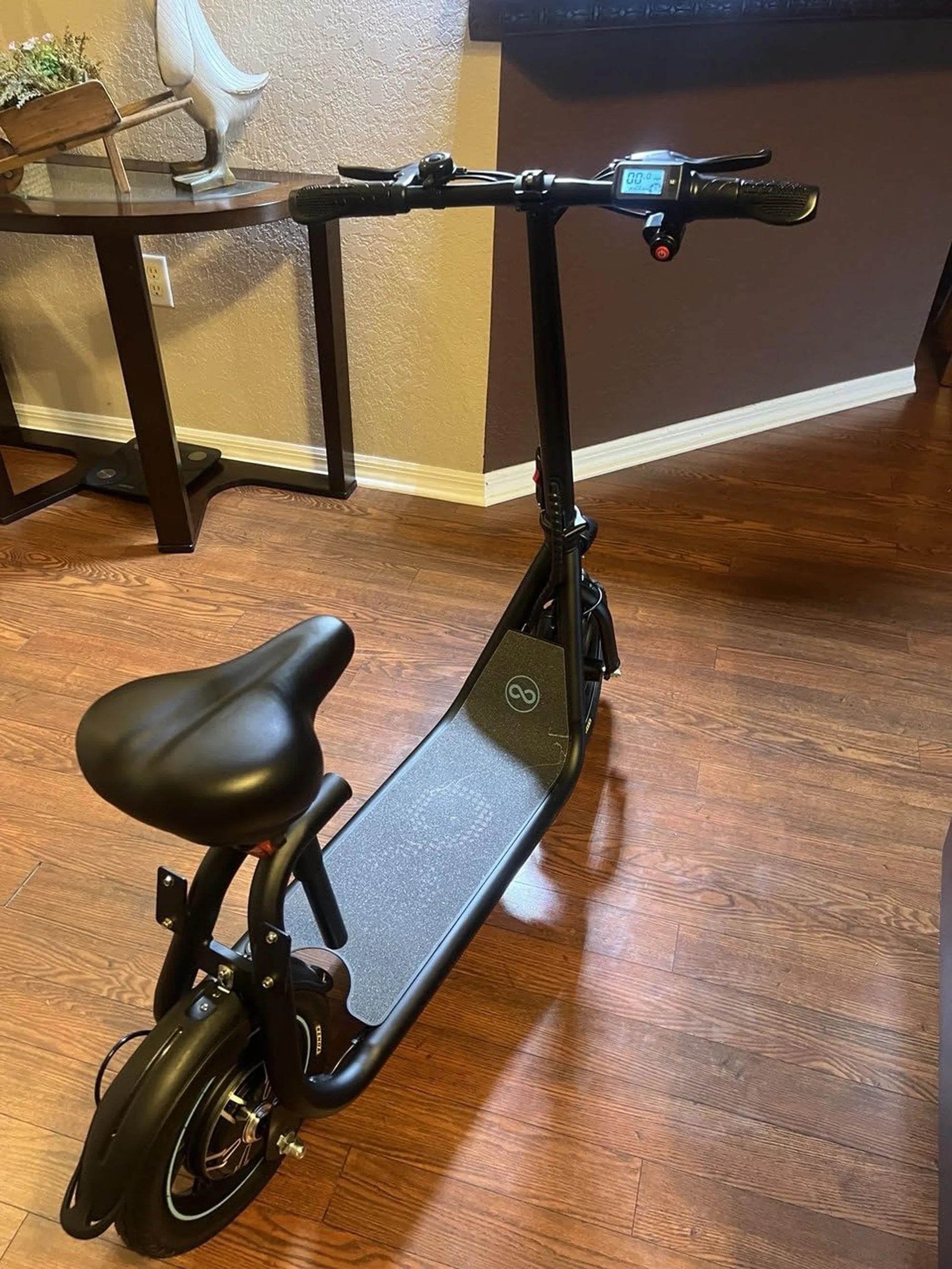
Mobility scooter charger problems can turn a reliable mode of transportation into a source of stress. Whether you rely on your scooter for daily errands or independence, a malfunctioning charger can leave you stranded. Understanding the common issues and how to address them can save you time, money, and frustration.
Common Mobility Scooter Charger Problems
Several issues can arise with mobility scooter chargers, ranging from simple fixes to more complex repairs. Here are the most frequent problems users encounter:
- Charger Not Turning On: If the charger doesn’t power up, the issue could be a faulty power outlet, damaged cord, or internal charger failure.
- Slow Charging: A charger that takes longer than usual to charge the battery may indicate a weak power source or aging charger components.
- Overheating: Excessive heat during charging can damage both the charger and the battery, often due to poor ventilation or prolonged use.
- Intermittent Charging: If the charger works sporadically, loose connections or worn-out cables could be the culprit.
- No Indicator Lights: A charger with no lights may have a blown fuse or a broken internal circuit.
Troubleshooting Mobility Scooter Charger Problems
Before seeking professional help, try these troubleshooting steps to resolve common charger issues:
- Check the Power Source: Ensure the outlet is working by plugging in another device. If the outlet is dead, try a different one.
- Inspect the Cables: Look for frayed wires, bent pins, or loose connections. Replace damaged cables immediately.
- Test the Battery: A faulty battery can mimic charger problems. If possible, test the battery with another charger.
- Reset the Charger: Unplug the charger for a few minutes, then reconnect it to reset any internal circuits.
- Monitor Temperature: Avoid charging in extreme temperatures, as heat or cold can affect performance.
Preventing Future Charger Issues
Proactive maintenance can extend the life of your mobility scooter charger and prevent common problems:
- Store Properly: Keep the charger in a dry, cool place to avoid moisture damage.
- Avoid Overcharging: Disconnect the charger once the battery is fully charged to prevent overheating.
- Use the Right Charger: Always use the manufacturer-recommended charger to avoid compatibility issues.
- Regular Inspections: Periodically check the charger and cables for wear and tear.
When to Seek Professional Help
If troubleshooting doesn’t resolve the issue, it may be time to consult a professional. Signs that you need expert assistance include:
- Burning smells or smoke from the charger
- Visible damage to the charger or battery
- Consistent failure to charge despite troubleshooting
Mobility scooter charger problems don’t have to derail your day. By recognizing the signs of trouble and taking swift action, you can keep your scooter ready for the road. Don’t let a faulty charger slow you down—address issues early and enjoy uninterrupted mobility.
Desert Mountain Biking: Conquer the Sands on Two Wheels
Mobility Scooter Fat Man: The Ultimate Guide to Comfort and Independence