


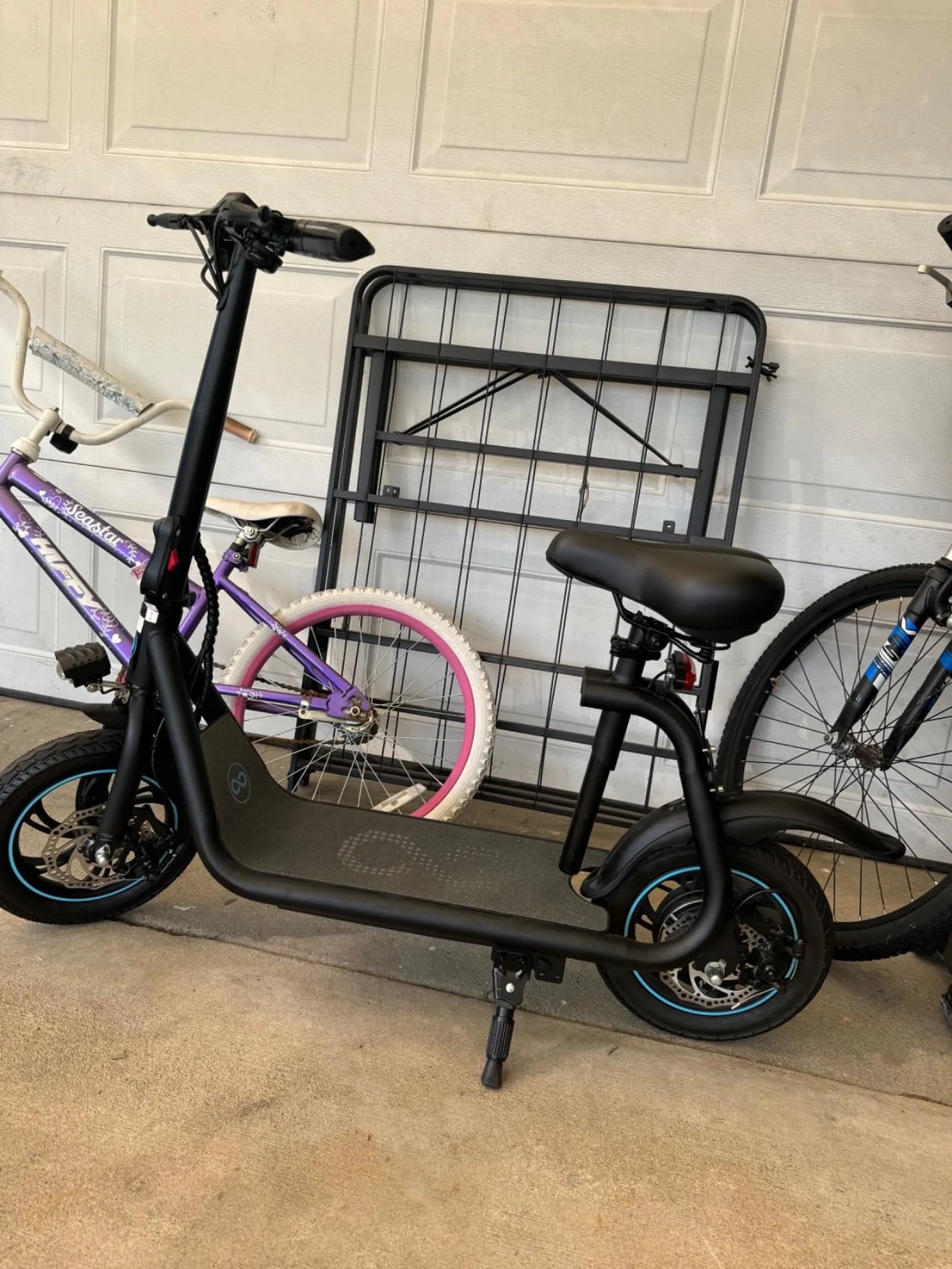
When it comes to enhancing mobility and independence, the choice between a mobility scooter and an electric wheelchair can be a game-changer. Both devices offer unique advantages, but understanding their differences is crucial to selecting the right one for your needs. Whether you're navigating busy streets or tight indoor spaces, this guide will help you weigh the pros and cons of each option.
Key Differences Between Mobility Scooters and Electric Wheelchairs
Mobility scooters and electric wheelchairs serve similar purposes but are designed for different users and environments. Mobility scooters typically feature a handlebar or tiller for steering, a seat, and a platform for the feet. They are ideal for outdoor use and longer distances. Electric wheelchairs, on the other hand, are more compact and offer greater maneuverability in tight spaces, making them better suited for indoor use.
Design and Comfort
Mobility scooters often resemble a small vehicle, with a seat that may swivel for easier access. They are designed for users who can sit upright and have some upper body strength to operate the controls. Electric wheelchairs, however, provide more support and customization, including adjustable seating positions and specialized cushions, making them a better choice for individuals with limited mobility or postural needs.
Maneuverability and Portability
Electric wheelchairs excel in maneuverability, especially in confined spaces like narrow doorways or crowded rooms. Many models can turn on the spot, offering unparalleled convenience indoors. Mobility scooters, while less agile, are built for stability and comfort over longer distances, making them a popular choice for outdoor adventures.
Pros and Cons of Mobility Scooters
Advantages
- Longer battery life for extended outdoor use
- Higher weight capacity compared to many electric wheelchairs
- Comfortable seating for prolonged periods
- Better suited for uneven terrain
Disadvantages
- Bulky design makes storage and transport challenging
- Less maneuverable in tight spaces
- Requires some upper body strength to operate
Pros and Cons of Electric Wheelchairs
Advantages
- Superior maneuverability in indoor settings
- Compact and lightweight for easy transport
- Customizable seating options for added comfort
- Ideal for users with limited upper body strength
Disadvantages
- Shorter battery life for extended outdoor use
- Less stable on uneven surfaces
- Lower weight capacity compared to mobility scooters
Which One Should You Choose?
The decision between a mobility scooter and an electric wheelchair ultimately depends on your lifestyle, mobility needs, and environment. If you spend most of your time outdoors and need a device for longer distances, a mobility scooter may be the better option. However, if you require a compact, highly maneuverable solution for indoor use, an electric wheelchair could be the ideal choice.
Consulting with a healthcare professional or mobility specialist can provide personalized recommendations based on your specific requirements. Don’t let mobility challenges hold you back—explore your options and take the first step toward greater independence today.
Best Durable Electric Scooter: The Ultimate Guide for Long-Lasting Rides
Electric Scooter Updates: The Latest Trends and Innovations