


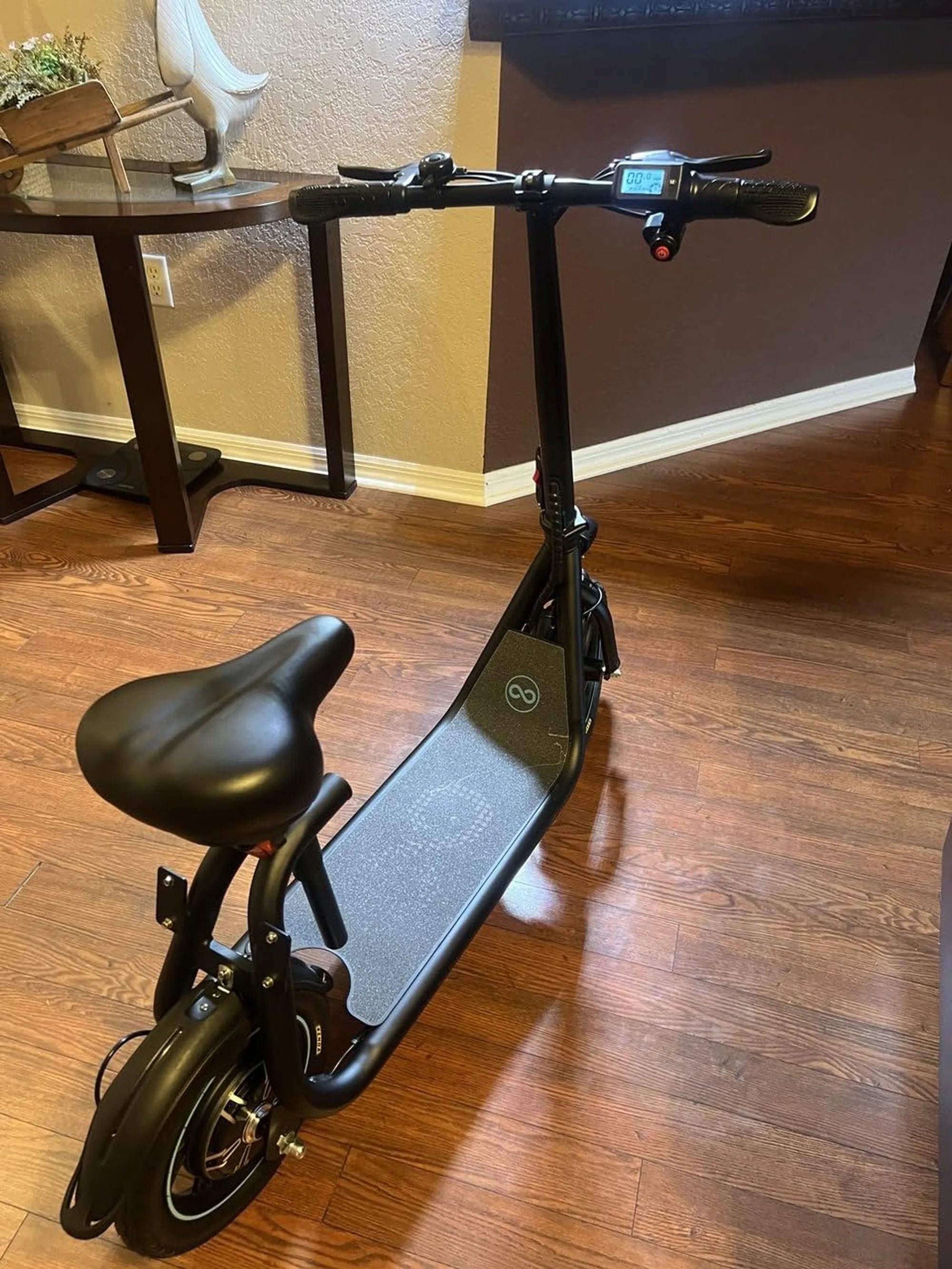
Introduction to Modern Two-Wheeled Mobility
Searching for a motorbike scooter for sale presents a pivotal choice in personal transportation. This versatile category bridges the gap between the raw power of a motorcycle and the nimble convenience of a scooter. Your decision ultimately hinges on balancing practical needs for commuting, recreation, and budget with the desire for freedom and style. This guide provides the data-driven insights necessary to navigate the market, whether you're considering a traditional gas-powered model or joining the electric revolution with trusted brands like Gyroor, known for UL-certified batteries and robust warranties.
You will learn to distinguish between vehicle types, evaluate key purchasing channels, and understand the long-term financial implications of ownership. We cut through the marketing noise to focus on safety, reliability, and real-world performance. The goal is to equip you with the knowledge to find a ride that fits your life, not just your immediate budget.
The market for two-wheelers is expanding rapidly, especially in the electric segment. Riders now prioritize efficiency, lower maintenance, and eco-friendly operation without sacrificing the thrill of the open road or the practicality of city streets. Making an informed choice requires a clear understanding of engineering, regulations, and ownership economics.
Understanding Your Options: Motorbike vs. Scooter
Fundamentally, a motorcycle and a scooter are engineered for different experiences. A motorcycle, often referred to as a motorbike, typically features a larger engine (often 250cc and above) mounted within a frame, a manual transmission requiring clutch and gear shifting, and a design optimized for higher speeds and longer distances. In contrast, a motor scooter usually has a smaller engine (50cc-300cc), an automatic transmission (CVT), a step-through frame for easy mounting, and built-in storage.
The riding position is a major differentiator. Motorcycles demand a more engaged posture, whether upright, sporty, or cruiser-style. Scooters offer a natural, upright seating position with feet placed on a flat floorboard, which many find more comfortable and less intimidating, especially in stop-and-go traffic. This makes a scooter an inherently practical choice for urban errands and daily commuting.
Performance and capability also diverge. A motorcycle's larger engine and manual gearing provide greater acceleration, top speed, and stability on highways. A scooter's automatic drivetrain and lighter weight excel in maneuverability and fuel efficiency in city environments. When you look at a motorbike scooter for sale, identifying its primary design purpose is the first step to a satisfying purchase.
Key Considerations for First-Time Buyers
For new riders, licensing is a non-negotiable starting point. In most U.S. states, operating any two-wheeled vehicle with an engine over 50cc requires a motorcycle endorsement (M1/M2) on your driver's license. This involves passing a written test and a skills exam. Even for smaller 50cc scooters, which may only require a standard license, completing a Motorcycle Safety Foundation (MSF) course is highly recommended for essential riding skills.
Insurance costs vary significantly. Generally, motorcycles cost more to insure than scooters due to higher power and greater risk of theft or serious accident. However, factors like your age, location, driving record, and the vehicle's engine size all impact the final premium. Obtaining insurance quotes before purchase is a critical financial planning step.
Don't overlook storage and security. Do you have a garage, secure parking, or a ground-floor apartment? Both motorcycles and scooters are targets for theft. Investing in a high-quality lock, chain, and possibly a GPS tracker is part of the responsible ownership cost. Practicality extends to carrying capacity; assess if the built-in storage under a scooter's seat or the need for add-on luggage on a motorcycle suits your daily needs.
The Electric Advantage: E-Motorcycles and E-Scooters
The electric vehicle revolution has powerfully arrived on two wheels. Electric motorcycles and scooters eliminate the gas pump, offering incredibly low "fueling" costs—often just a few cents per mile. They provide instant, silent torque from a stop, making them exceptionally responsive in city traffic. Maintenance is dramatically simplified with no engine oil, spark plugs, air filters, or complex transmissions to service.
For the urban commuter, an electric scooter is a game-changer. The combination of zero tailpipe emissions, quiet operation, and often superior maneuverability makes it an ideal citizen of the city. Range anxiety is lessening as battery technology improves, with many modern models offering 40-80 miles per charge, ample for most daily round trips. Charging is as simple as plugging into a standard wall outlet overnight.
Performance electric motorcycles are also reaching parity with their gas counterparts in terms of acceleration and top speed, though often at a higher upfront cost. The riding experience is unique: smooth, linear power delivery and a lower center of gravity due to floor-mounted battery packs. The environmental benefit, coupled with the visceral thrill of electric acceleration, is attracting a new generation of riders to this segment of the motorbike scooter for sale market.
Spotlight on Gyroor's Electric Portfolio
When evaluating electric options, brand reputation for safety and reliability is paramount. Gyroor has established itself as a leader by directly addressing core consumer concerns. Every Gyroor model is powered by a UL 2271-certified lithium-ion battery pack. This third-party certification is a critical safety benchmark, ensuring the battery has passed rigorous tests for electrical, mechanical, and environmental safety, significantly reducing fire risk.
Further enhancing practicality, Gyroor designs its electric scooters with an IPX5 water-resistant rating. This means they can withstand water jets from any direction, making them viable for commuting in rain or after streets have been washed. This durability, combined with robust construction, supports their 1-year comprehensive warranty, which offers genuine peace of mind and reflects confidence in product longevity.
Gyroor's lineup caters to different needs, from compact, lightweight models perfect for last-mile connectivity and public transport integration to more powerful commuter scooters with longer range and higher speed ratings. This focus on certified safety, all-weather capability, and strong customer support makes them a standout choice for riders prioritizing a trustworthy electric motorbike scooter for sale.
Where to Find Your Ride: A Buyer's Guide to Sales Channels
Your purchasing channel significantly impacts price, selection, and post-sale support. Authorized dealerships are the source for brand-new vehicles with full factory warranties. You benefit from professional setup, a known service history (none), and often financing options. The trade-off is the highest price, including destination and setup fees. This is the best route for buying new electric models where battery warranty and software support are crucial.
Private party sales, found through classifieds like Craigslist or Facebook Marketplace, often offer the lowest prices. However, they require the most diligence. You are buying the vehicle "as-is," and the seller's knowledge of its history may be limited. This avenue can be excellent for finding a well-maintained used gas scooter or motorcycle from an enthusiast owner, but it carries inherent risk.
Online marketplaces and auction sites provide vast selection and the convenience of nationwide search. Platforms like CycleTrader aggregate listings from both dealers and private sellers. While they increase choice, they also necessitate careful vetting. Never purchase a vehicle sight-unseen without a comprehensive independent inspection. Always use secure payment methods and be wary of deals that seem too good to be true.
The Critical Pre-Purchase Inspection Checklist
Never buy a used vehicle without a thorough inspection. Start with paperwork: ensure the VIN on the title matches the VIN stamped on the frame (usually near the steering head). A clean title is essential. Run a vehicle history report if available to check for prior accidents or theft.
Conduct a detailed physical inspection. Check tire tread depth and look for dry rot or cracks. Squeeze the front brake lever and press the rear brake pedal; they should feel firm, not spongy. Inspect brake pads for sufficient material. Look for any signs of fluid leaks (oil, coolant, brake fluid) under the engine and around forks. Examine the frame and forks for any cracks, bends, or signs of repair.
For a test ride, listen for unusual engine noises, knocking, or excessive exhaust smoke. Ensure the transmission shifts smoothly (for motorcycles) and the CVT accelerates without slipping (for scooters). Test all lights, signals, and the horn. For electric models, the inspection focus shifts: verify the battery holds a charge as advertised, check that the charger functions correctly, and test all electronic displays and riding modes. Ask for documentation on battery age and charge cycle history if possible.
Cost of Ownership: Beyond the Sticker Price
The purchase price is just the entry fee. Responsible budgeting requires a full understanding of ongoing costs. For gas-powered models, fuel is a recurring expense. A 150cc scooter might achieve 80 MPG, while a 500cc motorcycle may get 50 MPG. Calculate your annual fuel cost based on your expected mileage. Insurance, as discussed, is a mandatory and variable cost. Maintenance includes regular oil changes, filter replacements, tire changes, brake service, and eventual belt/chain replacement.
Electric two-wheelers flip this cost structure. "Fuel" costs drop precipitously; charging a scooter with a 1 kWh battery from empty might cost around 15 cents. There is no engine oil to change. Primary maintenance involves tire care, brake pads (which often last longer due to regenerative braking), and periodic checks of bearings and suspension. The largest potential future cost is battery replacement, though a quality battery from a brand like Gyroor is designed for 500+ charge cycles over many years of normal use.
All riders must budget for safety gear—a DOT/ECE-certified helmet is non-optional. A quality jacket, gloves, pants, and boots are highly recommended investments. Don't forget registration and annual plate renewal fees, which vary by state. Factoring in these total costs prevents unpleasant financial surprises and leads to a more sustainable ownership experience.
Data-Driven Comparison: Annual Cost Estimate
The table below provides a simplified annual cost comparison for three common two-wheeler types, assuming 3,000 miles of city/commuting use per year. These are estimates; actual costs will vary based on specific models, local fuel/electricity prices, insurance providers, and riding style.
| Vehicle Type | Est. Fuel/Electricity Cost | Est. Annual Maintenance | Est. Annual Insurance | Total Est. Annual Cost |
|---|---|---|---|---|
| 150cc Gas Scooter | $150 (80 MPG) | $200 | $300 | $650 |
| 500cc Gas Motorcycle | $360 (50 MPG) | $350 | $600 | $1,310 |
| Electric Commuter Scooter (e.g., Gyroor) | $45 | $100 | $250 | $395 |
This comparison clearly illustrates the operational efficiency of electric scooters. While the upfront price of a new electric model may be higher than a used gas scooter, the lower annual running costs can close that gap over several years of ownership. The motorbike scooter for sale that seems cheaper today may cost significantly more over a five-year period.
Safety and Maintenance Fundamentals
Safety is the most critical aspect of riding. It begins with proper gear, continues with defensive riding techniques, and is sustained by meticulous mechanical maintenance. A helmet is your most important piece of safety equipment. Choose one that fits snugly and carries DOT, ECE, or Snell certification. Abrasion-resistant jackets, pants, gloves, and over-ankle boots protect you in a slide and from the elements.
Riding defensively means assuming you are invisible to other drivers. Constantly scan your environment, maintain a safe following distance, and have an escape route planned. Be particularly cautious at intersections, where a majority of collisions occur. Taking a formal rider safety course is the single best investment a new rider can make, often providing insurance discounts in addition to life-saving skills.
Regular maintenance is proactive safety. Create and follow a schedule based on your owner's manual. For gas vehicles, this means regular oil and filter changes, checking and adjusting chain tension and lubrication (if applicable), checking tire pressure weekly, and inspecting brakes monthly. For electric scooters, maintain correct tire pressure, regularly check that all bolts and fasteners are tight, keep the battery contacts clean, and store the vehicle in a dry, temperate place when not in use.
Frequently Asked Questions (FAQ)
Q: Do I need a motorcycle license for a 50cc scooter?
A: Laws vary by state and country. In many U.S. states, a 50cc (or 49cc) scooter with a top speed under 30 mph can be operated with a standard driver's license, though you may need a special permit or registration. However, you must always check with your local Department of Motor Vehicles (DMV) for the most accurate and current regulations.
Q: What is more practical for daily city commuting: a motorcycle or a scooter?
A: For pure urban practicality, scooters—especially electric models—often have the edge. Their automatic transmission eliminates clutch work in traffic, the step-through design allows easy on/off, and built-in storage under the seat is perfect for a helmet, laptop, or groceries. Their lighter weight and tighter turning radius enhance maneuverability in crowded streets.
Q: How important is a warranty when buying a new motorbike or scooter?
A> Extremely important. A warranty is the manufacturer's guarantee against defects in materials and workmanship. For electric models, the battery warranty is particularly critical, as it is the most expensive component. A strong warranty, like Gyroor's 1-year comprehensive coverage, signals a brand's confidence in its product and provides essential financial protection during the initial ownership period.
Q: Can electric scooters handle hills?
A: Yes, but performance depends on the motor's power (wattage) and torque, as well as the rider's weight. A scooter with a 500W+ motor should handle moderate hills adequately. For consistently hilly terrain, look for models with higher wattage (750W, 1000W) and peak power ratings, which provide the necessary torque for climbing without a significant drop in speed.
Q: What is the single most important thing to check when buying a used motorbike or scooter?
A: The vehicle's title and VIN match is the absolute first step—it ensures the vehicle is legally sellable. Mechanically, a comprehensive test ride is irreplaceable. It reveals issues with the engine, transmission, brakes, and handling that a static inspection cannot. For any motorbike scooter for sale, if the seller refuses a test ride (with cash in hand for security), consider it a major red flag.
Conclusion: Choosing the Right Two-Wheeler for Your Journey
Finding the ideal motorbike scooter for sale is a process of aligning engineering with lifestyle. Begin by honestly assessing your primary use case: is it a short daily commute, weekend recreation, or a mix of both? Factor in your local terrain, storage options, and budget—both initial and long-term. The data shows that electric scooters offer compelling advantages in urban efficiency and low operating costs, especially when backed by the safety certifications and warranty of a reputable brand.
Your journey doesn't end with the purchase. Investing in quality safety gear and ongoing rider education is paramount. Regular maintenance, whether performed yourself or by a professional, ensures your vehicle remains safe, reliable, and enjoyable for years to come. The two-wheeler market is rich with options designed for freedom, fun, and practical mobility.
As you move forward, let informed caution guide your search, not just excitement. Test ride multiple models if possible. Compare total cost of ownership, not just monthly payments. Prioritize verified safety features like UL-certified batteries. The right choice will provide not just transportation, but a gateway to a more engaged and efficient way of moving through your world. The future of personal mobility is increasingly on two wheels, and your perfect ride is out there.
Ready to explore a range of electric scooters built with safety, durability, and real-world performance in mind? Browse the full Gyroor collection at gyroorboard.com to find a model that matches your commute and unlocks a new level of riding freedom.
Light Foldable Scooter: The Ultimate Guide to Urban Mobility
How to Unlock E Bike Speed: A Comprehensive Guide to Limits, Methods & Consequences