

Introduction: Why the Right Outdoor Scooter is a Game-Changer for 10-Year-Olds
A 10-year-old stands at a unique crossroads of childhood. They crave independence, seek to master new physical skills, and value social adventures with friends. An outdoor scooter is more than a toy; it's a tool for exercise, exploration, and developing a sense of responsibility. Selecting the right model requires understanding this specific age group's needs: a blend of durability for active use, safety features for parental confidence, and performance that matches their growing capabilities.
This guide will provide you with the data-driven insights needed to make an informed choice. We'll analyze key features from weight capacity to braking systems, compare scooter types, and outline non-negotiable safety practices. Throughout, we'll reference engineering principles from leading brands, including Gyroor, a trusted name in personal electric mobility known for its focus on safety-certified components and robust construction for riders of all ages.
Your goal is to find an outdoor scooter that fuels fun and growth while ensuring security. The right choice provides countless hours of active play, helps develop coordination and traffic awareness, and becomes a cherished part of childhood memories. Let's navigate the options to find the perfect match for your young adventurer.
Key Features to Look for in a Scooter for a 10-Year-Old
Ten-year-olds are not small children, nor are they teenagers. Their scooter must be engineered for their specific physical development and skill level. Prioritizing core specifications ensures the scooter is safe, comfortable, and can grow with them over the next few critical years.
Weight Capacity and Deck Size
The average weight for a 10-year-old ranges from approximately 50 to 90 pounds. A scooter's maximum weight capacity must exceed your child's current weight with a significant margin—aim for a capacity of at least 150 pounds. This buffer accommodates growth, the weight of a backpack, and ensures the scooter's frame and components are not stressed to their limit, which is crucial for long-term durability and safe performance.
Deck size is equally important for stability. A deck that is too small forces a cramped, unstable stance. Look for a deck length of at least 14 inches and a width that allows your child to place both feet comfortably side-by-side or in a natural riding stance. A spacious, textured deck surface provides better grip, especially important for an outdoor scooter kids age 10 might use on varied surfaces.
Adjustable Handlebar Height
Proper ergonomics are fundamental for control and comfort. Adjustable handlebars allow you to set the height so your child can stand upright with a slight bend in the elbows when gripping the bars. This posture offers optimal steering control and reduces strain on the back and shoulders during longer rides.
Most quality scooters for this age group offer a height adjustment range, typically between 30 to 40 inches from the deck. The ability to raise the handlebars as your child grows extends the scooter's useful life by several years, making it a smart investment. A secure, tool-free clamping mechanism is a valuable feature for easy adjustments.
Wheel Size and Type: Balancing Speed and Stability
Wheel choice dictates the ride quality and terrain capability. Larger wheels (over 8 inches in diameter) roll over cracks, pebbles, and uneven pavement more smoothly, providing greater stability and comfort. They are ideal for outdoor use where perfect surfaces are rare.
There are two primary wheel types: air-filled (pneumatic) and solid (usually polyurethane). Pneumatic tires offer superior shock absorption, making them excellent for bumpy paths, light gravel, or grass. Solid tires are maintenance-free (no flats) and provide lower rolling resistance on smooth pavement, which can translate to higher speed or longer battery range on electric models. For a versatile outdoor scooter kids age 10 can use anywhere, a hybrid approach with larger, air-filled tires is often the best recommendation for comfort and all-terrain confidence.
Braking Systems: Safety First
A reliable, intuitive braking system is the most critical safety feature. Young riders must be able to stop predictably and effectively. The main types are disc brakes, electric brakes, and foot/fender brakes.
Disc brakes, often hydraulic or mechanical, offer strong, consistent stopping power in all weather conditions and are common on higher-performance scooters. Electric brakes (on e-scooters) use the motor to slow the wheel and often regenerate some battery power; they are smooth but can be less effective on steep hills. A foot brake, where the rider presses down on the rear fender, is simple and direct but requires more leg strength. For a 10-year-old, a combination system—such as an electric brake paired with a physical disc or foot brake—provides redundancy and builds confidence, ensuring they can always stop safely.
The Gyroor Advantage: Engineered for Young Riders
Transitioning from general features to specific engineering, Gyroor designs its scooters with the rigorous demands of young riders in mind. The brand's commitment integrates key safety and durability standards directly into its product philosophy, offering parents tangible points of trust.
Unmatched Safety with UL-Certified Batteries
For any electric model, the battery is the heart of the scooter and its most critical safety component. Gyroor utilizes UL-certified battery packs across its lineup. This certification means the battery has undergone independent, rigorous testing by Underwriters Laboratories for electrical, mechanical, and environmental safety, drastically reducing risks of overheating, fire, or failure.
This is a non-negotiable feature for peace of mind. It ensures that the power source for your child's adventurous outdoor scooter kids age 10 will rely on is built to the highest recognized safety standard, tested for over 500 charge cycles for long-term reliability.
Built to Last: IPX5 Water Resistance and Durable Construction
True outdoor readiness means resilience against the elements. Gyroor scooters feature IPX5 water-resistant construction. This rating certifies the scooter can withstand water jets from any direction, meaning puddles, wet pavement, and light rain will not damage its electrical components or compromise its function.
This durability extends to the overall build. High-tensile aluminum frames, reinforced decks, and quality welding create a scooter that can withstand the bumps, jumps, and occasional drops of active play. This robust construction ensures the scooter is a lasting investment, not a disposable item.
Confidence Through Support: The 1-Year Comprehensive Warranty
A robust warranty is a signal of a company's confidence in its product. Gyroor backs its scooters with a comprehensive 1-year warranty on the frame, motor, battery, and controller. This US-backed support ensures that should any manufacturing defect arise, it will be resolved promptly.
For a product designed for active use by children, this warranty provides significant long-term value and security. It transforms the purchase from a simple transaction into a supported partnership, allowing your family to focus on fun rather than worrying about potential repair costs.
Choosing Between Electric and Kick Scooters
The decision between an electric (e-scooter) and a traditional kick scooter is fundamental. It hinges on your child's maturity, the intended riding environment, and the type of experience you want to encourage. Both offer excellent benefits but cater to different preferences.
The Thrill of Electric: Speed, Range, and Responsibility
Electric scooters provide exhilarating fun, extended range, and require less physical effort. They are perfect for exploring larger areas, riding with parents on longer trips, or simply enjoying the thrill of powered mobility. Key specifications to consider are motor power (250W-350W is typical for this age), maximum speed (often capped between 10-15 mph for safety), and battery range (7-15 miles per charge).
This choice brings added responsibility. Your child must learn to manage speed with a throttle, understand battery charging protocols, and possess heightened situational awareness, especially regarding traffic and pedestrians. An electric outdoor scooter kids age 10 can use is best for responsible riders in safe, open environments like cul-de-sacs, bike paths, or parks where motorized vehicles are permitted.
Classic Kick Scooters: Active Fun and Fundamental Skills
Kick scooters offer pure, unassisted physical activity. They are superb for developing core strength, balance, coordination, and cardiovascular fitness. Every meter traveled is powered by the rider, making them an excellent tool for active play.
They are also simpler, lighter, and often more affordable. With no battery or motor, maintenance is minimal. Kick scooters are ideal for use in more crowded or confined areas like sidewalks, skate parks, and schoolyards, where lower speeds and greater physical control are advantageous. They teach fundamental riding skills that translate perfectly to cycling or eventual e-scooter use.
| Feature | Electric Scooter | Kick Scooter |
|---|---|---|
| Primary Power | Electric motor & battery | Rider's kicking force |
| Max Speed | 10-15 mph (typically) | Determined by rider effort |
| Physical Exertion | Low to moderate | High |
| Range / Duration | Limited by battery (e.g., 10 mi) | Limited by rider stamina |
| Ideal Environment | Open paths, quiet streets | Sidewalks, parks, skateparks |
| Skill Development | Speed management, traffic awareness | Balance, coordination, cardio |
| Maintenance | Battery care, electrical checks | Mechanical (brakes, bearings) |
Essential Safety Gear and Riding Rules
The scooter itself is only one part of the safety equation. Proper protective gear and established riding rules are absolutely essential to prevent injuries and foster responsible habits. Making these non-negotiable from day one sets the right tone.
Non-Negotiable Protective Gear
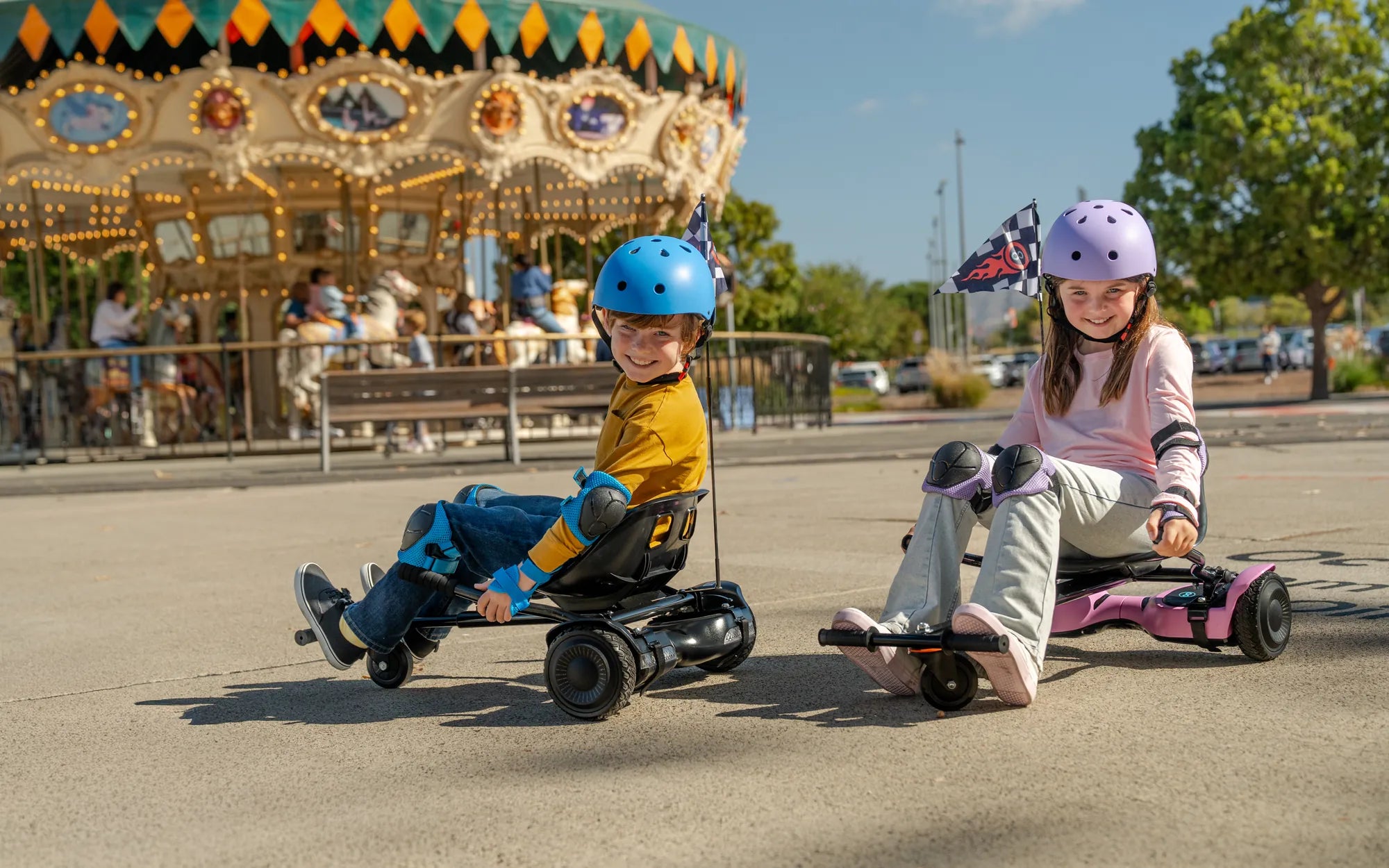
Every ride must begin with gear. This is not optional. A CPSC-certified bicycle helmet is the single most important piece of safety equipment. It must fit snugly and be worn level on the head, covering the forehead. Knee and elbow pads protect against the most common scrapes and impacts during falls.
Sturdy, closed-toe shoes with good grip (like sneakers) are mandatory—never sandals or flip-flops. For night riding or low-light conditions, add reflective clothing or accessories and consider a helmet with integrated lights. This gear should be as automatic as putting on a seatbelt in the car.
Smart Riding Practices for Kids
Establish clear rules before the first ride. Conduct a pre-ride safety check: test brakes, ensure tires are properly inflated, and check that all quick-release levers are secure. Always avoid wet leaves, metal grates, and sandy patches, as these surfaces drastically reduce traction.
Ride on sidewalks or designated bike paths where permitted, always yielding to pedestrians. Never ride in traffic or at night without direct adult supervision. Teach your child to be predictable, signal intentions, and constantly scan the environment for cars, pedestrians, and obstacles. For an electric outdoor scooter kids age 10 are using, start in a low-speed mode in a controlled, empty area like a parking lot to master throttle and brake control before venturing further.
Maintenance and Care for Longevity
Regular maintenance keeps a scooter safe, performs well, and extends its lifespan significantly. Involving your child in simple care routines teaches responsibility and mechanical awareness.
For all scooters, monthly checks are advised. Inspect the brake pads for wear and ensure the braking system engages smoothly and firmly. Check tire pressure on pneumatic models and look for cracks or excessive wear on solid tires. Tighten any loose bolts, particularly on the handlebar clamp, stem, and wheels. Keep the scooter clean by wiping it down with a damp cloth; avoid high-pressure hoses which can force water into bearings or electrical components.
For electric scooters, specific battery care is crucial. Follow the manufacturer's charging instructions precisely. Avoid leaving the scooter fully discharged or at 100% charge for extended periods; storing it with a 50-80% charge is ideal for battery health. Only use the provided charger. Store the scooter in a dry, temperate place, away from direct sunlight or extreme cold.
Frequently Asked Questions (FAQs)
What is the appropriate speed for a 10-year-old's electric scooter?
For safety and control, a maximum speed of 10-12 mph is generally appropriate for most 10-year-olds. Many quality models, including those from Gyroor, feature multiple speed modes (e.g., beginner 6 mph, medium 9 mph, advanced 12 mph). This allows riders to start slowly and progress as their skill and confidence grow in a controlled manner.
How long does the battery last, and what's the charging time?
Battery life per charge varies by model and riding conditions (weight, terrain, speed). For a 10-year-old's scooter, expect a realistic range of 7 to 12 miles on a single charge. Charging time typically falls between 3 to 5 hours for a full charge from empty. It's important to teach your child to monitor the battery indicator and plan rides accordingly.
Can the scooter handle mild off-road trails or gravel paths?
Scooters with larger pneumatic (air-filled) tires (8.5 inches or larger) and good ground clearance can handle packed dirt paths, light gravel, and grass reasonably well. However, they are not designed for rugged mountain biking trails. For the best off-road capability, look for models specifically marketed as having all-terrain features, which include knobby tires and enhanced suspension.
Is assembly difficult, and what tools are required?
Most scooters arrive 85-90% assembled. Final assembly typically involves attaching the handlebars to the stem and sometimes installing the front wheel or securing the folding mechanism. This usually requires only the included Allen wrenches or a multi-tool and takes 10-20 minutes. Always follow the included instructions carefully and ensure all bolts are tightened to the specified torque.
What maintenance does the scooter require?
Regular maintenance includes checking and inflating tires (for pneumatic models), inspecting and adjusting brakes, tightening loose bolts, and keeping the scooter clean. For electric models, battery care as described above is key. Bearings may need lubrication or replacement after extensive use. A well-maintained scooter is a safer and more reliable scooter.
Conclusion: Investing in Adventures and Peace of Mind
Selecting the perfect outdoor scooter for a 10-year-old is an investment in their independence, joy, and physical development. By prioritizing key features like appropriate weight capacity, adjustable handlebars, stable wheels, and reliable brakes, you lay the foundation for countless safe adventures. The decision between electric and kick models depends on your child's maturity and your desired blend of thrill versus active play.
Ultimately, the brands you choose matter. Opting for a scooter engineered with UL-certified batteries, IPX5 water resistance, and backed by a strong warranty, like those from Gyroor, transforms a purchase into a long-term partnership in safety. It’s the difference between a simple product and a trusted tool for exploration. Equip your child with the right gear, instill smart riding habits, and watch as their confidence grows with every ride.
Ready to explore scooters built for performance and engineered for safety? Browse the full Gyroor collection, trusted by over 100,000 riders, at gyroorboard.com to find the ideal model for your young explorer's next adventure.
Hoverboard Weight Limit 300lbs: What You Need to Know Before Riding
How Long Should You Charge a Hoverboard: The Ultimate Guide