



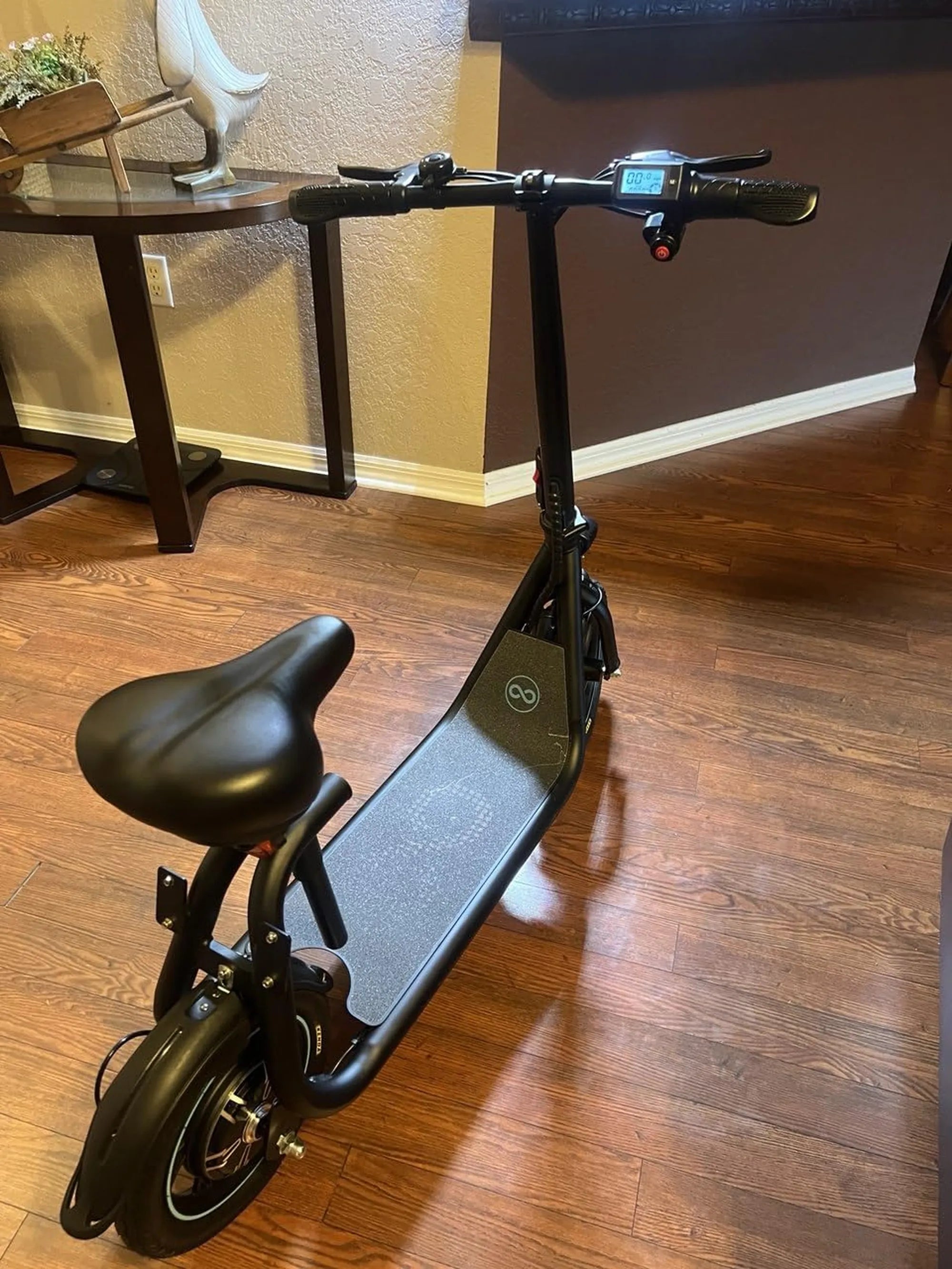
Electric mobility scooters have revolutionized personal transportation for individuals with limited mobility. Whether for short trips or daily commutes, these devices rely on a variety of essential parts to deliver smooth, reliable performance. Understanding the key components can help users maintain their scooters, troubleshoot issues, and make informed upgrades. Let’s dive into the critical parts that keep electric mobility scooters running efficiently.
Batteries: The Powerhouse of Your Scooter
The battery is the heart of any electric mobility scooter, providing the energy needed for movement. Most scooters use either sealed lead-acid (SLA) or lithium-ion batteries. SLA batteries are affordable but heavier, while lithium-ion options are lightweight and longer-lasting. Proper charging habits and regular maintenance can extend battery life, ensuring consistent performance.
Motors: Driving Force Behind the Ride
Electric motors convert battery power into motion, propelling the scooter forward. Motors vary in power, typically ranging from 200 to 800 watts, depending on the scooter’s size and intended use. Brushed motors are common in entry-level models, while brushless motors offer higher efficiency and durability. Regular inspections can prevent motor wear and tear.
Controllers: The Brain of the Operation
The controller acts as the scooter’s brain, regulating speed, acceleration, and power distribution. It ensures smooth operation by communicating between the throttle, motor, and battery. Faulty controllers can lead to erratic performance, so timely replacements are crucial for safety.
Throttles and Control Panels: User Interface
Throttles allow riders to control speed, while control panels display vital information like battery levels and speed settings. Modern scooters often feature ergonomic thumb throttles or twist grips for ease of use. Upgrading to a responsive throttle can enhance the riding experience.
Tires and Wheels: Traction and Stability
Tires come in solid or pneumatic (air-filled) varieties. Solid tires are puncture-proof but offer a stiffer ride, while pneumatic tires provide better shock absorption. Wheel size also impacts stability—larger wheels handle uneven terrain better, making them ideal for outdoor use.
Brakes: Ensuring Safety
Reliable brakes are non-negotiable for rider safety. Electric mobility scooters typically use disc, drum, or electromagnetic brakes. Disc brakes offer strong stopping power, while electromagnetic brakes engage automatically when the scooter is idle. Regular brake checks are essential to prevent accidents.
Chargers: Keeping the Power Flowing
A compatible charger is vital for maintaining battery health. Smart chargers prevent overcharging, while fast chargers reduce downtime. Always use the manufacturer-recommended charger to avoid damage.
Frames and Seats: Comfort and Durability
The scooter’s frame provides structural integrity, often made from lightweight aluminum or steel. Seats should offer ample cushioning and adjustability for long-term comfort. Reinforced frames and ergonomic seats are worth investing in for daily riders.
Accessories: Enhancing Functionality
From baskets to headlights, accessories can improve convenience and safety. LED lights enhance visibility, while storage solutions like baskets or bags add practicality. Choose accessories that align with your needs.
Maintaining and upgrading the right parts for electric mobility scooters can transform your riding experience. Whether you’re replacing a worn-out battery or adding a comfy seat, each component plays a role in ensuring smooth, safe journeys. Stay proactive with upkeep, and your scooter will reward you with years of reliable service.
Best Electric Scooters Under $600: Range, Speed, and Value
Are You Allowed to Take Electric Scooters on Trains? The Ultimate Guide